
Course Details
Spanish
Spanish
Speak the second most spoken language in the world with fluency and confidence.
Why Choose Online Spanish Classes?
Overview
WinQuest Online Spanish - live 1:1 or small-group classes mapped to the major Spanish syllabuses your child may follow: the international DELE / CEFR ladder (A1 -> C2), US Common Core / ACTFL World Languages standards (Grade 7-12), CBSE and ICSE Spanish as a third / foreign language (Grade 7-12), Cambridge IGCSE Spanish Foreign Language 0530 (Year 10-11) and Cambridge AS / A-level Spanish 9719 (Year 12-13). Tell us which path your child follows and the tutor adapts the lesson plan from day one.
What You'll Learn
- Live interactive sessions
- 1st one-on-one session
- Comprehensive curriculum
- No long-term commitment
- Personalized learning plan
International - DELE / CEFR
Greetings & Identity+
- Hola / adios, presentation phrases - we practise introducing yourself, stating your age, nationality and where you live. Students learn to ask the same questions of others and react appropriately to the answers.
- Personal pronouns and the verb ser - yo soy, tu eres, el / ella es, nosotros / nosotras somos, vosotros / vosotras sois, ellos / ellas son. Use ser for nationality, profession and identity.
- The Spanish alphabet (27 letters including ñ) and numbers 0 to 100 - children learn to spell their name aloud (deletrear), give a phone number and read prices in euros / dollars.
Daily Life Vocabulary+
- Family vocabulary (madre, padre, hermano, hermana, abuelo, primo, tio), colours (rojo, azul, verde, amarillo, blanco, negro) and the seven days of the week and twelve months of the year.
- Foods (pan, queso, pollo, manzana), drinks (agua, leche, cafe, zumo), ordering at a cafe with quiero / me gustaria, and asking the price with cuanto cuesta.
- Hobbies (musica, deporte, leer, pintar, cocinar) and free-time vocabulary; expressing likes with me gusta + singular noun / infinitive and me gustan + plural noun.
Foundation Grammar+
- Present indicative of regular verbs - the 3 verb families ending in -ar (hablar, estudiar), -er (comer, leer) and -ir (vivir, escribir). Conjugation in all 6 persons.
- Definite articles (el, la, los, las) and indefinite articles (un, una, unos, unas); noun gender (-o usually masculine, -a usually feminine) and number agreement with adjectives.
- Common irregular verbs - ser (to be, permanent), estar (to be, temporary / location), tener (to have, age), ir (to go), haber (impersonal "there is / are" - hay). When to use each.
DELE A1 Exam Skills (Instituto Cervantes)+
- Comprension de lectura - 4 tasks (25 min): reading short signs, ads, personal messages and emails; matching, multiple-choice and true / false questions.
- Comprension auditiva - 4 tasks (20 min): listening to simple announcements, conversations and instructions at a slow, clear pace.
- Expresion e interaccion escritas - filling a form + writing a short personal note (30-40 words); Expresion e interaccion orales - short interview (10 min, 4 tasks).
Wider Everyday Topics+
- Travel and transport - asking and giving directions (a la derecha, a la izquierda, todo recto), booking a hotel, buying a train ticket and navigating an airport in Spanish.
- Daily routines (me levanto a las 7, desayuno a las 8, voy al colegio) and describing your home (mi casa tiene 4 habitaciones) and neighbourhood (cerca hay un supermercado, un parque).
- Health and body parts (cabeza, ojo, boca, brazo, pierna), visiting the doctor (me duele la cabeza, tengo fiebre) and expressing feelings (estoy cansado, contento, triste, nervioso).
Past & Future Tenses+
- Preterito indefinido - completed past actions with specific time references (ayer comi paella, el ano pasado fui a Espana). Regular forms and the key irregulars (ser, ir, hacer, ver, dar).
- Preterito imperfecto - descriptions, habitual past actions, age, time and weather in the past (cuando era pequeno, jugaba en el parque todos los dias).
- Near future ir + a + infinitive (voy a estudiar) and the simple future (estudiare). When to use each in conversation about plans and predictions.
Practical Spanish in Use+
- Comparatives (mas alto que, menos alto que, tan alto como) and superlatives (el mas alto, el menos alto, altisimo). Comparing people, places and things.
- Direct object pronouns (me, te, lo, la, nos, os, los, las) and indirect object pronouns (me, te, le, nos, os, les). Placement before conjugated verbs and after infinitives.
- Reflexive verbs - levantarse, ducharse, vestirse, peinarse, acostarse - for describing daily routine. The reflexive pronouns (me, te, se, nos, os, se) and word order.
DELE A2 Exam Skills (Instituto Cervantes)+
- Comprension de lectura - 4 tasks (60 min): short informational and personal texts, classified ads, simple narratives, with matching and multiple-choice questions.
- Comprension auditiva - 4 tasks (35 min): conversations between two people, announcements, weather reports and simple radio broadcasts at slow-to-natural pace.
- Expresion escrita - 2 short tasks totalling 60-80 words; Expresion oral - 4 tasks including a 1-2 minute prepared monologue and an interactive simulation (15 min total).
Opinions & Emotional Contexts+
- Talking about plans, ambitions and dreams (quiero ser arquitecto, espero estudiar en Madrid, me gustaria viajar por Latinoamerica). Future-oriented vocabulary and structures.
- Giving opinions (en mi opinion, creo que, pienso que, me parece que), agreeing (estoy de acuerdo, claro que si) and disagreeing politely (no estoy de acuerdo, no creo que).
- Expressing complex feelings - happiness (alegria), sadness (tristeza), surprise (sorpresa), anger (enfado) and disappointment (decepcion) - with appropriate verbs and idioms.
Subjunctive Introduction+
- Present subjunctive forms (hable, coma, viva) and the main triggers - wish (quiero que), emotion (me alegra que), doubt (dudo que) and impersonal expressions (es importante que).
- Commands - the imperative for tu (habla, come, escribe), usted (hable, coma, escriba), and the negative imperative formed with the subjunctive (no hables, no comas).
- Por vs para (por dinero / para ti); ser vs estar in depth - permanent vs temporary, characteristic vs state. Key with adjectives that change meaning (es listo vs esta listo).
Connectors & Cohesion+
- Sin embargo (however), por lo tanto (therefore), ademas (in addition), en cambio (on the other hand), aunque (although), a pesar de (despite) - linking ideas in writing.
- Reported / indirect speech (estilo indirecto) - changing tenses when reporting present (dice que estudia) and past (dijo que estudiaba) statements, questions and commands.
- Conditional mode (estudiaria, comeria, viviria) for politeness (querria un cafe, por favor), hypothetical situations (yo iria si pudiera) and future-in-the-past.
DELE B1 Exam Skills (Instituto Cervantes)+
- Comprension de lectura (70 min, 5 tasks): 5 short texts on personal life, 3 anuncios, 1 literary excerpt with multiple-choice, 1 narrative, 1 gap-fill grammar / vocabulary.
- Comprension auditiva (40 min, 5 tasks): conversations, monologues, news bulletins, radio interviews - extracting main idea, specific information and speaker intent.
- Expresion escrita (60 min): 100-120 word personal text + 130-150 word formal letter. Expresion oral (15 min): interview + prepared monologue + dialogue based on a stimulus.
Abstract & Argumentative Topics+
- Society (inmigracion, igualdad, educacion), environment (cambio climatico, sostenibilidad, energias renovables), technology (redes sociales, inteligencia artificial) - reading and group discussion.
- Argumentation - structuring a balanced viewpoint with evidence (por un lado, por otro lado), introducing examples (por ejemplo, en concreto) and concluding (en resumen, finalmente).
- Cultural awareness across Spain (Comunidades Autonomas - Catalunya, Pais Vasco, Galicia, Andalucia) and Latin America (Mexico, Argentina, Colombia, Peru) - their distinct accents and traditions.
Advanced Grammar+
- Past subjunctive / imperfecto del subjuntivo (hablara/hablase, comiera/comiese, viviera/viviese) and its triggers - hypothetical past (ojala estudiara mas) and contrary-to-fact situations.
- All conditional sentences - real (si tengo tiempo, ire), hypothetical / unreal present (si tuviera dinero, viajaria) and contrary-to-fact past (si hubiera estudiado, habria aprobado).
- Passive voice with ser + past participle (fue construido en 1492) and impersonal se (se habla espanol aqui). When each is used in formal vs informal Spanish.
Idiomatic & Colloquial Spanish+
- Phrasal verbs and idiomatic expressions - tomar el pelo (to tease), dar la lata (to bother), echar de menos (to miss), estar en las nubes (to daydream).
- Register - formal vs informal Spanish, voseo in Argentina and Uruguay (vos tenes instead of tu tienes), and regional vocabulary differences (coche vs auto, ordenador vs computadora).
- Common false friends (embarazada is "pregnant", not "embarrassed"; exito is "success", not "exit"; soportar is "tolerate", not "support") and tricky near-cognates.
DELE B2 Exam Skills (Instituto Cervantes)+
- Comprension de lectura (70 min, 4 tasks): articles, opinion pieces, literary excerpts, with multiple-choice, matching and inference questions.
- Comprension auditiva (40 min, 5 tasks): radio interviews, public announcements, news bulletins and short academic talks - identifying speaker intent, attitude and main argument.
- Expresion escrita (80 min, 2 tasks 150-180 words each). Expresion oral (20 min, 3 tasks): describing a photo + interaction with examiner + sustained presentation of a proposal.
Complex & Demanding Texts+
- Newspaper editorials (El Pais, El Mundo, La Nacion), essays by Octavio Paz or Mario Vargas Llosa, literary excerpts from Marquez, Allende, Cortazar and Borges.
- Specialised vocabulary across domains - economy (PIB, recesion, inflacion), politics (parlamento, eleccion, democracia), science (investigacion, hipotesis, evidencia) and art (impresionismo, surrealismo, cubismo).
- Inference and reading between the lines - identifying tone (ironico, sarcastico, neutral), implicit attitudes and the author's underlying purpose.
Refined Grammar+
- All tenses and moods used fluently in interaction - including the seldom-used future subjunctive (hablare) which still appears in formal / legal Spanish.
- Subjunctive in relative clauses (busco a alguien que hable espanol), in concessive clauses (aunque sea dificil, lo intento) and sequence of tenses across all moods.
- Stylistic variation - emphatic structures (lo que me sorprende es que...), word-order inversion for focus, ellipsis (no me lo digas - puedo imaginarlo) and rhetorical questions.
Spoken Fluency at Speed+
- Sustained monologue (3-5 minutes) with a clear logical argument, supporting evidence, anticipation of counter-arguments and a strong conclusion.
- Negotiation, debate and persuasion - vocabulary for proposing (propongo que), conceding (concedo que), refuting (no estoy de acuerdo porque) and reaching consensus (en conclusion).
- Native-speaker speed listening - Spanish-language news (CNN en Espanol, Al Jazeera), films (Almodovar, del Toro), TV series and podcasts with regional accents.
DELE C1 Exam Skills (Instituto Cervantes)+
- Comprension de lectura y uso de la lengua (90 min, 5 tasks): 4 reading tasks plus 1 integrated language-in-use task. Texts include literary, journalistic and academic registers.
- Comprension auditiva y uso de la lengua (50 min, 4 tasks): radio programmes, lectures, interviews and dialogues - identifying nuance, speaker attitude and stylistic devices.
- Destrezas integradas (80 min): integrated reading + listening + writing (220-250 word composition). Expresion oral (20 min): 3-minute monologue + 5-minute interaction + interview.
Near-Native Comprehension+
- Understand virtually everything heard or read in Spanish, including specialised terminology and regional varieties from all 22 Spanish-speaking countries.
- Literary criticism (Cervantes scholarship, criticism of Garcia Lorca), academic writing in any field and technical / legal Spanish (contracts, scientific papers).
- Spanish-language films at native speed without subtitles, theatre productions (Calderon, Lorca), live news bulletins and live debates.
Spontaneous Fluency & Precision+
- Express fine shades of meaning - irony (sutileza), sarcasm (ironia mordaz), humour (comicidad), gravity (solemnidad) - with appropriate vocabulary and prosody.
- Self-correct and refine on the fly; near-native pronunciation with the appropriate regional accent (Castilian, Mexican, Argentinian Rioplatense) consistently maintained.
- Switch register fluidly between formal (juridico-administrativo, academico) and colloquial (con coloquialismos, modismos) without effort.
Cultural & Literary Depth+
- Spanish Golden Age (Siglo de Oro) - Cervantes' Don Quijote, Lope de Vega's comedies, Quevedo's satire; Generation 98 - Unamuno, Machado, Baroja.
- Latin American boom (boom latinoamericano) - Borges' Ficciones, Cortazar's Rayuela, Garcia Marquez's Cien anos de soledad, Vargas Llosa's La ciudad y los perros, Fuentes' La muerte de Artemio Cruz.
- Contemporary writers (Almudena Grandes, Roberto Bolano, Isabel Allende, Junot Diaz) and current cultural debates (memoria historica, feminismo, identidad latina, indigenismo).
DELE C2 Exam Skills (Instituto Cervantes)+
- Prueba 1 - Uso de la lengua, lectura y audicion (105 min): 3 integrated reading + listening tasks; identifying stylistic devices, summarising and commenting.
- Prueba 2 - Destrezas integradas de comprension auditiva y de lectura y expresion e interaccion escritas (150 min): essay 400-450 words integrating audio + reading sources.
- Prueba 3 - Destrezas integradas de comprension de lectura y expresion e interaccion orales (20 min): summary + commentary + interview, with reformulation and presentation under exam pressure.
USA - Common Core / ACTFL
Foundations+
- Greetings (hola, buenos dias, buenas tardes, buenas noches), introductions (me llamo, soy de, tengo X anos) and classroom commands (escucha, repite, levanta la mano).
- Numbers 0 to 100, days of the week, months of the year, telling time on the hour and half hour, basic weather expressions (hace sol, hace frio, esta lloviendo).
- The Spanish alphabet (27 letters), pronunciation of vowels (clear and short, unlike English) and the special sounds rr, j, ll, n - students practise reading aloud.
My World+
- Family members (madre, padre, hermano, abuelo, tio, primo), rooms of the house (cocina, dormitorio, sala, bano) and school subjects (matematicas, ingles, historia, ciencias).
- Colours (rojo, azul, verde, amarillo, naranja, morado), clothing (camisa, pantalones, zapatos, vestido, chaqueta), basic food and drinks (pan, leche, fruta, agua).
- Likes and dislikes - me gusta + singular noun, me gustan + plural noun, no me gusta nada, prefiero. Hobbies and free-time vocabulary (musica, deporte, pintar, leer).
Grammar Starters+
- Definite (el, la, los, las) and indefinite (un, una, unos, unas) articles; noun gender (-o usually masculine, -a usually feminine) and number agreement with adjectives.
- Present tense regular -ar verbs (hablar, estudiar, trabajar) - the 6 conjugation endings (-o, -as, -a, -amos, -ais, -an) and how to apply them.
- Subject pronouns (yo, tu, el, ella, usted, nosotros, vosotros, ellos, ellas, ustedes) and when each is used - including the formal usted vs informal tu distinction.
Daily Life+
- Daily routines (me despierto, desayuno, voy al colegio, almuerzo a las 12, ceno a las 7, me acuesto) using reflexive verbs and time expressions.
- Sports (futbol, baloncesto, tenis, natacion), hobbies (jugar videojuegos, escuchar musica, ver peliculas) and music (clasica, pop, rock, reggaeton).
- Shopping for clothes (talla, color, precio) and food (al mercado, al supermercado), asking cuanto cuesta and giving change in euros / pesos / dollars.
Travel & Culture+
- Geography of Spanish-speaking countries - the 21 Hispanic countries (Spain, Mexico, the 18 Latin American countries, Equatorial Guinea) and their capitals.
- Travel vocabulary (aeropuerto, hotel, pasaporte, billete, maleta), navigating an airport, checking into a hotel and asking for / giving directions.
- Hispanic festivals - Cinco de Mayo (Mexican-American celebration of the Battle of Puebla), Dia de los Muertos (November 1-2), Three Kings Day (January 6).
Grammar+
- Stem-changing verbs (e → ie: querer, pensar, preferir; o → ue: poder, dormir, contar; e → i: pedir, servir, repetir). When and how the stem changes in present.
- Ser vs estar - ser for identity, profession, nationality, characteristic; estar for location, temporary state, feelings. Key adjectives where meaning changes.
- Possessive adjectives (mi, tu, su, nuestro, vuestro, su) and the long forms (mio, tuyo, suyo, nuestro, vuestro, suyo). Agreement with the noun possessed.
Past Tense Storytelling+
- Preterito indefinido for narration of completed past actions (ayer fui al cine, la semana pasada estudie mucho). Regular -ar / -er / -ir endings.
- Common preterite irregulars (ser / ir both fui, fuiste, fue, fuimos, fuisteis, fueron; hacer, decir, dar, ver, ponerse, tener, venir).
- Preterito imperfecto for description and habits in the past (cuando era pequeno, vivia en Madrid). Combining preterite and imperfect in storytelling.
Travel & Restaurants+
- Booking a hotel (quisiera reservar una habitacion doble, para dos noches), ordering at a restaurant (de primero..., de segundo..., para beber..., de postre...).
- Asking for directions (perdone, donde esta...?, como llego a...?) and giving directions (todo recto, gire a la derecha / izquierda, en la esquina, al fondo).
- Currency and shopping (euros, pesos, dolares), bargaining at a market (puede hacer un descuento? que es lo mejor que puede hacer?), reading receipts and prices.
Grammar+
- Direct object pronouns (me, te, lo, la, nos, os, los, las) and their placement before conjugated verbs (lo veo) and attached to infinitives (voy a verlo).
- Reflexive verbs - levantarse, ducharse, vestirse, peinarse, acostarse, divertirse. Reflexive pronoun + verb agreement with the subject.
- Comparatives (mas / menos + adj + que; tan + adj + como) and superlatives (el / la mas + adj + de). Irregulars - mejor, peor, mayor, menor.
Future & Conditional+
- Future tense - regular forms (-e, -as, -a, -emos, -eis, -an added to infinitive) and irregulars (tendre, podre, sabre, hare, dire, querre, saldre).
- Conditional mode for politeness (querria, podria, me gustaria), hypothesis (yo iria si pudiera) and softening requests (deberias estudiar mas).
- Time expressions and future planning (en el futuro, en cinco anos, cuando termine los estudios) and using ojala que + subjunctive for wishes.
Opinions & Debate+
- Expressing opinions (en mi opinion, desde mi punto de vista, creo que, pienso que), agreeing (claro que si, estoy de acuerdo) and disagreeing (no estoy de acuerdo).
- Talking about current events (las noticias, el periodico, las redes sociales) and forming a balanced argument about youth-relevant topics.
- Indirect object pronouns (me, te, le, nos, os, les) and double object pronouns when le / les + lo / la become se lo / se la.
Culture & Literature+
- Hispanic literature excerpts at intermediate level - Federico Garcia Lorca's poems (Romancero gitano), Pablo Neruda's odes and 20 Love Poems.
- Music - traditional (flamenco, mariachi, tango, bolero) and contemporary (Shakira, Bad Bunny, Rosalia, Karol G); analysing lyrics for vocabulary and culture.
- Cinema - introduction to Pedro Almodovar (Volver, Todo sobre mi madre) and Guillermo del Toro (El laberinto del fauno) - watching clips with Spanish subtitles.
Subjunctive Mastery+
- Present subjunctive - all triggers and uses (wish, emotion, doubt, impersonal expression, in noun / adjective / adverb clauses). Mood vs tense distinction.
- Past subjunctive (imperfecto del subjuntivo) - both -ra and -se forms; sequence of tenses (espero que vaya / esperaba que fuera).
- Si clauses - real (si tengo tiempo, ire), unreal present (si tuviera tiempo, iria), contrary-to-fact past (si hubiera tenido tiempo, habria ido).
AP Themes (College Board Course Framework)+
- Families and Communities - structure of family, customs and values, citizenship and identity, education and friendship across cultures.
- Personal and Public Identities; Beauty and Aesthetics; Science and Technology - 3 of the 6 College Board AP themes; vocabulary, source articles, model FRQ responses.
- Contemporary Life; Global Challenges - the remaining 3 AP themes; environmental issues, economic challenges, social activism in the Spanish-speaking world.
AP Skills Build+
- Email reply task - 15-min response to a stimulus email, including a greeting, body addressing each question, follow-up question and formal sign-off (60+ words).
- Persuasive essay structure - 40 min after analysing 3 sources (one print, one audio, one chart), with thesis, evidence from each source and conclusion (200+ words).
- Conversation simulation (5 turns of 20s each) and cultural comparison presentation (4 min preparation + 2 min presentation comparing Hispanic and US perspectives).
AP Spanish Language and Culture - 6 Units+
- Families in Different Societies - family structure across cultures; Influence of Language and Culture on Identity - bilingualism, code-switching, accents.
- Influences of Beauty and Art - famous Spanish-speaking painters, architects, musicians; Science and Technology effects - innovation, digital divide, sustainability.
- Quality of Life factors - work, leisure, healthcare, education; Environmental, Political and Societal Challenges - migration, indigenous rights, gender equality.
Final AP Exam Skills+
- Section I MCQ (95 min) - 30 print-only questions, 35 audio-only and audio + print combined; testing comprehension, inference and cultural awareness.
- Section II FRQ (88 min) - email reply (15 min), persuasive essay analysing 3 sources (55 min), conversation simulation (5 turns x 20s), cultural comparison (4+2 min).
- 2-4 full-length proctored mock exams in the College Board format; targeting scores of 4 or 5 with detailed score-band feedback from the tutor.
Cultural Mastery+
- In-depth reading of contemporary Hispanic authors - Junot Diaz (The Brief Wondrous Life of Oscar Wao), Isabel Allende (La casa de los espiritus), Sandra Cisneros.
- Film analysis - Spain (Almodovar's Volver, Bunuel's Viridiana), Mexico (Cuaron's Roma), Argentina (Campanella's El secreto de sus ojos), Colombia (Ciro Guerra).
- Cross-cultural comparison essays - identifying similarities and differences between the student's culture and a Hispanic culture, with concrete examples.
India - CBSE Spanish
Basics+
- The 27-letter Spanish alphabet (including n), pronunciation patterns and accent marks (acentos) used to mark stress and to distinguish words.
- Numbers 0 to 100 in words and figures, the seven days of the week, twelve months of the year, telling time on the hour and quarter-hour.
- Greetings (hola, buenos dias, buenas tardes, buenas noches, adios) and introductions (me llamo X, soy de la India, tengo 12 anos).
Self & World+
- Family vocabulary (madre, padre, hermano, hermana, abuelo, abuela, tio, tia, primo, prima), school subjects, classmates and colours.
- Daily routine using reflexive verbs (me levanto, desayuno, voy al colegio, vuelvo a casa, hago los deberes, ceno, me acuesto), hobbies and likes / dislikes.
- Describing my house (mi casa tiene 4 habitaciones, una sala, una cocina, dos banos), my city (vivo en Delhi, hay un parque cerca) and my country (la India).
Grammar+
- Articles (el / la / los / las and un / una / unos / unas), noun gender (-o usually masculine, -a usually feminine, with key exceptions) and number agreement.
- Present indicative of regular verbs in -ar (hablar), -er (comer) and -ir (vivir) - all six person forms; common adverbs of frequency (siempre, a veces, nunca).
- Common irregulars - ser (to be, identity), estar (to be, location / state), tener (to have, age), ir (to go) - and how they replace English's single "to be" and "to have".
Past Tense+
- Preterito indefinido for completed past events with specific time reference (ayer fui al cine; el ano pasado viaje a Espana). Regular endings and the key irregulars.
- Preterito imperfecto for descriptions, habits in the past, age, time and weather (cuando era pequeno, vivia en Mumbai; eran las 8 de la noche).
- Telling a story in the past - combining preterite (for events that move the story forward) with imperfect (for background description) using time connectors.
Topics+
- Travel (de vacaciones, en avion, en tren, en autobus), food (la comida espanola - paella, tapas; la comida mexicana - tacos), shopping and festivals.
- Geography of the 21 Spanish-speaking countries - Spain in Europe, Mexico in North America, the 18 Latin American countries and Equatorial Guinea in Africa.
- Cultural notes - Spain vs Latin America (Castilian "z" vs Latin American "s" sound; vosotros in Spain vs ustedes everywhere; voseo in Argentina).
Grammar+
- Direct object pronouns (lo, la, los, las) and indirect object pronouns (le, les); placement before conjugated verbs (lo veo) or after infinitives (voy a verlo).
- Reflexive verbs (levantarse, ducharse, vestirse, peinarse, acostarse) for daily routine; conjugation with reflexive pronouns (me, te, se, nos, os, se).
- Comparatives (mas...que, menos...que, tan...como) and superlatives (el mas, el menos); irregulars mejor / peor / mayor / menor.
Section A - Reading Comprehension (20 marks)+
- Two unseen prose passages totalling about 250 words; multiple-choice, short-answer and inferential questions.
- Vocabulary in context - identifying synonyms / antonyms and explaining the meaning of words from the passage.
- Note-making and summary writing in Spanish from the prose passage (50-60 words).
Section B - Writing & Translation (20 marks)+
- Paragraph writing on a familiar topic (80-100 words) - mi familia, mis vacaciones, mi mejor amigo, mi colegio.
- Letter writing - personal letter (to a friend or family member) and formal letter (to a school principal or company).
- Translation - short Spanish-to-Hindi / English and vice versa (30-50 words each direction).
Section C - Grammar (20 marks)+
- Future tense (regular -e, -as, -a, -emos, -eis, -an and irregulars: tendre, podre, sabre) and conditional mode (would).
- Imperative mood - tu and usted commands (positive and negative), and the negative imperative formed using subjunctive.
- Present subjunctive - introduction with the most common triggers (querer que, esperar que, dudar que, ojala que).
Section D - Literature & Culture (20 marks)+
- Short texts on the Spanish-speaking world - Spain (Madrid, Barcelona, flamenco), Mexico (Mexico City, Mayan / Aztec heritage), Argentina (Buenos Aires, tango).
- Famous Hispanic personalities at age-appropriate depth - Pablo Picasso, Salvador Dali, Frida Kahlo, Lionel Messi, Shakira.
- CBSE Sample Paper practice and 2-3 full-length proctored mocks before the March board exam.
Advanced Themes+
- Society (la familia moderna, la juventud, la inmigracion), environment (el cambio climatico, la contaminacion), technology (las redes sociales, la educacion en linea).
- Spanish and Latin American culture in depth - history (la conquista, la independencia), gastronomy (paella, tapas, ceviche, asado), arts (Picasso, Dali, Frida Kahlo).
- Current affairs in the Hispanic world - immigration debates, environmental challenges in the Amazon, gender equality movements (#NiUnaMenos), Catalan independence.
Grammar & Style+
- Subjunctive in detail - present and past forms, sequence of tenses, in noun clauses (espero que vengas), adjective clauses (busco a alguien que hable espanol) and adverbial clauses (cuando llegues).
- Conditional sentences - real (si tengo tiempo, ire), hypothetical present (si tuviera tiempo, iria), contrary-to-fact past (si hubiera tenido tiempo, habria ido).
- Reported speech (estilo indirecto) - tense shifts when reporting present, past and future statements; reporting questions and commands.
Writing+
- Argumentative essay (250-300 words) - introduction, thesis, supporting paragraphs with evidence, counter-argument and conclusion.
- Formal letters and applications - to a Spanish university, to a company for an internship, to a host family for a study abroad.
- Article writing for school magazine on a Hispanic cultural topic - festivities, sports, music, cinema.
Literature & Composition+
- Selected Spanish and Latin American prose - excerpts from Gabriel Garcia Marquez, Mario Vargas Llosa, Isabel Allende - at intermediate-advanced level.
- Themes in modern Hispanic literature - identity (en busca de mi raiz), belonging (ser de aqui y de alla), change (la transformacion social), migration (la diaspora).
- Long-form essay writing (350-400 words) - structured argument, vocabulary range, varied sentence structures, native-like cohesion.
Comprehension Mastery+
- Reading at near-native speed - newspaper articles (El Pais, La Nacion), short stories, opinion pieces, interviews.
- Argument analysis and evaluation - identifying claim, evidence, warrant and any logical fallacies; comparing two arguments.
- Note-making and summarising long-form Spanish texts in 80-100 words, identifying main idea and supporting details.
Board Exam Prep+
- CBSE Sample Paper and previous-year board papers - all sections (Reading, Writing, Translation, Grammar, Literature) practised under time.
- Marking scheme analysis - what the examiner looks for in each section and the common mistakes to avoid.
- 2-3 full-length proctored mocks before March exam; targeting 90+ score with section-by-section feedback.
India - ICSE Spanish
Basics+
- The Spanish alphabet (27 letters including n) and accent marks (acentos agudo, grave, circumflejo and tilde) that mark stress or change meaning.
- Numbers 0 to 1000, the days, months, time on the hour and quarter-hour, and basic weather (hace sol, hace frio, hace calor, esta lloviendo, nieva).
- Greetings, introductions and classroom Spanish (escucha, repite, abre el libro, levanta la mano, en silencio por favor, puedo ir al bano?).
Daily Life+
- Family vocabulary, school subjects, hobbies (juego al futbol, toco la guitarra, dibujo) and sports (futbol, baloncesto, natacion, atletismo).
- Food vocabulary (pan, queso, fruta, verdura, carne, pescado), clothing (camisa, pantalones, vestido, zapatos) and shopping at the market or shop.
- Describing my house (4 rooms, balcony, garden) and neighbourhood (the park, the shop, the school, the temple) using hay + indefinite article.
Grammar Foundations+
- Articles (definite el / la / los / las and indefinite un / una / unos / unas), noun gender (masculine -o, feminine -a, with exceptions) and number.
- Present indicative of regular -ar (hablar), -er (comer) and -ir (vivir) verbs - all six person forms; common adverbs and time expressions.
- Ser, estar, tener, ir - the four most important irregular verbs - and the distinction between ser and estar (permanent vs temporary, identity vs location).
Section A - Composition (40 marks)+
- Picture composition (100-120 words) describing what is happening in a given image and what may happen next.
- Personal letter (informal) to a friend or relative, and formal letter to a school principal, magazine editor or company.
- Dialogue writing on a given situation (e.g., arranging a meeting with a friend, asking for directions, ordering at a restaurant).
Section B - Comprehension (20 marks)+
- Unseen prose passage of about 200 words; multiple-choice, short-answer and inferential questions.
- Vocabulary in context - identifying synonyms and antonyms, explaining the meaning of phrases from the passage.
- Diary entry, postcard or short note writing based on the passage.
Section C - Grammar (40 marks)+
- All present-tense uses (habit, current action, near future, general truth) including the personal a (la veo a Maria).
- Preterito indefinido (completed past) and preterito imperfecto (descriptive past) - introduction and the most common irregulars.
- Adjective and pronoun agreement, the position of adjectives (some before the noun, some after), comparatives and superlatives.
Section A - Composition (40 marks)+
- Narrative essay (300-350 words) - telling a story with a clear beginning, middle and end, using past tenses appropriately.
- Descriptive essay (300-350 words) - describing a place, person, event or experience using sensory detail and varied vocabulary.
- Formal and informal letter writing - to a Spanish host family, applying for a course in Spain, complaining about a product.
Section B - Comprehension (20 marks)+
- Longer prose passage (about 300 words) with multiple-choice questions and short-answer / long-answer questions.
- Note-making and summary writing in Spanish (60-70 words) from the prose passage.
- Transformation of sentences - active to passive voice, direct to indirect speech, affirmative to negative.
Section C - Grammar & Translation (40 marks)+
- Future and conditional tenses (estudiare, estudiaria), imperative mood (estudia, no estudies), present subjunctive triggers.
- Direct and indirect object pronouns including double pronouns (se lo doy); reflexive verbs in past, present and future.
- Translation - Spanish-to-English and English-to-Spanish at short paragraph length; ICSE Specimen Paper and 5 years of past-paper practice.
Section A - Composition (450-550 words; 30 marks)+
- Six choices including descriptive, narrative, reflective and discursive composition; one essay must be attempted.
- Letter writing - formal (to a Spanish university or employer) and informal (to a host family); 200-250 words each.
- Article, report or review (300-400 words) - for school magazine, on a Hispanic cultural event, or reviewing a Spanish film / book.
Section B - Comprehension (20 marks)+
- Longer passages including literary prose (a short story or novel excerpt) - about 400-500 words.
- Precis writing - reducing the passage to one-third of its length while preserving the main argument.
- Vocabulary in context - synonyms, antonyms, phrasal verbs and idiomatic expressions.
Section C - Grammar Mastery (30 marks)+
- Subjunctive - present and past (imperfecto del subjuntivo), all main triggers and sequence of tenses.
- Conditional sentences - real, hypothetical present and contrary-to-fact past; mixed conditionals.
- Reported speech (changing tenses, time and place references) and passive voice with ser, estar and impersonal se.
Section A - Literature (20 marks)+
- Prescribed Spanish prose - one novel or collection of short stories from the ISC syllabus list.
- Prescribed poetry - selected poems from a Spanish or Latin American anthology with themes, devices and language analysis.
- Reference-to-context (RTC) questions - identifying the source, context, and stylistic devices in a given quotation.
Section B - Composition (450-550 words; 30 marks)+
- Long argumentative and discursive essay - introduction, multiple body paragraphs, evidence-based reasoning, counter-argument and conclusion.
- Letter, article, report writing under exam conditions - planning + writing + editing in 90 minutes.
- Time-pressured exam writing - completing all sections within the 3-hour ISC paper time limit with accuracy and style.
Section C - Board Exam Prep (50 marks)+
- ISC Specimen Paper and 5 years of past papers - all sections practised under time.
- Marking scheme analysis and model answers - learning to write what the examiner is looking for in each section.
- 2-3 full-length proctored mocks before February exam; targeting 90+ score with section-by-section feedback.
Cambridge IGCSE 0530
Foundation+
- Spanish alphabet (27 letters including n), pronunciation of vowels and the special sounds rr, j, ll, n; numbers 0 to 100, days, months, time.
- Greetings (hola, buenos dias, adios, hasta luego), family vocabulary (padre, madre, hermano, abuelo), school subjects (matematicas, ingles) and hobbies (deporte, musica, leer).
- Present tense regular -ar / -er / -ir verbs and basic conversation - introducing yourself, asking name / age / nationality, talking about likes / dislikes.
Cultural Awareness+
- Spanish-speaking countries - the 21 countries where Spanish is an official language; locating each on a world map; key landmarks (the Alhambra, Machu Picchu, Chichen Itza).
- Daily life across Spain (Mediterranean diet, siesta, late dinner) and Latin America (mate tea in Argentina, taco culture in Mexico, salsa in Cuba).
- Common festivals and traditions - La Tomatina (Spain), Day of the Dead (Mexico), Carnival (across Latin America), Three Kings Day (Spain and Latin America).
Skills Build+
- Listening to short audio (30-60 seconds) with multiple-choice and matching questions - announcements at airports, simple conversations, weather reports.
- Reading simple texts (advertisements, menus, signs, short emails) and answering true / false and matching questions.
- Speaking - 30-second introduction giving name, age, nationality, family, school and hobbies; basic role-play (e.g., ordering at a cafe).
Topic Areas (Cambridge IGCSE 0530)+
- Everyday activities - daily routine, food and drink, health and fitness, free-time activities, communication with family and friends.
- Personal and social life - self, family, friends, school, free time, holidays and travel, home life and customs.
- The world around us - hometown and local area, natural environment, people and society in Spanish-speaking countries.
Tense Range+
- Present, preterite and imperfect tenses - all six person forms; key irregulars in each (ser / ir, hacer, tener, decir, ver, dar).
- Future with ir + a + infinitive (voy a estudiar manana) and the simple future (estudiare); when each is used.
- Imperative for tu and usted (positive and negative); modal verbs poder, deber, querer + infinitive.
Skills Build+
- Listening - 6 multi-question tasks (Paper 1 format) at a slow-to-natural pace; matching, multiple-choice and short-answer.
- Reading - 7 multi-question tasks (Paper 2 format) on a range of texts; matching, multiple-choice, gap-filling and short-answer.
- Writing 80-90 word task (Paper 4 Q2 format); Oral role-play + topic conversation + general conversation (Paper 3 format).
IGCSE Topic Areas - all 5+
- Everyday activities - home life, school, food, health; Personal and social life - self, family, friends, free time, holidays.
- The world around us - hometown, environment, weather, people; World of work - jobs, careers, communication.
- The international world - travel, tourism, cultural differences, current affairs, world issues.
Grammar Range+
- All major tenses including the present subjunctive introduction (with the main triggers - querer que, esperar que, dudar que, es importante que).
- Direct (lo, la, los, las) and indirect (le, les) object pronouns; double object pronouns where le / les + lo / la become se lo / se la.
- Comparatives (mas que, menos que, tan como), superlatives (el mas) and the formation and use of adverbs (rapidamente, facilmente).
IGCSE Skills Build+
- Paper 1 Listening - 6 questions (about 45 minutes; 25% of total) - announcements, conversations, monologues and longer interviews.
- Paper 2 Reading - 7 questions (about 1 hour; 25% of total) - signs, advertisements, brochures, magazine articles, narratives, formal letters.
- Paper 3 Speaking (about 10 minutes; 25%) and Paper 4 Writing (about 1 hour; 25%) - intensive prep and timed practice.
Exam Topic Mastery+
- World of work - jobs (medico, profesor, ingeniero), careers (trabajo a tiempo completo / parcial), future plans (estudiar en la universidad).
- International world - travel (vacaciones, billete, pasaporte, alojamiento), cultures (similitudes y diferencias), tourism (lugares turisticos).
- Current affairs - environment (medio ambiente, contaminacion, energias renovables), technology (redes sociales, telefonos moviles), society (la familia moderna, la inmigracion).
Past Paper Drilling+
- Paper 1 Listening - past 5 years of June / November papers, all 6 tasks, with detailed listening-skill feedback.
- Paper 2 Reading - past 5 years, all 7 tasks; learning the typical traps and the keywords examiners use.
- Paper 3 Speaking - role-play (5 min), topic presentation (1-min talk + 4-min Q&A), general conversation (5 min) - recorded and reviewed.
Paper 4 Writing+
- Q1 List task (8 marks) - producing 8 short items from a given prompt (a list of 8 things you would take to the beach).
- Q2 80-90 word task (16 marks) - structured response to a stimulus (a letter or message), addressing 4-5 bullet points.
- Q3 130-140 word task (26 marks) - a longer composition; A* targeting; grammar accuracy + content + organisation.
Bridge to A-level+
- Consolidating IGCSE grammar with subjunctive deep dive - all 6 persons in present and past, all triggers, sequence of tenses.
- Reading short literary excerpts (a story by Marquez, a poem by Neruda) and journalistic articles (El Pais, La Nacion).
- Cultural studies - Spain (Comunidades Autonomas, regional identity) and Latin America (the conquest, independence, the 20th century).
AS-level Preview+
- Topics - young people (adolescencia, redes sociales, presiones), healthy living (alimentacion, deporte, salud mental), family (estructura, valores).
- Tense range including past subjunctive (imperfecto del subjuntivo) and the full system of si clauses (real, hypothetical, contrary-to-fact).
- Translation Spanish-to-English (120-150 words) and English-to-Spanish (90-100 words) at AS-level standard.
A-level Preview+
- Topics - work and careers, contemporary society, current affairs, environmental issues, technology and media.
- Reading authentic articles (longer-form journalism) and short stories (Cortazar, Borges, Bolano) with literary analysis.
- Essay structure (250-word AS / 250-300 word A-level) and oral presentation (4-5 minutes) on a chosen contemporary topic.
Cambridge AS / A-level (9719)
Bridge from IGCSE 0530 to AS 9719+
- Consolidating IGCSE 0530 grammar and vocabulary - reviewing all tenses, object pronouns, ser vs estar, por vs para, and 1,500+ active vocabulary words.
- Subjunctive deep dive - present subjunctive (all 6 forms + main triggers), past subjunctive (-ra and -se forms), sequence of tenses and all si-clause patterns.
- Reading short literary texts (a Cortazar story, a Neruda ode, a Borges fiction) and journalistic articles (El Pais editorials, La Nacion features) to lift register.
Cultural Studies (foundation for Paper 4 cultural topics)+
- Spain - history (la Guerra Civil, la Transicion, la democracia), society (la familia espanola, las Comunidades Autonomas) and current affairs (la inmigracion, la cuestion catalana).
- Latin America - regional diversity across Mexico (Aztec heritage, NAFTA), Argentina (Peronism, tango, futbol), Colombia (coffee, conflict resolution), Peru (Inca legacy).
- Hispanic literature - first contact with Garcia Lorca's Romancero gitano, Neruda's Veinte poemas de amor, a short story by Garcia Marquez and one by Cortazar.
AS Skill Bridge+
- Translation Spanish-to-English of short authentic passages (80-100 words) - learning to keep meaning, register and idiom intact.
- Brief essay writing in Spanish (120-150 words) on a contemporary issue - introduction, two argument paragraphs, conclusion.
- Listening to longer authentic Spanish audio (3-5 minutes) - news bulletins, interviews, podcasts - with note-taking practice.
AS Paper 1 - Speaking (30 marks; about 15 min)+
- Topic discussion (4-5 minutes) on a chosen topic from the AS syllabus (e.g., young people, healthy living, customs and traditions, family relationships).
- General discussion on contemporary Spanish-speaking world issues - drawing on cultural knowledge of Spain and Latin America.
- Pronunciation and intonation refinement - eliminating Indian-English interference, achieving native-like rhythm and stress patterns.
AS Paper 2 - Reading & Writing (40 marks; 1 hr 45 min)+
- Comprehension of two texts (one journalistic, one literary) - multiple-choice, short-answer and inferential questions answered in Spanish.
- 250-word essay in Spanish on a given topic - structured argument with thesis, supporting evidence, counter-argument and conclusion; range of vocabulary and structures.
- Translation Spanish-to-English (~120 words) of an authentic Spanish text - testing comprehension, lexical range and English-language style.
AS Topics (Cambridge syllabus)+
- Young people in society - lifestyles, family relationships, peer pressure, education, friendship, social media's effect on adolescence.
- Health and lifestyle - balanced diet, exercise, mental health (la salud mental), substance abuse prevention, public health systems in Spain and Latin America.
- Customs, traditions, beliefs and religions - religious festivals (Semana Santa, Dia de los Muertos), the role of the Catholic Church, indigenous traditions.
A2 Paper 3 - Listening & Writing (40 marks; 1 hr 45 min)+
- Listening to extended audio (about 6 minutes total) on contemporary topics - news bulletins, panel discussions, interviews, lectures.
- 250-word essay in Spanish based on a stimulus (a quotation, a graph or a short text) - structured argument at A* depth and accuracy.
- Translation English-to-Spanish (~140 words) of a text on a contemporary issue - testing productive Spanish at advanced level.
A2 Paper 4 - Texts (Cultural Topics; 40 marks; 2 hr 30 min)+
- Two extended essays in Spanish (250-400 words each) on prescribed cultural topics - chosen from the Cambridge A-level cultural topics list.
- Topic A: a country / region in depth - e.g., Mexico's contemporary identity, Spain after Franco, Argentina's economic history.
- Topic B: a literary or cultural movement / figure - e.g., Garcia Lorca and the Generation 27, Garcia Marquez and magical realism, Frida Kahlo and Mexican muralism.
A* Targeting+
- 4 full Paper 3 and Paper 4 mocks under exam conditions - timing, planning and accuracy practice.
- A* model answers from past papers and mark-scheme calibration - learning what the examiner credits as exceptional.
- May / October exam-session preparation including last-week revision, time management and exam-day routine.
University Bridge+
- Advanced literary analysis - Garcia Lorca (Bodas de sangre, Poeta en Nueva York), Garcia Marquez (Cien anos de soledad), Cortazar (Rayuela).
- Translation theory and practice - source-text analysis, cultural transfer, idiom adaptation - preparing for university Hispanic Studies modules.
- Spanish for university interviews / oral exams - subject-specific vocabulary, articulating an opinion in academic register, defending a viewpoint.
Note+
- Cambridge AS-level is typically sat at the end of Year 12; A-level is sat at the end of Year 13 - in the May / June or October / November exam sessions.
- For pre-AS preparation see the IGCSE pathway tab (Cambridge IGCSE 0530 is the natural feeder qualification before AS 9719).
- For post-A-level immersion / native-level study see the DELE C1 / C2 pathway tab - many A* candidates also sit DELE C1 in the same year as A-level.
Recommended sequence+
- IGCSE 0530 in Years 10-11 -> Cambridge AS 9719 in Year 12 -> Cambridge A-level 9719 in Year 13 - the standard Cambridge progression.
- Strong candidates can sit DELE C1 alongside A-level in Year 13, giving them dual qualification (academic + Cervantes Institute).
- University admissions for Hispanic Studies / Modern Languages accept either Cambridge A-level (A* / A) or DELE B2 / C1 as the language entry requirement.
Requirements
- A laptop, desktop or tablet with stable internet
- Headphones with a clear microphone for listening / speaking practice
- A notebook for vocabulary, grammar and writing exercises
- For exam-prep tracks: past papers from the relevant board (we share the practice pack)
Reviews
5.0 / 5 ★ · 215+ students enrolled
Parents consistently rate our mentors for personalised attention, clear concepts and steady progress. Book a free demo to experience a class first-hand.
Frequently Asked Questions
How do I get started?+
Click the Book a Demo button on this page and tell us which path your child follows (DELE / school exam / conversational). We will schedule a free trial session with a matching tutor. For details, contact our coordinator on WhatsApp at +91 93308 11581 or email contact@winquestonline.com.
Will the tutor follow my child's exam / curriculum?+
Yes. We currently support DELE A1 through C2 (and the equivalent DELF / Goethe / HSK / TORFL for other languages), US Common Core / ACTFL World Languages, CBSE and ICSE Spanish / French / German as 3rd / foreign language, Cambridge IGCSE 0530 / 0520 / 0525 / 0547 and Cambridge AS / A-level 9719 / 9716 / 9717 / 9778. If your child follows another framework, mention it during the demo and we will match a tutor.
How does payment work?+
We require monthly advance payments for the number of classes scheduled in that calendar month. We accept Zelle, PayPal, UPI (for India), Stripe and major credit / debit cards.
What if my child misses a class?+
For 1:1 sessions we reschedule a make-up at a mutually convenient time at no extra cost (with at least 24 hours notice). For group classes we share a timed recording of the session on parent request, so your child can catch up before the next class.
How long is each class?+
Each class session is 60 minutes long. Frequency is typically twice a week for beginners and three times a week for exam-prep tracks (IGCSE / A-level / DELE), based on the exam timeline and parent preference.
How is progress measured?+
Tutors give written feedback on every assignment, run a short formative quiz every 4-6 classes, and a longer level / chapter test at the end of each unit. For exam-prep tracks we run 2-4 full-length proctored mocks before the actual exam. Parents receive a monthly progress report.
What is the class size?+
For 1:1 sessions the class is just your child and the tutor. For group classes we cap each batch at 5-6 students per level so every learner gets individual speaking and feedback time.
Are the tutors qualified?+
All our language tutors are native or near-native speakers with formal teaching qualifications. For DELE / DELF / Goethe / HSK they hold the relevant instructor certification, and each tutor is interviewed by our academic head before joining.
What if my child wants to switch path mid-way?+
No problem. Tell us during a review and the tutor will re-map the lesson plan - many students start on a school path and add a DELE / DELF / Goethe certification track in parallel, or vice versa.
What are the requirements?+
A laptop / desktop / tablet with stable internet, headphones with a clear microphone for listening and speaking practice, and a notebook for vocabulary and writing. For exam-prep tracks the tutor will share the official past papers and practice pack before the first class.
Student Reviews
No reviews yet — be the first to share your experience with this course!
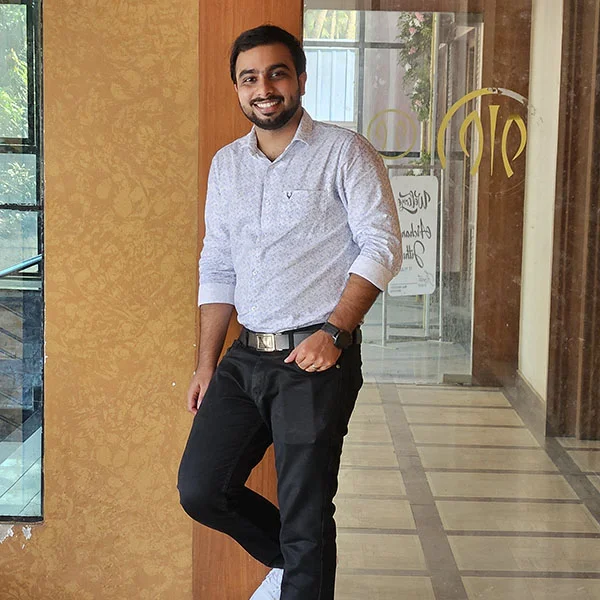
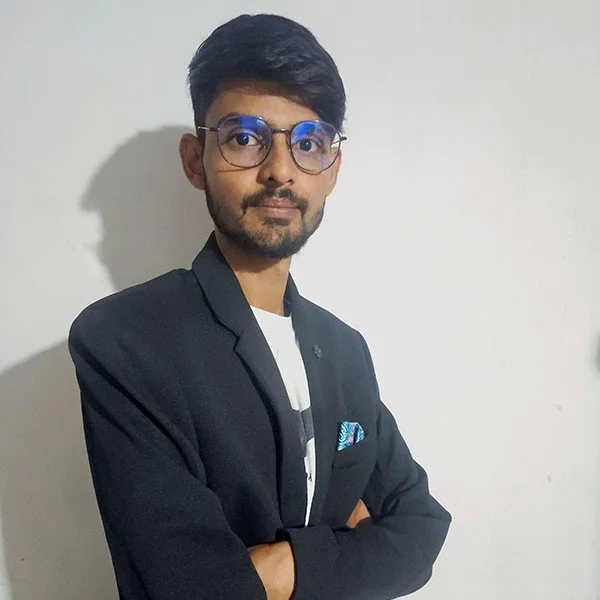
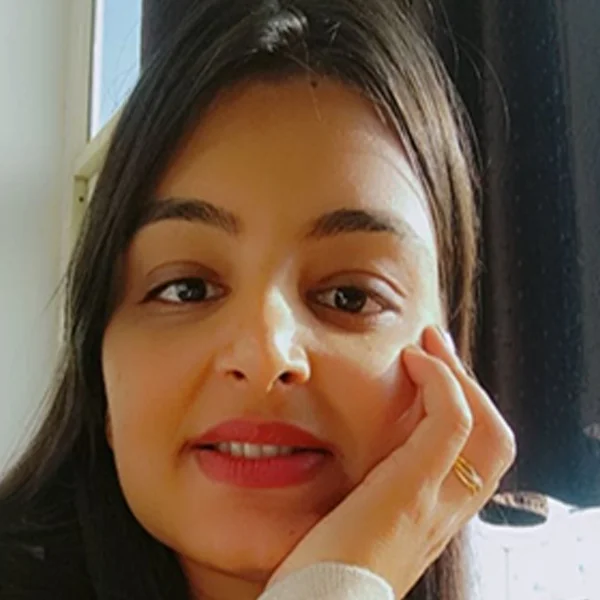
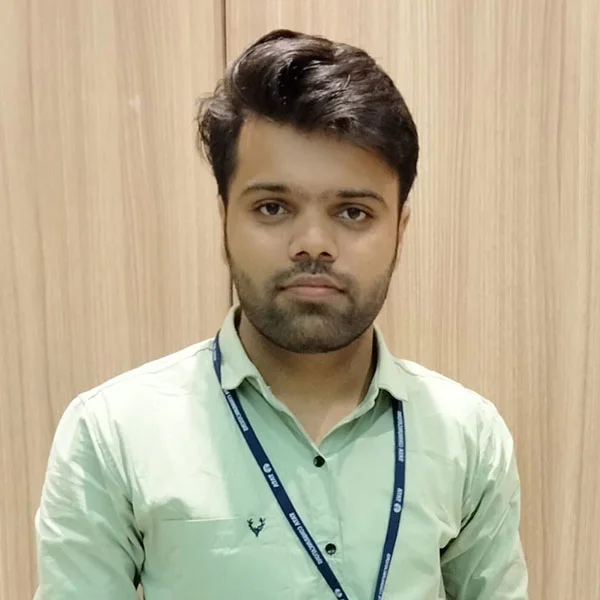
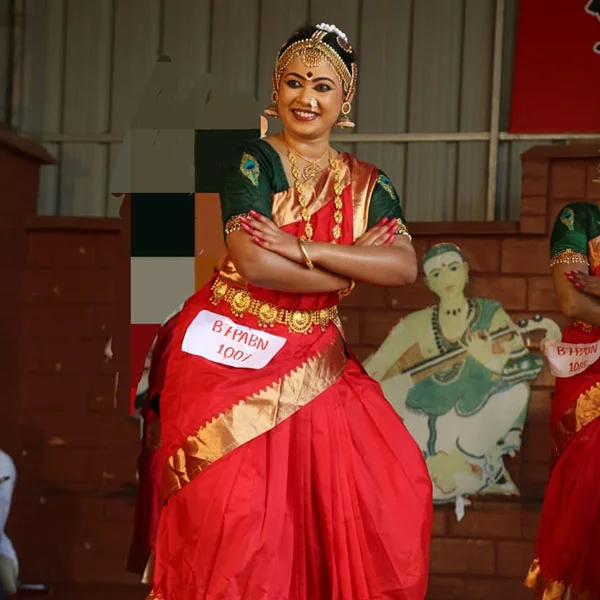
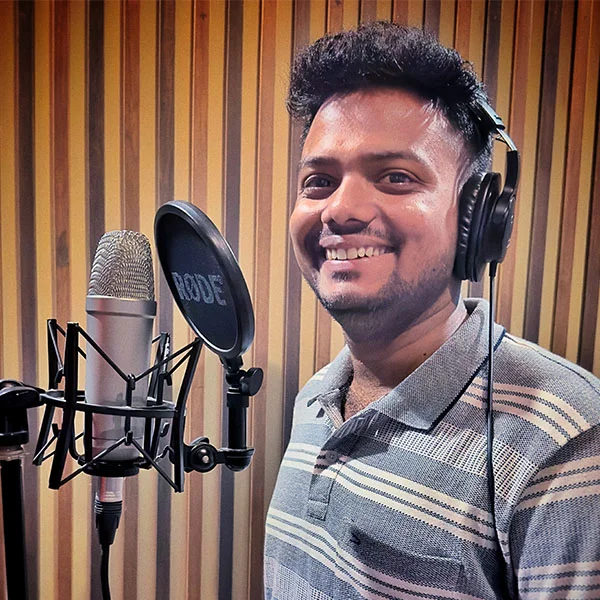
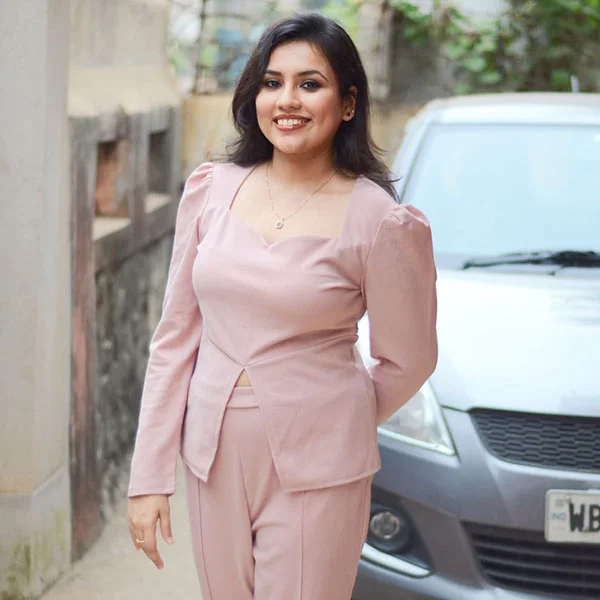
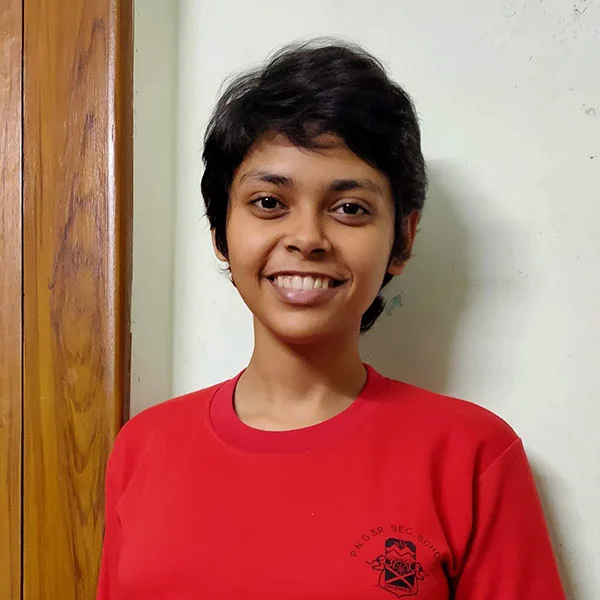
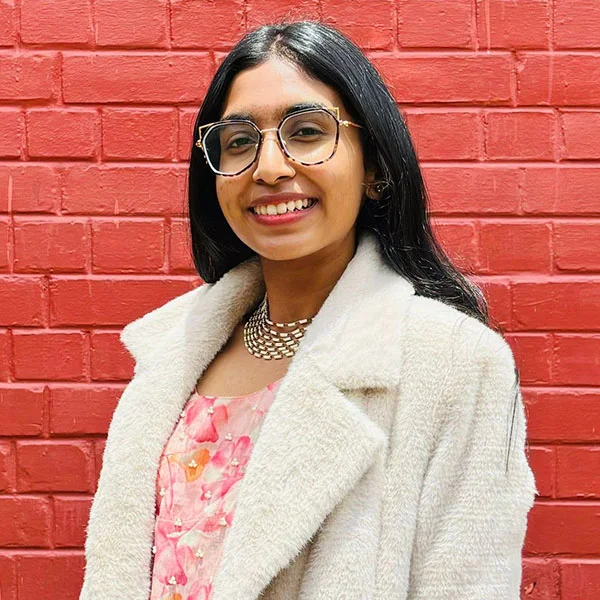
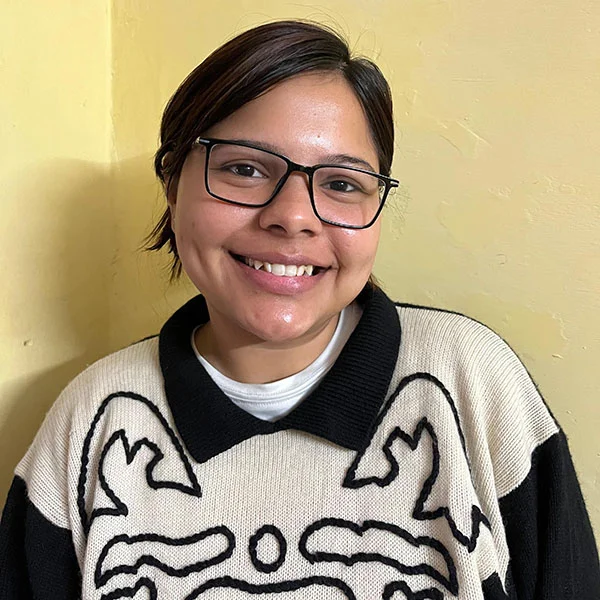
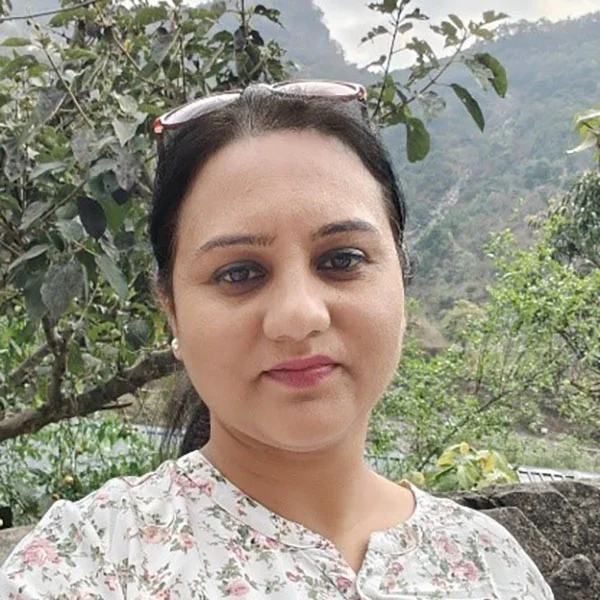
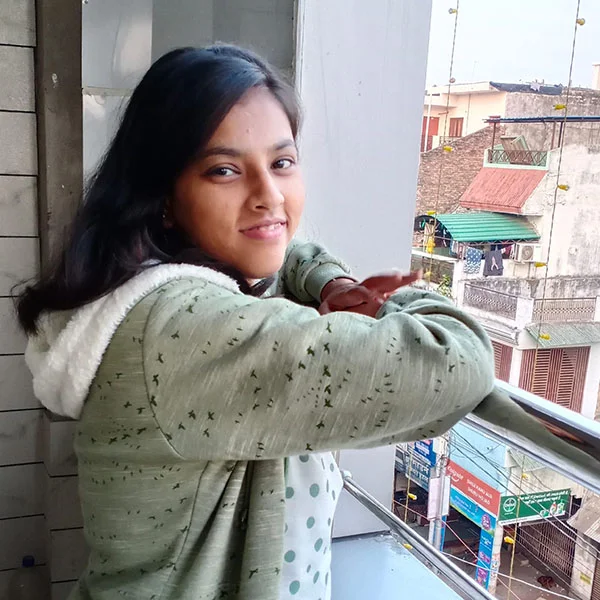
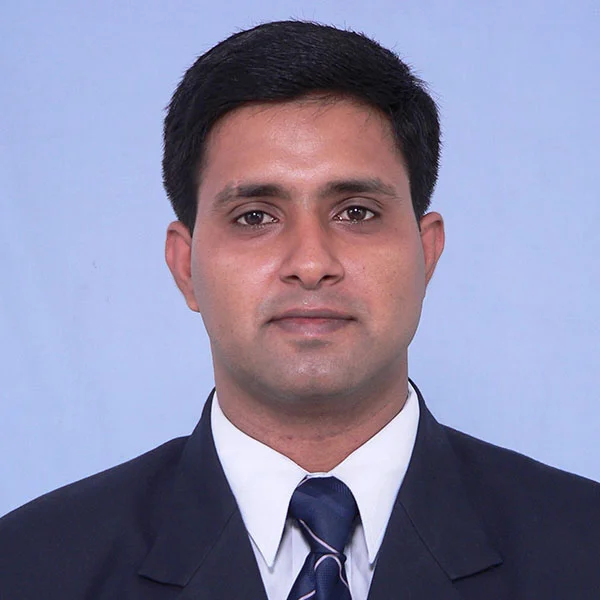
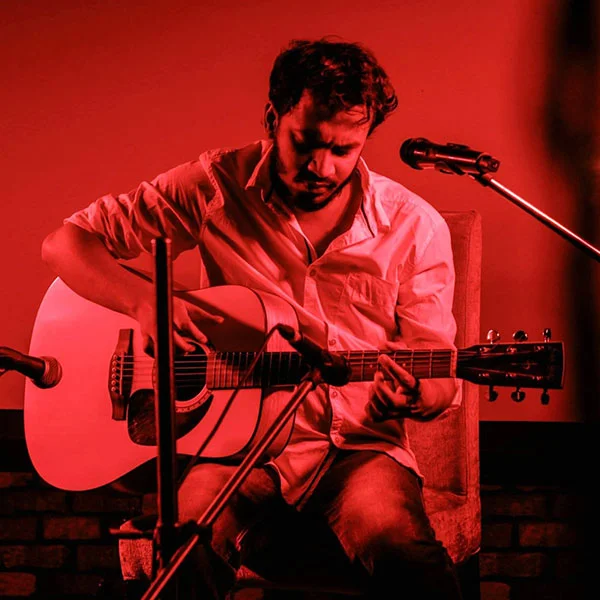
Meet our Teachers
Expert educators who connect, guide, and prepare students with special personalized care ❤️📚✨

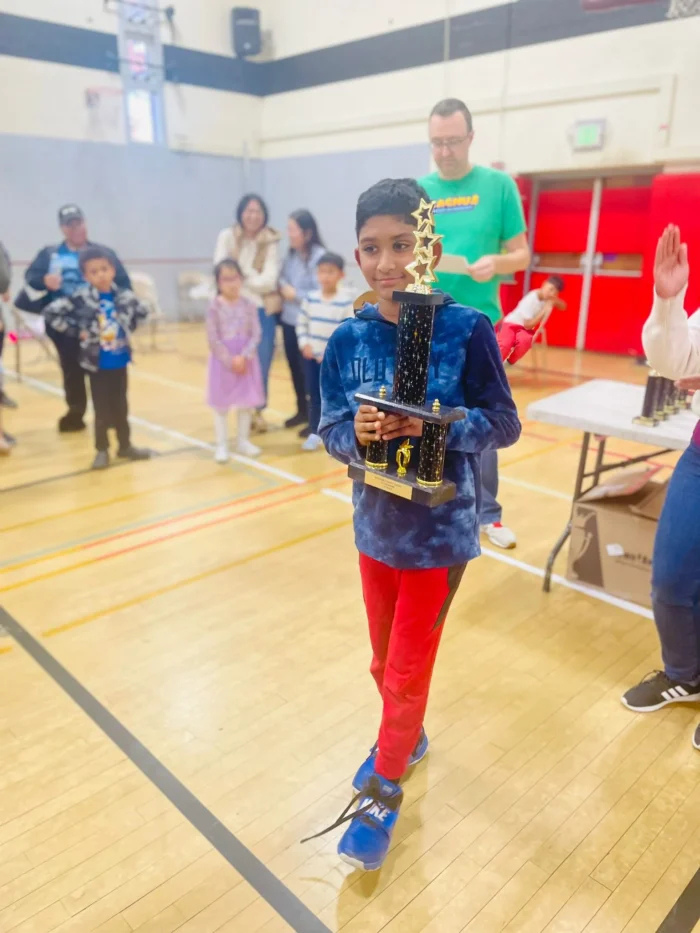
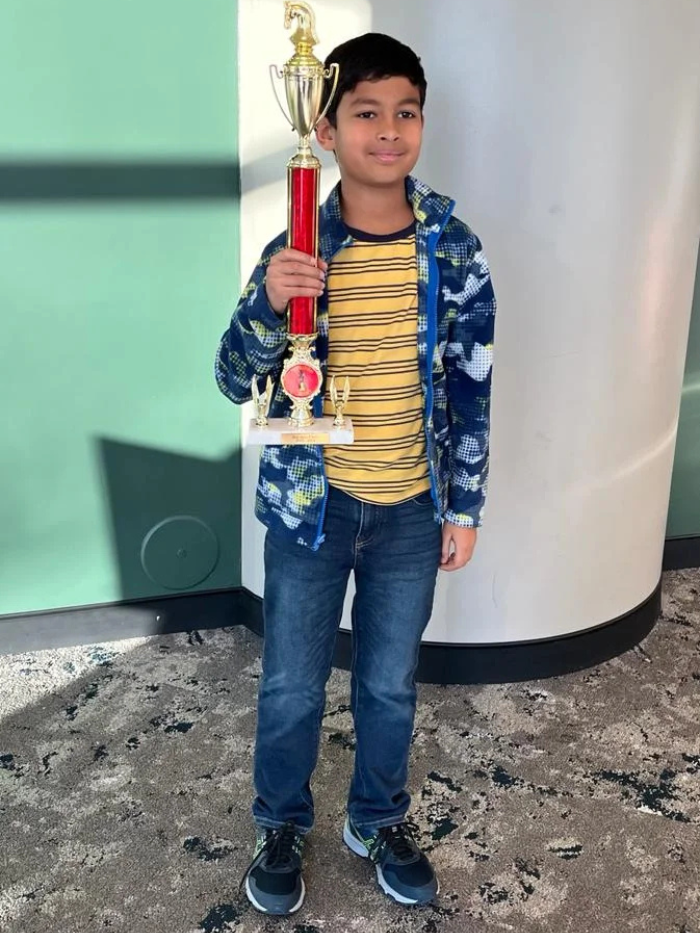
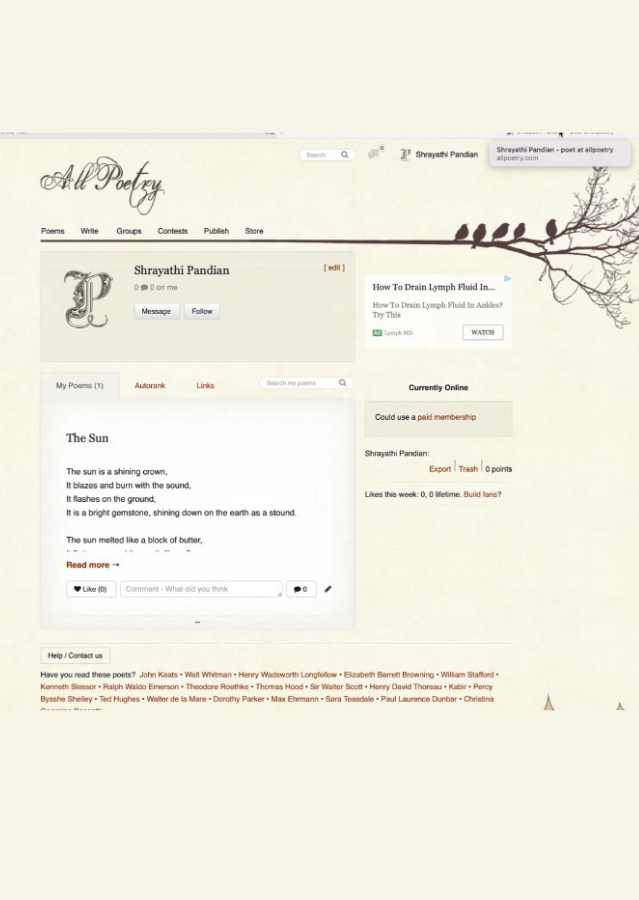
Student Achievements
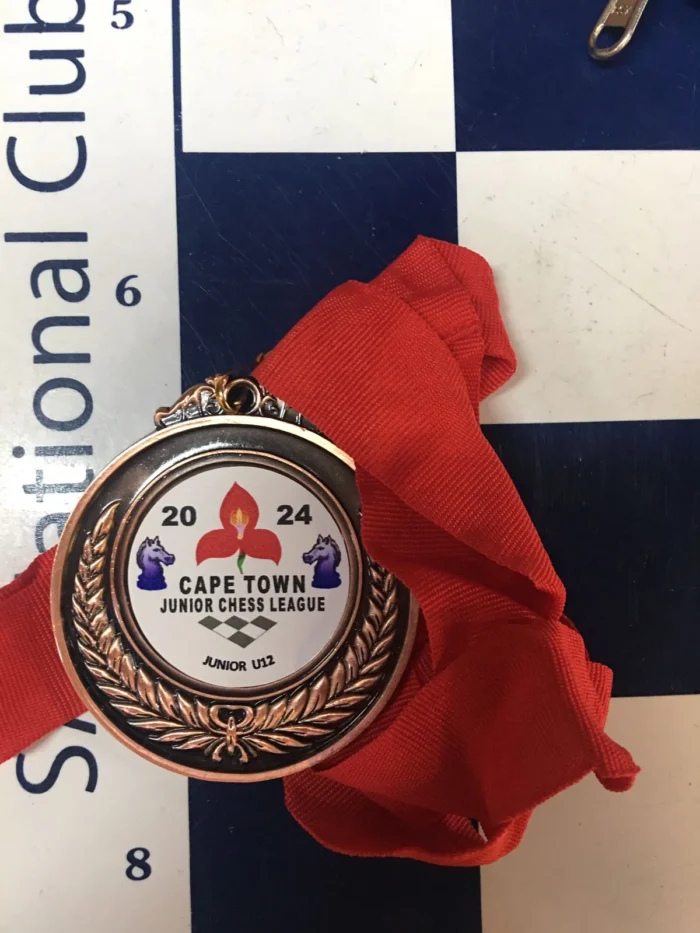
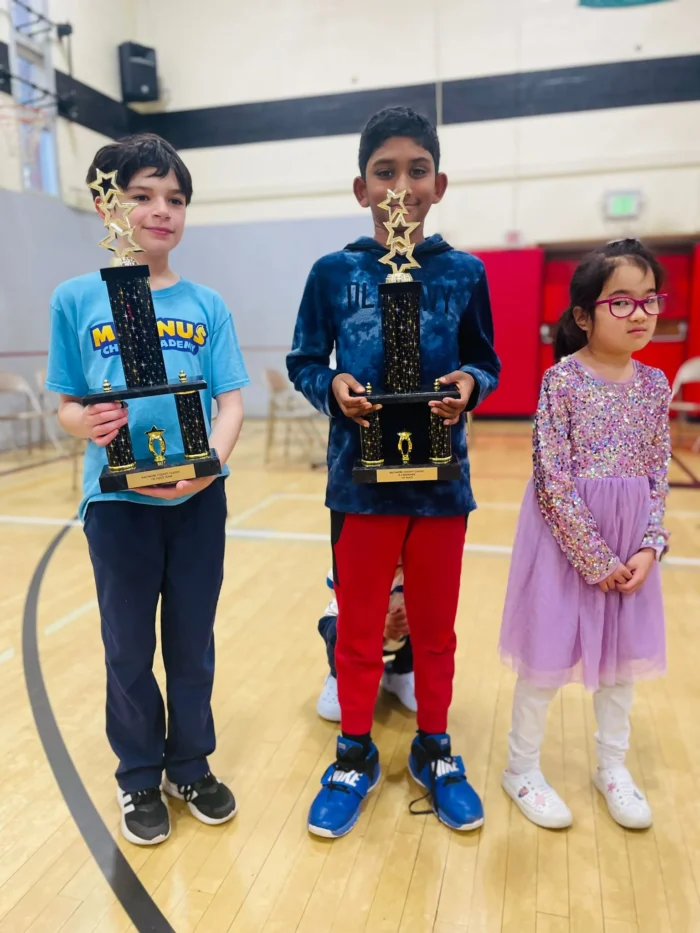
Making an Impact: 🏆 Student Achievements That Shine | 🌱 Your Growth. Our Mission.
What Our Parents Say About Us
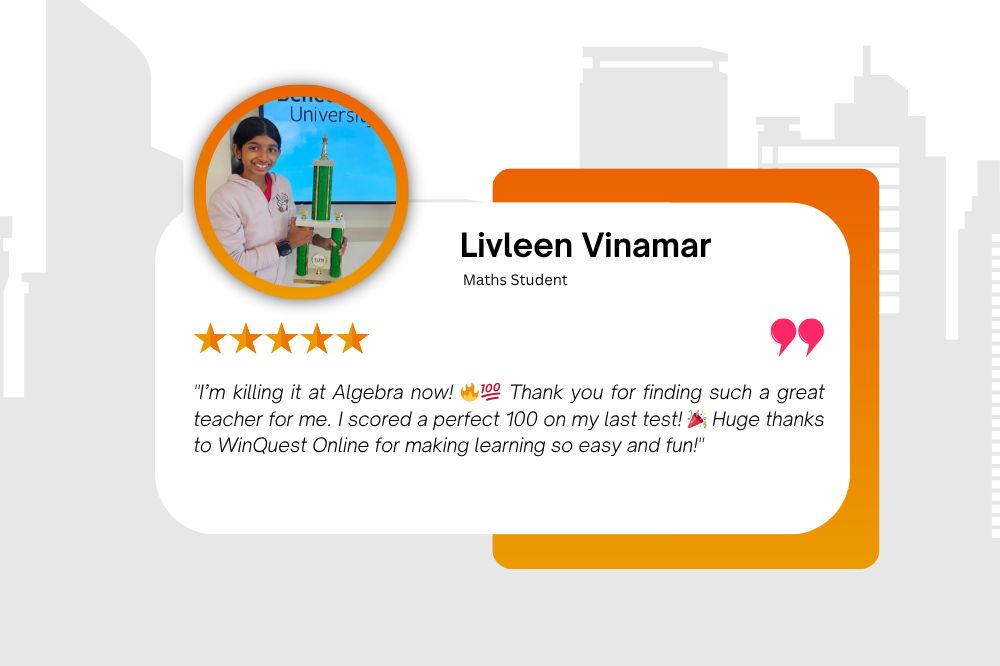
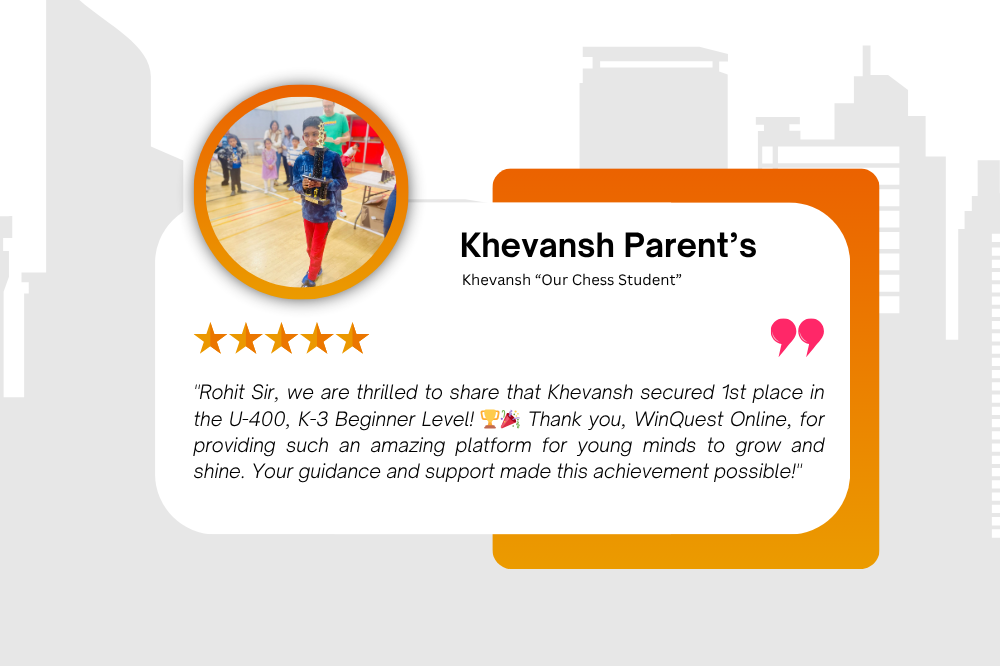
👪 Real Results. Real Parent Voices. 🏆 Futures Built with Care

Parent Testimonials
Success Stories That Speak 🌟🎓 Wins That Inspire Pride 🏆
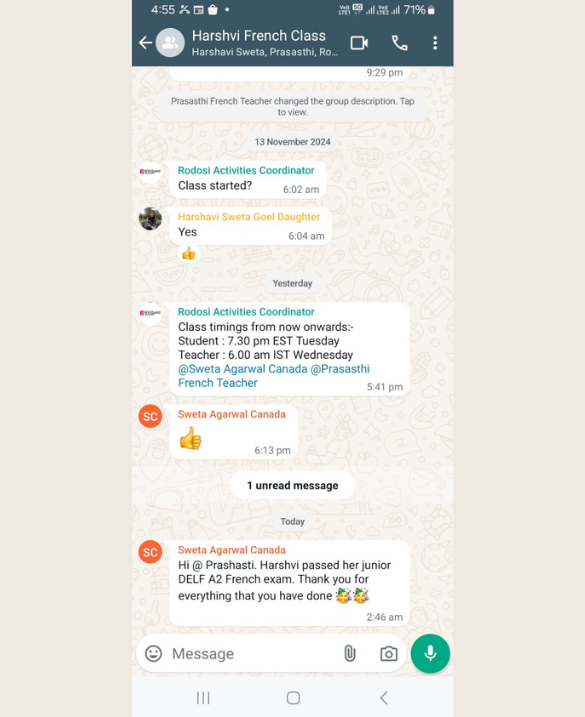
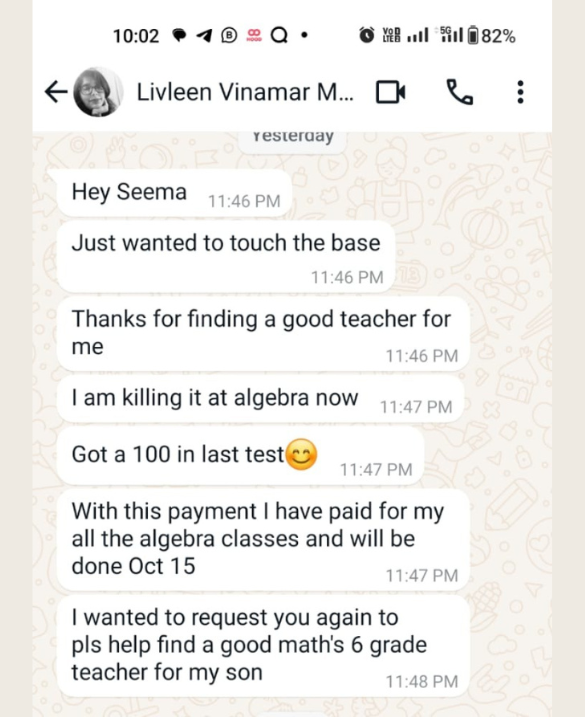
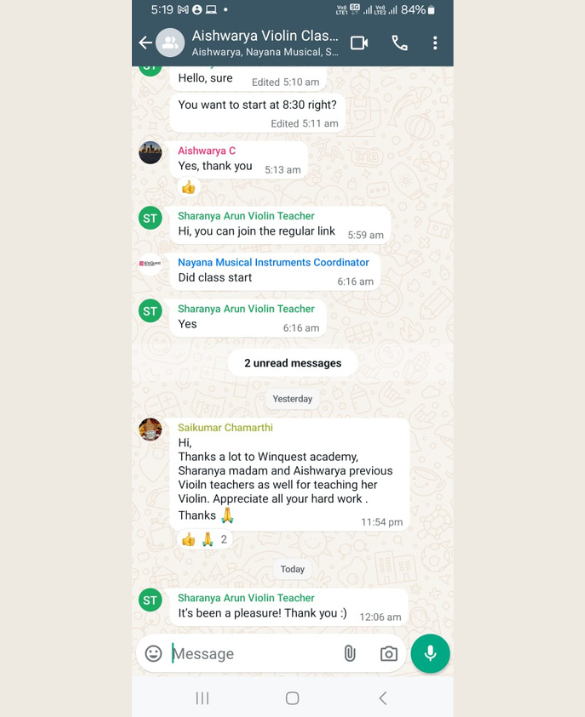
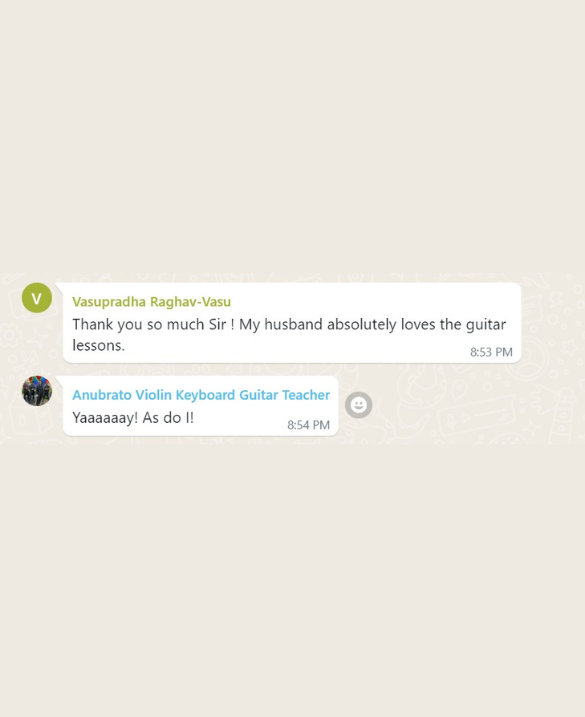
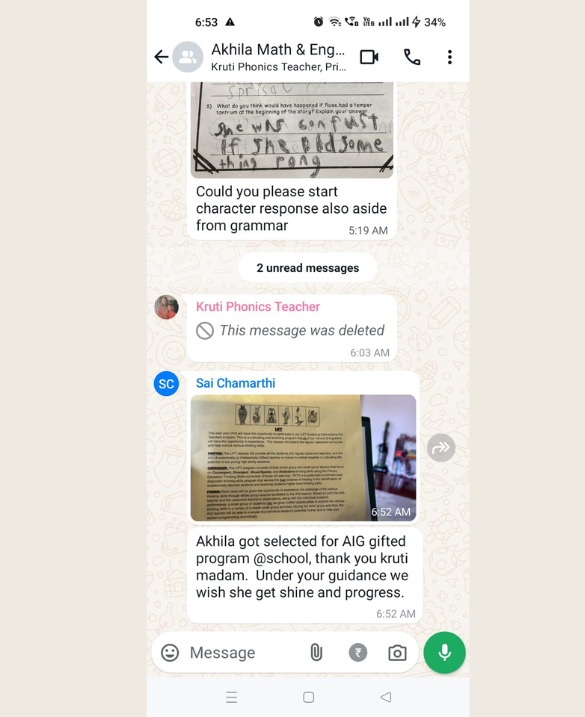
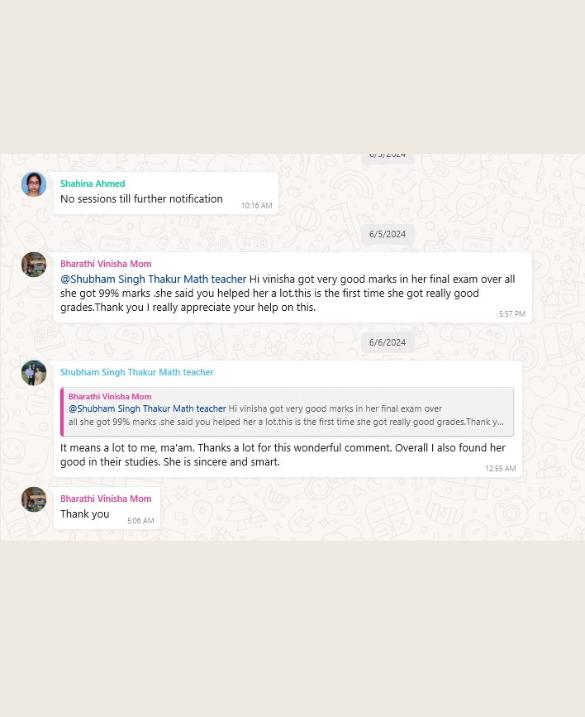
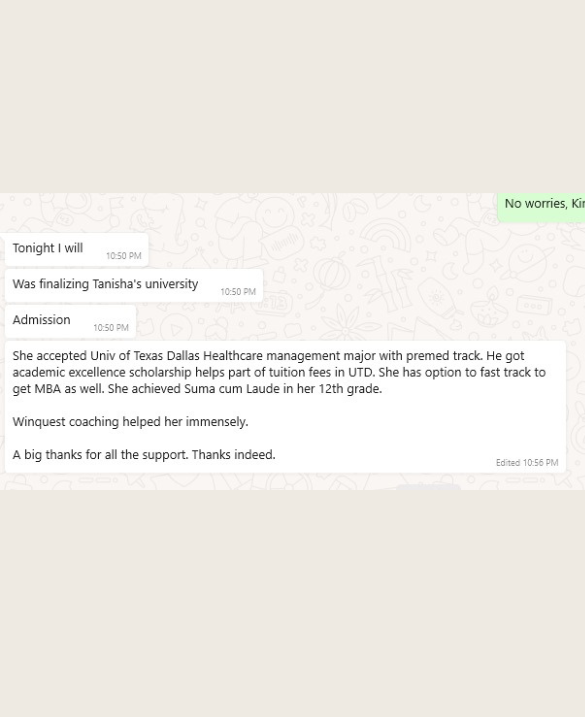
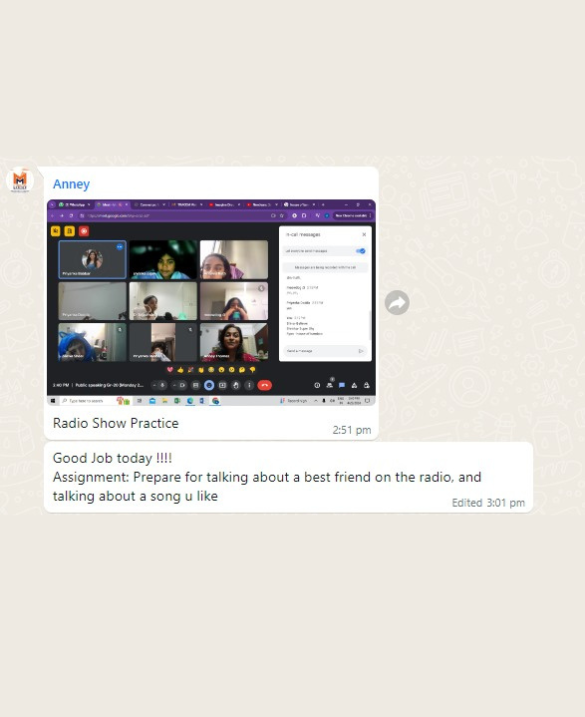
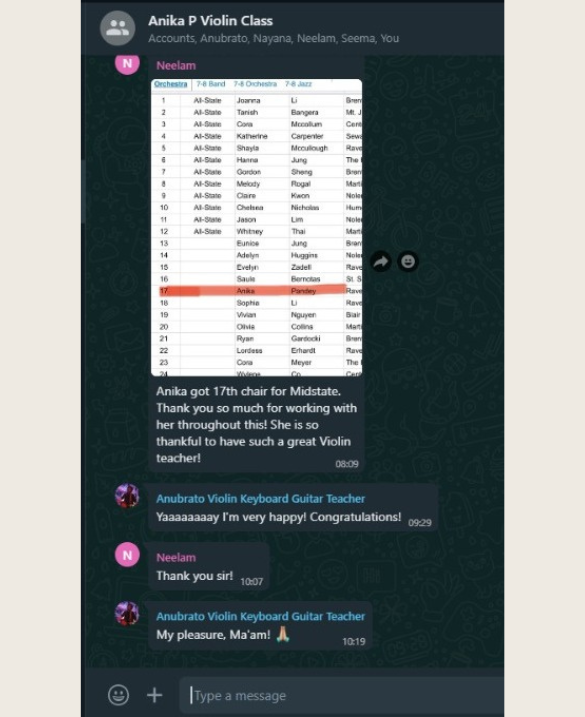
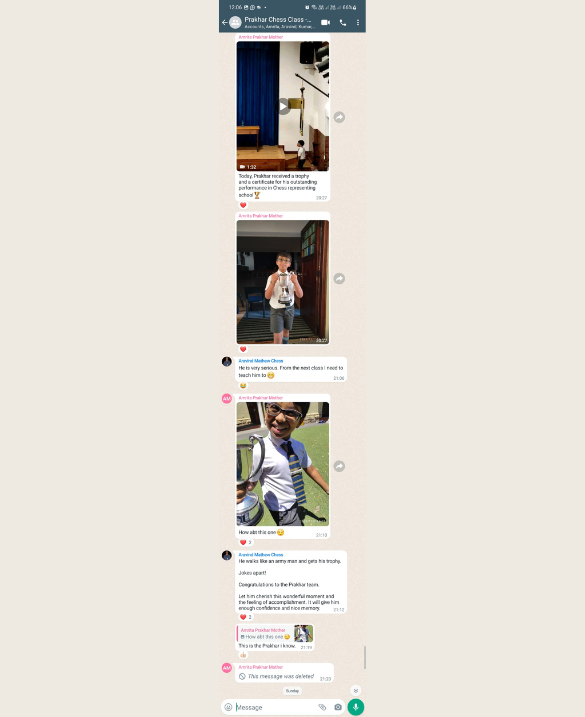
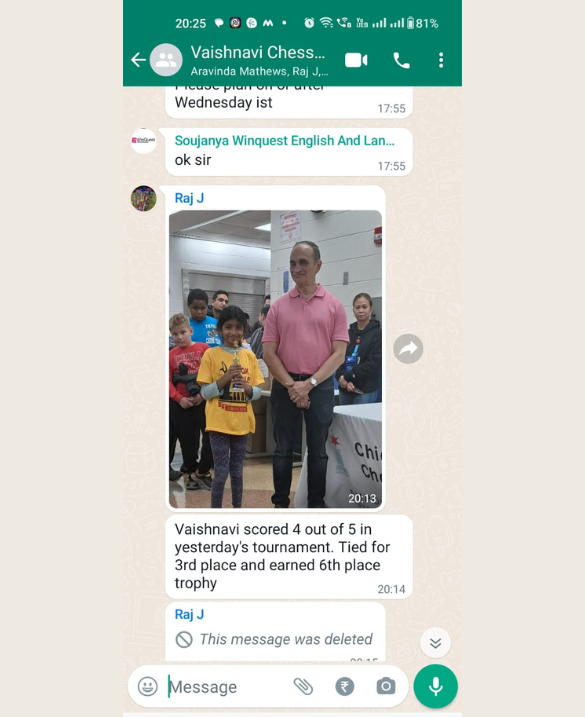
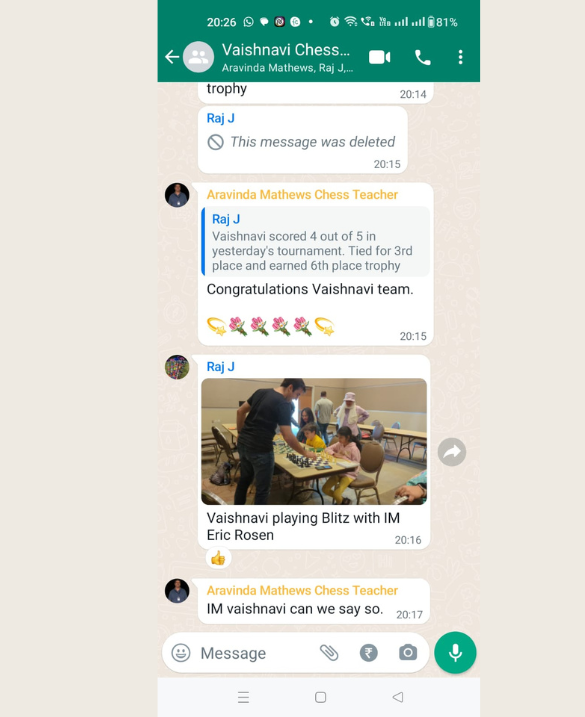
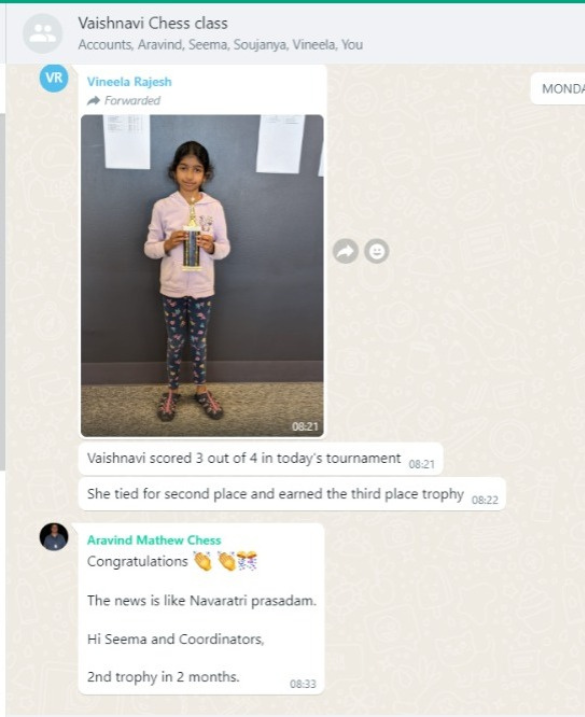
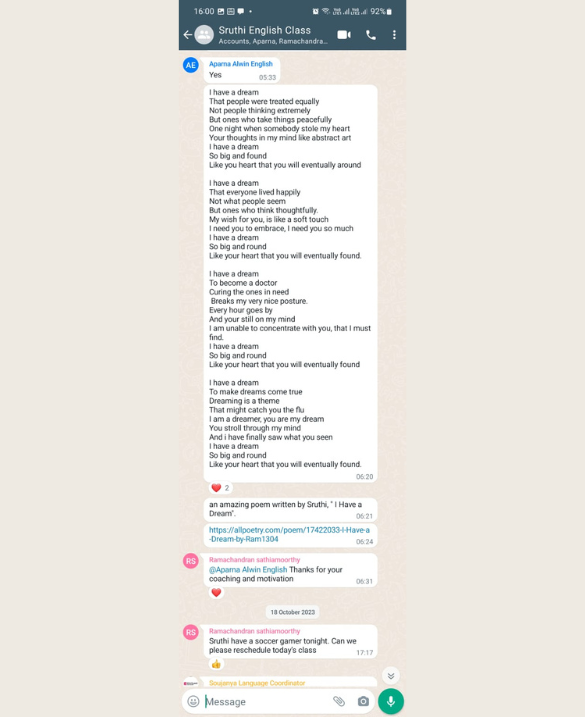
WhatsApp Testimonials
Real Voices from Our WhatsApp Community 💚📚
Latest News and Resources
📰 Learning Updates | 📘 Tips | 🎓 Resources | 💻 Online Courses