Course Details
AP Music Theory
AP Music Theory
Master the fundamentals of music theory and ace the AP exam with expert guidance.
Overview
Online Music Theory classes with ABRSM / Trinity / RSL certified teachers — covering notation, rhythm, scales and key signatures, intervals and chords, harmony and voice leading, ear training, analysis and composition — preparing students for the graded Music Theory exams of ABRSM, Trinity (TCL) and Rockschool (RSL), as well as AP Music Theory.
What You'll Learn
- Live interactive sessions
- 1st one-on-one session
- Comprehensive curriculum
- No long-term commitment
- Personalized learning plan
About the Curriculum
About the Curriculum+
- A brief on the three internationally recognized music institutions whose course structure we mostly follow for Western Music Students.
Associated Board of the Royal Schools of Music (ABRSM)+
- https://www.abrsm.org/en-in
- The Associated Board of the Royal Schools of Music (ABRSM) is an internationally recognized examination board based in the United Kingdom. Established in 1889, ABRSM is one of the leading institutions for music education and assessment worldwide.
- ABRSM provides a comprehensive curriculum for music students, offering graded exams and diplomas in various musical instruments, singing, and theory. The curriculum covers a wide range of musical genres and styles, ensuring a holistic development of musicianship. The graded exams consist of practical assessments, where candidates perform pieces, scales, and technical exercises, along with aural and sight-reading components.
- The ABRSM curriculum is structured into eight graded levels, starting from Initial and progressing through Grades 1 to 8. Each grade represents an incremental increase in difficulty, allowing students to develop their musical skills gradually. The curriculum emphasizes not only technical proficiency but also musical expression, interpretation, and aural awareness.
- In addition to traditional Western classical music, ABRSM incorporates diverse repertoire choices to cater to the varied interests of musicians. Successful completion of ABRSM exams is widely recognized and respected, providing a valuable benchmark for musical achievement and proficiency. The ABRSM curriculum serves as a valuable guide for music educators and students alike, promoting a systematic and well-rounded approach to music learning and assessment.
Trinity College London+
- https://www.trinitycollege.com/qualifications/music
- Trinity College London, commonly known as Trinity, is a renowned international examination board that focuses on the assessment and certification of musical and performing arts abilities. Established in 1877, Trinity has a rich history in providing high-quality examinations and certifications in various artistic disciplines.
- Trinity's music curriculum encompasses a diverse range of genres and styles, offering graded examinations for instruments, singing, and theory. The graded system consists of eight levels, from Initial to Grade 8, each representing a progressive stage of difficulty and musical proficiency. The curriculum covers practical elements, such as performance, technical exercises, and aural skills, ensuring a well-rounded evaluation of a candidate's musical abilities.
- One distinctive feature of Trinity's approach is its emphasis on contemporary and popular music alongside classical genres. This inclusion caters to the diverse interests of musicians and reflects the evolving landscape of musical expression. Trinity's assessments also include a focus on improvisation, allowing candidates to showcase their creativity and adaptability.
- In addition to graded exams, Trinity offers diplomas for advanced-level candidates seeking further recognition of their musical accomplishments. The qualifications awarded by Trinity College London are widely respected and recognized globally, providing musicians with a credible benchmark for their artistic achievements. Trinity's curriculum is designed to foster a holistic understanding of music, encouraging both technical proficiency and expressive artistry in performers and educators.
Rockschool Limited+
- https://www.rslawards.com/rockschool/
- Rockschool Limited is a leading music examination board that specializes in contemporary music genres, particularly rock and pop. Established in 1991, Rockschool has gained prominence for its innovative approach to music education, focusing on the diverse styles of popular music.
- The Rockschool curriculum offers graded examinations for electric guitar, bass guitar, drums, vocals, piano, and music theory. The graded system spans from Debut to Grade 8, providing a structured framework for students to develop their skills progressively. This approach ensures that learners are exposed to a variety of musical elements, including technical exercises, performance, and aural skills.
- One notable feature of Rockschool's curriculum is its contemporary repertoire, which is carefully curated to reflect current trends in rock, pop, metal, and other modern music genres. This emphasis on relevance and inclusivity allows students to engage with music that resonates with their interests, making the learning experience more enjoyable and motivating.
- Rockschool examinations often incorporate real-world music scenarios, such as playing in a band or recording a track, providing a practical and immersive assessment experience. This approach aligns with the demands of the modern music industry and prepares students for real-world performance situations.
- Overall, Rockschool's curriculum is designed to cater to the evolving landscape of popular music, making it a popular choice for students looking to pursue contemporary styles and genres in their musical education.
AP Music Theory+
- https://apstudents.collegeboard.org/courses/ap-music-theory
- AP Music Theory is an advanced high school course designed to provide students with a comprehensive understanding of music theory concepts and skills at a college-level standard. The course covers a wide range of topics, including notation, scales and key signatures, harmony and voice leading, composition, analysis, aural skills, and sight-singing. Students learn to analyze and interpret music from various styles and time periods, develop critical listening skills, and apply theoretical knowledge to practical musical tasks such as composition and performance. The curriculum prepares students for the AP Music Theory exam, which assesses their understanding of music theory through multiple-choice questions, free-response questions, sight-singing, and aural skills exercises. Successful completion of the course and a passing score on the exam may earn students college credit and demonstrate their proficiency in music theory to colleges and universities.
Level 1: Introduction to Music Theory
Exam Preparation Target+
- Prep for ABRSM Music Theory Grade 1
- Prep for Trinity Music Theory Grade 1
- Prep for RSL Music Theory Debut and Grade 1
Prerequisites+
- No prior knowledge of music theory required.
- Basic understanding of reading and writing skills.
- Interest in learning about music notation and theory.
Basics of Notation+
- Introduction to the staff, clefs (treble and bass), and note values (whole, half, quarter, eighth).
- Identifying notes on the staff and understanding their duration.
Rhythm and Meter+
- Understanding time signatures (4/4, 3/4) and basic rhythmic patterns.
- Practicing counting rhythms and clapping exercises.
Scales and Key Signatures+
- Introduction to major scales (C, G, D, F) and their key signatures.
- Identifying tonic, dominant, and subdominant notes within scales.
Intervals and Chords+
- Learning about intervals (unison, second, third) and their qualities (major, minor).
- Introduction to basic triads (major, minor) and their inversions.
Ear Training+
- Recognizing intervals and simple melodies by ear.
- Call and response exercises to develop listening skills.
Learning Outcomes+
- Develop foundational understanding of music theory, including notation, rhythm, scales, intervals, chords, and ear training.
- Read and interpret basic musical notation.
- Perform rhythmic patterns accurately.
- Identify key signatures and scales.
- Recognize intervals and chords.
- Demonstrate basic ear training skills.
Level 2: Intermediate Music Theory
Exam Preparation Target+
- Prep for Rockschool Music Theory Grade 2, Rockschool Music Theory Grade 3, and Rockschool Music Theory Grade 4
- Prep for Trinity Music Theory Grade 2, Trinity Music Theory Grade 3, and Trinity Music Theory Grade 4
- Prep for ABRSM Music Theory Grade 2, ABRSM Music Theory Grade 3 and ABRSM Music Theory Grade 4
Prerequisites+
- Completion of a foundational music theory course or equivalent knowledge.
- Proficiency in basic music notation, rhythm, scales, intervals, and chords.
- Familiarity with reading and interpreting musical scores.
Advanced Notation+
- Studying complex rhythms including dotted notes, syncopation, and ties.
- Introduction to ledger lines and extended note values.
Harmony and Chord Progressions+
- Building upon triads to learn about seventh chords (major 7th, dominant 7th).
- Analyzing chord progressions in popular songs and classical pieces.
Modes and Minor Scales+
- Introduction to natural, harmonic, and melodic minor scales.
- Understanding modes (Ionian, Dorian, Aeolian) and their characteristics.
Melodic Dictation+
- Practicing transcribing melodies by ear, focusing on pitch and rhythm accuracy.
- Dictation exercises with increasing complexity.
Form and Structure+
- Exploring musical forms such as binary, ternary, and rondo forms.
- Analyzing compositions to identify structural elements.
Learning Outcomes+
- Develop advanced skills in music notation, including the ability to read and interpret complex rhythms, dotted notes, syncopation, and ties.
- Understand advanced concepts in harmony, including seventh chords (major 7th, dominant 7th) and their inversions, and analyze chord progressions in diverse musical repertoire.
- Gain proficiency in understanding and applying modes (Ionian, Dorian, Aeolian) and minor scales (natural, harmonic, melodic).
- Improve their ability to transcribe melodies by ear accurately, focusing on pitch and rhythm precision, and tackle dictation exercises of increasing complexity.
- Explore various musical forms such as binary, ternary, and rondo forms, and analyze compositions to identify structural elements, enhancing their understanding of musical form and structure.
Level 3: Advanced Music Theory
Exam Preparation Target+
- Prep for Rockschool Music Theory Grade 5, Rockschool Music Theory Grade 5, Rockschool Music Theory Grade 7, and Rockschool Music Theory Grade 8
- Prep for Trinity Music Theory Grade 5, Trinity Music Theory Grade 5, Trinity Music Theory Grade 7, and Trinity Music Theory Grade 8
- Prep for ABRSM Music Theory Grade 5, ABRSM Music Theory Grade 5, ABRSM Music Theory Grade 7, and ABRSM Music Theory Grade 8
Prerequisites+
- Completion of intermediate-level music theory coursework or equivalent knowledge.
- Proficiency in music notation, rhythm, scales, intervals, chords, and basic harmonic concepts.
- Familiarity with reading and interpreting musical scores across various styles and time periods.
Advanced Harmony+
- Studying extended chords (augmented 7th, diminished 7th) and their inversions.
- Introduction to modulation and chromatic harmony.
Counterpoint+
- Learning about species counterpoint and contrapuntal techniques.
- Writing and analyzing simple contrapuntal exercises.
Analysis and Score Reading+
- Analyzing complex compositions from various musical periods (Baroque, Classical, Romantic).
- Score reading exercises to improve sight-reading skills.
Composition and Arranging+
- Introduction to composition techniques and principles.
- Arranging existing melodies or harmonies for different instruments or voices.
Music Theory in Practice+
- Integration of theoretical knowledge into practical music-making.
- Collaborative projects and performances incorporating theoretical concepts learned.
Learning Outcomes+
- Gain an advanced understanding of harmony, including extended chords (augmented 7th, diminished 7th) and their inversions, modulation, and chromatic harmony.
- Develop skills in counterpoint, including knowledge of species counterpoint and contrapuntal techniques, and the ability to write and analyze simple contrapuntal exercises.
- Enhance their analytical abilities by analyzing complex compositions from different musical periods (Baroque, Classical, Romantic), and improve sight-reading skills through score reading exercises.
- Acquire knowledge of composition techniques and principles, and develop the ability to arrange existing melodies or harmonies for various instruments or voices.
- Apply theoretical knowledge to practical music-making by integrating theoretical concepts into collaborative projects and performances, fostering creativity and musical expression.
Advanced Placement — Music Theory
Exam Preparation Target+
- Prep for AP Music Theory Exam
Prerequisites+
- No prior formal music theory training required, although some basic familiarity with musical concepts may be beneficial.
- Ability to read and understand musical notation.
- Interest in learning about music theory and developing a deeper understanding of musical concepts.
Unit 1: Fundamentals of Music Theory+
- 1. Basic Elements of Music: Introduction to pitch, rhythm, dynamics, and timbre. Understanding the staff, clefs, and basic notation.
- 2. Scales and Key Signatures: Major and minor scales, including modes. Circle of fifths and key signature relationships.
- 3. Intervals and Chords: Identification and construction of intervals. Triads, seventh chords, and their inversions.
Unit 2: Melodic and Rhythmic Dictation+
- 1. Melodic Dictation: Transcribing melodies by ear, focusing on pitch and rhythm. Recognizing and notating melodic patterns.
- 2. Rhythmic Dictation: Notating rhythmic patterns and subdivisions accurately. Syncopation and complex rhythmic structures.
Unit 3: Harmony and Voice Leading+
- 1. Chord Progressions: Functional harmony and common chord progressions. Analysis of harmonic function in classical and popular music.
- 2. Voice Leading: Principles of smooth voice leading in four-part writing. Cadences and harmonic resolutions.
Unit 4: Part Writing and Analysis+
- 1. Four-Part Writing: Writing harmonizations of given melodies in four-part texture. Application of voice leading rules.
- 2. Analysis: Analyzing harmonic progressions and formal structures in compositions. Roman numeral and figured bass analysis.
Unit 5: Composition and Musical Styles+
- 1. Composition Projects: Composing short pieces in various styles (Baroque, Classical, Romantic, Contemporary). Applying knowledge of harmony, melody, and form.
- 2. Stylistic Analysis: Examining characteristics of different musical styles. Analyzing representative compositions from each style period.
Unit 6: Aural Skills and Sight Singing+
- 1. Aural Skills Development: Identifying chords, intervals, and chord progressions by ear. Transcribing short excerpts and melodies.
- 2. Sight Singing: Sight singing exercises focusing on pitch accuracy and rhythmic precision. Sight reading melodies in various clefs.
Unit 7: AP Exam Preparation+
- 1. Practice Exams and Review: Mock AP Music Theory exams to simulate exam conditions. Review sessions covering key concepts and strategies for success.
- 2. Test-Taking Strategies: Tips for pacing, organization, and effective use of time during the exam. Strategies for answering multiple-choice, free-response, and sight-singing questions.
Unit 8: Performance and Presentation+
- 1. Final Projects: Presentation of composition projects and analytical essays. Performance of sight singing and aural skills exercises.
- 2. Reflection and Feedback: Self-assessment and peer feedback on individual progress. Reflection on personal growth and achievement in music theory skills.
Learning Outcomes+
- Develop a comprehensive understanding of fundamental music theory concepts, including pitch, rhythm, dynamics, timbre, scales, key signatures, intervals, chords, and notation.
- Improve their skills in melodic and rhythmic dictation, being able to transcribe melodies and rhythmic patterns accurately by ear.
- Gain proficiency in harmony and voice leading, including the analysis of chord progressions and harmonic function in classical and popular music.
- Learn how to write harmonizations in four-part texture and analyze harmonic progressions using Roman numerals and figured bass.
- Enhance their composition skills by creating short pieces in various musical styles and analyzing representative compositions from different style periods.
- Develop aural skills and sight singing abilities, including identifying chords, intervals, and chord progressions by ear, and sight reading melodies in various clefs.
- Prepare effectively for the AP Music Theory exam through practice exams, review sessions, and test-taking strategies, with a focus on pacing and organization during the exam.
- Showcase their understanding and skills through final projects, including composition presentations, analytical essays, and performances of sight singing and aural skills exercises, while reflecting on their personal growth and achievement in music theory.
Requirements
- No prior knowledge of music theory required.
- Basic understanding of reading and writing skills.
- Interest in learning about music notation and theory.
- A laptop / desktop to connect to
- Stable internet connection
Reviews
4.8 / 5 ★ · 150+ students enrolled
Parents consistently rate our mentors for personalised attention, clear concepts and steady progress. Book a free demo to experience a class first-hand.
Frequently Asked Questions
How do I get started?+
Book a free demo/trial class. Our team helps you pick the right level and schedule, then you choose a plan and begin live classes.
How does payment work?+
You pay only for the classes you book, in advance, for a chosen calendar period. You select your preferred payment method during the initial setup — no hidden charges.
What if I miss a class?+
Missed classes can be rescheduled with prior notice, subject to tutor availability. Recordings/notes are shared where applicable.
Do I need to sign any contract?+
No long-term contract. Classes are flexible and you can continue, pause or stop based on your needs.
How do I track my child's progress?+
Tutors share regular feedback and assessments, and you can request progress updates any time. A coordinator stays in touch throughout.
If my child doesn't enjoy the classes, is there a refund?+
Yes — we follow a flexible refund policy. If it is not the right fit early on, unused, eligible classes can be refunded as per our Refund Policy.
Is previous experience required?+
No. Beginner levels start from the basics. Higher levels have recommended prerequisites listed under the Requirements tab.
How are classes conducted?+
Live, interactive online sessions (one-to-one or small groups) with expert mentors, plus post-class mentoring support.
Is the schedule flexible / does it work across time zones?+
Yes. Classes are scheduled to suit you, including across different time zones — pick your preferred slots.
Will I get a certificate after completion?+
Yes, a course completion certificate is provided on finishing the level.
Meet our Teachers
Expert educators who connect, guide, and prepare students with special personalized care ❤️📚✨















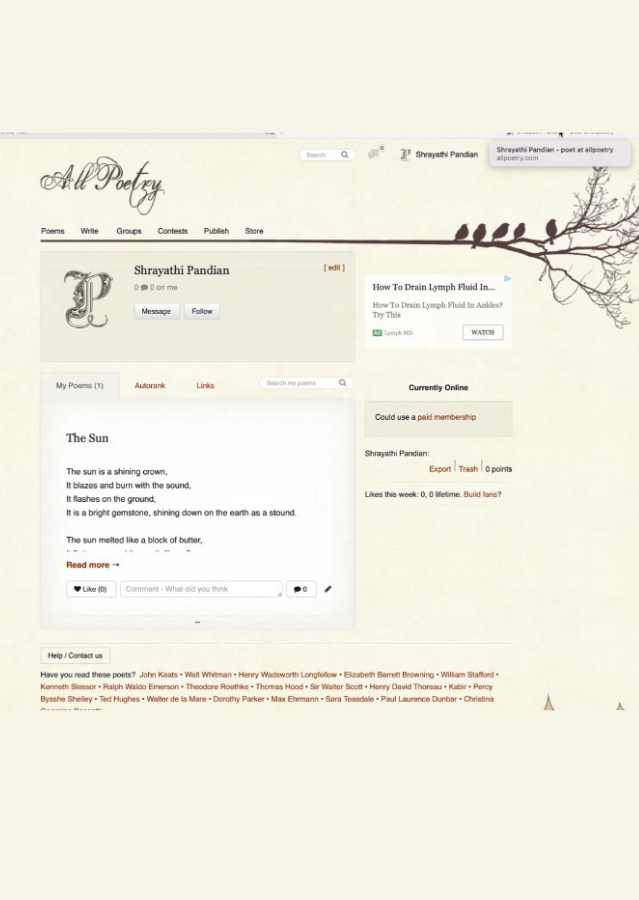
Student Achievements
Making an Impact: 🏆 Student Achievements That Shine | 🌱 Your Growth. Our Mission.




What Our Parents Say About Us
👪 Real Results. Real Parent Voices. 🏆 Futures Built with Care



Parent Testimonials
Success Stories That Speak 🌟🎓 Wins That Inspire Pride 🏆
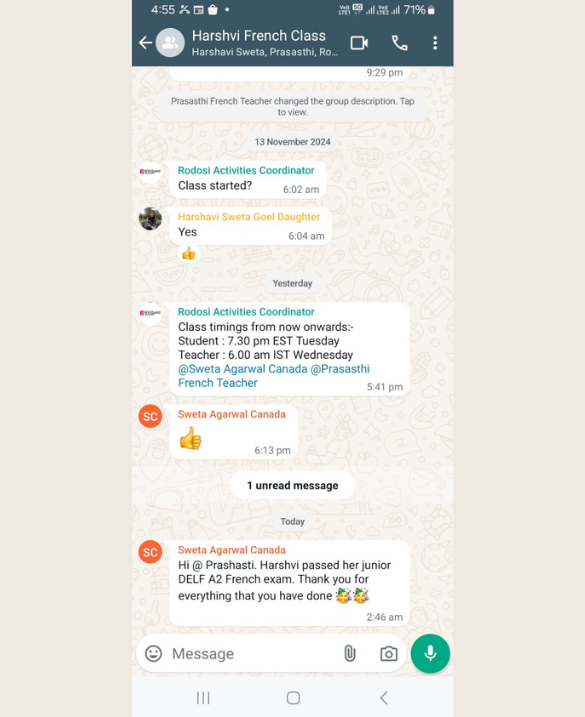
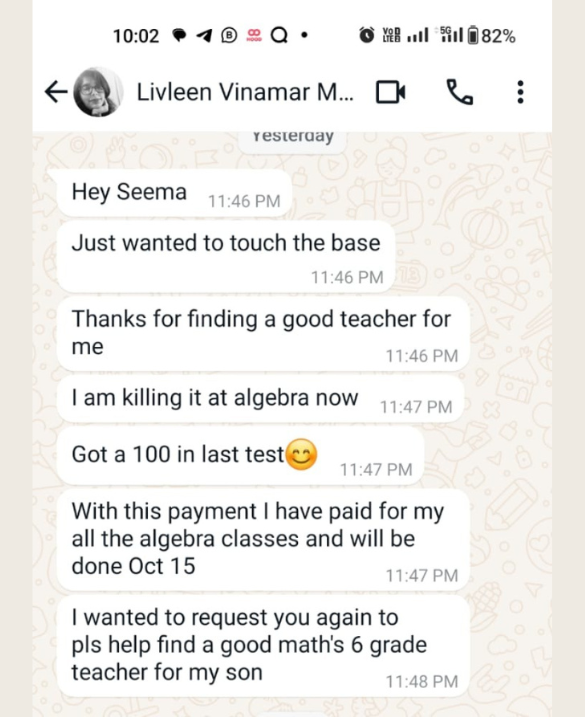
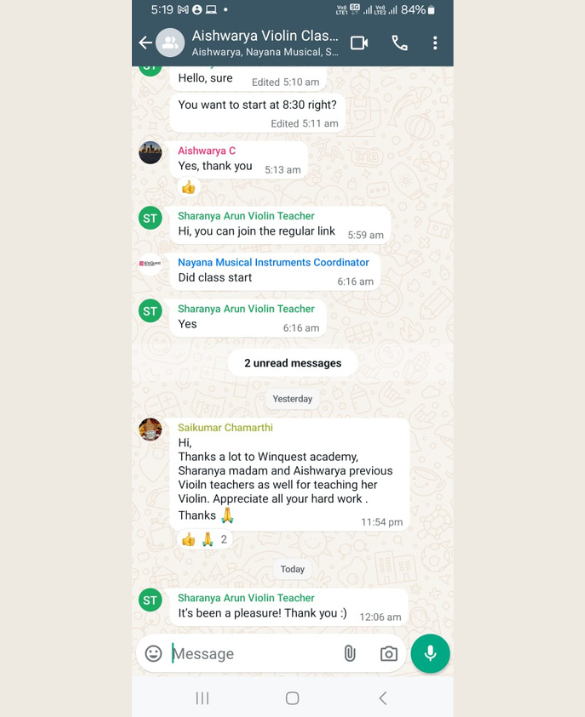
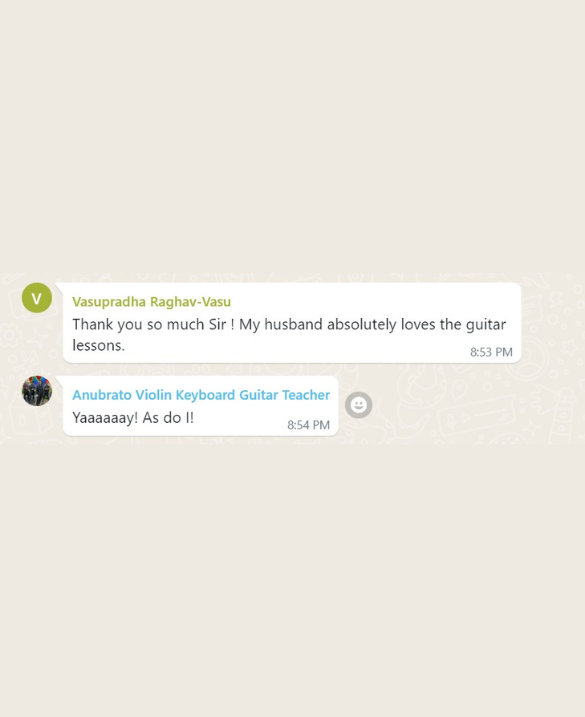
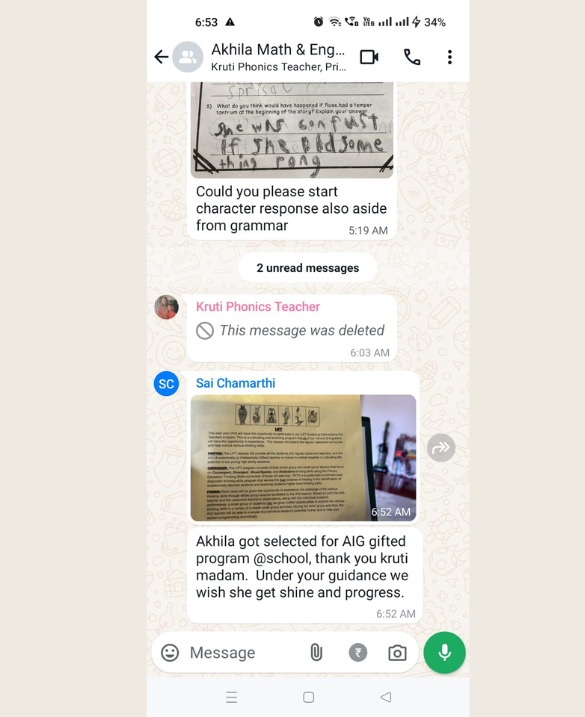
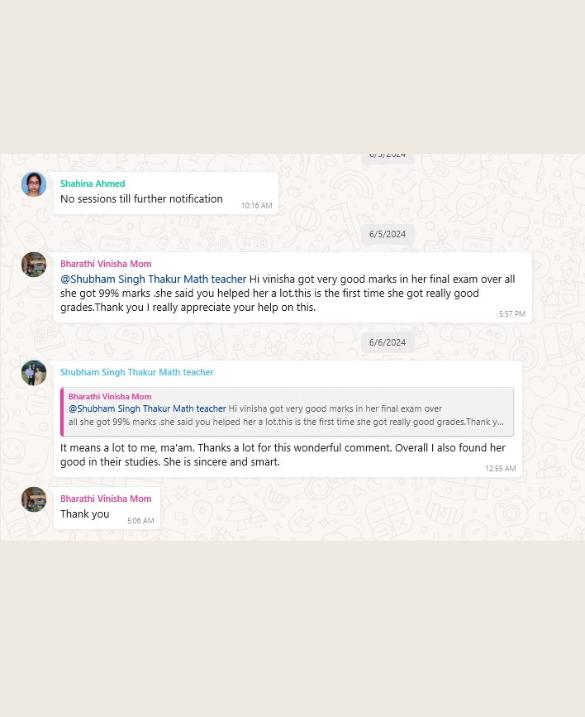
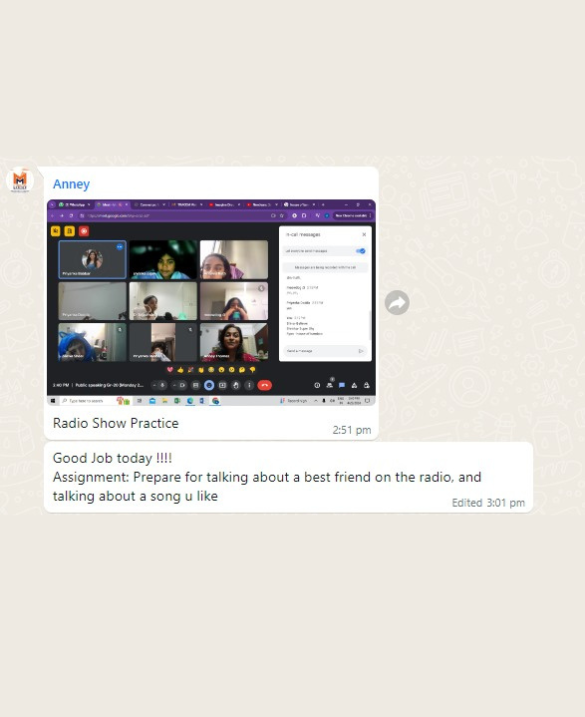
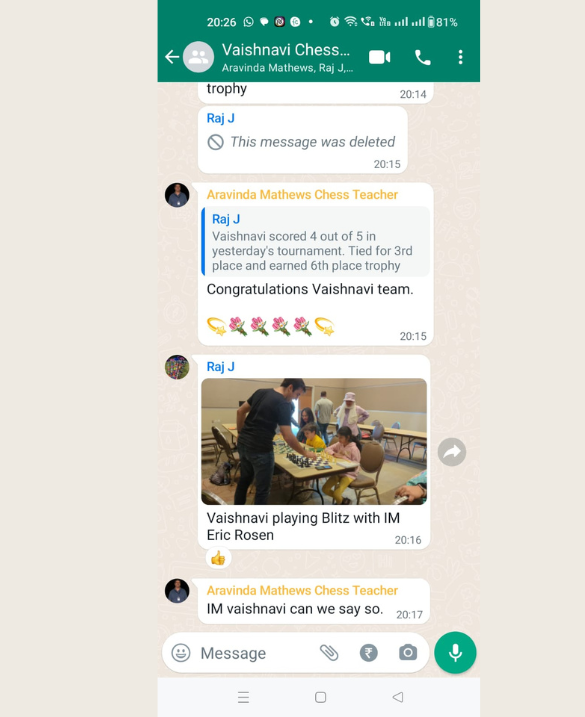
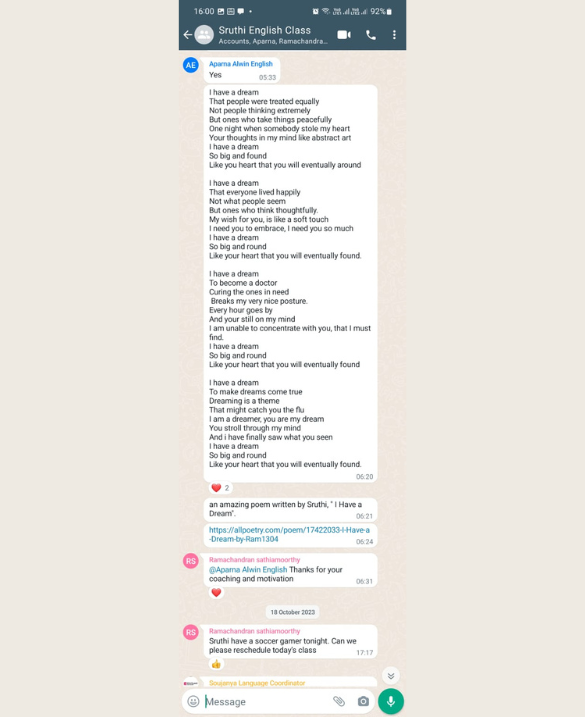
WhatsApp Testimonials
Real Voices from Our WhatsApp Community 💚📚





Latest News and Resources
📰 Learning Updates | 📘 Tips | 🎓 Resources | 💻 Online Courses

Instagram Feed
A glimpse into our classes, creativity, and student success—straight from our Instagram feed 📷✨


