
Course Details
French
French
Master the language of love and global diplomacy with expert-led sessions.
Why Choose Online French Classes?
Overview
WinQuest Online French - live 1:1 or small-group classes mapped to the major French syllabuses your child may follow: the international DELF / DALF / CEFR ladder (A1 -> C2, awarded by France's Ministere de l'Education Nationale), US Common Core / ACTFL World Languages standards (Grade 7-12), CBSE and ICSE French as a third / foreign language (Grade 7-12), Cambridge IGCSE French Foreign Language 0520 (Year 10-11) and Cambridge AS / A-level French 9716 (Year 12-13). Tell us which path your child follows and the tutor adapts the lesson plan from day one.
What You'll Learn
- Live interactive sessions
- 1st one-on-one session
- Comprehensive curriculum
- No long-term commitment
- Personalized learning plan
International - DELF / DALF / CEFR
Greetings & Identity+
- Bonjour / au revoir / salut, presentation phrases - we practise introducing yourself (Je m'appelle, j'ai X ans, je suis indien / indienne), and reacting to others' introductions.
- Personal pronouns and the verb etre - je suis, tu es, il / elle est, nous sommes, vous etes, ils / elles sont. Use etre for identity, nationality and profession.
- The French alphabet (26 letters), the accent marks (e accent aigu / grave / circonflexe, c cedille, trema) and numbers 0 to 100 - learn to spell your name and read prices in euros.
Daily Life Vocabulary+
- Family (mere, pere, frere, soeur, grand-pere, grand-mere, oncle, tante, cousin), colours (rouge, bleu, vert, jaune, noir, blanc), days and months.
- Foods (pain, fromage, pomme, croissant), drinks (eau, lait, cafe, jus), ordering at a cafe with je voudrais / je prends, asking the price with c'est combien.
- Hobbies (musique, sport, lecture, peinture) and free-time vocabulary; expressing likes with j'aime + noun/infinitive and j'adore / je deteste for emphasis.
Foundation Grammar+
- Present indicative of regular verbs - 1st group -er (parler, etudier), 2nd group -ir (finir), 3rd group -re (attendre) and -ir like partir. All six person forms.
- Definite articles (le, la, les, l') and indefinite articles (un, une, des); noun gender (no fixed rule - learn with the article) and number agreement.
- Common irregular verbs - etre (to be), avoir (to have), aller (to go), faire (to do/make), venir (to come) - and how avoir vs etre differs from English.
DELF A1 Exam Skills (France Education International)+
- Comprehension de l'oral - 4 short tasks (about 20 min): listening to announcements, short dialogues at a slow pace; multiple-choice and matching.
- Comprehension des ecrits - 4 short tasks (30 min): reading signs, short emails, simple instructions; matching, true / false, multiple-choice.
- Production ecrite - filling a form + writing 40-50 word personal note. Production orale - guided interview, simulated exchange, monologue (5-7 min).
Wider Everyday Topics+
- Travel and transport - asking and giving directions (a droite, a gauche, tout droit), booking a hotel, buying a train ticket, navigating a French airport.
- Daily routines (je me leve a 7h, je prends le petit dejeuner a 8h, je vais au college) using reflexive verbs and time expressions.
- Health and body parts (tete, oeil, bouche, bras, jambe), visiting the doctor (j'ai mal a la tete, j'ai de la fievre), expressing feelings (je suis fatigue, content, triste).
Past & Future Tenses+
- Passe compose with avoir and etre (j'ai mange, je suis alle) for completed past events; agreement of past participle with etre verbs and direct object.
- Imparfait (je mangeais, j'allais) for descriptions, habits and ongoing past actions. Combining passe compose and imparfait in a story.
- Futur proche (je vais etudier) for planned near-future and futur simple (j'etudierai) for distant or hypothetical future. When to use each.
Practical French in Use+
- Comparatives (plus / moins / aussi + adj + que) and superlatives (le plus / le moins + adj). Irregulars: meilleur (better), pire (worse).
- Direct (me, te, le, la, nous, vous, les) and indirect (me, te, lui, nous, vous, leur) object pronouns; placement before conjugated verbs / infinitives.
- Reflexive verbs - se lever, se laver, s'habiller, se coucher, se promener - for daily routine. Conjugation with reflexive pronouns and word order.
DELF A2 Exam Skills (France Education International)+
- Comprehension de l'oral - 4 tasks (25 min) at slow-to-natural pace; conversations, announcements, weather and short radio broadcasts.
- Comprehension des ecrits - 4 tasks (30 min); short ads, narratives, programmes, formal and informal messages.
- Production ecrite - 2 short tasks (60-80 words); a personal letter + a description of an event. Production orale - guided interview + simulation + monologue (6-8 min).
Opinions & Emotional Contexts+
- Talking about plans, ambitions and dreams (je veux devenir architecte, j'espere etudier a Paris, j'aimerais voyager en Afrique francophone).
- Giving opinions (a mon avis, je pense que, je trouve que, il me semble que), agreeing (je suis d'accord, c'est vrai) and disagreeing politely (je ne pense pas, je ne suis pas d'accord).
- Expressing complex feelings - happiness (joie), sadness (tristesse), surprise (surprise), anger (colere), disappointment (deception) with appropriate verbs and idioms.
Subjunctive Introduction+
- Present subjunctive forms (que je parle, que je finisse, que j'attende) and main triggers - wish (je veux que), emotion (je suis content que), doubt (je doute que), impersonal expressions (il faut que).
- Imperative - tu, nous and vous forms (mange, mangeons, mangez; ne mange pas); use for instructions, advice and commands.
- Connectors - pour vs pour que, parce que vs car, malgre vs bien que. Choosing the right connector for the right register.
Connectors & Cohesion+
- Cependant (however), par consequent (therefore), de plus (in addition), en revanche (on the other hand), bien que (although), malgre (despite) - linking ideas in writing.
- Reported / indirect speech - changing tenses when reporting present (il dit qu'il etudie) and past (il a dit qu'il etudiait) statements, questions and commands.
- Conditionnel present (j'irais, je mangerais) for politeness (je voudrais un cafe), hypothetical situations (j'irais si je pouvais) and future-in-the-past.
DELF B1 Exam Skills (France Education International)+
- Comprehension de l'oral - 4 tasks (25 min): 3 short audio + 1 longer broadcast; multiple-choice, short-answer.
- Comprehension des ecrits - 2 tasks (35 min): a comprehension of a structured text + an analytical reading of a journalistic / argumentative text.
- Production ecrite - personal essay (160-180 words); Production orale - guided interview + interactive simulation + presentation of a stimulus (10 min).
Abstract & Argumentative Topics+
- Society (l'immigration, l'egalite, le systeme educatif francais), environment (le changement climatique, les energies renouvelables), technology (les reseaux sociaux, l'intelligence artificielle) - reading and group discussion.
- Argumentation - structuring a balanced viewpoint with evidence (d'une part, d'autre part), introducing examples (par exemple, en particulier) and concluding (en conclusion, finalement).
- Cultural awareness across France (les regions, la Bretagne, la Provence, l'Alsace) and the Francophone world (Quebec, le Senegal, le Maghreb, la Belgique) - their distinct accents and traditions.
Advanced Grammar+
- Past subjunctive (subjonctif passe - que j'aie parle) and its triggers; sequence of tenses with the subjunctive across past, present and future.
- All conditional sentences - real (si j'ai le temps, j'irai), hypothetical present (si j'avais le temps, j'irais), contrary-to-fact past (si j'avais eu le temps, je serais alle).
- Passive voice (etre + past participle agreement) and impersonal "on" (on parle francais) as alternatives to the passive.
Idiomatic & Colloquial French+
- Phrasal expressions and idioms - avoir le cafard (to be down), poser un lapin (to stand someone up), avoir la flemme (to be lazy), c'est du gateau (it's a piece of cake).
- Register - formal vs informal (tu vs vous, langage soutenu vs courant vs familier), and verlan (back-slang of younger Parisians: meuf for femme, ouf for fou).
- Common false friends (sensible is "sensitive", not "sensible"; assister means "attend", not "assist"; demander means "ask", not "demand").
DELF B2 Exam Skills (France Education International)+
- Comprehension de l'oral - 2 tasks (30 min): a short conversation + a longer documentary or interview; multiple-choice and short-answer.
- Comprehension des ecrits - 2 tasks (60 min): a factual text + an argumentative text from press / literature; multiple-choice + short-answer.
- Production ecrite - argumentative essay (250 words); Production orale (20 min prep + 20 min defence): presentation + debate with examiner.
Complex & Demanding Texts+
- Newspaper editorials (Le Monde, Liberation, Le Figaro), essays by Albert Camus, Jean-Paul Sartre, Simone de Beauvoir; literary excerpts from Flaubert, Proust, Camus, Saint-Exupery.
- Specialised vocabulary across domains - economy (PIB, recession, inflation), politics (Assemblee nationale, le Senat, la Republique), science (recherche, hypothese, evidence), art (impressionisme, surrealisme, cubisme).
- Inference and reading between the lines - identifying tone (ironique, sarcastique, neutre), implicit attitudes and the author's underlying purpose.
Refined Grammar+
- All tenses and moods fluent in interaction - including the seldom-used subjonctif imparfait and subjonctif plus-que-parfait which appear in formal / literary French.
- Subjunctive in relative clauses (je cherche quelqu'un qui parle francais), in concessive clauses (bien que ce soit difficile) and the full sequence of tenses.
- Stylistic variation - emphatic structures (ce qui me surprend, c'est que...), word-order inversion for register, ellipsis and rhetorical questions.
Spoken Fluency at Speed+
- Sustained monologue (3-5 minutes) with a clear logical argument, supporting evidence, anticipation of counter-arguments and a strong conclusion.
- Negotiation, debate and persuasion - vocabulary for proposing (je propose que), conceding (j'admets que), refuting (je ne suis pas d'accord parce que) and consensus (en conclusion).
- Native-speaker speed listening - French news (France 24, RFI, TV5Monde), films (Truffaut, Audiard, Hazanavicius) and podcasts with regional accents.
DALF C1 Exam Skills (France Education International)+
- Comprehension de l'oral - 2 tasks (40 min): a 6-8 min interview + 4-5 short audio extracts; detailed comprehension of nuance and intent.
- Comprehension des ecrits - 2 tasks (50 min): synthesis of multiple texts + analytical reading of a literary or journalistic excerpt.
- Production ecrite - structured synthesis (220 words) + argumentative essay (250 words); Production orale - 8-min monologue + 20-min discussion with examiner.
Near-Native Comprehension+
- Understand virtually everything heard or read in French, including specialised terminology, dialects and varieties from across the Francophonie.
- Literary criticism, academic writing, technical / legal French (contracts, scientific papers, court documents).
- French-language films at native speed without subtitles, theatre productions (Moliere, Racine, Beckett), live news bulletins and live debates.
Spontaneous Fluency & Precision+
- Express fine shades of meaning - irony (subtilite), sarcasm (ironie mordante), humour (comique), gravity (solennite) with appropriate vocabulary and prosody.
- Self-correct and refine on the fly; near-native pronunciation with the appropriate regional accent (parisien, marseillais, quebecois, belge, africain) consistently maintained.
- Switch register fluidly between formal (juridique-administratif, academique) and colloquial (avec argot et expressions familieres) without effort.
Cultural & Literary Depth+
- Classical French - Moliere's comedies, Racine's tragedies, La Fontaine's fables; 19th-century giants - Hugo, Balzac, Flaubert, Zola.
- 20th-century icons - Proust's A la recherche du temps perdu, Camus' L'Etranger and La Peste, Sartre's Huis clos, Saint-Exupery's Le Petit Prince.
- Contemporary writers (Amelie Nothomb, Michel Houellebecq, Patrick Modiano, Annie Ernaux, Leila Slimani) and current cultural debates (laicite, identite, feminisme).
DALF C2 Exam Skills (France Education International)+
- Comprehension et production orales (3hr 30 min total): listening to a long audio + summary + commentary + interactive defence (30-min preparation + 30-min in front of jury).
- Comprehension et production ecrites (3hr 30 min): integrated reading + synthesis + structured essay (700+ words) on a contemporary topic.
- Reformulation, summary and presentation under jury pressure; preparation for university entrance and professional French in France.
USA - Common Core / ACTFL
Foundations+
- Greetings (bonjour, bonsoir, salut, au revoir), introductions (je m'appelle, j'ai X ans, je viens de) and classroom commands (ecoutez, repetez, levez la main).
- Numbers 0 to 100, days, months, telling time on the hour and half hour, basic weather expressions (il fait beau, il fait froid, il pleut, il neige).
- The French alphabet (26 letters), nasalised vowels (an, en, on, in), liaison rules and key pronunciation patterns - students practise reading aloud.
My World+
- Family members (mere, pere, frere, grand-pere, oncle, cousin), rooms of the house (cuisine, chambre, salon, salle de bains) and school subjects (mathematiques, anglais, histoire, sciences).
- Colours (rouge, bleu, vert, jaune, orange, violet), clothing (chemise, pantalon, chaussures, robe, manteau), basic food and drinks (pain, fromage, lait, eau).
- Likes and dislikes - j'aime + noun/verb, je n'aime pas, je prefere. Hobbies and free-time vocabulary (musique, sport, peinture, lecture, jeux video).
Grammar Starters+
- Definite (le, la, les, l') and indefinite (un, une, des) articles; noun gender (no fixed rule - learn with the article) and number agreement with adjectives.
- Present tense regular -er verbs (parler, etudier, travailler) - the 6 conjugation endings (-e, -es, -e, -ons, -ez, -ent) and how to apply them.
- Subject pronouns (je, tu, il, elle, on, nous, vous, ils, elles) and when each is used - including the formal vous vs informal tu distinction.
Daily Life+
- Daily routines (je me reveille, je prends le petit dejeuner, je vais au college, je dejeune a midi, je dine a 19h, je me couche) using reflexive verbs.
- Sports (football, basket, tennis, natation), hobbies (jouer aux jeux video, ecouter de la musique, regarder des films) and music genres.
- Shopping for clothes (taille, couleur, prix) and food (au marche, au supermarche), asking c'est combien and giving change in euros.
Travel & Culture+
- Geography of the Francophone world - the 29 French-speaking countries on 5 continents (France, Belgium, Switzerland, Canada, Senegal, Morocco, Vietnam, etc.).
- Travel vocabulary (aeroport, hotel, passeport, billet, valise), navigating an airport, checking into a hotel and asking for / giving directions.
- French festivals - Fete nationale (Bastille Day, 14 July), Noel, Paques, Mardi gras; Quebec festivals (Carnaval de Quebec); West African festivals (FESPACO).
Grammar+
- Verbs in -ir (finir, choisir, reflechir) and -re (attendre, vendre, perdre) groups; common irregulars - aller, venir, faire, prendre, vouloir, pouvoir, devoir.
- Adjective agreement and placement - most after the noun, some before (BAGS: beauty, age, goodness, size) and the irregular forms (beau / belle, vieux / vieille).
- Possessive adjectives (mon, ton, son, notre, votre, leur) and their masculine / feminine / plural forms agreeing with the noun possessed.
Past Tense Storytelling+
- Passe compose with avoir (j'ai mange) and etre (je suis alle) - the 14 etre verbs (Dr & Mrs Vandertramp), past participle agreement.
- Imparfait for description, habit and ongoing past actions (quand j'etais petit, j'habitais a Mumbai). Combining with passe compose in storytelling.
- Time markers - hier, la semaine derniere, l'annee derniere, autrefois - and how each cues either passe compose or imparfait.
Travel & Restaurants+
- Booking a hotel (je voudrais reserver une chambre double, pour deux nuits), ordering at a restaurant (en entree, en plat, en dessert, comme boisson).
- Asking for directions (pardon, ou est...?, comment je vais a...?) and giving directions (tout droit, a droite, a gauche, au coin, au bout de la rue).
- Currency and shopping (euros, francs CFA, dollars canadiens), reading receipts, asking about discounts (est-ce qu'il y a une promo?).
Grammar+
- Direct object pronouns (me, te, le, la, nous, vous, les) and their placement before conjugated verbs (je le vois) and after infinitives (je vais le voir).
- Reflexive verbs - se lever, se laver, s'habiller, se peigner, se coucher, s'amuser. Reflexive pronoun + verb agreement with the subject in passe compose.
- Comparatives (plus / moins / aussi + adj + que) and superlatives (le plus + adj). Irregulars - meilleur (better), pire (worse).
Future & Conditional+
- Future tense - regular forms (-ai, -as, -a, -ons, -ez, -ont added to infinitive) and irregulars (aurai, serai, irai, ferai, viendrai, pourrai, voudrai).
- Conditionnel present for politeness (je voudrais, je pourrais, j'aimerais), hypothesis (j'irais si je pouvais) and softening requests.
- Time expressions and future planning (dans le futur, dans cinq ans, quand je serai grand) and using j'espere que / je souhaite que.
Opinions & Debate+
- Expressing opinions (a mon avis, selon moi, je crois que, je pense que), agreeing (tout a fait, je suis d'accord) and disagreeing (je ne suis pas d'accord).
- Talking about current events (les actualites, les journaux, les reseaux sociaux) and forming a balanced argument about youth-relevant topics.
- Indirect object pronouns (me, te, lui, nous, vous, leur) and double object pronouns - placement and order (me le, te la, lui en).
Culture & Literature+
- Francophone literature at intermediate level - Antoine de Saint-Exupery's Le Petit Prince, La Fontaine's fables (Le Corbeau et le Renard).
- Music - traditional (chanson francaise, Edith Piaf, Jacques Brel) and contemporary (Stromae, Aya Nakamura, Indila); analysing lyrics for vocabulary and culture.
- Cinema - introduction to Francois Truffaut (Les 400 coups), Jean-Pierre Jeunet (Amelie) and recent hits - watching clips with French subtitles.
Subjunctive Mastery+
- Present subjunctive - all triggers and uses (wish, emotion, doubt, impersonal expression, in noun / adjective / adverb clauses). Mood vs tense distinction.
- Past subjunctive (subjonctif passe) - usage with verbs of emotion (je suis content que tu sois venu) and sequence of tenses.
- Si clauses - real (si j'ai le temps, j'irai), hypothetical present (si j'avais le temps, j'irais), contrary-to-fact past (si j'avais eu le temps, je serais alle).
AP French Themes (College Board Course Framework)+
- Families and Communities - structure of family, customs, citizenship and identity, education and friendship across Francophone cultures.
- Personal and Public Identities; Beauty and Aesthetics; Science and Technology - 3 of the 6 College Board AP themes; vocabulary, source articles, model FRQ responses.
- Contemporary Life; Global Challenges - the remaining 3 AP themes; environmental, economic and social challenges in the Francophone world.
AP Skills Build+
- Email reply task - 15-min response to a stimulus email, including a greeting, body addressing each question, follow-up question and formal sign-off (60+ words).
- Persuasive essay structure - 40 min after analysing 3 sources (one print, one audio, one chart), with thesis, evidence from each source and conclusion (200+ words).
- Conversation simulation (5 turns of 20s each) and cultural comparison presentation (4 min preparation + 2 min presentation comparing Francophone and US perspectives).
AP French Language and Culture - 6 Units+
- Families in Different Societies - family structure across Francophone cultures; Influence of Language and Culture on Identity - bilingualism in Quebec, code-switching, regional accents.
- Influences of Beauty and Art - French painters (Monet, Manet, Cezanne), architects (Le Corbusier), musicians (Debussy, Ravel); Science and Technology effects.
- Quality of Life factors - work, leisure, healthcare, education; Environmental, Political and Societal Challenges - migration, ecology, gender equality in France and Africa.
Final AP Exam Skills+
- Section I MCQ (95 min) - 30 print-only questions, 35 audio-only and audio + print combined; testing comprehension, inference and cultural awareness.
- Section II FRQ (88 min) - email reply (15 min), persuasive essay analysing 3 sources (55 min), conversation simulation (5 turns x 20s), cultural comparison (4+2 min).
- 2-4 full-length proctored mock exams in the College Board format; targeting scores of 4 or 5 with detailed score-band feedback from the tutor.
Cultural Mastery+
- In-depth reading of contemporary Francophone authors - Patrick Modiano (Dora Bruder), Annie Ernaux (Les Annees), Leila Slimani (Chanson douce).
- Film analysis - France (Audiard, Hazanavicius), Quebec (Xavier Dolan), Senegal (Sembene, Mambety), Morocco (Nabil Ayouch).
- Cross-cultural comparison essays - identifying similarities and differences between the student's culture and a Francophone culture, with concrete examples.
India - CBSE French
Basics+
- The French alphabet (26 letters), accent marks (accent aigu, grave, circonflexe, cedille, trema) and nasal vowels (an, en, on, in, un).
- Numbers 0 to 100 in words and figures, days of the week, months of the year, telling time on the hour and quarter-hour.
- Greetings (bonjour, bonsoir, salut, au revoir, a bientot) and introductions (je m'appelle X, je viens de l'Inde, j'ai 12 ans).
Self & World+
- Family vocabulary (mere, pere, frere, soeur, grand-pere, grand-mere, oncle, tante, cousin, cousine), school subjects, classmates and colours.
- Daily routine using reflexive verbs (je me leve, je prends le petit dejeuner, je vais au college, je rentre chez moi, je dejeune, je dine, je me couche).
- Describing my house (ma maison a 4 chambres, un salon, une cuisine, deux salles de bains), my city (j'habite a Delhi) and my country (l'Inde).
Grammar+
- Articles (definite le / la / les / l' and indefinite un / une / des), noun gender (no fixed rule - learn with the article) and number.
- Present indicative of regular verbs - 1st group -er (parler, etudier), 2nd group -ir (finir) and 3rd group -re (attendre); all six person forms.
- Common irregulars - etre (to be), avoir (to have), aller (to go), faire (to do/make), venir (to come) - and key differences from English.
Past Tense+
- Passe compose with avoir (j'ai mange, j'ai fini) and etre (je suis alle, je suis venu). Agreement of past participle with etre verbs and direct object.
- Imparfait for description, habit and ongoing past actions (quand j'etais petit, j'habitais a Mumbai). Endings -ais, -ais, -ait, -ions, -iez, -aient.
- Telling a story in the past - combining passe compose (events that move the story forward) with imparfait (background description) using time connectors.
Topics+
- Travel (en vacances, en avion, en train, en autobus), food (la cuisine francaise - croissant, baguette, fromage, vin), shopping and festivals.
- Geography of the Francophone world - France in Europe; Quebec in North America; Senegal, Cote d'Ivoire, Cameroun in West Africa; Vietnam in Asia; Belgium, Switzerland.
- Cultural notes - France vs Quebec (accents, vocabulary - char vs voiture, fin de semaine vs week-end); West African Francophone identity.
Grammar+
- Direct object pronouns (me, te, le, la, nous, vous, les) and indirect object pronouns (me, te, lui, nous, vous, leur); placement and double pronouns.
- Reflexive verbs (se lever, se laver, s'habiller, se peigner, se coucher) for daily routine; conjugation with reflexive pronouns + passe compose with etre.
- Comparatives (plus / moins / aussi + adj + que) and superlatives (le plus, le moins); irregulars meilleur / pire / mieux / pis.
Section A - Reading Comprehension (20 marks)+
- Two unseen prose passages totalling about 250 words; multiple-choice, short-answer and inferential questions.
- Vocabulary in context - identifying synonyms / antonyms and explaining the meaning of words from the passage.
- Note-making and summary writing in French from the prose passage (50-60 words).
Section B - Writing & Translation (20 marks)+
- Paragraph writing on a familiar topic (80-100 words) - ma famille, mes vacances, mon meilleur ami, mon ecole.
- Letter writing - personal letter (to a friend or family member) and formal letter (to a school principal, company or magazine).
- Translation - short French-to-Hindi / English and vice versa (30-50 words each direction).
Section C - Grammar (20 marks)+
- Future tense (regular and irregulars: aurai, serai, irai, ferai, viendrai, pourrai) and conditional mode (would).
- Imperative mood - tu, nous, vous commands (positive and negative); ne...pas, ne...plus, ne...jamais structures.
- Present subjunctive - introduction with the most common triggers (vouloir que, esperer que, douter que, il faut que).
Section D - Literature & Culture (20 marks)+
- Short texts on the Francophone world - France (Paris, Lyon, Marseille; cuisine, mode, art), Quebec (Montreal, Carnaval), Senegal (Dakar, music).
- Famous French personalities at age-appropriate depth - Napoleon Bonaparte, Marie Curie, Coco Chanel, Zinedine Zidane, Marion Cotillard.
- CBSE Sample Paper practice and 2-3 full-length proctored mocks before the March board exam.
Advanced Themes+
- Society (la famille moderne, la jeunesse, l'immigration), environment (le changement climatique, la pollution), technology (les reseaux sociaux, l'education en ligne).
- French and Francophone culture in depth - history (la Revolution, les guerres mondiales), gastronomy (cuisines regionales, le vin), arts (Monet, Renoir).
- Current affairs in the Francophone world - laicite, les gilets jaunes, le Brexit's effect on France, l'avenir de la Francophonie en Afrique.
Grammar & Style+
- Subjunctive in detail - present and past forms, sequence of tenses, in noun clauses (j'espere que tu viennes), adjective clauses (je cherche quelqu'un qui parle francais) and adverbial clauses (pour que, bien que, avant que).
- Conditional sentences - real (si j'ai le temps, j'irai), hypothetical present (si j'avais le temps, j'irais), contrary-to-fact past (si j'avais eu le temps, je serais alle).
- Reported speech (discours indirect) - tense shifts when reporting present, past and future statements; reporting questions and commands.
Writing+
- Argumentative essay (250-300 words) - introduction, thesis, supporting paragraphs with evidence, counter-argument and conclusion.
- Formal letters and applications - to a French university (sciences po, sorbonne), to a company for an internship, to a host family for a study abroad.
- Article writing for school magazine on a Francophone cultural topic - festivities, sports, music, cinema.
Literature & Composition+
- Selected French prose - excerpts from Saint-Exupery, Camus, Sartre, Duras at intermediate-advanced level; introduction to literary analysis.
- Themes in modern Francophone literature - identity (entre deux cultures), belonging (etre d'ici et d'ailleurs), change (la transformation sociale), migration (la diaspora).
- Long-form essay writing (350-400 words) - structured argument, vocabulary range, varied sentence structures, native-like cohesion.
Comprehension Mastery+
- Reading at near-native speed - newspaper articles (Le Monde, Le Figaro), short stories, opinion pieces, interviews.
- Argument analysis and evaluation - identifying claim, evidence, warrant and any logical fallacies; comparing two arguments.
- Note-making and summarising long-form French texts in 80-100 words, identifying main idea and supporting details.
Board Exam Prep+
- CBSE Sample Paper and previous-year board papers - all sections (Reading, Writing, Translation, Grammar, Literature) practised under time.
- Marking scheme analysis - what the examiner looks for in each section and the common mistakes to avoid.
- 2-3 full-length proctored mocks before March exam; targeting 90+ score with section-by-section feedback.
India - ICSE French
Basics+
- The French alphabet (26 letters) and the accent marks (aigu, grave, circonflexe, cedille, trema) that change pronunciation and meaning.
- Numbers 0 to 1000, the days, months, time on the hour and quarter-hour, basic weather (il fait beau, il fait froid, il pleut, il neige, il fait du vent).
- Greetings, introductions and classroom French (ecoutez, repetez, ouvrez le livre, levez la main, en silence s'il vous plait, je peux aller aux toilettes?).
Daily Life+
- Family vocabulary, school subjects, hobbies (je joue au foot, je joue de la guitare, je dessine) and sports (foot, basket, natation, athletisme).
- Food vocabulary (pain, fromage, fruit, legumes, viande, poisson), clothing (chemise, pantalon, robe, chaussures) and shopping at the market or shop.
- Describing my house (4 chambres, balcon, jardin) and neighbourhood (le parc, le magasin, l'ecole, le temple) using il y a + indefinite article.
Grammar Foundations+
- Articles (definite le / la / les / l' and indefinite un / une / des), noun gender (learn with the article) and number agreement with adjectives.
- Present indicative of regular -er (parler), -ir (finir) and -re (attendre) verbs - all six person forms; common adverbs and time expressions.
- Etre, avoir, aller, faire - the four most important irregular verbs; the distinction between etre (to be) and avoir (to have - used for age, hunger, thirst).
Section A - Composition (40 marks)+
- Picture composition (100-120 words) describing what is happening in a given image and what may happen next.
- Personal letter (informal) to a friend or relative, and formal letter to a school principal, magazine editor or company.
- Dialogue writing on a given situation (e.g., arranging a meeting with a friend, asking for directions, ordering at a restaurant).
Section B - Comprehension (20 marks)+
- Unseen prose passage of about 200 words; multiple-choice, short-answer and inferential questions.
- Vocabulary in context - identifying synonyms and antonyms, explaining the meaning of phrases from the passage.
- Diary entry, postcard or short note writing based on the passage.
Section C - Grammar (40 marks)+
- All present-tense uses (habit, current action, near future with aller + infinitif, general truth).
- Passe compose (completed past) and imparfait (descriptive past) - introduction and the most common irregulars.
- Adjective and pronoun agreement, the position of adjectives (most after the noun, some before - BAGS), comparatives and superlatives.
Section A - Composition (40 marks)+
- Narrative essay (300-350 words) - telling a story with a clear beginning, middle and end, using past tenses appropriately.
- Descriptive essay (300-350 words) - describing a place, person, event or experience using sensory detail and varied vocabulary.
- Formal and informal letter writing - to a French host family, applying for a course in France, complaining about a product.
Section B - Comprehension (20 marks)+
- Longer prose passage (about 300 words) with multiple-choice questions and short-answer / long-answer questions.
- Note-making and summary writing in French (60-70 words) from the prose passage.
- Transformation of sentences - active to passive voice, direct to indirect speech, affirmative to negative.
Section C - Grammar & Translation (40 marks)+
- Future and conditional tenses (j'etudierai, j'etudierais), imperative mood (etudie, n'etudie pas), present subjunctive triggers.
- Direct and indirect object pronouns including double pronouns (je le lui donne); reflexive verbs in past, present and future.
- Translation - French-to-English and English-to-French at short paragraph length; ICSE Specimen Paper and 5 years of past-paper practice.
Section A - Composition (450-550 words; 30 marks)+
- Six choices including descriptive, narrative, reflective and discursive composition; one essay must be attempted.
- Letter writing - formal (to a French university or employer) and informal (to a host family); 200-250 words each.
- Article, report or review (300-400 words) - for school magazine, on a Francophone cultural event, or reviewing a French film / book.
Section B - Comprehension (20 marks)+
- Longer passages including literary prose (a short story or novel excerpt) - about 400-500 words.
- Precis writing - reducing the passage to one-third of its length while preserving the main argument.
- Vocabulary in context - synonyms, antonyms, phrasal verbs and idiomatic expressions.
Section C - Grammar Mastery (30 marks)+
- Subjunctive - present and past (subjonctif passe), all main triggers and sequence of tenses.
- Conditional sentences - real, hypothetical present and contrary-to-fact past; mixed conditionals.
- Reported speech (discours indirect) and passive voice with etre and impersonal on.
Section A - Literature (20 marks)+
- Prescribed French prose - one novel or collection of short stories from the ISC syllabus list (e.g., Le Petit Prince, L'Etranger).
- Prescribed poetry - selected poems from a French or Francophone anthology (Baudelaire, Verlaine, Senghor, Cesaire).
- Reference-to-context (RTC) questions - identifying the source, context, and stylistic devices in a given quotation.
Section B - Composition (450-550 words; 30 marks)+
- Long argumentative and discursive essay - introduction, multiple body paragraphs, evidence-based reasoning, counter-argument and conclusion.
- Letter, article, report writing under exam conditions - planning + writing + editing in 90 minutes.
- Time-pressured exam writing - completing all sections within the 3-hour ISC paper time limit with accuracy and style.
Section C - Board Exam Prep (50 marks)+
- ISC Specimen Paper and 5 years of past papers - all sections practised under time.
- Marking scheme analysis and model answers - learning to write what the examiner is looking for in each section.
- 2-3 full-length proctored mocks before February exam; targeting 90+ score with section-by-section feedback.
Cambridge IGCSE 0520
Foundation+
- French alphabet (26 letters), pronunciation of nasal vowels (an, en, on, in, un), liaison rules; numbers 0 to 100, days, months, time.
- Greetings (bonjour, bonsoir, au revoir, a bientot), family vocabulary (pere, mere, frere, grand-pere), school subjects and hobbies.
- Present tense regular -er / -ir / -re verbs and basic conversation - introducing yourself, asking name / age / nationality, talking about likes / dislikes.
Cultural Awareness+
- The Francophonie - the 29 countries where French is an official language; locating each on a world map; key landmarks (Eiffel Tower, Mont-Saint-Michel, Chateaux de la Loire).
- Daily life in France (le petit dejeuner, le dejeuner, le diner; les courses au marche; la siesta is uncommon) and in Quebec / West Africa.
- Common French festivals and traditions - Bastille Day (14 July), Christmas (Noel), Epiphany (galette des rois), Easter (Paques), Mardi gras.
Skills Build+
- Listening to short audio (30-60 seconds) with multiple-choice and matching questions - announcements at airports, simple conversations, weather reports.
- Reading simple texts (advertisements, menus, signs, short emails) and answering true / false and matching questions.
- Speaking - 30-second introduction giving name, age, nationality, family, school and hobbies; basic role-play (e.g., ordering at a cafe).
Topic Areas (Cambridge IGCSE 0520)+
- Everyday activities - daily routine, food and drink, health and fitness, free-time activities, communication with family and friends.
- Personal and social life - self, family, friends, school, free time, holidays and travel, home life and customs.
- The world around us - hometown and local area, natural environment, people and society in Francophone countries.
Tense Range+
- Present, passe compose and imparfait - all six person forms; key irregulars (etre, avoir, aller, faire, prendre, venir, voir, dire).
- Futur proche (je vais + infinitive) and futur simple (j'irai); when each is used to talk about future plans / predictions.
- Imperative for tu, nous, vous (positive and negative); modal verbs - pouvoir, devoir, vouloir + infinitive.
Skills Build+
- Listening - 6 multi-question tasks (Paper 1 format) at a slow-to-natural pace; matching, multiple-choice and short-answer.
- Reading - 7 multi-question tasks (Paper 2 format) on a range of texts; matching, multiple-choice, gap-filling and short-answer.
- Writing 80-90 word task (Paper 4 Q2 format); Oral role-play + topic conversation + general conversation (Paper 3 format).
IGCSE Topic Areas - all 5+
- Everyday activities - home life, school, food, health; Personal and social life - self, family, friends, free time, holidays.
- The world around us - hometown, environment, weather, people; The world of work - jobs, careers, communication.
- The international world - travel, tourism, cultural differences, current affairs, world issues.
Grammar Range+
- All major tenses including the present subjunctive introduction (with the main triggers - vouloir que, esperer que, douter que, il faut que).
- Direct (me, te, le, la, les) and indirect (me, te, lui, leur) object pronouns; double object pronouns and the pronoun y (place) and en (quantity / partitive).
- Comparatives (plus que, moins que, aussi que), superlatives (le plus) and the formation and use of adverbs (rapidement, facilement, vraiment).
IGCSE Skills Build+
- Paper 1 Listening - 6 questions (about 45 minutes; 25% of total) - announcements, conversations, monologues and longer interviews.
- Paper 2 Reading - 7 questions (about 1 hour; 25% of total) - signs, advertisements, brochures, magazine articles, narratives, formal letters.
- Paper 3 Speaking (about 10 minutes; 25%) and Paper 4 Writing (about 1 hour; 25%) - intensive prep and timed practice.
Exam Topic Mastery+
- The world of work - jobs (medecin, professeur, ingenieur), careers (travail a temps plein / partiel), future plans (etudier a l'universite).
- International world - travel (vacances, billet, passeport, hebergement), cultures (similitudes et differences), tourism (lieux touristiques).
- Current affairs - environment (environnement, pollution, energies renouvelables), technology (reseaux sociaux, telephones portables), society (la famille moderne, l'immigration).
Past Paper Drilling+
- Paper 1 Listening - past 5 years of June / November papers, all 6 tasks, with detailed listening-skill feedback.
- Paper 2 Reading - past 5 years, all 7 tasks; learning the typical traps and the keywords examiners use.
- Paper 3 Speaking - role-play (5 min), topic presentation (1-min talk + 4-min Q&A), general conversation (5 min) - recorded and reviewed.
Paper 4 Writing+
- Q1 List task (8 marks) - producing 8 short items from a given prompt (a list of 8 things you would take to the beach).
- Q2 80-90 word task (16 marks) - structured response to a stimulus (a letter or message), addressing 4-5 bullet points.
- Q3 130-140 word task (26 marks) - a longer composition; A* targeting; grammar accuracy + content + organisation.
Bridge to A-level+
- Consolidating IGCSE grammar with subjunctive deep dive - all 6 persons in present and past, all triggers, sequence of tenses.
- Reading short literary excerpts (a story by Maupassant, a poem by Baudelaire) and journalistic articles (Le Monde, Liberation).
- Cultural studies - France (regions, identite), Quebec (culture distincte) and West Africa (Senegal, Cote d'Ivoire).
AS-level Preview+
- Topics - young people (adolescence, reseaux sociaux, pressions), healthy living (alimentation, sport, sante mentale), family (structure, valeurs).
- Tense range including subjonctif imparfait (now mostly literary) and the full system of si clauses (real, hypothetical, contrary-to-fact).
- Translation French-to-English (120-150 words) and English-to-French (90-100 words) at AS-level standard.
A-level Preview+
- Topics - work and careers, contemporary society, current affairs, environmental issues, technology and media.
- Reading authentic articles (longer-form journalism) and short stories (Maupassant, Camus, Modiano) with literary analysis.
- Essay structure (250-word AS / 250-300 word A-level) and oral presentation (4-5 minutes) on a chosen contemporary topic.
Cambridge AS / A-level (9716)
Bridge from IGCSE 0520 to AS 9716+
- Consolidating IGCSE 0520 grammar and vocabulary - reviewing all tenses, object pronouns, etre vs avoir auxiliary, depuis vs il y a, and 1,500+ active vocabulary words.
- Subjunctive deep dive - present subjunctive (all 6 forms + main triggers), past subjunctive (subjonctif passe), sequence of tenses and all si-clause patterns.
- Reading short literary texts (a Maupassant story, a Baudelaire poem, a Modiano excerpt) and journalistic articles (Le Monde editorials, Liberation features) to lift register.
Cultural Studies (foundation for Paper 4 cultural topics)+
- France - history (la Revolution francaise, les deux guerres mondiales, la decolonisation), society (la laicite, les regions, l'immigration) and current affairs (les gilets jaunes, la transition energetique).
- Quebec - the Quiet Revolution, the language question (Bill 101), Quebec cinema (Xavier Dolan, Denis Villeneuve), unique identity within Canada.
- Francophone Africa - the colonial legacy, the Negritude movement (Senghor, Cesaire), contemporary literature (Boubacar Boris Diop, Veronique Tadjo) and cinema (Sembene).
AS Skill Bridge+
- Translation French-to-English of short authentic passages (80-100 words) - learning to keep meaning, register and idiom intact.
- Brief essay writing in French (120-150 words) on a contemporary issue - introduction, two argument paragraphs, conclusion.
- Listening to longer authentic French audio (3-5 minutes) - news bulletins, interviews, podcasts - with note-taking practice.
AS Paper 1 - Speaking (30 marks; about 15 min)+
- Topic discussion (4-5 minutes) on a chosen topic from the AS syllabus (e.g., young people, healthy living, customs and traditions, family relationships).
- General discussion on contemporary Francophone world issues - drawing on cultural knowledge of France, Quebec and Africa.
- Pronunciation and intonation refinement - eliminating Indian-English interference, achieving native-like rhythm, stress and liaison.
AS Paper 2 - Reading & Writing (40 marks; 1 hr 45 min)+
- Comprehension of two texts (one journalistic, one literary) - multiple-choice, short-answer and inferential questions answered in French.
- 250-word essay in French on a given topic - structured argument with thesis, supporting evidence, counter-argument and conclusion; range of vocabulary and structures.
- Translation French-to-English (~120 words) of an authentic French text - testing comprehension, lexical range and English-language style.
AS Topics (Cambridge syllabus)+
- Young people in society - lifestyles, family relationships, peer pressure, education, friendship, social media's effect on adolescence.
- Health and lifestyle - balanced diet, exercise, mental health (la sante mentale), substance abuse prevention, public health systems in France and Quebec.
- Customs, traditions, beliefs and religions - religious festivals (Noel, Paques, Mardi gras), the role of the Catholic Church, laicite (secularism) in France.
A2 Paper 3 - Listening & Writing (40 marks; 1 hr 45 min)+
- Listening to extended audio (about 6 minutes total) on contemporary topics - news bulletins, panel discussions, interviews, lectures.
- 250-word essay in French based on a stimulus (a quotation, a graph or a short text) - structured argument at A* depth and accuracy.
- Translation English-to-French (~140 words) of a text on a contemporary issue - testing productive French at advanced level.
A2 Paper 4 - Texts (Cultural Topics; 40 marks; 2 hr 30 min)+
- Two extended essays in French (250-400 words each) on prescribed cultural topics - chosen from the Cambridge A-level cultural topics list.
- Topic A: a country / region in depth - e.g., Quebec's contemporary identity, France since Mai 68, Senegal's post-independence path.
- Topic B: a literary or cultural movement / figure - e.g., Camus and absurdism, Truffaut and the Nouvelle Vague, Senghor and Negritude.
A* Targeting+
- 4 full Paper 3 and Paper 4 mocks under exam conditions - timing, planning and accuracy practice.
- A* model answers from past papers and mark-scheme calibration - learning what the examiner credits as exceptional.
- May / October exam-session preparation including last-week revision, time management and exam-day routine.
University Bridge+
- Advanced literary analysis - Camus (La Peste, L'Etranger), Proust (Du cote de chez Swann), Modiano (Dora Bruder), Ernaux (Les Annees).
- Translation theory and practice - source-text analysis, cultural transfer, idiom adaptation - preparing for university French Studies modules.
- French for university interviews / oral exams - subject-specific vocabulary, articulating an opinion in academic register, defending a viewpoint.
Note+
- Cambridge AS-level is typically sat at the end of Year 12; A-level is sat at the end of Year 13 - in the May / June or October / November exam sessions.
- For pre-AS preparation see the IGCSE pathway tab (Cambridge IGCSE 0520 is the natural feeder qualification before AS 9716).
- For post-A-level immersion / native-level study see the DALF C1 / C2 pathway tab - many A* candidates also sit DALF C1 in the same year as A-level.
Recommended sequence+
- IGCSE 0520 in Years 10-11 -> Cambridge AS 9716 in Year 12 -> Cambridge A-level 9716 in Year 13 - the standard Cambridge progression.
- Strong candidates can sit DALF C1 alongside A-level in Year 13, giving them dual qualification (academic + France Education International).
- University admissions for French / Modern Languages accept either Cambridge A-level (A* / A) or DELF B2 / DALF C1 as the language entry requirement.
Requirements
- A laptop, desktop or tablet with stable internet
- Headphones with a clear microphone for listening / speaking practice
- A notebook for vocabulary, grammar and writing exercises
- For exam-prep tracks: past papers from the relevant board (we share the practice pack)
Reviews
4.95 / 5 ★ · 320+ students enrolled
Parents consistently rate our mentors for personalised attention, clear concepts and steady progress. Book a free demo to experience a class first-hand.
Frequently Asked Questions
How do I get started?+
Click the Book a Demo button on this page and tell us which path your child follows (DELE / school exam / conversational). We will schedule a free trial session with a matching tutor. For details, contact our coordinator on WhatsApp at +91 93308 11581 or email contact@winquestonline.com.
Will the tutor follow my child's exam / curriculum?+
Yes. We currently support DELE A1 through C2 (and the equivalent DELF / Goethe / HSK / TORFL for other languages), US Common Core / ACTFL World Languages, CBSE and ICSE Spanish / French / German as 3rd / foreign language, Cambridge IGCSE 0530 / 0520 / 0525 / 0547 and Cambridge AS / A-level 9719 / 9716 / 9717 / 9778. If your child follows another framework, mention it during the demo and we will match a tutor.
How does payment work?+
We require monthly advance payments for the number of classes scheduled in that calendar month. We accept Zelle, PayPal, UPI (for India), Stripe and major credit / debit cards.
What if my child misses a class?+
For 1:1 sessions we reschedule a make-up at a mutually convenient time at no extra cost (with at least 24 hours notice). For group classes we share a timed recording of the session on parent request, so your child can catch up before the next class.
How long is each class?+
Each class session is 60 minutes long. Frequency is typically twice a week for beginners and three times a week for exam-prep tracks (IGCSE / A-level / DELE), based on the exam timeline and parent preference.
How is progress measured?+
Tutors give written feedback on every assignment, run a short formative quiz every 4-6 classes, and a longer level / chapter test at the end of each unit. For exam-prep tracks we run 2-4 full-length proctored mocks before the actual exam. Parents receive a monthly progress report.
What is the class size?+
For 1:1 sessions the class is just your child and the tutor. For group classes we cap each batch at 5-6 students per level so every learner gets individual speaking and feedback time.
Are the tutors qualified?+
All our language tutors are native or near-native speakers with formal teaching qualifications. For DELE / DELF / Goethe / HSK they hold the relevant instructor certification, and each tutor is interviewed by our academic head before joining.
What if my child wants to switch path mid-way?+
No problem. Tell us during a review and the tutor will re-map the lesson plan - many students start on a school path and add a DELE / DELF / Goethe certification track in parallel, or vice versa.
What are the requirements?+
A laptop / desktop / tablet with stable internet, headphones with a clear microphone for listening and speaking practice, and a notebook for vocabulary and writing. For exam-prep tracks the tutor will share the official past papers and practice pack before the first class.
Student Reviews
No reviews yet — be the first to share your experience with this course!
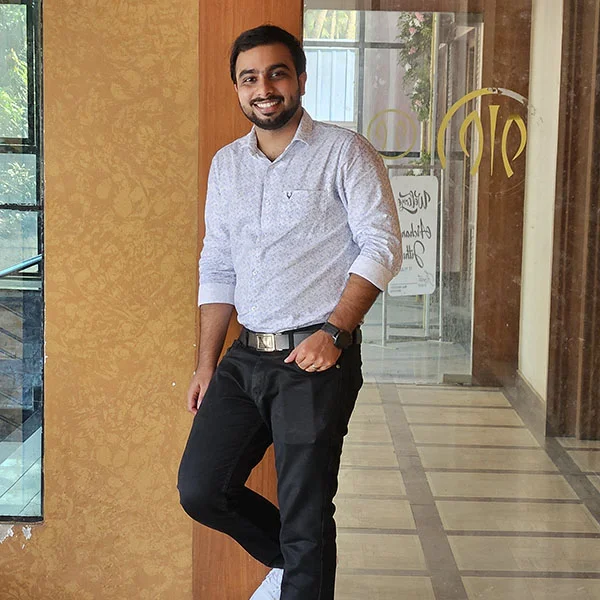
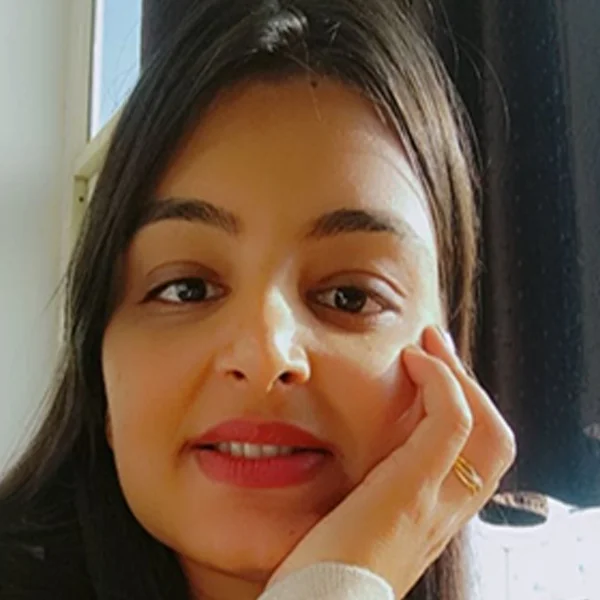
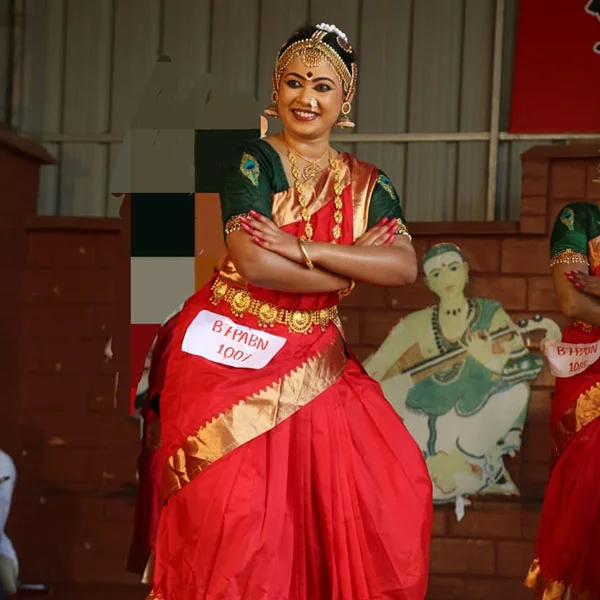
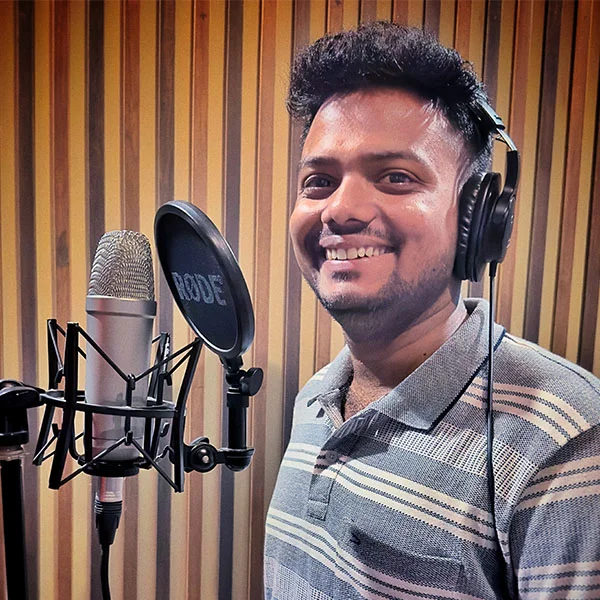
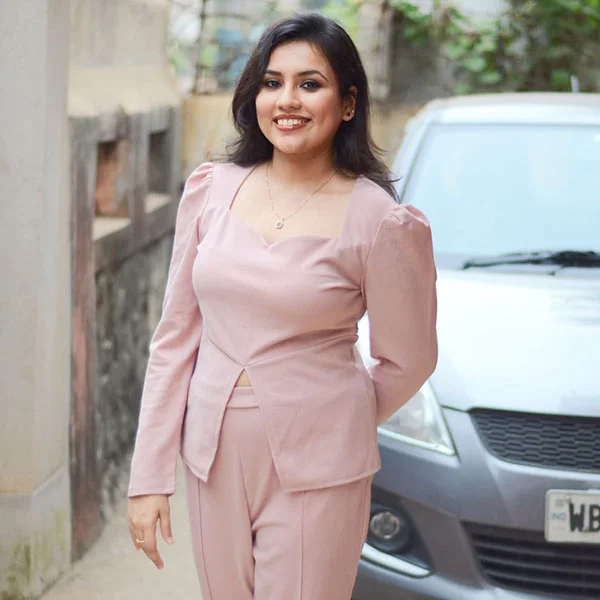
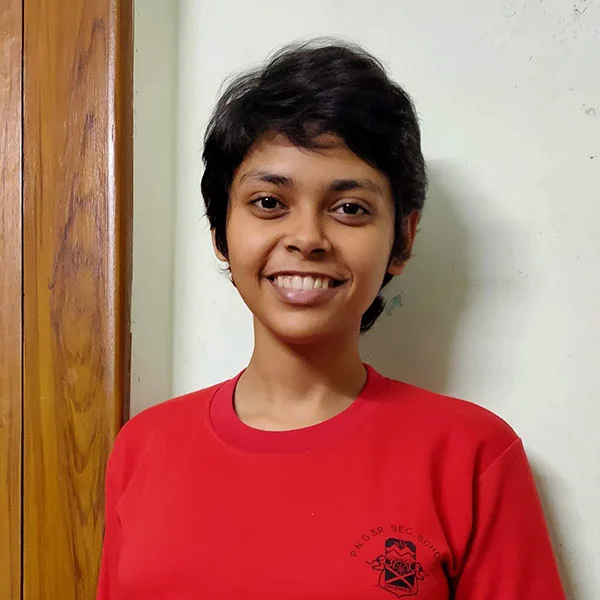
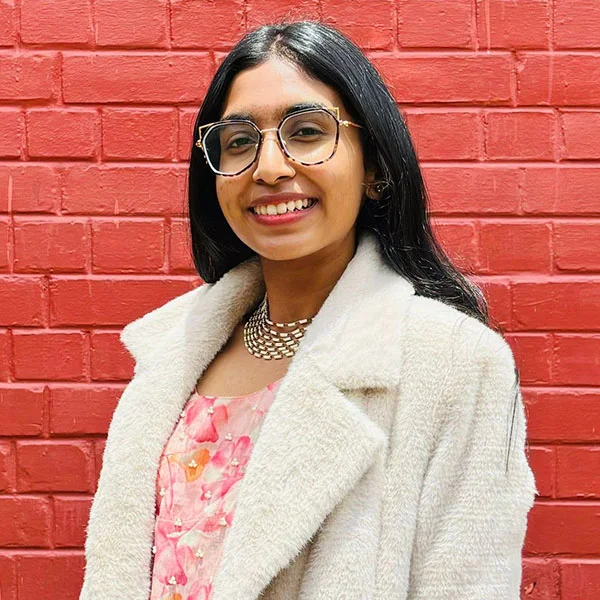
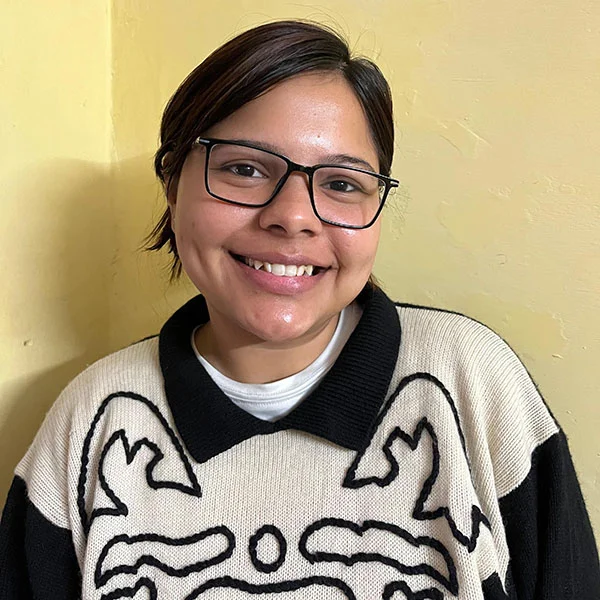
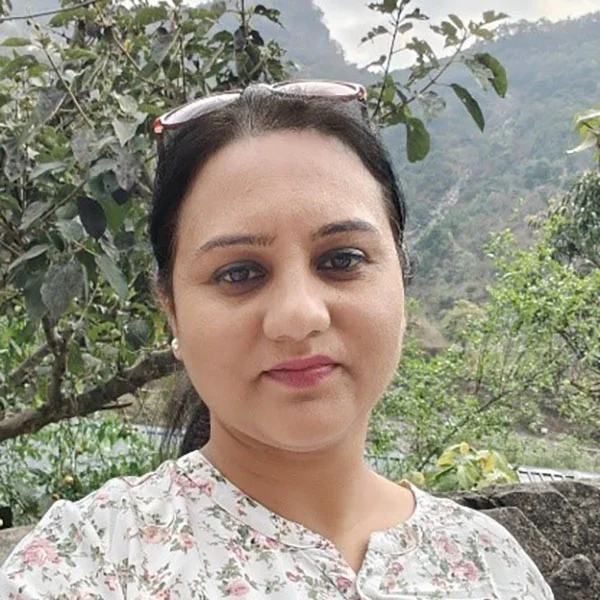
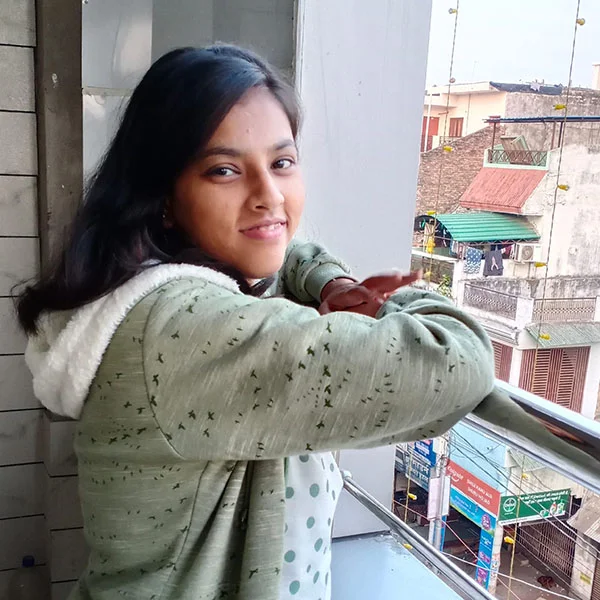
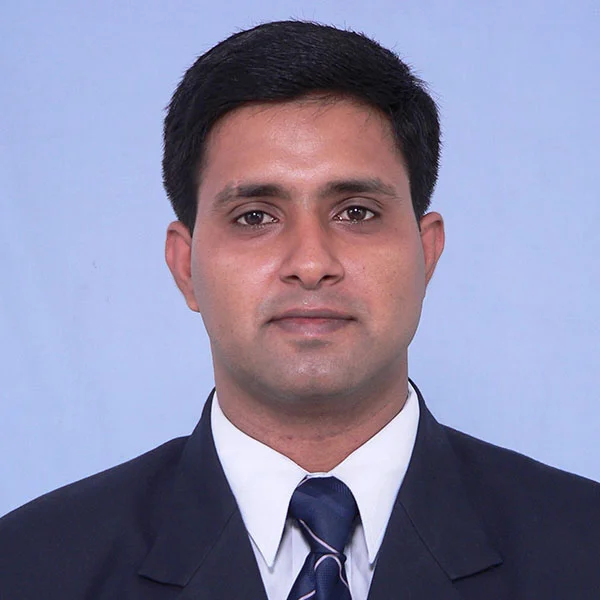
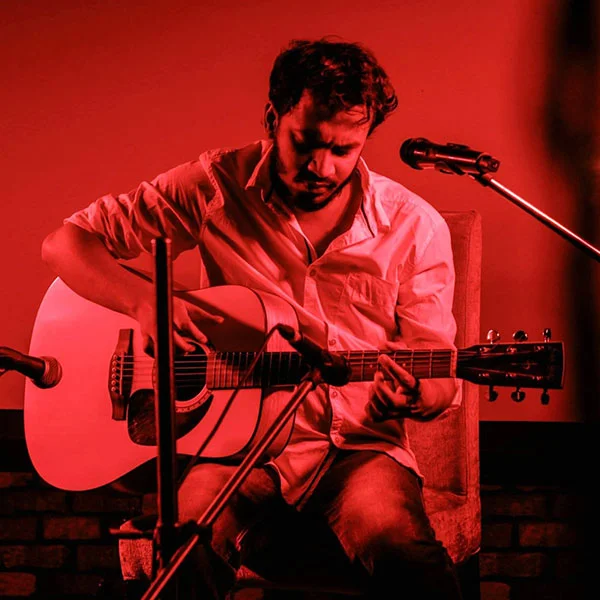
Meet our Teachers
Expert educators who connect, guide, and prepare students with special personalized care ❤️📚✨



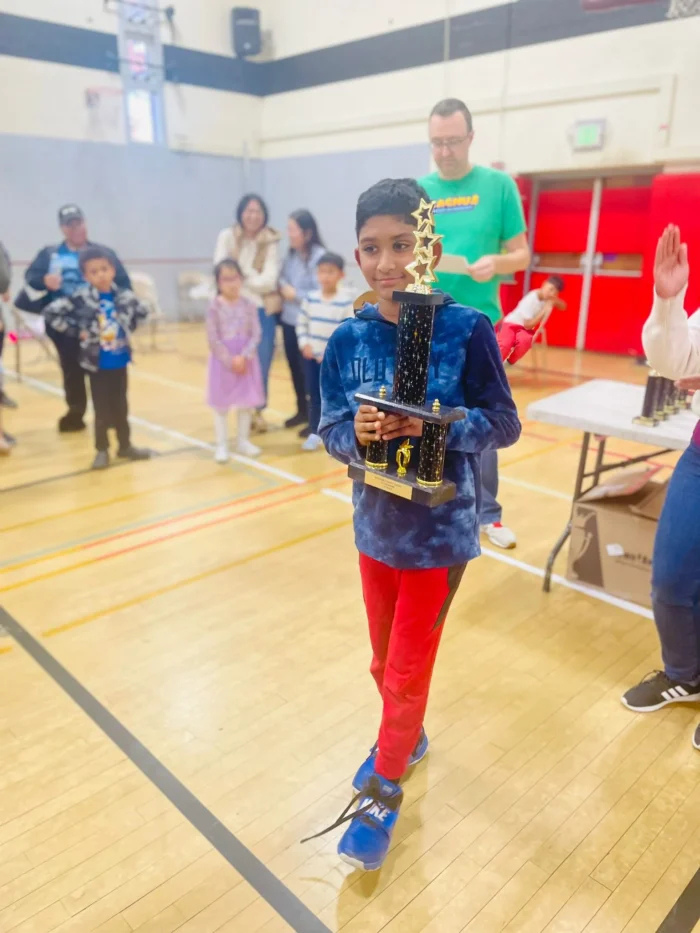
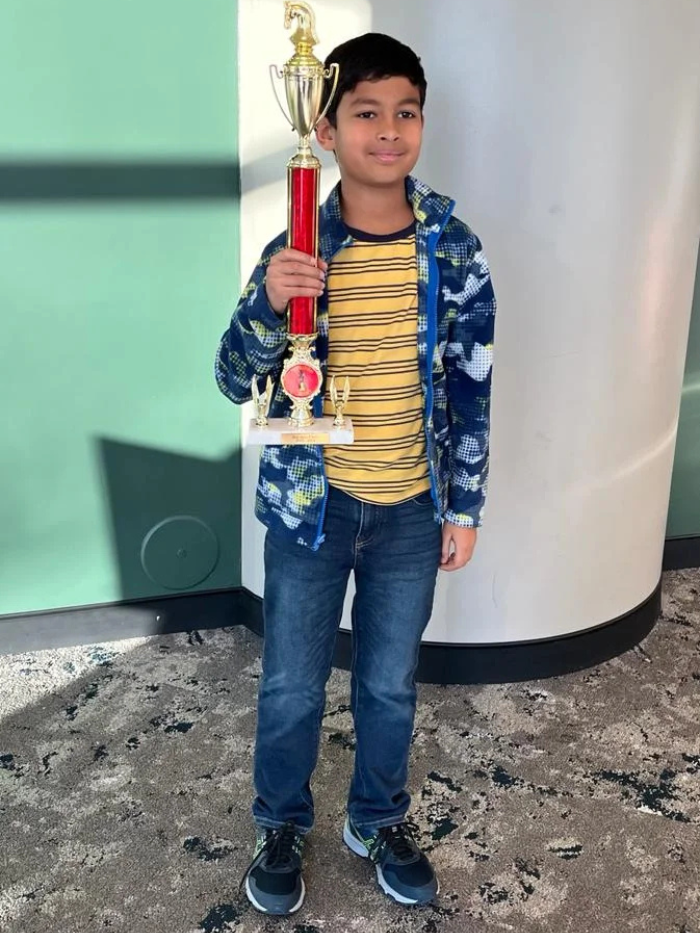
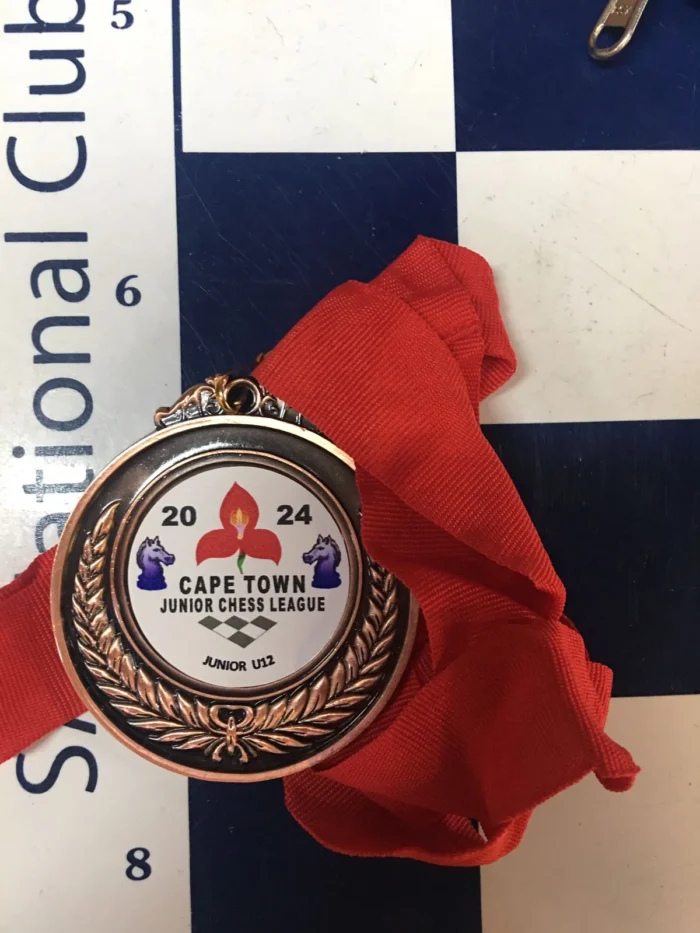
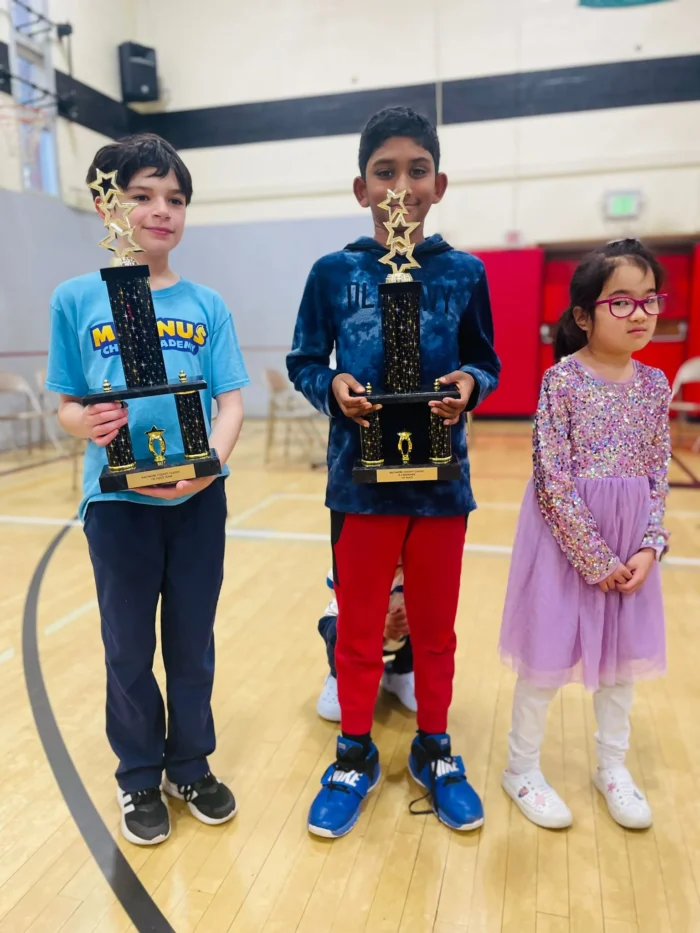
Student Achievements
Making an Impact: 🏆 Student Achievements That Shine | 🌱 Your Growth. Our Mission.
What Our Parents Say About Us
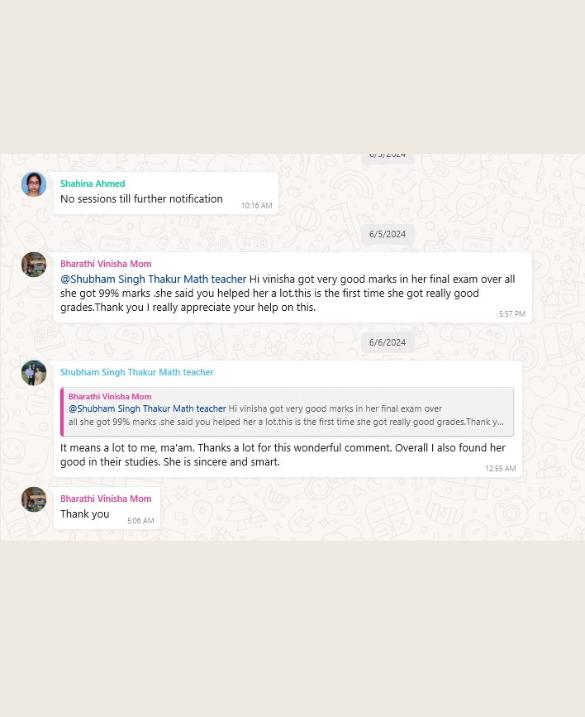
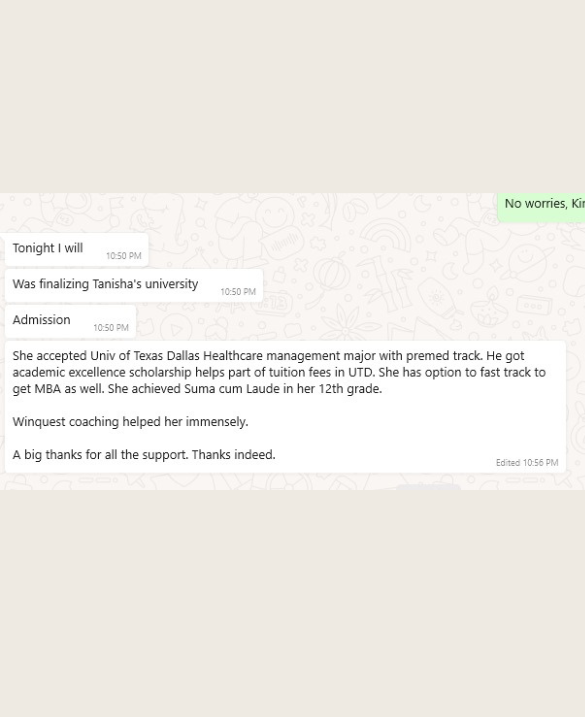
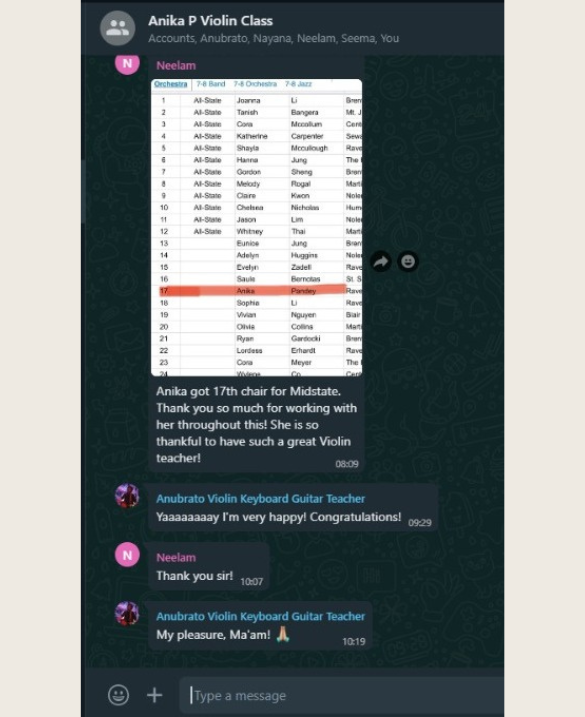
👪 Real Results. Real Parent Voices. 🏆 Futures Built with Care

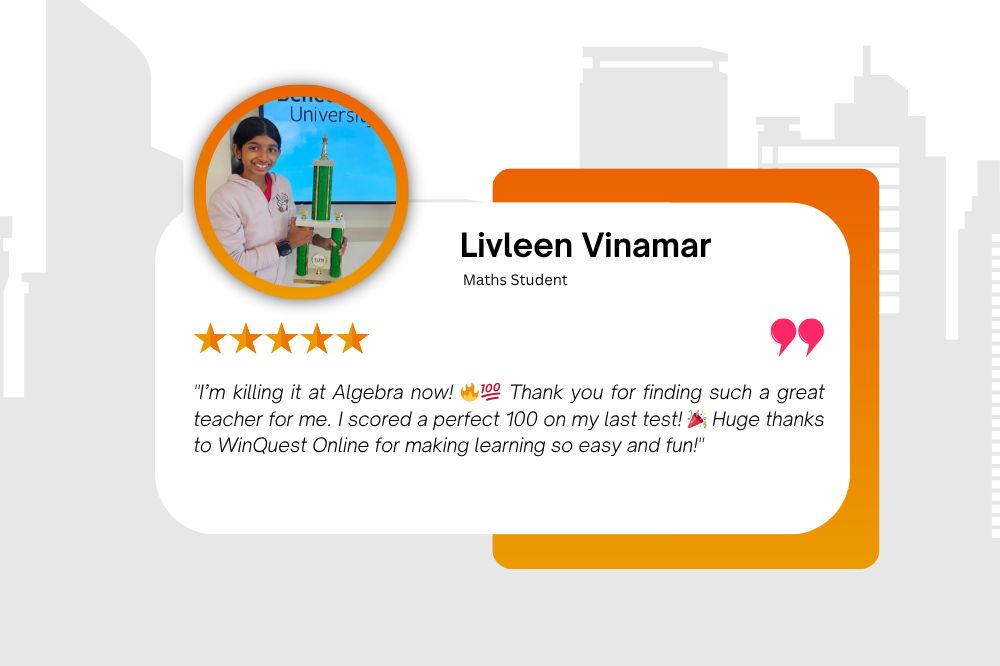
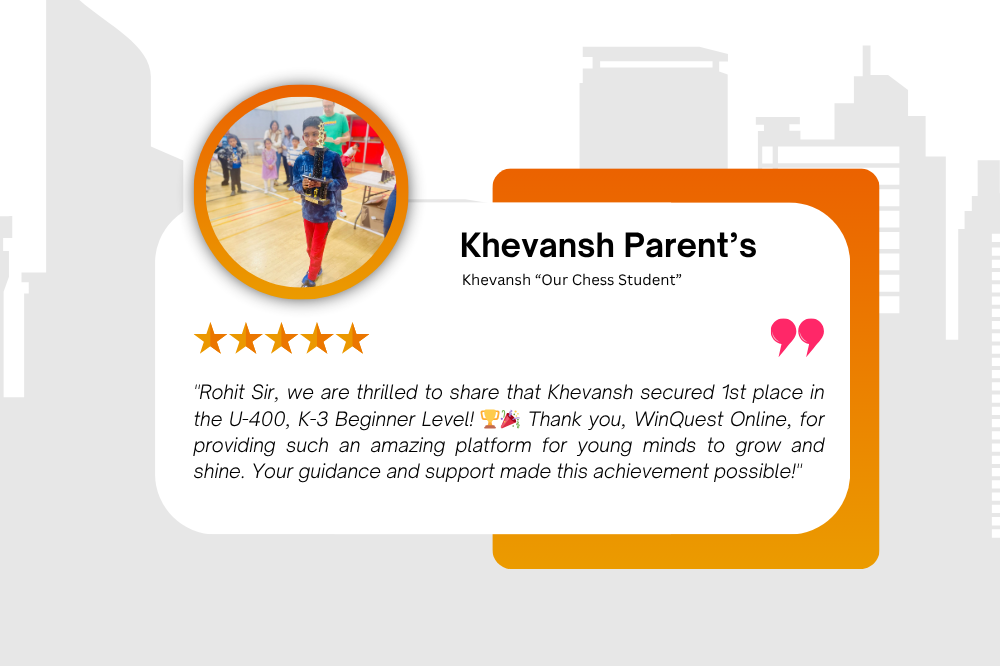
Parent Testimonials
Success Stories That Speak 🌟🎓 Wins That Inspire Pride 🏆
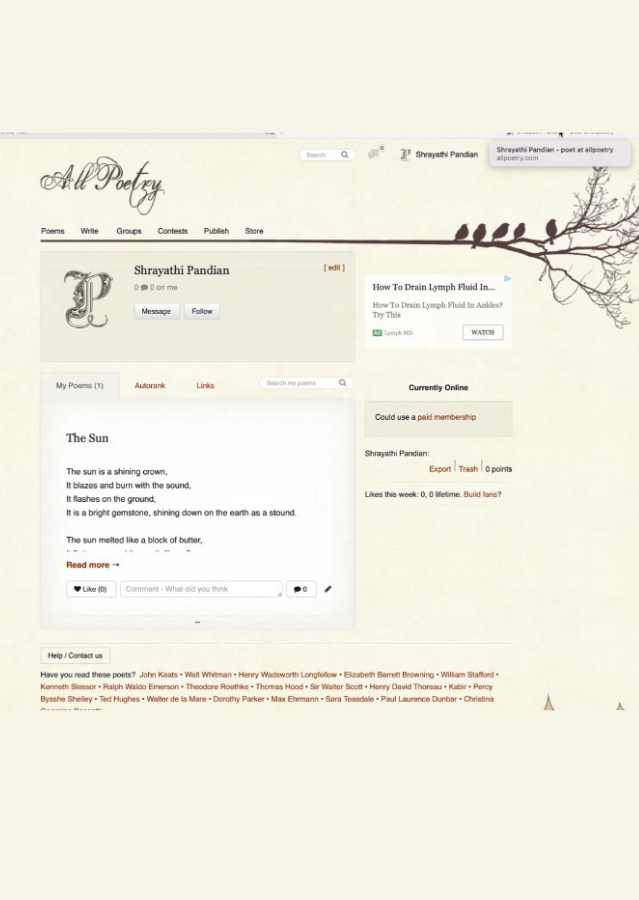
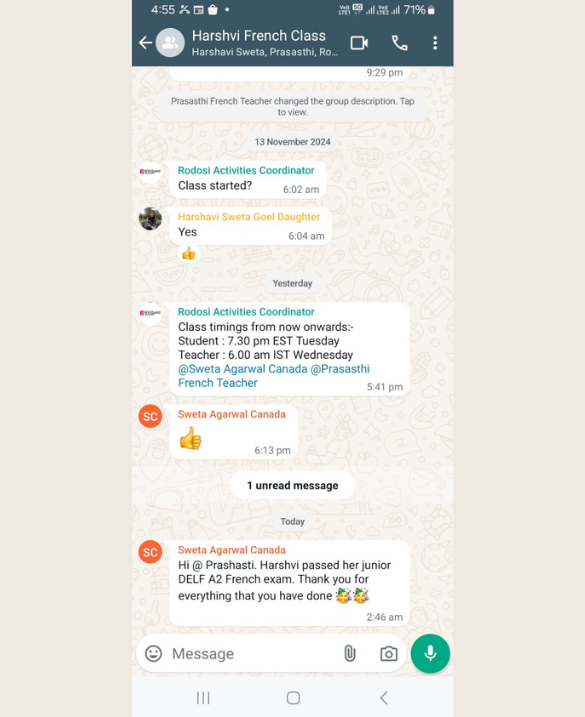
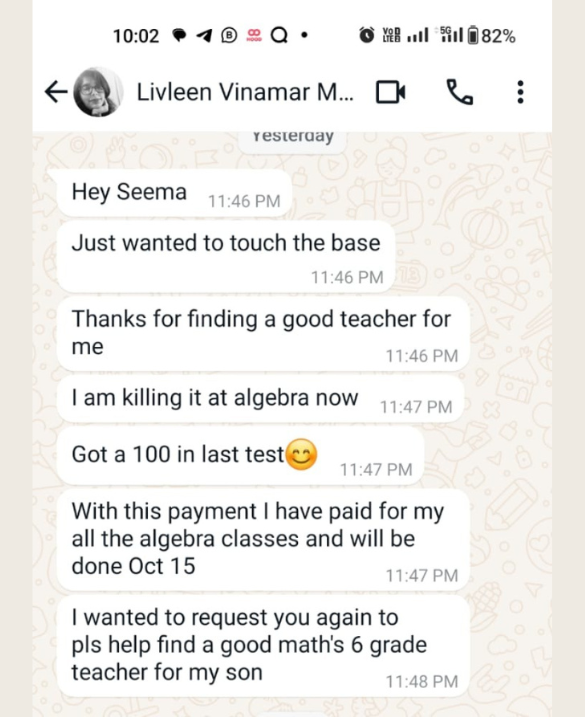
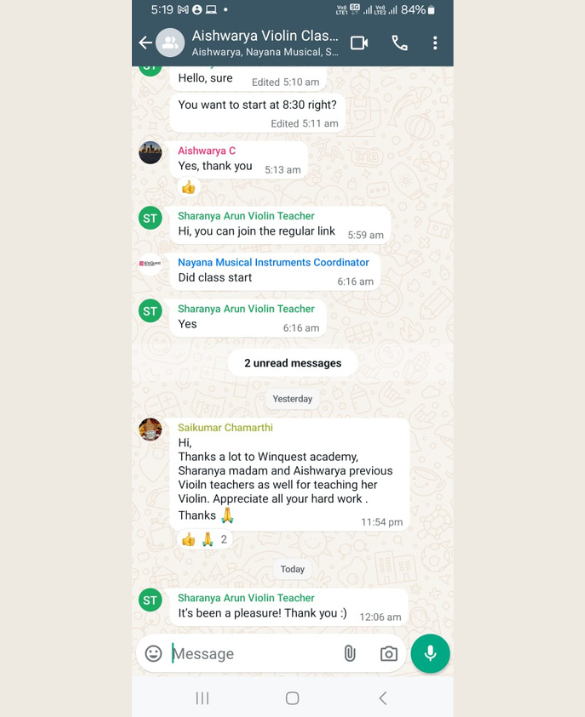
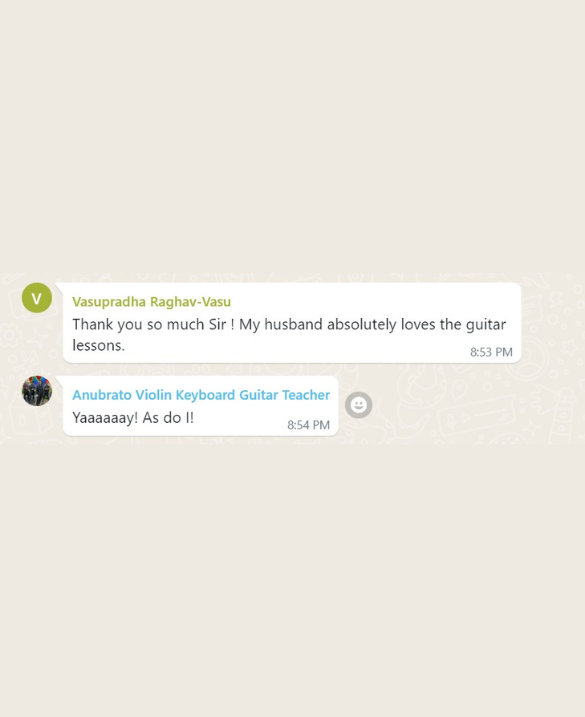
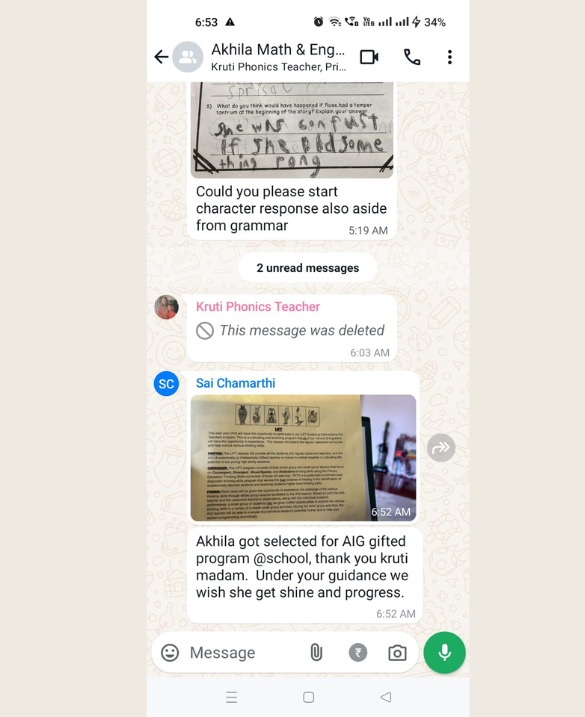
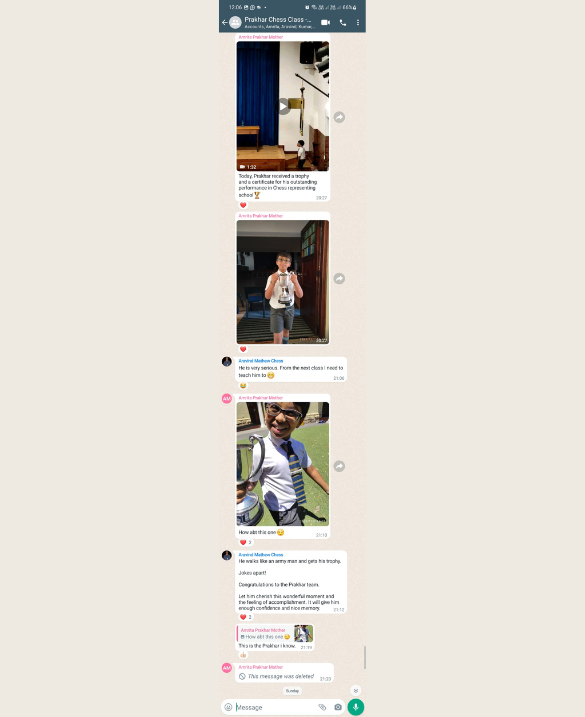
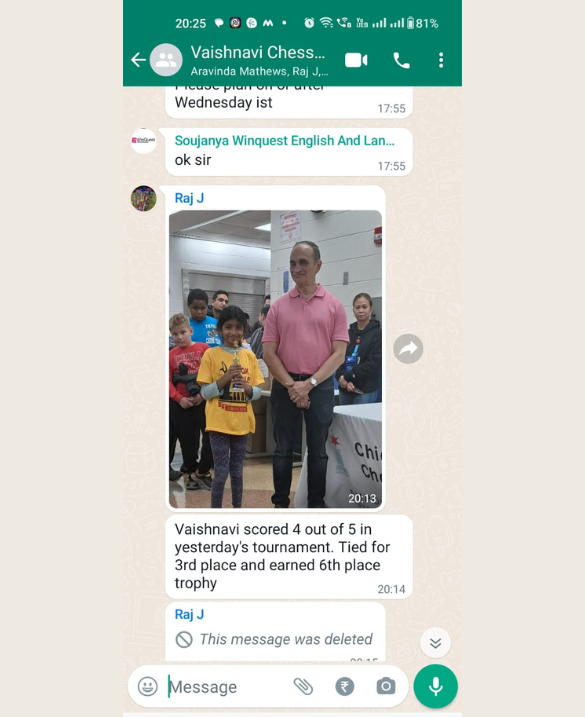
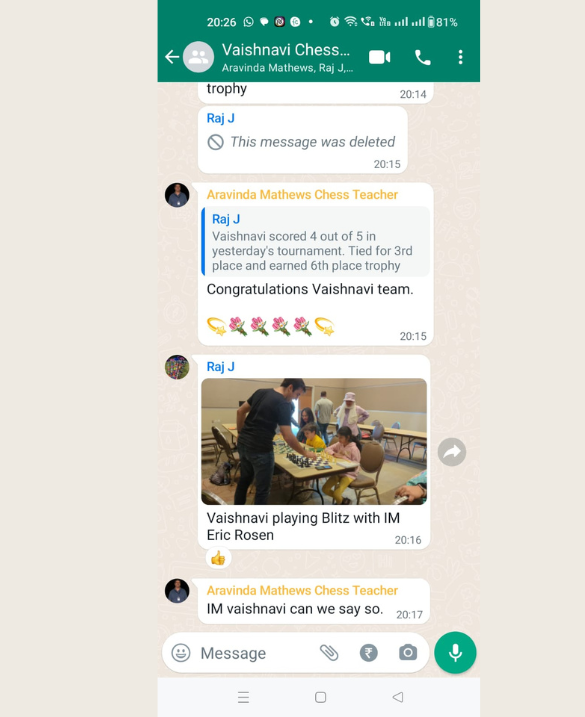
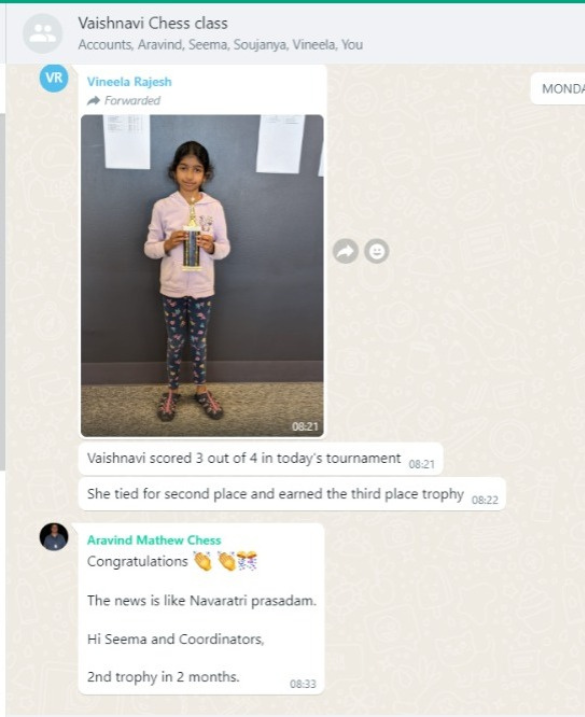
WhatsApp Testimonials
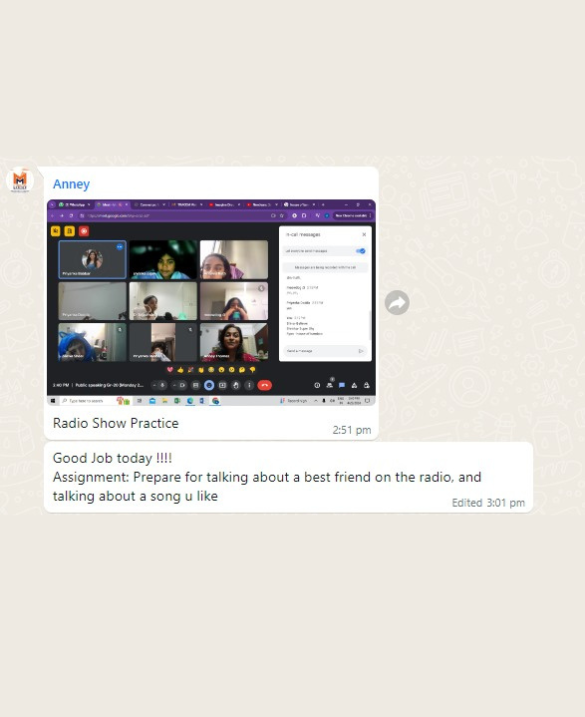
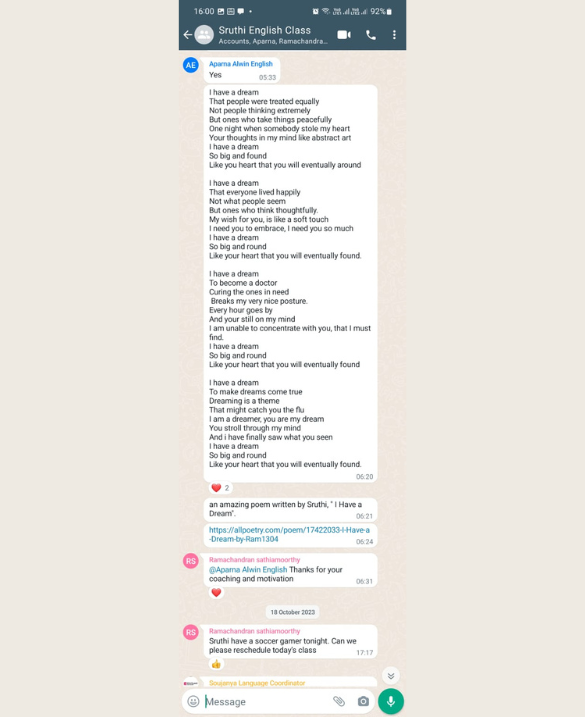
Real Voices from Our WhatsApp Community 💚📚
Latest News and Resources
📰 Learning Updates | 📘 Tips | 🎓 Resources | 💻 Online Courses