
Course Details
Hindi
Hindi
Speak fluently and write confidently in India’s most widely spoken language
Why Choose Online Hindi Classes?
Overview
WinQuest Online Hindi - live 1:1 or small-group classes mapped to the major Hindi syllabuses: CBSE (NCERT Hindi A - first language, Hindi B - second language, Code 002 / 085 / 002), CBSE Hindi Elective for Class 11-12, state boards (UP Board, Bihar, MP, Rajasthan, Uttarakhand - all closely aligned to NCERT), ICSE (CISCE Code 17) / ISC Hindi (Code 866), and a Conversational pathway (Beginner / Intermediate / Advanced) for non-native learners and NRI families abroad.
What You'll Learn
- Live interactive sessions
- 1st one-on-one session
- Comprehensive curriculum
- No long-term commitment
- Personalized learning plan
CBSE - NCERT (Hindi A / B)
Reading - Rimjhim+
- Class 1 (Rimjhim Bhag 1) - vowels (svar), consonants (vyanjan), barakhadi; simple words and 2-3 line stories.
- Class 3-4 (Rimjhim Bhag 3-4) - longer poems and stories; comprehension; values from stories.
- Class 5 (Rimjhim Bhag 5) - prose, poetry, conversations; introduction to literary devices.
Writing & Grammar+
- Devanagari handwriting; matras; punctuation (purna-viram, prashna-chinha, ulahasna-chinha).
- Sangya (noun), sarvanam (pronoun), kriya (verb), visheshan (adjective) - introduction.
- Short paragraph writing on familiar topics (mera parivar, mera vidyalaya, mera mitra).
Listening & Speaking+
- Recitation of poems with proper intonation.
- Role-play; storytelling.
- Conversation skills in everyday situations.
Reading+
- Class 6-8 main reader (Vasant Bhag 1-3) - prose, poetry, short stories.
- Supplementary reader (Bal Ram Katha, Bharat ki Khoj, Sanchayan) - longer texts.
- Comprehension - inferential and evaluative questions.
Grammar+
- All parts of speech; kaal (tense - bhoot, vartmaan, bhavishya); vachya (voice).
- Sandhi (junction) and samaas (compound); ras and alankar (rasa and figures of speech).
- Muhavre (idioms) and lokoktiyaan (proverbs).
Writing & Composition+
- Anuched lekhan (paragraph writing); patra lekhan (letter - formal and informal).
- Suchana lekhan (notice writing); kahani lekhan (story writing); samvad lekhan (dialogue).
- Picture description (chitra varnan).
Section A - Reading (15 marks)+
- Two unseen prose passages with MCQs and short-answer questions.
- Vocabulary in context, inference, application.
- Note-making and summarising.
Section B - Writing & Grammar (25 marks)+
- Anuched lekhan (paragraph), patra lekhan (letter - formal), aupacharik / anaupacharik.
- Suchana lekhan, vigyapan lekhan (advertisement), samvad lekhan, laghu katha.
- Grammar - sangya, sarvanam, vishaehan, kriya, kaal, vachya, sandhi, samaas, muhavre.
Section C - Literature (30 marks)+
- Kshitij Bhag 1 & 2 (Class 9 & 10) - main reader with prose and poetry.
- Sparsh Bhag 1 & 2 / Sanchayan Bhag 1 & 2 - supplementary reader.
- Reference-to-context questions, character analysis, theme analysis.
Board Exam Prep+
- CBSE Sample Paper and previous-year board papers.
- Marking scheme analysis.
- 2-3 full-length proctored mocks before the March board exam.
Section A - Reading (20 marks)+
- Two long unseen prose passages (450-500 words each) with MCQs, SAQ, LAQ.
- Apathit kavyaansh (unseen poetry) for analysis.
- Note-making and summarisation.
Section B - Writing (25 marks)+
- Nibandh (essay; 350-400 words) - argumentative / discursive.
- Patra (formal letter) and feature lekhan (feature article).
- Aalekh (article writing) and prativedan (report writing).
Section C - Literature (35 marks)+
- Aroh Bhag 1 & 2 (Class 11 & 12) - main reader, including chapters by Premchand, Mahadevi Verma, Nirala, Suryakant Tripathi.
- Vitan Bhag 1 & 2 - supplementary reader.
- Literary devices, themes, character analysis at higher level.
Section D - Workbook (20 marks)+
- Abhivyakti aur Madhyam - workbook focusing on language style and media communication.
- Newspaper and electronic media communication.
- 2-3 full-length proctored mocks before March board exam.
State Boards (UP / Bihar / MP / Rajasthan)
Approach+
- Most North Indian state boards (UP, Bihar, MP, Rajasthan, Uttarakhand, Jharkhand, Haryana) closely align Hindi syllabus to NCERT but with state-specific textbooks.
- WinQuest tutors map the state-board textbook chapter by chapter and prepare students for the relevant state board exam pattern.
- Tell us which state board your child follows and we will allocate a tutor familiar with that board's exam format.
Common Structure+
- Section A - Comprehension; Section B - Writing skills + Grammar; Section C - Literature; Section D - Reference / Composition.
- Detailed mapping to the relevant state board's textbooks and exam pattern.
- 2-3 full-length proctored mocks before state board exam.
Common Structure+
- Pre-University Hindi paper across most state boards; literature, composition, grammar.
- Detailed mapping to the relevant state board's textbook (e.g., UP Board's Saamanya Hindi, Bihar Board's Hindi Saahitya).
- Past papers and detailed marking scheme analysis.
ICSE / ISC (CISCE Code 17 / 866)
CISCE Pattern+
- Composition, comprehension, grammar at age-appropriate depth.
- Reader-based literature with prose, poetry; supplementary reading.
- Devanagari handwriting and oral practice.
Composition (40 marks)+
- Anuched lekhan (250-300 words) - 6 choices; one essay must be attempted.
- Patra lekhan (letter writing) - formal and informal.
- Samvad lekhan (dialogue writing).
Comprehension (20 marks)+
- Unseen prose passage with MCQ + SAQ.
- Vocabulary, summary, transformation of sentences.
Literature (40 marks)+
- Sahitya Sagar - prescribed prose and poetry.
- Nai Roshni / Naya Raasta - supplementary reading.
- 2-3 mocks before February board exam.
Composition (30 marks; 350-450 words)+
- Argumentative, narrative, descriptive essay.
- Letter writing - formal and informal.
- Article writing.
Comprehension (20 marks)+
- Longer passages including literary prose.
- Precis writing.
Literature (50 marks)+
- Prescribed prose - Sahitya Saagar / Hindi Gadya Sagrah.
- Prescribed poetry - selected poems from a Hindi anthology.
- Drama / novel as per ISC syllabus.
Conversational (Beginner -> Advanced)
Devanagari & Pronunciation+
- Devanagari script - vowels (svar), consonants (vyanjan), matras.
- Pronunciation of Hindi sounds, including aspirated and retroflex consonants.
- Reading and writing simple words and sentences.
Daily Conversation+
- Namaste / namaskar; introductions (mera naam X hai, mein bharatiya hoon, mein X varsh ka hoon).
- Family vocabulary, daily routine, food (roti, sabzi, daal, chawal), shopping.
- Asking for directions; ordering at a restaurant; basic transactions.
Grammar Foundations+
- Sangya, sarvanam (mein, tum, woh, hum, aap, ve), kriya - present and past tense.
- Karak vibhakti - ne, ko, se, mein, par, ke saath.
- Linga (gender) and vachan (number).
Wider Topics+
- Travel, work, study; describing personality and feelings.
- Opinions and arguments (mujhe lagta hai, mere vichaar mein, mein samajhta hoon).
- Reading short stories and news headlines in Hindi.
Grammar+
- All tenses including future, perfect and continuous; modal verbs (sakna, padna, chahna).
- Sandhi, samaas - intermediate level.
- Muhavre and lokoktiyaan (idioms and proverbs).
Writing+
- Anuched lekhan (200-250 words) on familiar topics.
- Letter writing - formal and informal.
- Story writing using a given outline.
Complex Topics+
- Society, environment, technology, current affairs - reading and discussion.
- Argumentation and debate; structuring a balanced viewpoint.
- Reading Hindi literature - Premchand, Mahadevi Verma, Nirala, Dharamveer Bharati.
Advanced Grammar+
- Complex sentence structures; subordinate clauses with jab, agar, kyunki, halaki.
- Reported speech (indirect bhashan); passive voice (karmavachya).
- Stylistic variation - formal vs colloquial Hindi; Sanskrit-tinged shudh Hindi vs Urdu-mixed Hindustani.
Literary & Cultural Depth+
- Hindi literature - chayavaad period (Nirala, Mahadevi Verma, Prasad), pragativaad (Premchand).
- Modern Hindi cinema and its language register.
- Reading newspapers (Dainik Jagran, Hindustan, Bhaskar) and current affairs at native level.
Requirements
- A laptop, desktop or tablet with stable internet
- Headphones with a clear microphone
- Devanagari worksheets and a notebook for handwriting practice
- School Hindi textbook (Kshitij / Sparsh / Aroh / Vitan etc.) for board-aligned learners
Reviews
5.0 / 5 ★ · 260+ students enrolled
Parents consistently rate our mentors for personalised attention, clear concepts and steady progress. Book a free demo to experience a class first-hand.
Frequently Asked Questions
How do I get started?+
Click the Book a Demo button on this page and tell us which path your child follows (DELE / school exam / conversational). We will schedule a free trial session with a matching tutor. For details, contact our coordinator on WhatsApp at +91 93308 11581 or email contact@winquestonline.com.
Will the tutor follow my child's exam / curriculum?+
Yes. We currently support DELE A1 through C2 (and the equivalent DELF / Goethe / HSK / TORFL for other languages), US Common Core / ACTFL World Languages, CBSE and ICSE Spanish / French / German as 3rd / foreign language, Cambridge IGCSE 0530 / 0520 / 0525 / 0547 and Cambridge AS / A-level 9719 / 9716 / 9717 / 9778. If your child follows another framework, mention it during the demo and we will match a tutor.
How does payment work?+
We require monthly advance payments for the number of classes scheduled in that calendar month. We accept Zelle, PayPal, UPI (for India), Stripe and major credit / debit cards.
What if my child misses a class?+
For 1:1 sessions we reschedule a make-up at a mutually convenient time at no extra cost (with at least 24 hours notice). For group classes we share a timed recording of the session on parent request, so your child can catch up before the next class.
How long is each class?+
Each class session is 60 minutes long. Frequency is typically twice a week for beginners and three times a week for exam-prep tracks (IGCSE / A-level / DELE), based on the exam timeline and parent preference.
How is progress measured?+
Tutors give written feedback on every assignment, run a short formative quiz every 4-6 classes, and a longer level / chapter test at the end of each unit. For exam-prep tracks we run 2-4 full-length proctored mocks before the actual exam. Parents receive a monthly progress report.
What is the class size?+
For 1:1 sessions the class is just your child and the tutor. For group classes we cap each batch at 5-6 students per level so every learner gets individual speaking and feedback time.
Are the tutors qualified?+
All our language tutors are native or near-native speakers with formal teaching qualifications. For DELE / DELF / Goethe / HSK they hold the relevant instructor certification, and each tutor is interviewed by our academic head before joining.
What if my child wants to switch path mid-way?+
No problem. Tell us during a review and the tutor will re-map the lesson plan - many students start on a school path and add a DELE / DELF / Goethe certification track in parallel, or vice versa.
What are the requirements?+
A laptop / desktop / tablet with stable internet, headphones with a clear microphone for listening and speaking practice, and a notebook for vocabulary and writing. For exam-prep tracks the tutor will share the official past papers and practice pack before the first class.
Student Reviews
No reviews yet — be the first to share your experience with this course!
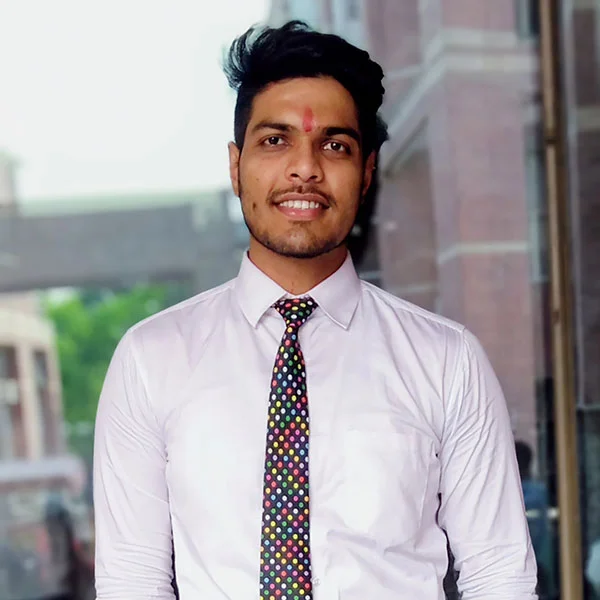
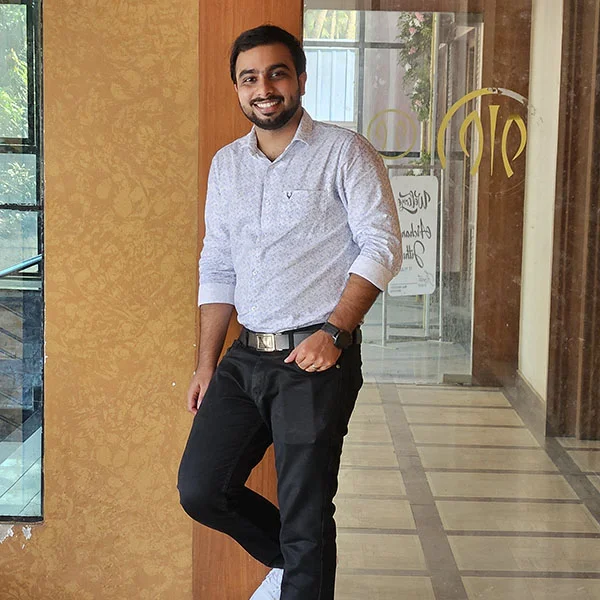
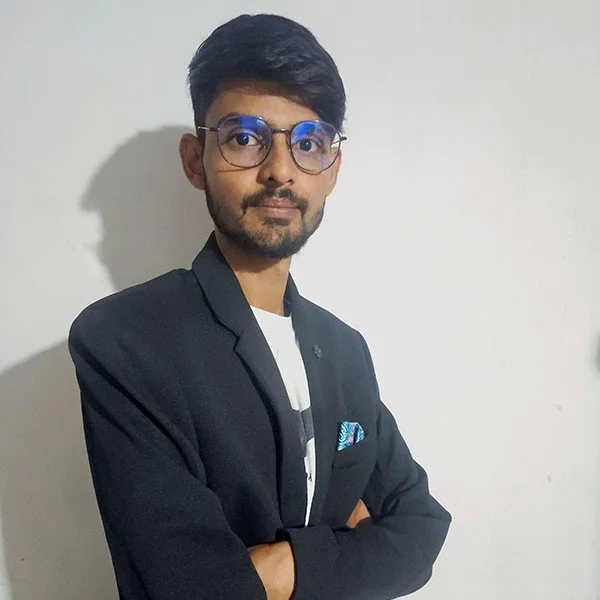
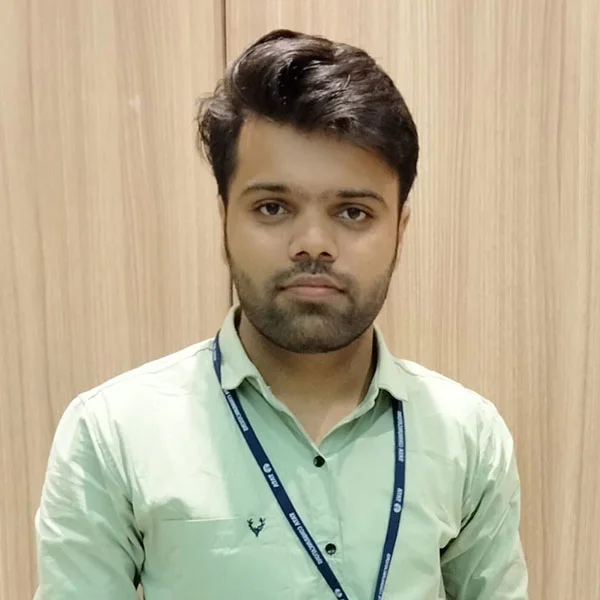
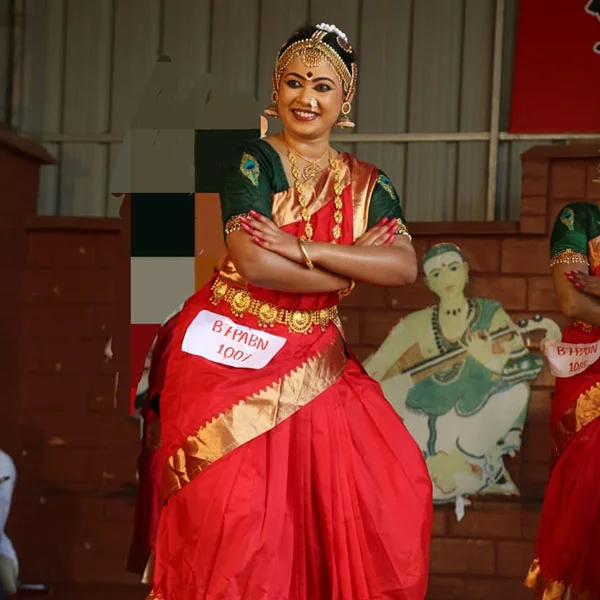
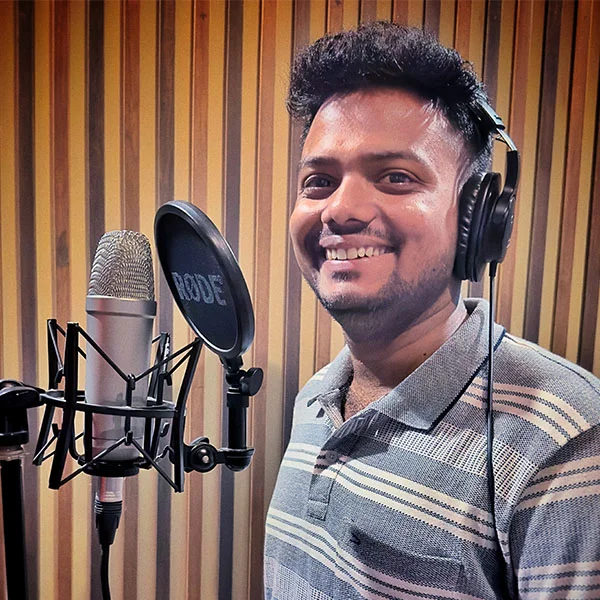
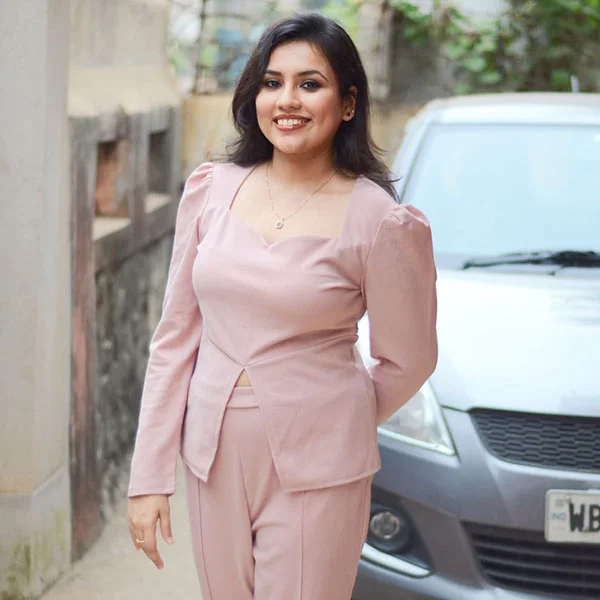
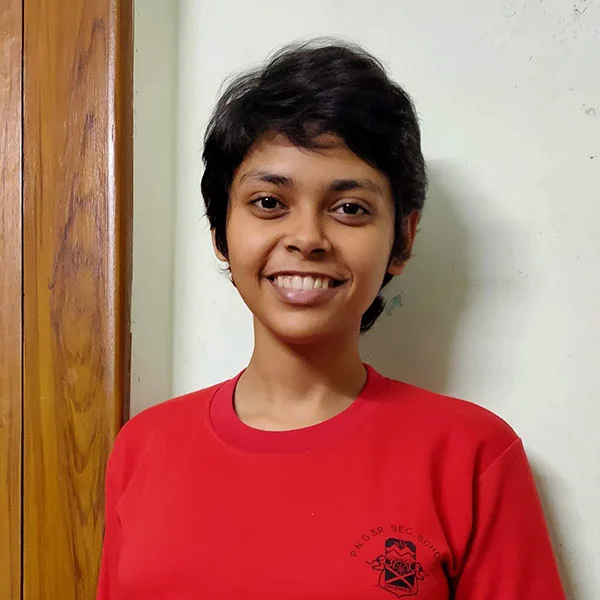
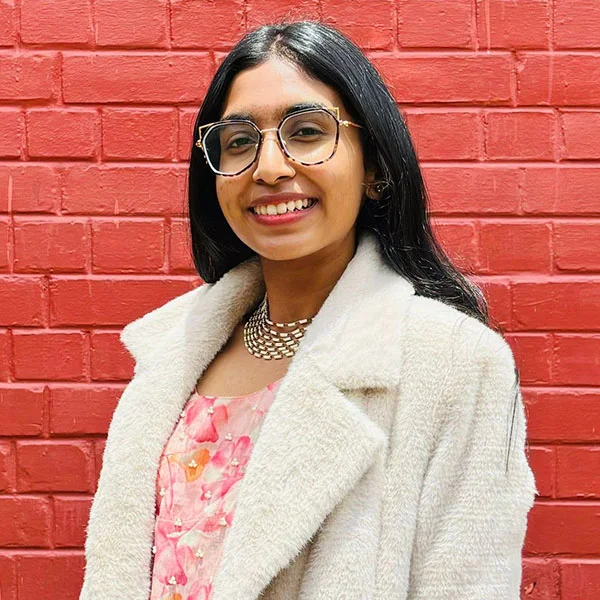
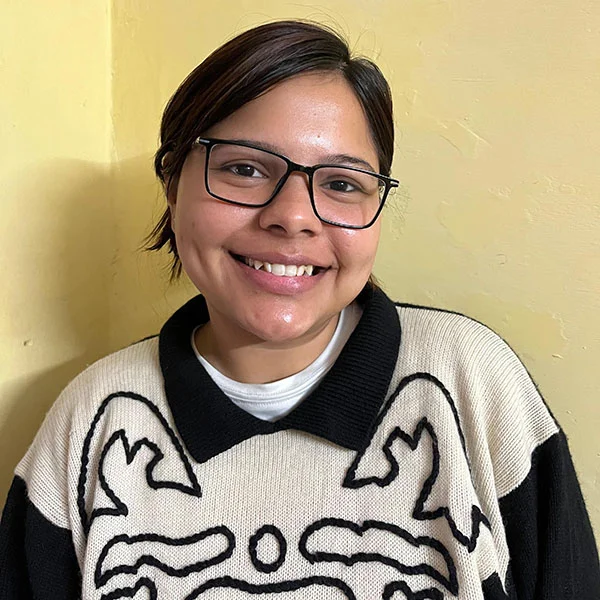
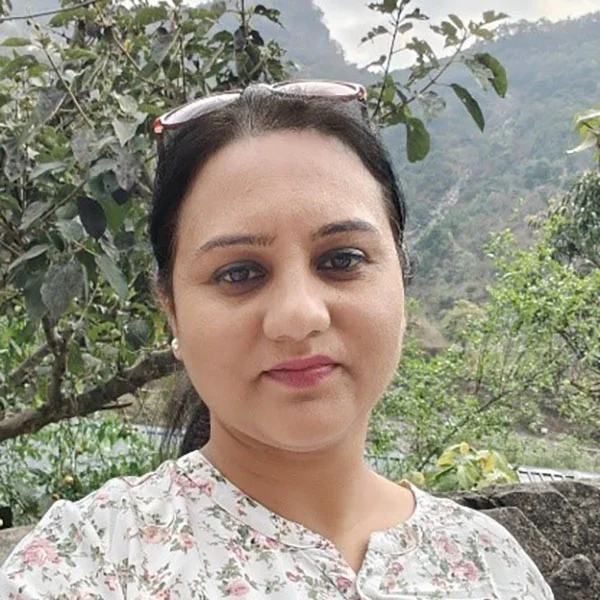
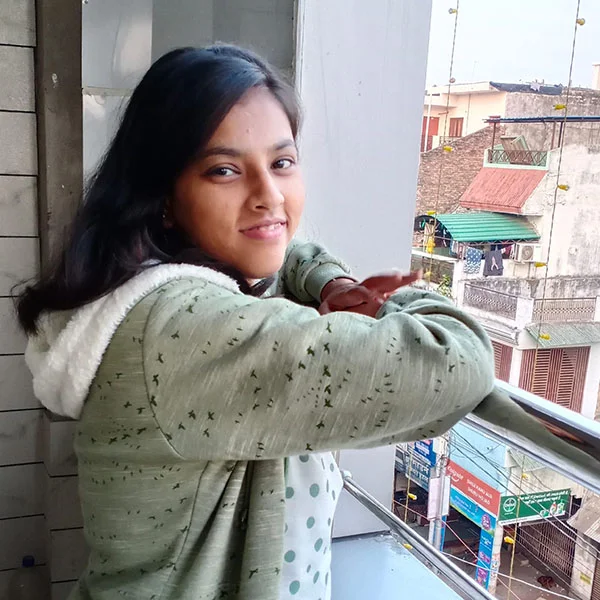
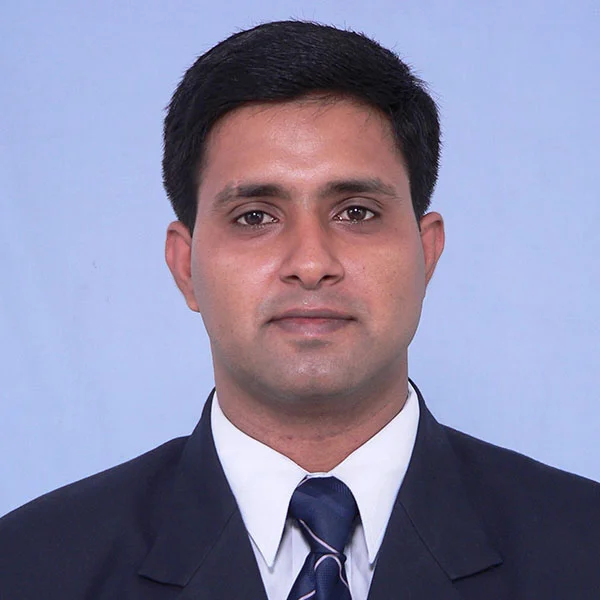
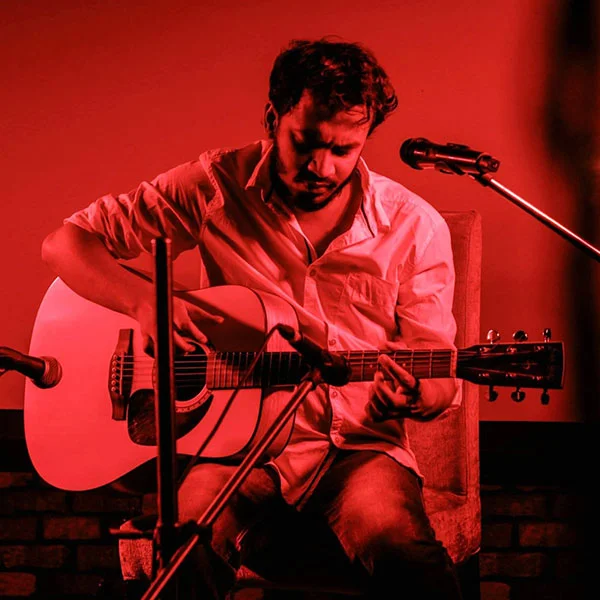
Meet our Teachers
Expert educators who connect, guide, and prepare students with special personalized care ❤️📚✨
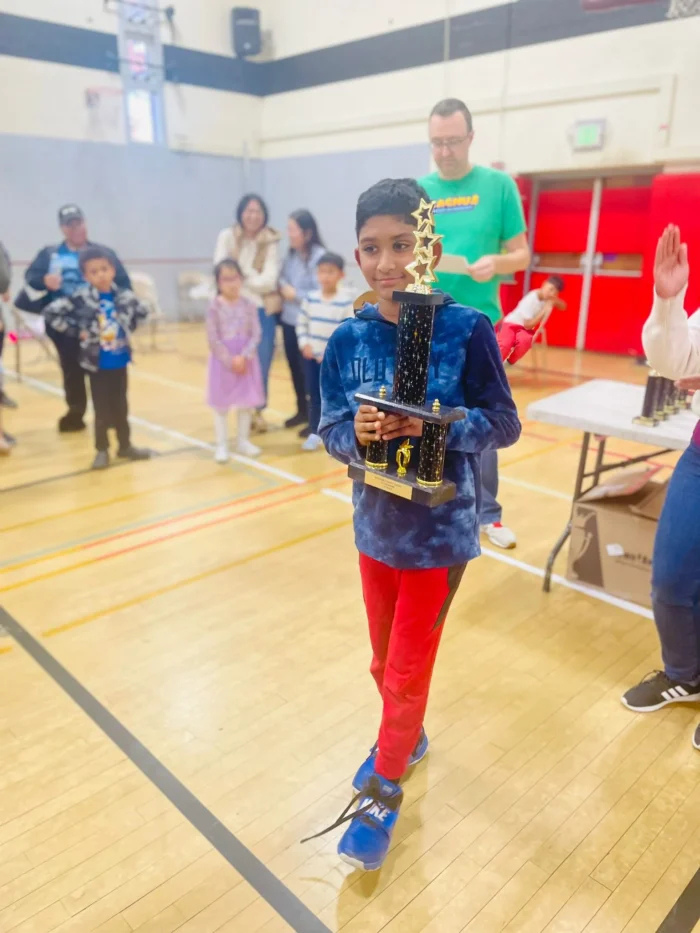
Student Achievements
Making an Impact: 🏆 Student Achievements That Shine | 🌱 Your Growth. Our Mission.
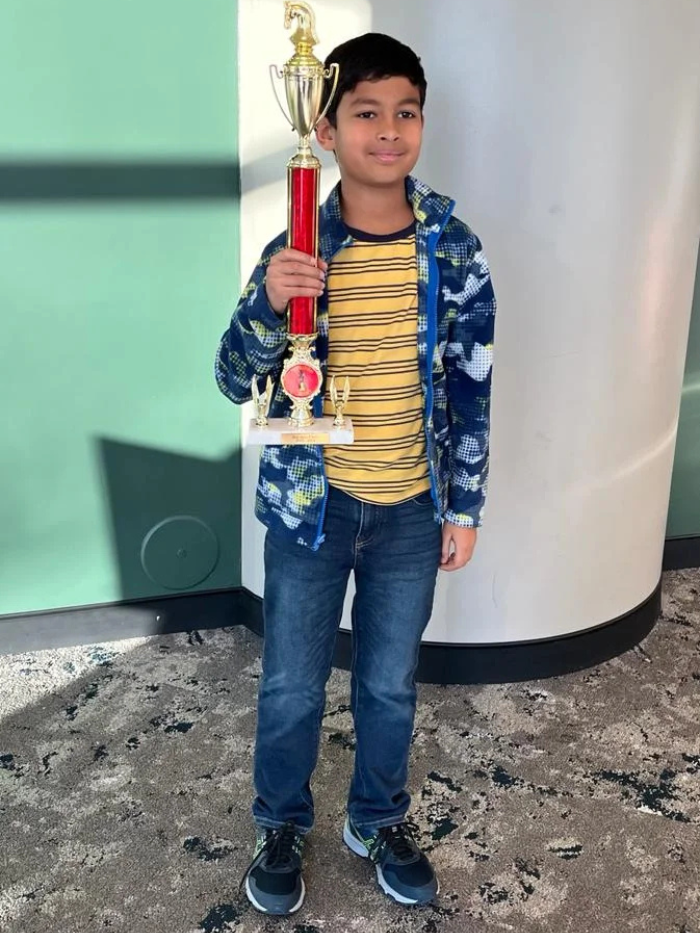
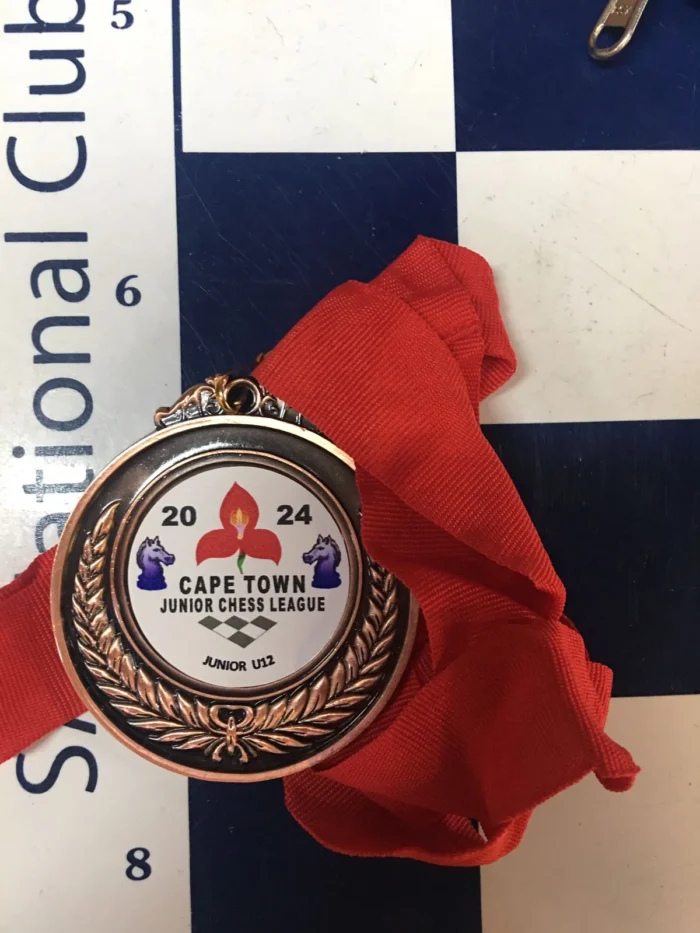
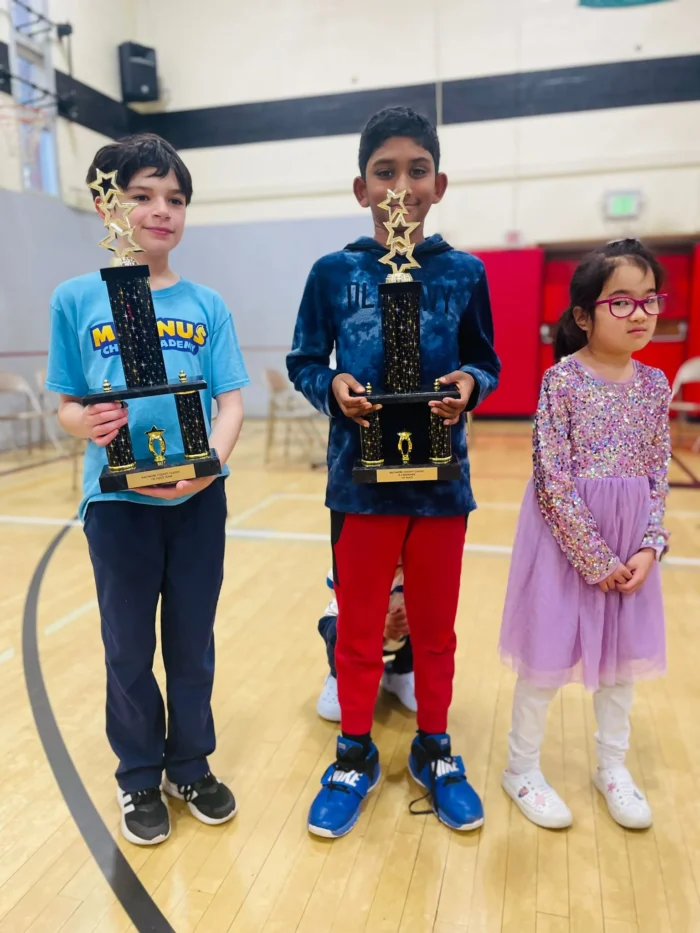
What Our Parents Say About Us
👪 Real Results. Real Parent Voices. 🏆 Futures Built with Care
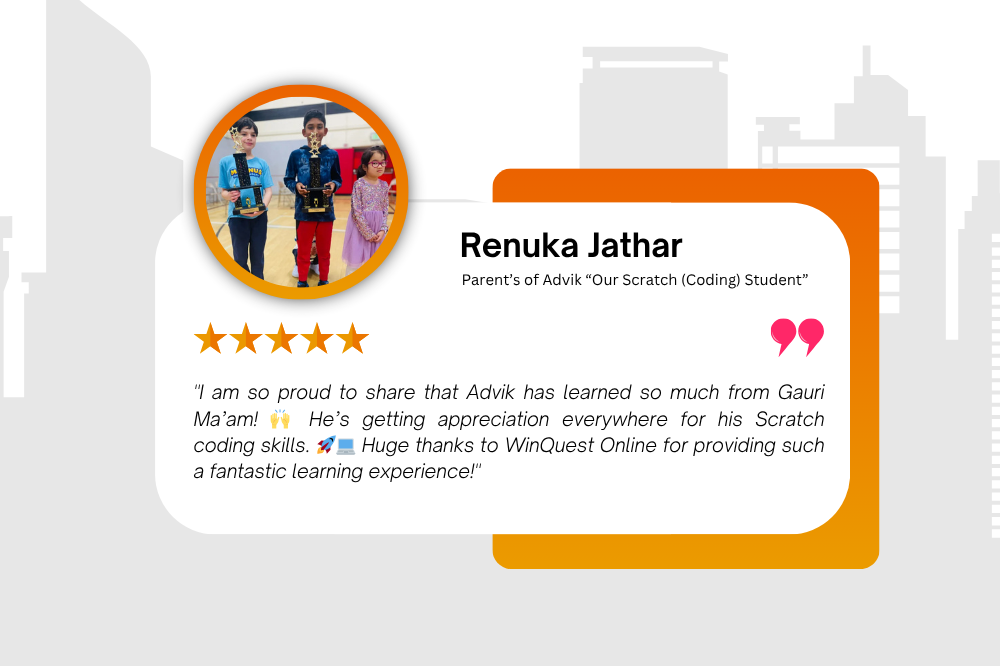
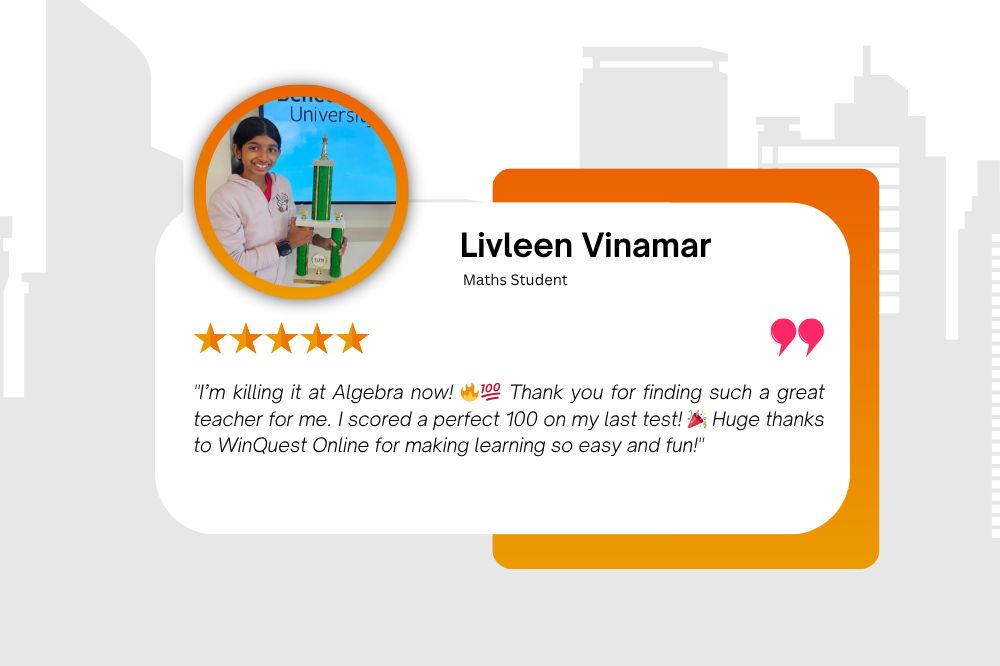
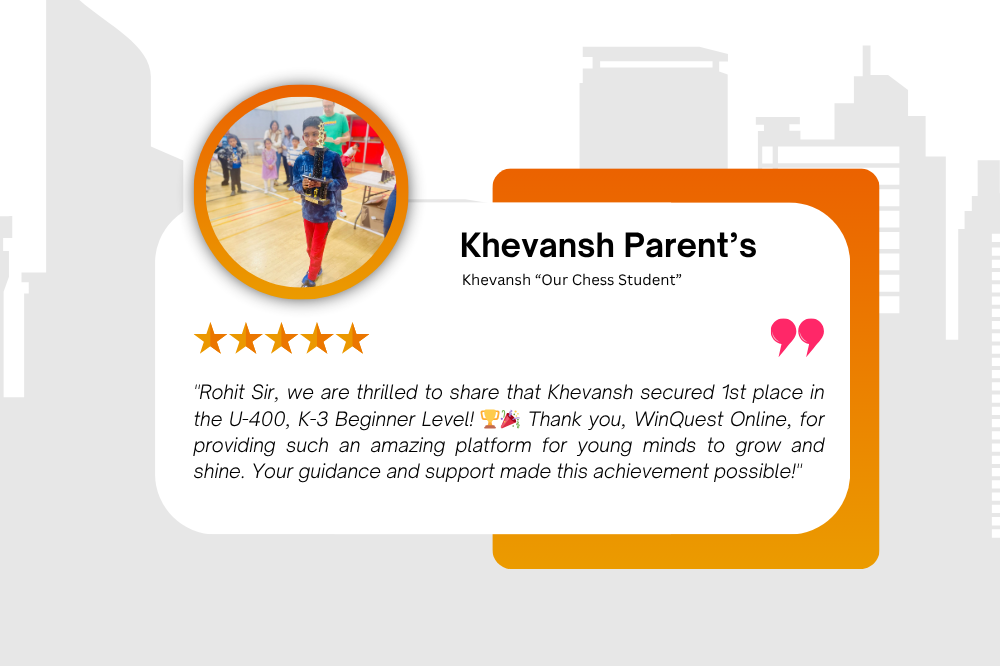
Parent Testimonials
Success Stories That Speak 🌟🎓 Wins That Inspire Pride 🏆
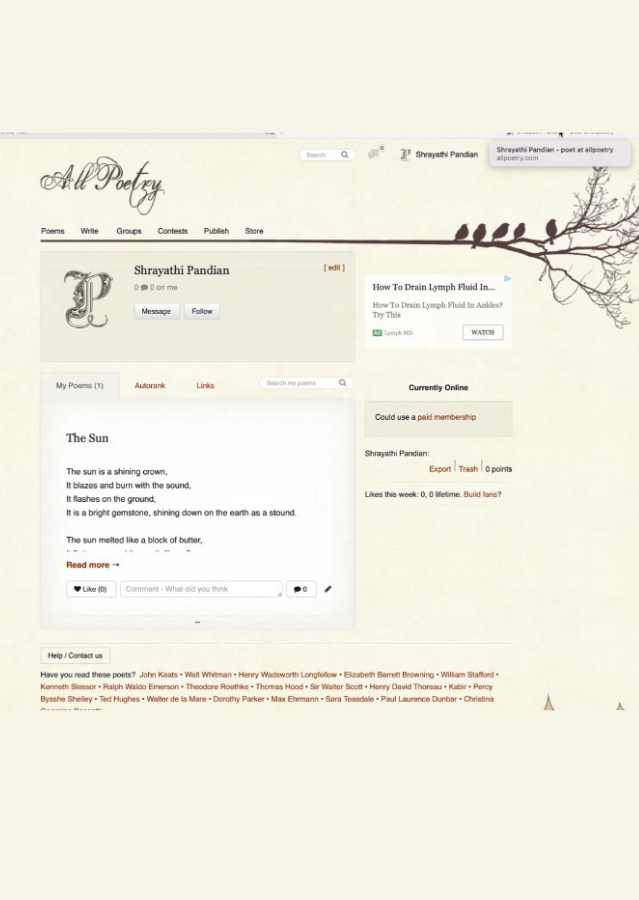
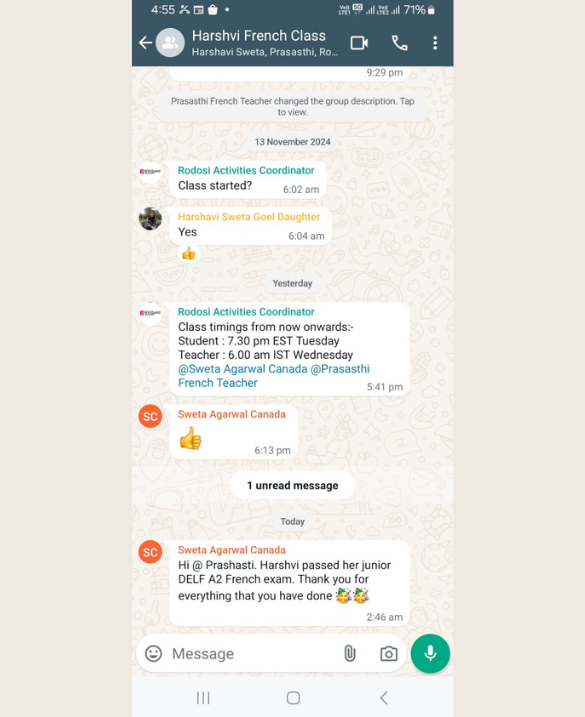
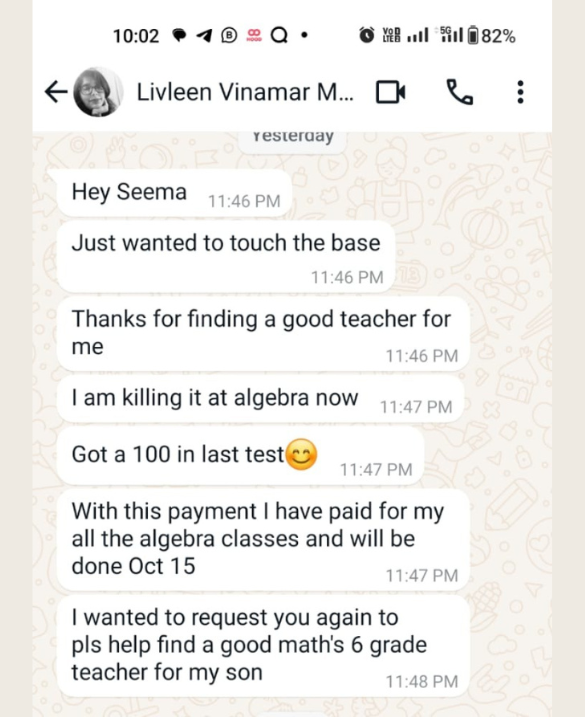
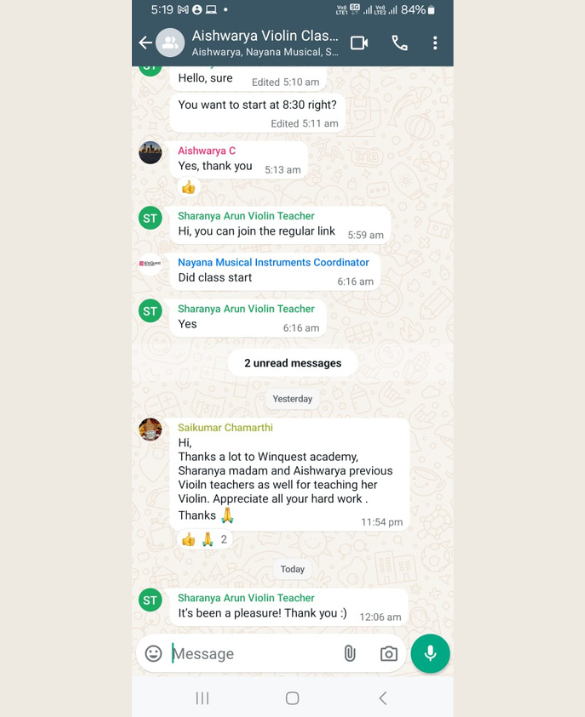
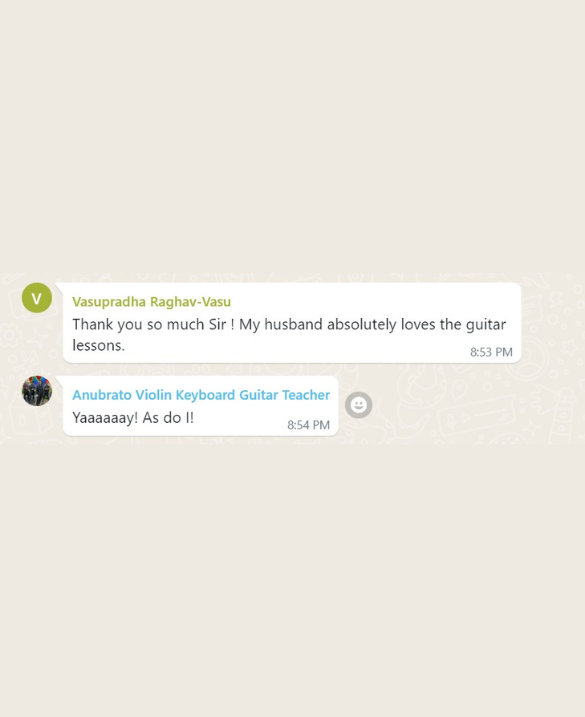
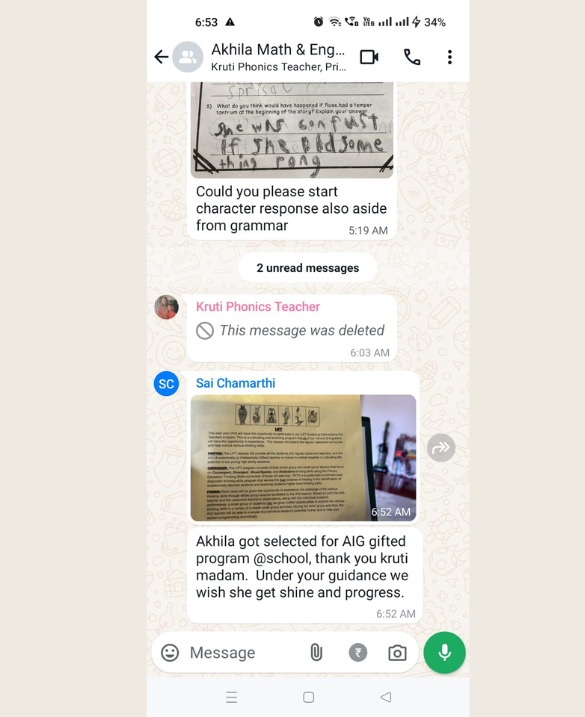
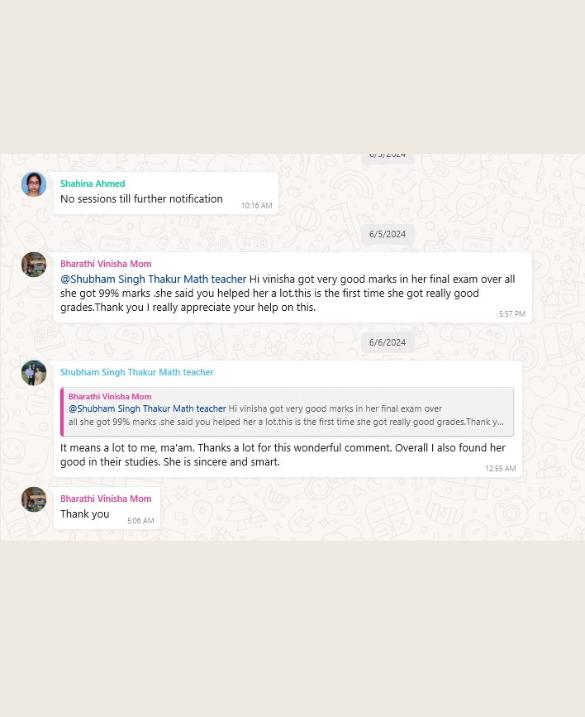
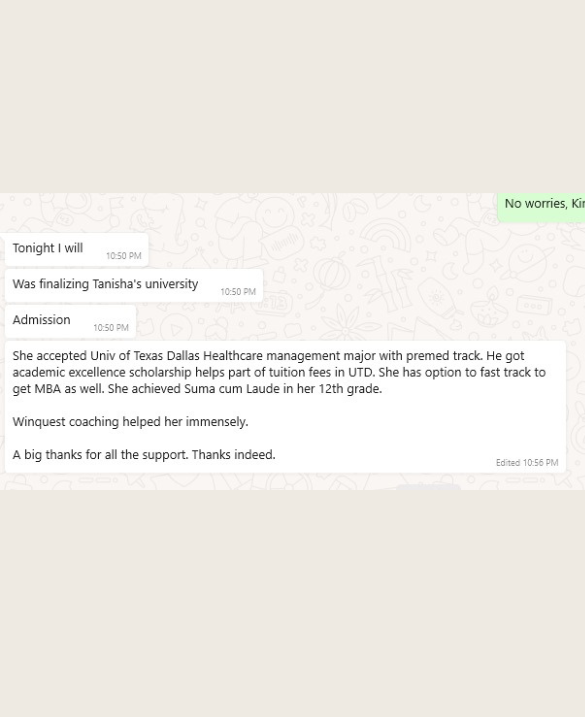
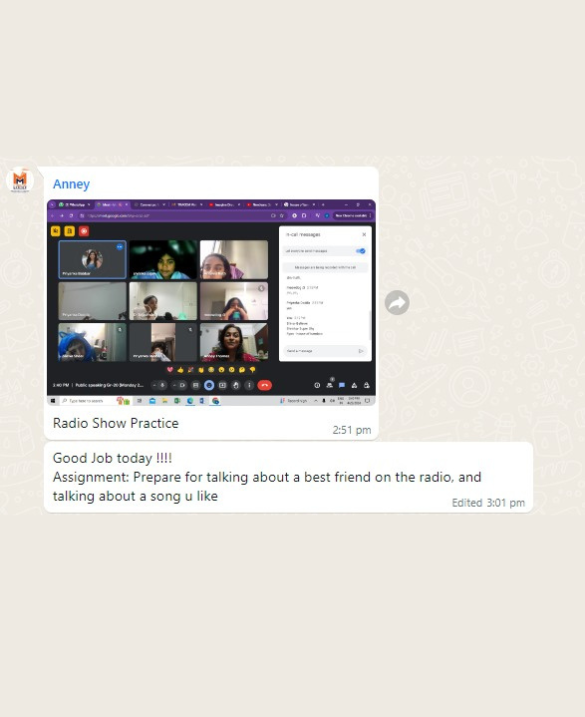
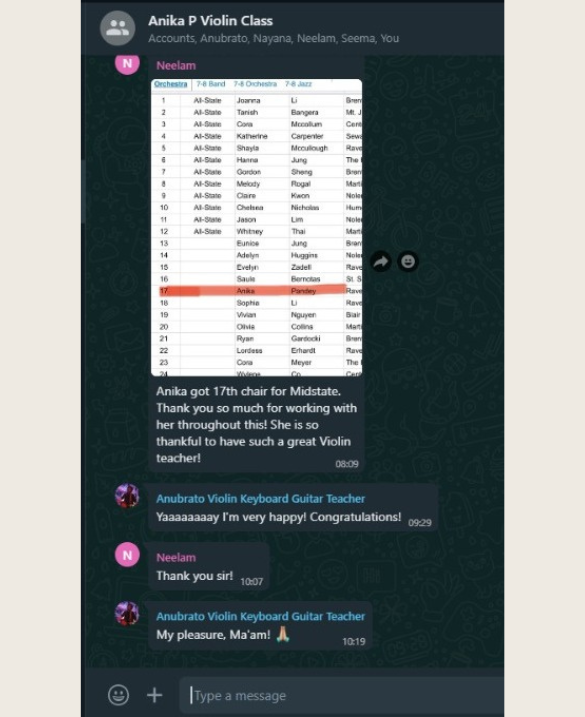
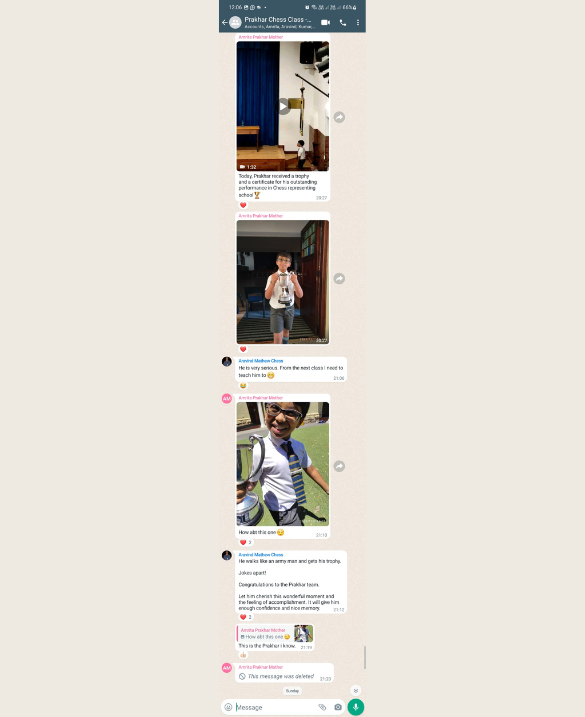
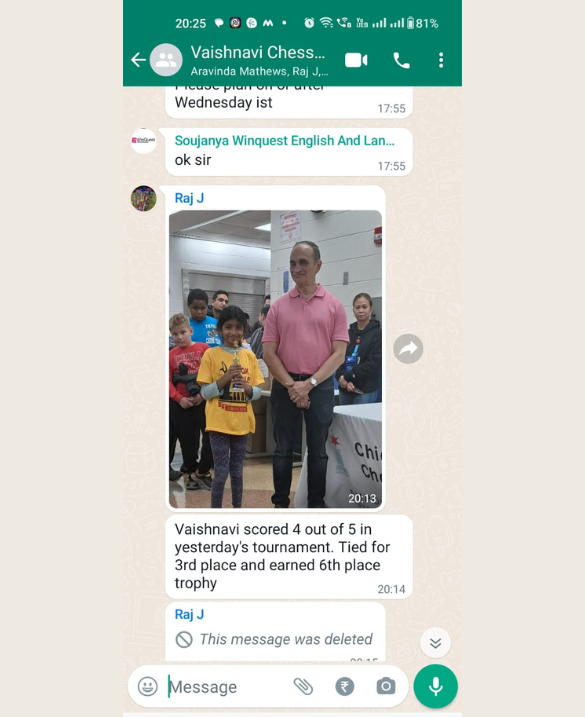
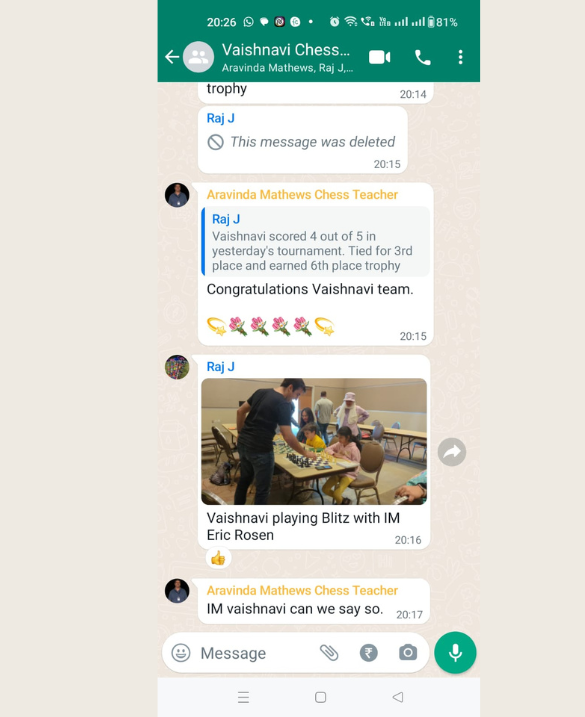
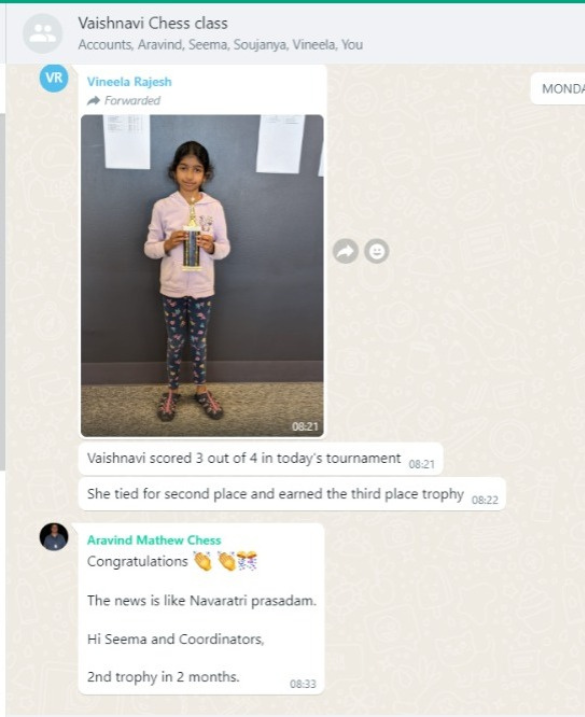
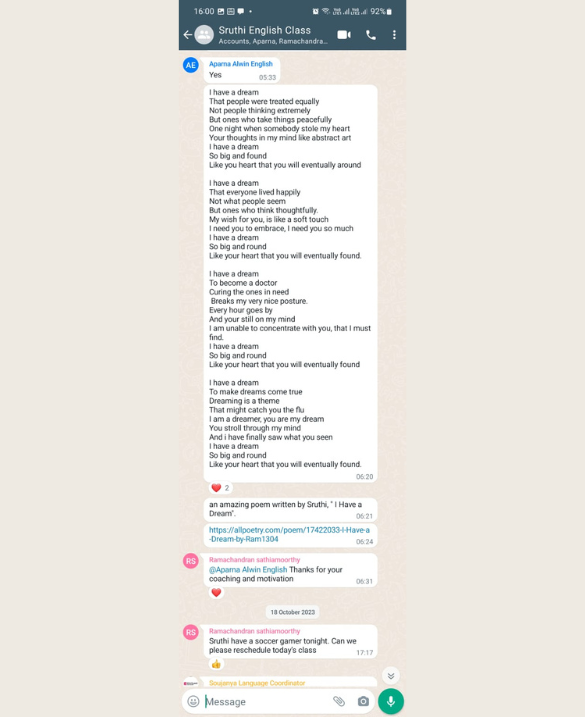
WhatsApp Testimonials
Real Voices from Our WhatsApp Community 💚📚
Latest News and Resources
📰 Learning Updates | 📘 Tips | 🎓 Resources | 💻 Online Courses