
Course Details
Mandarin
Mandarin
The language of global business—enhance your future with fluent Mandarin skills
Why Choose Online Mandarin Classes?
Overview
WinQuest Online Mandarin Chinese - live 1:1 or small-group classes mapped to the major Mandarin syllabuses your child may follow: the international HSK / HSKK ladder (Levels 1-6 / 7-9; awarded by Hanban / Chinese Testing International), US Common Core / ACTFL + AP Chinese Language and Culture, CBSE Chinese (Code 086) and ICSE Chinese, Cambridge IGCSE Mandarin Chinese Foreign Language 0547 (Year 10-11) and Cambridge AS / A-level Chinese 9778 (Year 12-13).
What You'll Learn
- Live interactive sessions
- 1st one-on-one session
- Comprehensive curriculum
- No long-term commitment
- Personalized learning plan
International - HSK / HSKK
Greetings, Pinyin & Tones+
- Ni hao / zaijian, presentation phrases - introducing yourself (wo jiao..., wo X sui, wo shi yindu ren), saying where you live.
- Pinyin pronunciation - the 4 tones + neutral, initials (b, p, m, f, d, t, n, l), finals (a, o, e, i, u, u). Daily tone drills.
- Numbers 0-100 in Chinese (yi, er, san, si, wu, liu, qi, ba, jiu, shi), days of the week (xingqi yi, xingqi er...), months (yi yue, er yue...).
First 150 Characters+
- Stroke order (left to right, top to bottom, horizontal before vertical) - the 8 basic strokes; writing characters in the correct sequence.
- 150 high-frequency characters from the HSK 1 list - family (ren, jia, ba, ma), numbers (yi, er, san), pronouns (wo, ni, ta), basic verbs (you, shi, qu, lai).
- Reading short sentences with these characters; recognising both simplified (jianti) characters (used in mainland China and Singapore).
Foundation Grammar+
- Subject-Verb-Object word order (wo chi pingguo - I eat apple) and the basic shi sentence (Beijing shi shoudu - Beijing is the capital).
- Negation with bu (bu shi, bu xihuan) and mei (mei you); yes-no questions with the particle ma (Ni shi xuesheng ma?).
- Measure words (yi ben shu - one book; san ge ren - three people) - the most common measure words for HSK 1 vocabulary.
HSK 1 Exam Skills (Hanban / Chinese Testing International)+
- Listening - 20 questions (15 min) at a slow, clear pace; picture-matching, true / false, multiple-choice.
- Reading - 20 questions (17 min): sentence-picture matching, sentence-sentence matching, true / false, multiple-choice.
- No formal writing on HSK 1; HSKK Beginner (oral) - reading aloud + listening-repeat + short answer (20 min).
Wider Topics & Tense+
- Travel, weather, daily routine, food, hobbies, shopping; expressing time with le (action completed - wo chi le fan) and guo (experiential - wo qu guo Zhongguo).
- Future intentions with yao + verb (wo yao xue Hanyu) and the imminent future with kuai... le (kuai chi le - about to eat).
- Direction complements (lai / qu - towards / away, jin / chu - in / out, hui - back) attached to verbs (jinlai, chuqu, huilai).
300 Characters Total+
- 150 new characters (cumulative 300) - including jiao (call), zai (at / be at), ye (also), dou (all), hen (very), tai (too), name (so / that).
- Reading short paragraphs and dialogues with these characters.
- Writing short sentences with correct stroke order, character spacing and punctuation (Chinese full stop is a small circle).
Practical Mandarin in Use+
- Asking questions with question-words (shei - who, shenme - what, nali / na'er - where, weishenme - why, zenme - how, jige - how many).
- Comparisons with bi (wo bi ni gao - I am taller than you) and degrees with hen (very), feichang (extremely), youdianr (a bit).
- Conjunctions - yinwei... suoyi (because... so), suiran... danshi (although... but), ruguo... jiu (if... then).
HSK 2 Exam Skills+
- Listening - 35 questions (25 min): picture-matching, dialogue-matching, multiple-choice.
- Reading - 25 questions (22 min): sentence-picture, sentence-sentence, gap-filling, multiple-choice.
- HSKK Beginner Oral - reading aloud + listening-repeat + responding to questions (20 min).
Opinions, Past & Modals+
- Expressing opinions (wo juede, wo renwei, wo gan juede), giving advice (yinggai - should, bixu - must, keyi - can), making suggestions.
- Reviewing all past markers (le, guo, zai, zhengzai), aspect particles in combination.
- Modal verbs - hui (know how / will, future), neng (be able to physically), keyi (be allowed to), yao (want to / will), xiang (want to / think).
600 Characters Total+
- 300 new characters (cumulative 600) - more abstract vocabulary (sixiang - thought, gandao - feel, lijie - understand, biaoda - express).
- Reading short stories and essays at HSK 3 level (~600-character pool).
- Writing short paragraphs (80-100 characters) using connectors and varied sentence structures.
Complex Structures+
- The ba sentence (ba + object + verb-result: wo ba shu na lai - I bring the book) - rearranging object before verb to focus the result.
- The bei sentence (passive: shu bei wo na lai le - the book has been taken by me).
- Complement of degree (cheng-du buyu - chi de hen kuai - eat very quickly) and complement of result (xie wan - finish writing, kan dong - understand by reading).
HSK 3 Exam Skills+
- Listening - 40 questions (35 min): picture-matching, judging dialogues true / false, multiple-choice questions on conversations.
- Reading - 30 questions (30 min): selecting sentences, gap-filling with connectors, multiple-choice.
- Writing - 10 questions (15 min): rearranging words into a sentence + writing characters from pinyin.
Abstract Topics & Idiom+
- Society (jiaoyu zhidu - education system, jia ting jiazhi guan - family values), environment (huanjing wuran - pollution, kechixu fazhan - sustainability), technology (renwo zhineng - AI, shejiao meiti - social media).
- Common chengyu (4-character idioms) like ma ma hu hu (so-so), yi ju liang de (kill 2 birds with 1 stone), san xin er yi (half-hearted).
- Refining tone production and sentence prosody in extended speech.
1,200 Characters Total+
- 600 new characters (cumulative 1,200) - including academic / abstract vocabulary needed for newspaper reading.
- Reading newspaper articles, blog posts, opinion pieces at HSK 4 level.
- Writing essays of 200-300 characters with structured argument.
Advanced Grammar+
- Complex sentence structures using lian... ye / dou (even...), bu shi... jiu shi (either... or), buguan... dou (no matter... still).
- Relative clauses with de (wo zuotian mai de shu - the book I bought yesterday).
- Connectors for argument - shouxian / qici / zuihou (firstly / secondly / finally); zongzhi (in summary); jushuo (it is said).
HSK 4 Exam Skills+
- Listening - 45 questions (30 min): short dialogues, longer dialogues, monologues, with multiple-choice questions.
- Reading - 40 questions (40 min): selecting sentences, gap-filling, ordering sentences, multiple-choice.
- Writing - 15 questions (25 min): rearranging into sentences + writing a short essay from a picture or topic.
Complex & Demanding Texts+
- Reading newspaper editorials (Renmin Ribao, Wen Hui Bao), literary excerpts (Lu Xun, Lao She, Mo Yan), academic articles at high vocabulary range.
- Specialised vocabulary across domains - economy (GDP, jingji weiji), politics (zhengfu, falu), science (kexue, shuxue, jisuan), literature.
- Recognising classical Chinese flourishes (gu wen) in modern writing and idiomatic 4-character phrases.
2,500 Characters Total+
- 1,300 new characters (cumulative 2,500) - rich academic and literary vocabulary.
- Reading novels, longer essays and academic writing at HSK 5 level.
- Writing essays of 400-600 characters with native-like sentence variety.
Refined Grammar & Style+
- Stylistic variation - shi / shu vs colloquial (shi wo de - written / formal; wo de - colloquial).
- Complex passive structures, conditional clauses, hypothetical constructions (jiaru / ruoshi... jiu / bian).
- Topic-comment structures (Lu Xun de xiaoshuo, wo dou kanguo - "Lu Xun's novels - I've read all of them").
HSK 5 Exam Skills+
- Listening - 45 questions (30 min): longer dialogues and monologues at natural speed.
- Reading - 45 questions (45 min): gap-filling, longer reading passages, multiple-choice.
- Writing - 10 questions (40 min): rearranging into sentences + writing an essay (around 80 characters short + 80 characters from picture).
Near-Native Mastery+
- Understand virtually everything heard or read in Mandarin, including specialised terminology, regional accents and classical references.
- Literary criticism, academic writing, technical / legal Chinese.
- Chinese-language films and theatre at native speed; live news, debates, lectures.
5,000 Characters Total+
- 2,500 new characters (cumulative 5,000) - full literary, academic and professional vocabulary.
- Reading classical Chinese excerpts (Lun Yu, Mengzi), modern literature, scientific papers.
- Writing long-form essays (1,000+ characters) with literary register where appropriate.
HSK 6 Exam Skills+
- Listening - 50 questions (35 min): long dialogues, news reports, lectures at full native speed.
- Reading - 50 questions (50 min): long reading passages, gap-filling with discourse markers, ordering paragraphs.
- Writing - 1 task (45 min): read a 1,000-character text and write a summary in 400 characters - testing comprehension and concise expression.
USA - Common Core / ACTFL + AP Chinese
Foundations+
- Greetings, introductions, classroom commands; numbers 0-100, days, months, time, weather.
- The 4 tones + neutral; pinyin initials, finals; basic character recognition with stroke order.
- 150-300 high-frequency characters (HSK 1-2 range); family vocabulary, school subjects, hobbies.
Daily Life & Culture+
- Family, house, food, drinks, hobbies, sports; daily routine vocabulary.
- Geography of Greater China (mainland, Hong Kong, Taiwan, Singapore) and Chinese-speaking communities in the US.
- Festivals - Chun Jie (Spring Festival), Zhong Qiu Jie (Mid-Autumn), Duan Wu Jie (Dragon Boat); cultural significance.
Grammar Starters+
- Subject-Verb-Object word order; the shi sentence; basic measure words (ge, ben, zhi).
- Negation (bu, mei you), yes-no questions (ma), question-word questions (shei, shenme, nali).
- Present-tense verbs without conjugation; possession with de (wo de shu - my book).
Past & Future+
- Aspect markers - le (action completed), guo (experiential past), zai / zhengzai (ongoing present).
- Future intent (yao + verb, dasuan + verb, xiang + verb); imminent future (kuai... le).
- Time expressions (zuotian, jintian, mingtian, xianzai, yiqian, yihou) and how they cue tense.
Conversation & Culture+
- Ordering at a restaurant, asking for directions, shopping for goods and clothes - all in Mandarin.
- Chinese cinema - intro to Zhang Yimou, Wong Kar-wai, Ang Lee; classical (Beijing opera) and contemporary music.
- Chinese cuisine - regional variations (Sichuan, Cantonese, Beijing, Shanghainese).
Grammar+
- Direction complements (lai / qu, jin / chu, hui), result complements (kan dong, ting jian, xie wan).
- Comparisons with bi, comparatives, superlatives (zui).
- Relative clauses with de (wo zuotian mai de shu - the book I bought yesterday).
AP Chinese Themes+
- Families and Communities, Personal and Public Identities, Beauty and Aesthetics.
- Science and Technology, Contemporary Life, Global Challenges.
- Each theme explored in depth with native materials at HSK 4-5 level.
AP Chinese Skills Build+
- Email reply task - 15-min response with greeting, body addressing each question, follow-up, sign-off.
- Persuasive essay structure - 40 min after analysing 3 sources (article, audio, image) with thesis + evidence + conclusion.
- Conversation simulation (6 turns of 20s) and cultural comparison (4 min prep + 2 min presentation).
Character Mastery+
- Targeted 1,500-2,000 character active recognition for AP exam.
- Reading at AP-level speed - newspaper articles, blog posts, social-media excerpts.
- Stroke order, character writing on iPad / paper with stylus, typing in pinyin input.
AP Exam Structure+
- Section I MCQ (90 min) - 70 questions on listening + reading.
- Section II FRQ (90 min) - story narration, email response, conversation, cultural presentation.
- 2-4 full-length proctored mock exams; targeting scores of 4 or 5.
Cultural Mastery+
- Reading contemporary Chinese authors and journalism.
- Film analysis - mainland, Hong Kong and Taiwan cinema.
- Cross-cultural comparison essays - similarities / differences between US and Chinese perspectives.
Final Prep+
- Score-band targeting with detailed FRQ feedback.
- Time management and exam-day routine.
- May AP exam preparation; concurrent HSK 4-5 testing recommended.
India - CBSE Chinese (Code 086)
Structure+
- CBSE offers Mandarin Chinese under Code 086 (Class 9-12). The syllabus mirrors HSK Levels 1 (Class 9) -> 2 (Class 10) -> 3 (Class 11) -> 4 (Class 12).
- Section A - Reading (20 marks): pinyin + character comprehension passages.
- Section B - Writing (20 marks): character writing, sentence construction, short composition.
Grammar & Vocabulary+
- Class 9-10: 600 active characters; SVO order, le / guo / zai aspects, measure words, comparison with bi.
- Class 11-12: 1,200 active characters; ba / bei sentences, complement structures, modal verbs.
- Audio practice - tones, dialogues at HSK 2-4 speed.
Culture (Section C / D)+
- Chinese festivals, geography, history at age-appropriate depth.
- Famous Chinese personalities - Confucius, Sun Yat-sen, Mao, Deng Xiaoping, Jack Ma, Yao Ming.
- CBSE Sample Paper practice + 2-3 mocks before March exam.
India - ICSE Chinese
ICSE Class 9-10+
- Section A Composition - picture composition, dialogue, paragraph (200-300 characters).
- Section B Comprehension - unseen prose passages with vocabulary, comprehension, inference.
- Section C Grammar - all aspect particles, measure words, comparison with bi, basic complements.
ISC Class 11-12+
- Composition (450-550 characters equivalent) - argumentative, narrative, descriptive.
- Comprehension - longer passages including short literary excerpts.
- Grammar mastery - ba / bei sentences, complex complements, topic-comment.
Literature (ISC; 20 marks)+
- Prescribed Chinese prose / story collection from ISC list.
- Selected poetry (modern, not classical at ISC level).
- 2-3 full mocks before February exam.
Cambridge IGCSE 0547
IGCSE Topic Areas - all 5+
- Everyday activities - home life, school, food, health; Personal and social life.
- The world around us; The world of work; The international world - travel, culture, current affairs.
- Active character pool - approximately 800-1,000 characters by exam time.
Grammar Range+
- All major aspect markers (le, guo, zai, zhengzai), modals (hui, neng, keyi, yao, xiang).
- Ba and bei sentences; result and direction complements; relative clauses with de.
- Comparatives with bi, bi... duo / shao, mei... name + adjective.
IGCSE Skills Build+
- Paper 1 Listening - 6 questions (about 45 min; 25%) - announcements, conversations, monologues.
- Paper 2 Reading - 7 questions (about 1 hr; 25%) - signs, ads, brochures, articles, narratives.
- Paper 3 Speaking (about 10 min; 25%) and Paper 4 Writing (about 1 hr; 25%) - intensive prep.
Paper 4 Writing - exam-day mastery+
- Q1 List task (8 marks); Q2 80-90 character task (16 marks); Q3 130-140 character task (26 marks).
- Character writing accuracy + content + organisation; A* targeting.
- 5 years of past-paper practice with detailed mark-scheme calibration.
Cambridge AS / A-level (9778)
AS Paper 1 - Speaking (30 marks; 15 min)+
- Topic discussion on a chosen topic - young people, healthy living, customs, family.
- General discussion on contemporary Greater-China issues - mainland reform, Hong Kong, Taiwan, the global Chinese diaspora.
- Pronunciation refinement - tone accuracy in connected speech, eliminating non-native sandhi patterns.
AS Paper 2 - Reading & Writing (40 marks; 1 hr 45 min)+
- Comprehension of two texts (one journalistic, one literary) at HSK 5 level.
- 250-character essay in Chinese on a given topic.
- Translation Chinese-to-English (~120 characters) of an authentic Chinese text.
A2 Paper 3 + 4 (A-level only)+
- Paper 3 - Listening + 250-character essay + translation English-to-Chinese (~140 characters).
- Paper 4 - Two extended essays in Chinese on prescribed cultural topics.
- Topic A: a country / region in depth; Topic B: a literary or cultural movement / figure.
A* Targeting+
- 4 full Paper 3 + 4 mocks under exam conditions.
- A* model answers + mark-scheme calibration.
- May / October exam-session preparation.
Requirements
- A laptop, desktop or tablet with stable internet
- Headphones with a clear microphone for tone practice
- A notebook for character writing practice (stroke order)
- For exam-prep tracks: past papers from the relevant board (we share the practice pack)
Reviews
4.9 / 5 ★ · 380+ students enrolled
Parents consistently rate our mentors for personalised attention, clear concepts and steady progress. Book a free demo to experience a class first-hand.
Frequently Asked Questions
How do I get started?+
Click the Book a Demo button on this page and tell us which path your child follows (DELE / school exam / conversational). We will schedule a free trial session with a matching tutor. For details, contact our coordinator on WhatsApp at +91 93308 11581 or email contact@winquestonline.com.
Will the tutor follow my child's exam / curriculum?+
Yes. We currently support DELE A1 through C2 (and the equivalent DELF / Goethe / HSK / TORFL for other languages), US Common Core / ACTFL World Languages, CBSE and ICSE Spanish / French / German as 3rd / foreign language, Cambridge IGCSE 0530 / 0520 / 0525 / 0547 and Cambridge AS / A-level 9719 / 9716 / 9717 / 9778. If your child follows another framework, mention it during the demo and we will match a tutor.
How does payment work?+
We require monthly advance payments for the number of classes scheduled in that calendar month. We accept Zelle, PayPal, UPI (for India), Stripe and major credit / debit cards.
What if my child misses a class?+
For 1:1 sessions we reschedule a make-up at a mutually convenient time at no extra cost (with at least 24 hours notice). For group classes we share a timed recording of the session on parent request, so your child can catch up before the next class.
How long is each class?+
Each class session is 60 minutes long. Frequency is typically twice a week for beginners and three times a week for exam-prep tracks (IGCSE / A-level / DELE), based on the exam timeline and parent preference.
How is progress measured?+
Tutors give written feedback on every assignment, run a short formative quiz every 4-6 classes, and a longer level / chapter test at the end of each unit. For exam-prep tracks we run 2-4 full-length proctored mocks before the actual exam. Parents receive a monthly progress report.
What is the class size?+
For 1:1 sessions the class is just your child and the tutor. For group classes we cap each batch at 5-6 students per level so every learner gets individual speaking and feedback time.
Are the tutors qualified?+
All our language tutors are native or near-native speakers with formal teaching qualifications. For DELE / DELF / Goethe / HSK they hold the relevant instructor certification, and each tutor is interviewed by our academic head before joining.
What if my child wants to switch path mid-way?+
No problem. Tell us during a review and the tutor will re-map the lesson plan - many students start on a school path and add a DELE / DELF / Goethe certification track in parallel, or vice versa.
What are the requirements?+
A laptop / desktop / tablet with stable internet, headphones with a clear microphone for listening and speaking practice, and a notebook for vocabulary and writing. For exam-prep tracks the tutor will share the official past papers and practice pack before the first class.
Student Reviews
No reviews yet — be the first to share your experience with this course!
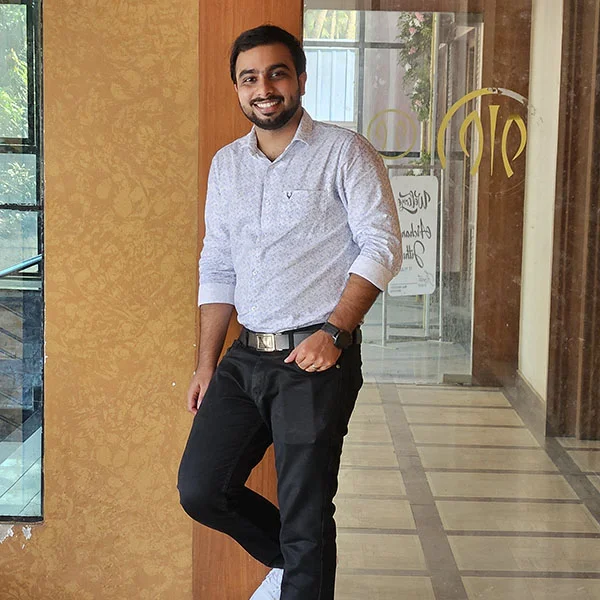
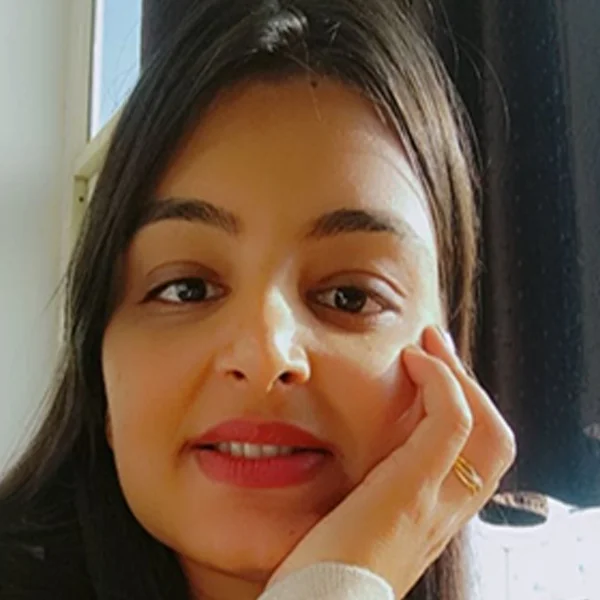
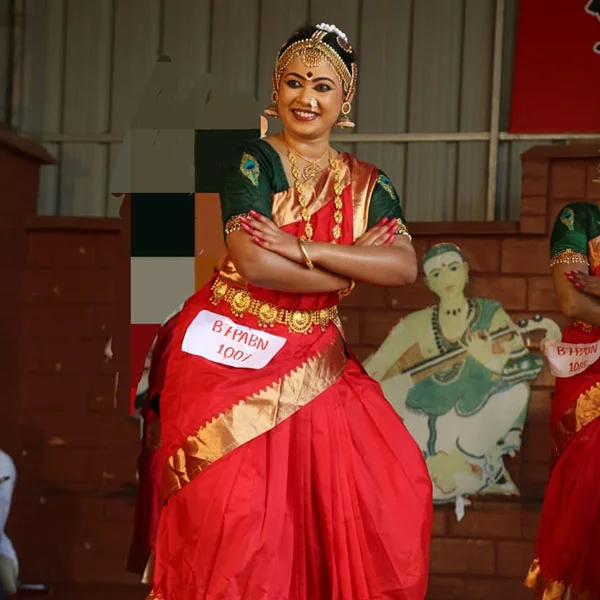
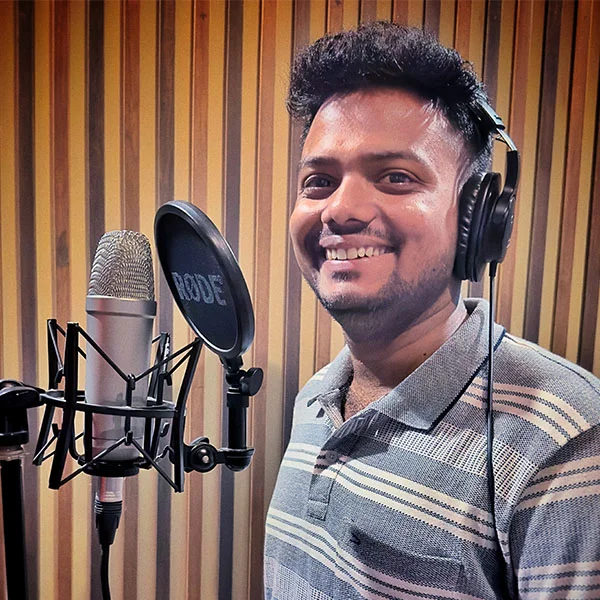
Meet our Teachers
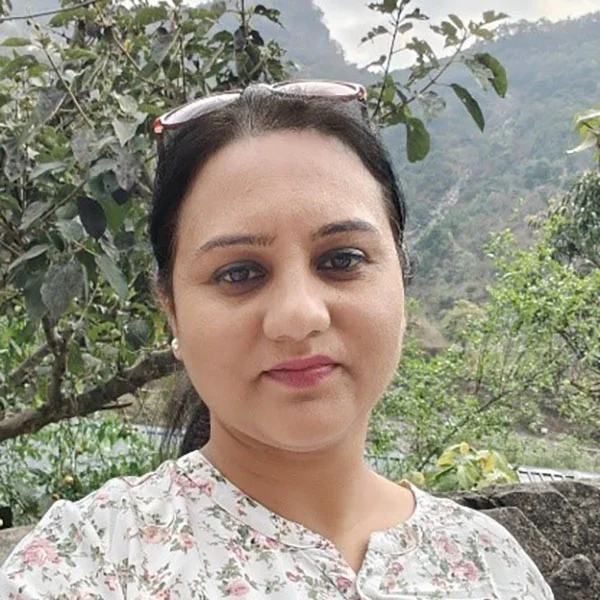
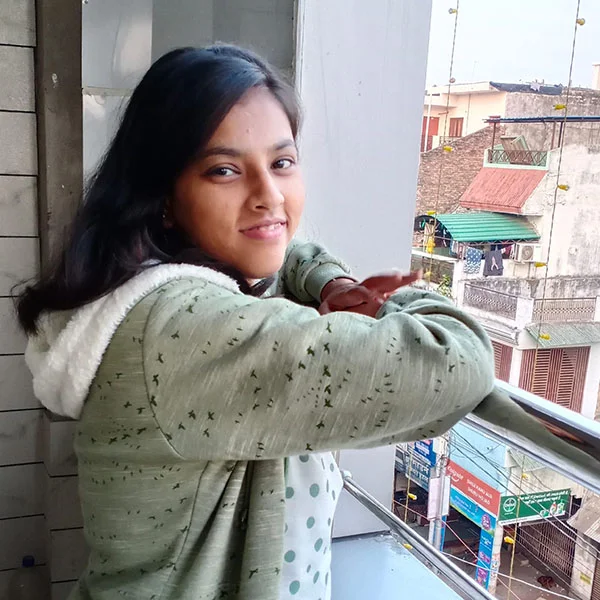
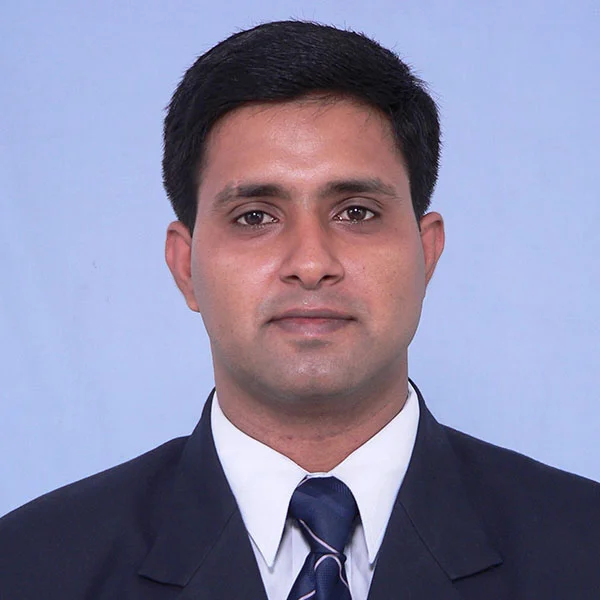
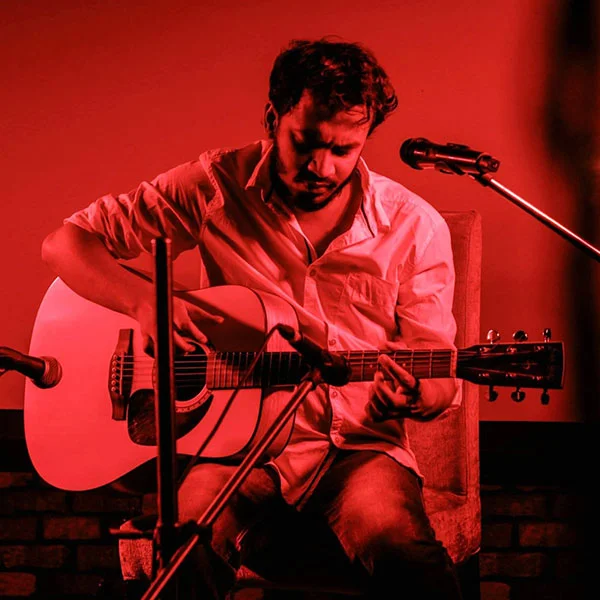
Expert educators who connect, guide, and prepare students with special personalized care ❤️📚✨



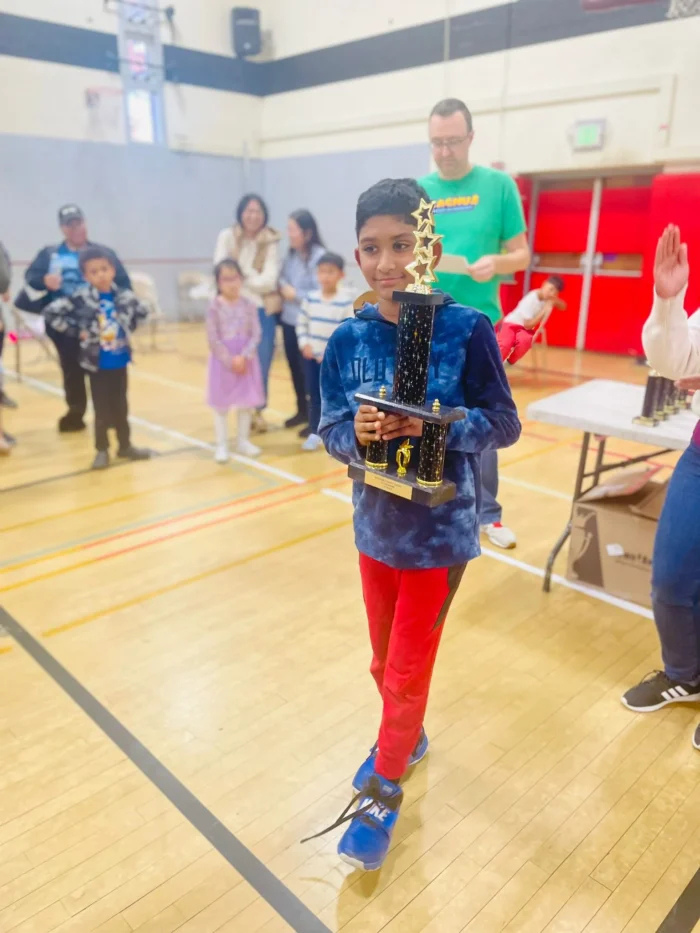
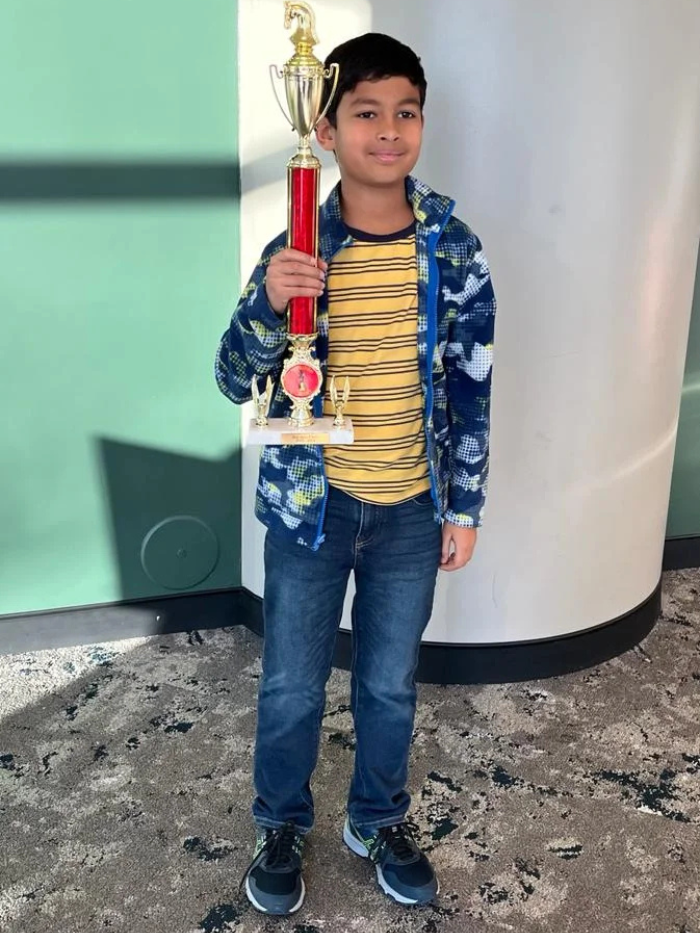
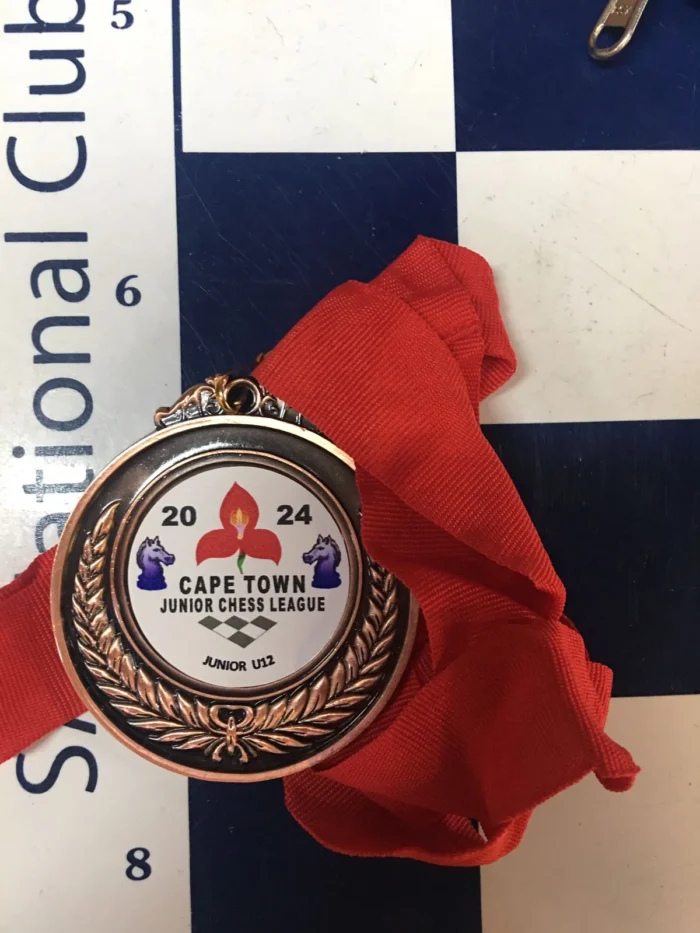
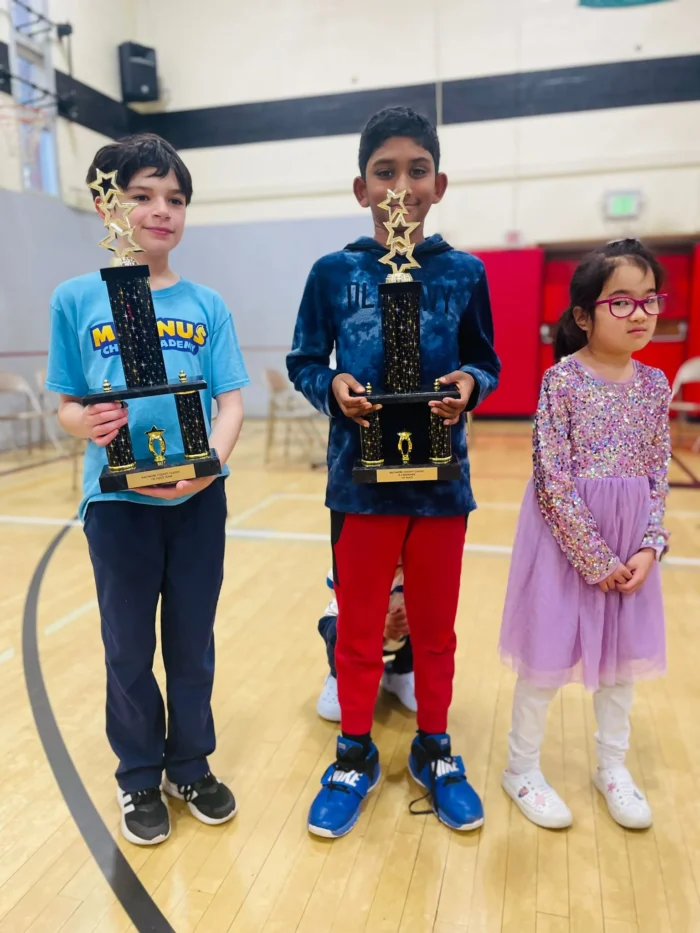
Student Achievements
Making an Impact: 🏆 Student Achievements That Shine | 🌱 Your Growth. Our Mission.
What Our Parents Say About Us
👪 Real Results. Real Parent Voices. 🏆 Futures Built with Care

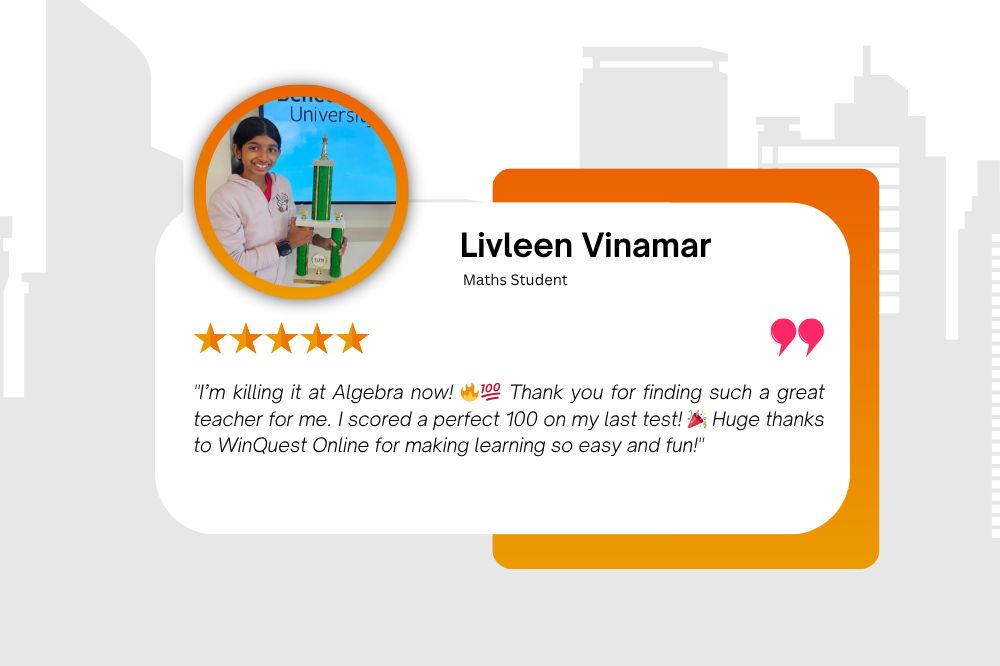
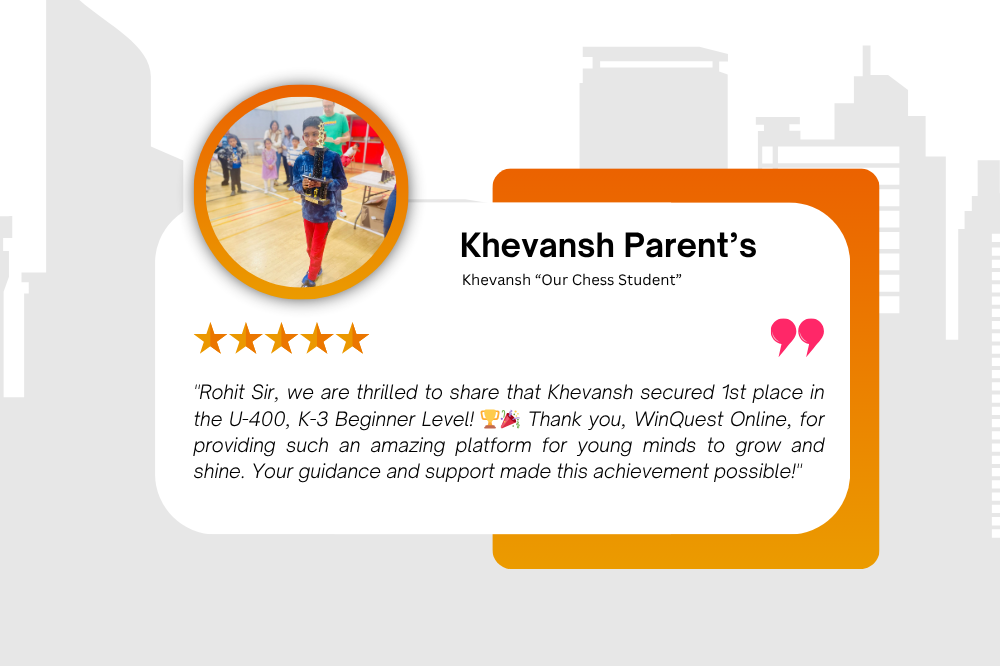
Parent Testimonials
Success Stories That Speak 🌟🎓 Wins That Inspire Pride 🏆
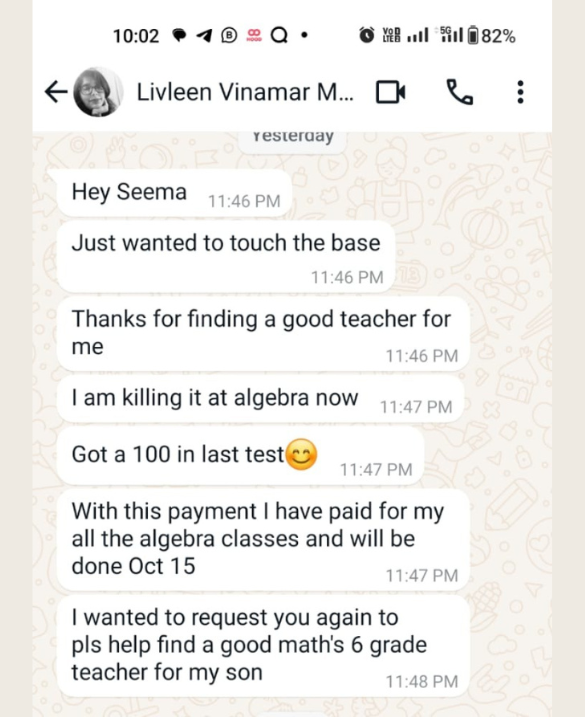
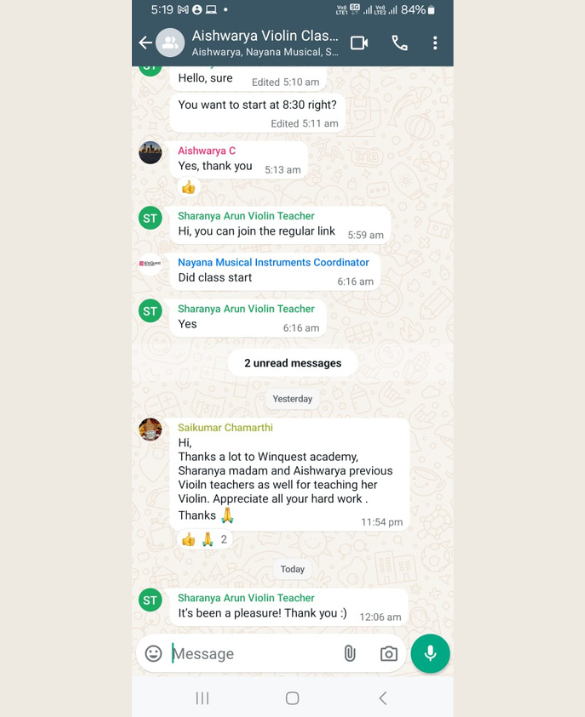
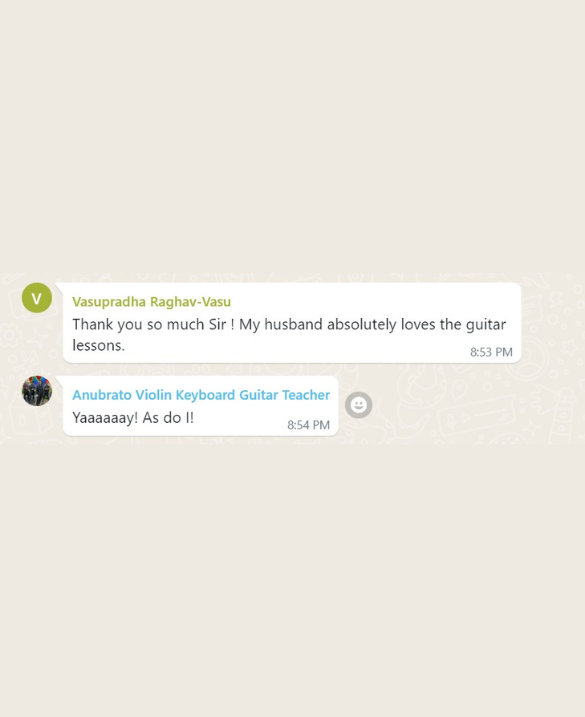
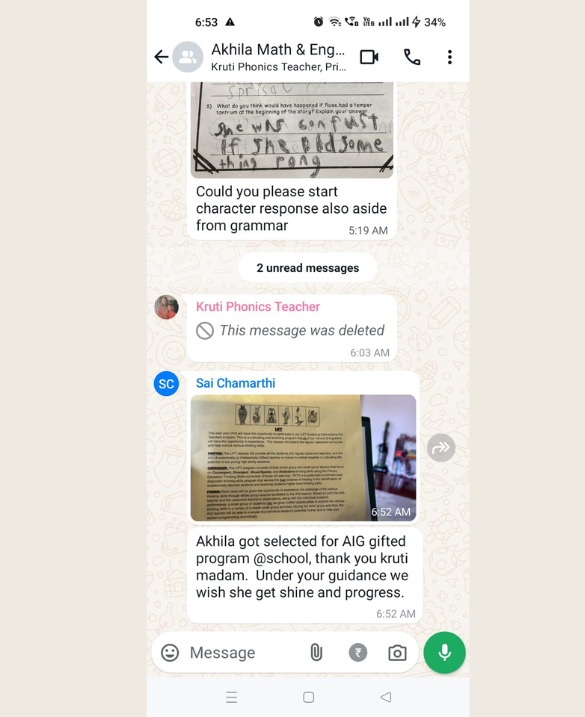
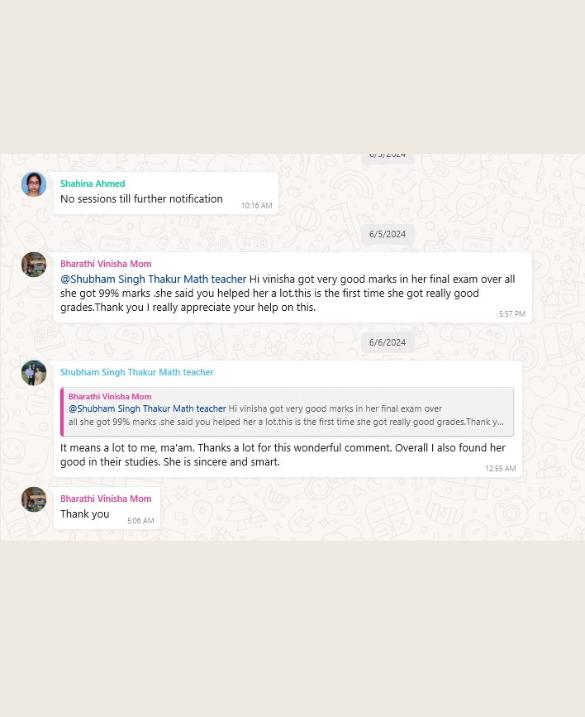
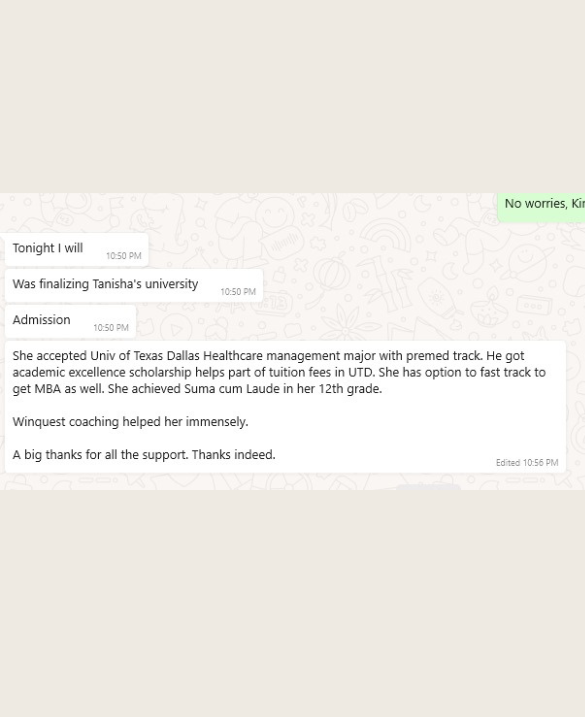
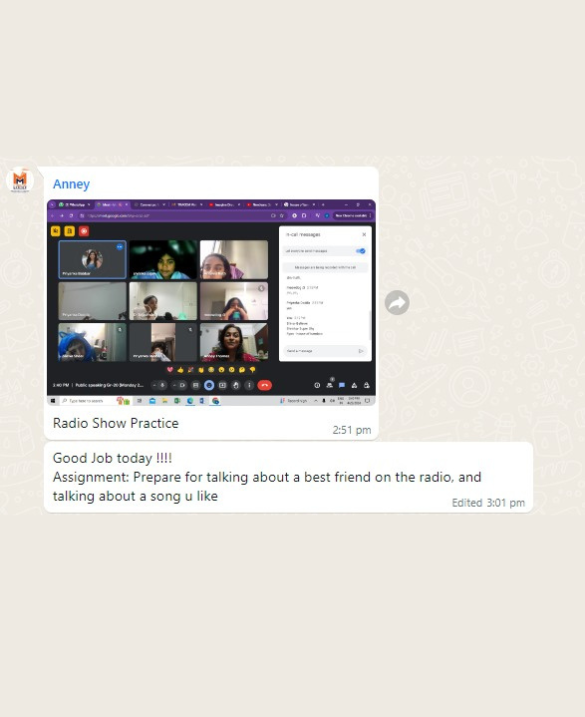
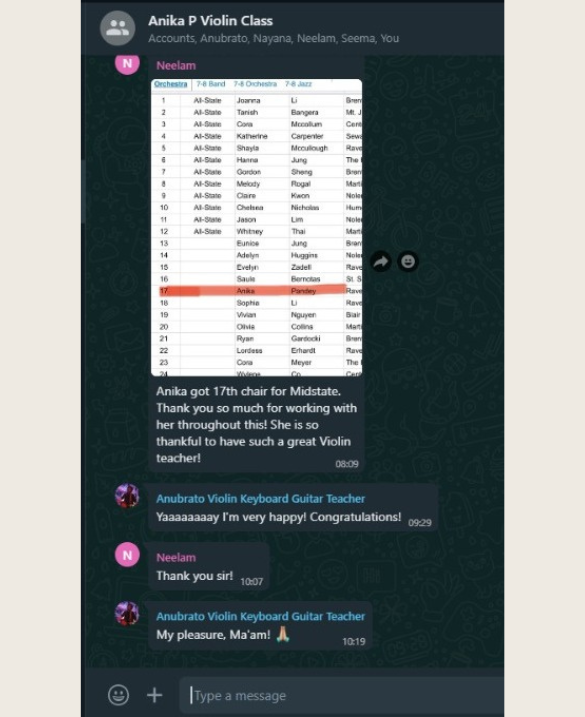
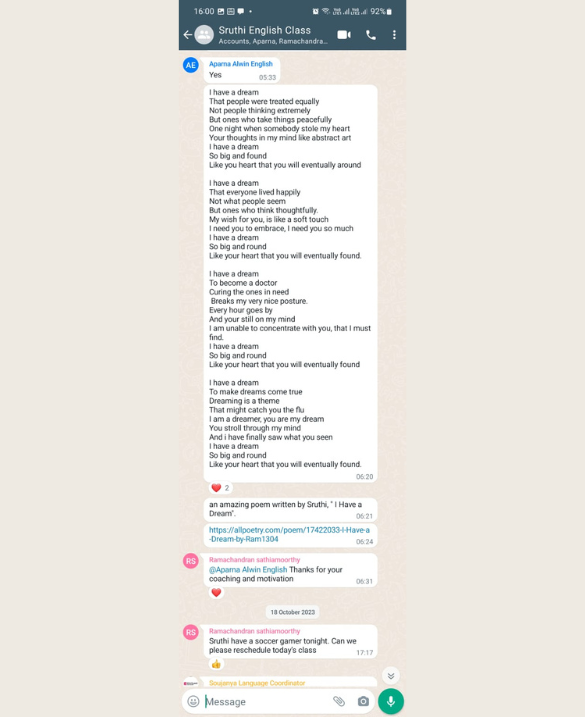
WhatsApp Testimonials
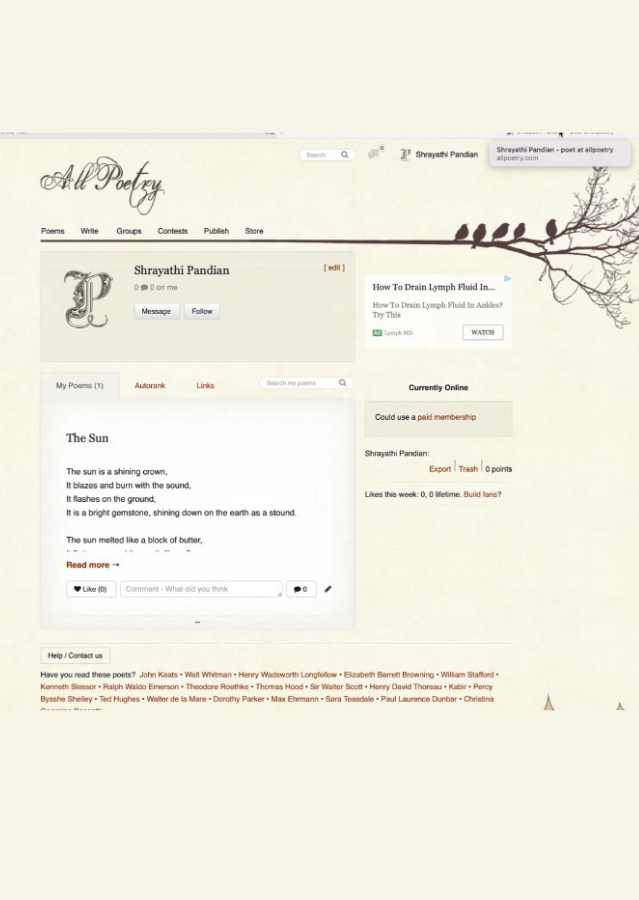
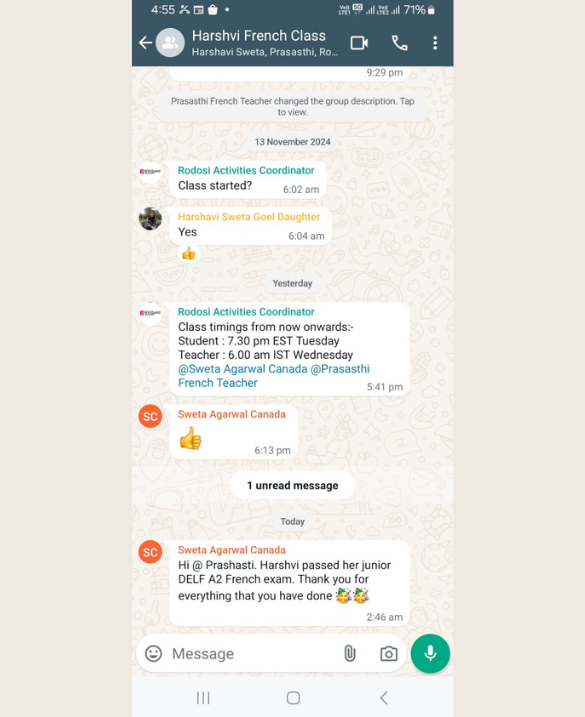
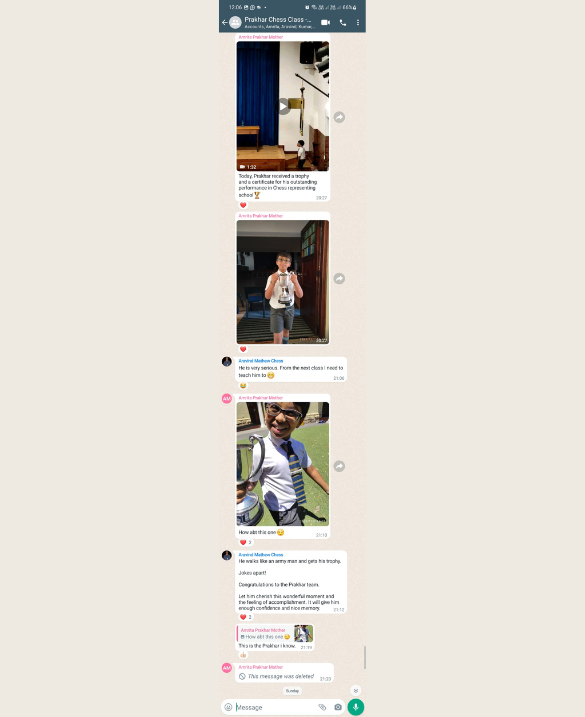
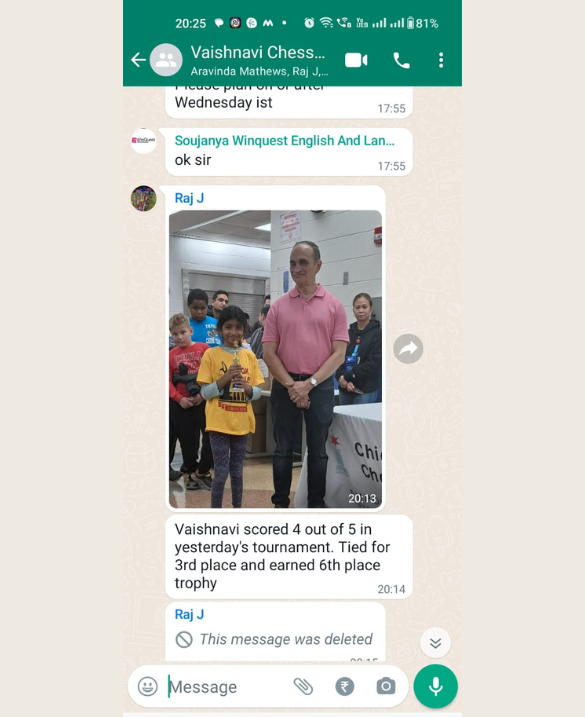
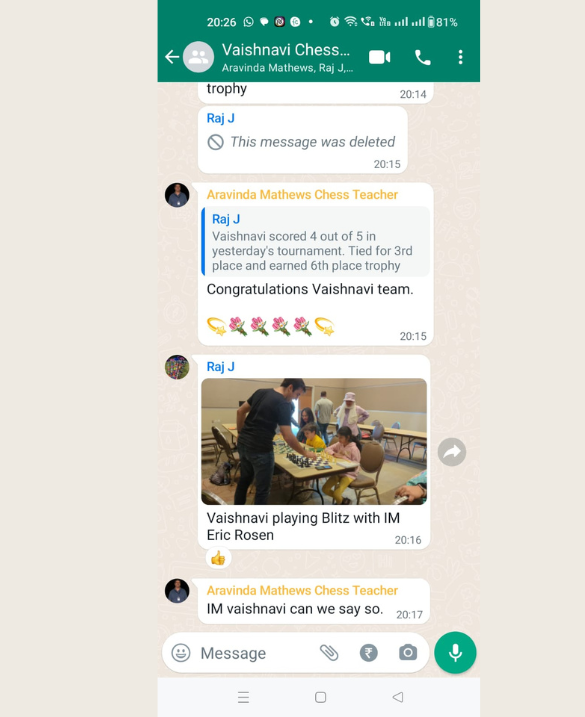
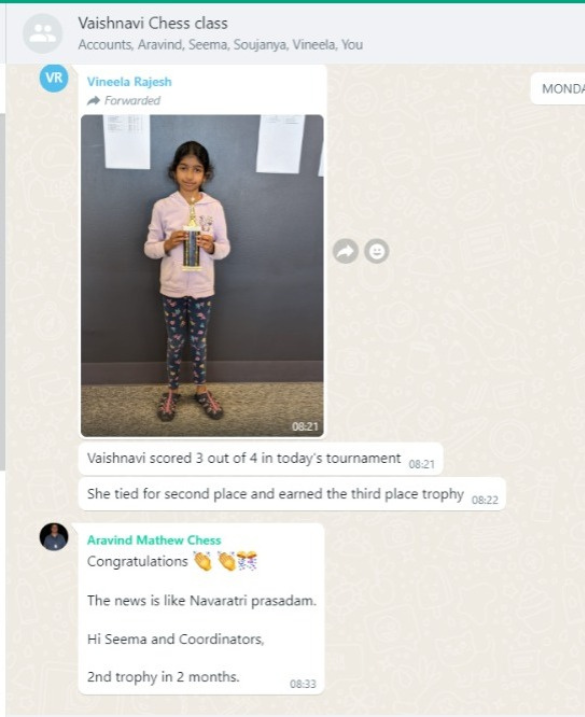
Real Voices from Our WhatsApp Community 💚📚
Latest News and Resources
📰 Learning Updates | 📘 Tips | 🎓 Resources | 💻 Online Courses