
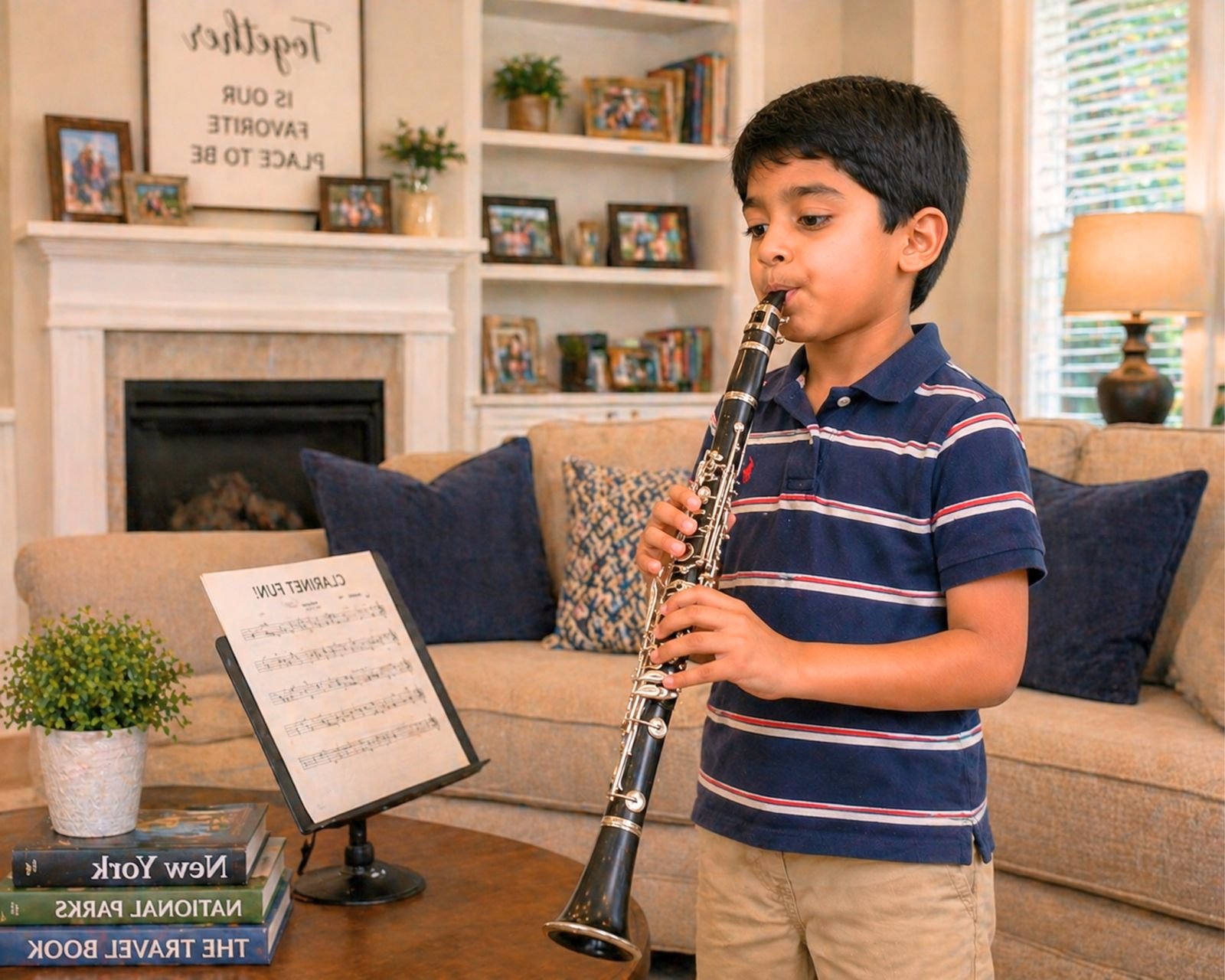
♪ Music Course
Clarinet
Nurture musical brilliance with the expressive tones of the clarinet!
About WinQuest
At WinQuest, we believe that everyone has the potential to unlock their musical talents and start their journey of self-expression. WinQuest provides high-quality, accessible, and engaging online music classes for learners of all ages and skill levels.
We strive to break down barriers to learning and empower individuals from diverse backgrounds to pursue their passion for music, regardless of their geographical location, financial means, or previous experience.
With WinQuest, learners have access to a comprehensive curriculum covering a wide range of musical instruments, genres, and topics. Whether you're a complete beginner or an experienced musician looking to refine your skills, our expert instructors will guide you through personalized lesson plans tailored to your unique learning goals.
Whether you dream of mastering the piano, shredding on the guitar, or composing your own symphonies, WinQuest is here to help you turn your musical aspirations into reality. Join us today and discover the joy of making music with WinQuest – where the quest for excellence begins.
Why Choose Online Clarinet Classes?
About the Curriculum
A brief on the three internationally recognized music institutions whose course structure we mostly follow for Western Music Students.
Associated Board of the Royal Schools of Music (ABRSM)
The Associated Board of the Royal Schools of Music (ABRSM) is an internationally recognized examination board based in the United Kingdom. Established in 1889, ABRSM is one of the leading institutions for music education and assessment worldwide.
ABRSM provides a comprehensive curriculum for music students, offering graded exams and diplomas in various musical instruments, singing, and theory. The curriculum covers a wide range of musical genres and styles, ensuring a holistic development of musicianship. The graded exams consist of practical assessments, where candidates perform pieces, scales, and technical exercises, along with aural and sight-reading components.
The ABRSM curriculum is structured into eight graded levels, starting from Initial and progressing through Grades 1 to 8. Each grade represents an incremental increase in difficulty, allowing students to develop their musical skills gradually. The curriculum emphasizes not only technical proficiency but also musical expression, interpretation, and aural awareness.
In addition to traditional Western classical music, ABRSM incorporates diverse repertoire choices to cater to the varied interests of musicians. Successful completion of ABRSM exams is widely recognized and respected, providing a valuable benchmark for musical achievement and proficiency. The ABRSM curriculum serves as a valuable guide for music educators and students alike, promoting a systematic and well-rounded approach to music learning and assessment.
Trinity College London
Trinity College London, commonly known as Trinity, is a renowned international examination board that focuses on the assessment and certification of musical and performing arts abilities. Established in 1877, Trinity has a rich history in providing high-quality examinations and certifications in various artistic disciplines.
Trinity's music curriculum encompasses a diverse range of genres and styles, offering graded examinations for instruments, singing, and theory. The graded system consists of eight levels, from Initial to Grade 8, each representing a progressive stage of difficulty and musical proficiency. The curriculum covers practical elements, such as performance, technical exercises, and aural skills, ensuring a well-rounded evaluation of a candidate's musical abilities.
One distinctive feature of Trinity's approach is its emphasis on contemporary and popular music alongside classical genres. This inclusion caters to the diverse interests of musicians and reflects the evolving landscape of musical expression. Trinity's assessments also include a focus on improvisation, allowing candidates to showcase their creativity and adaptability.
In addition to graded exams, Trinity offers diplomas for advanced-level candidates seeking further recognition of their musical accomplishments. The qualifications awarded by Trinity College London are widely respected and recognized globally, providing musicians with a credible benchmark for their artistic achievements. Trinity's curriculum is designed to foster a holistic understanding of music, encouraging both technical proficiency and expressive artistry in performers and educators.
Rockschool Limited
Rockschool Limited is a leading music examination board that specializes in contemporary music genres, particularly rock and pop. Established in 1991, Rockschool has gained prominence for its innovative approach to music education, focusing on the diverse styles of popular music.
The Rockschool curriculum offers graded examinations for electric guitar, bass guitar, drums, vocals, piano, and music theory. The graded system spans from Debut to Grade 8, providing a structured framework for students to develop their skills progressively. This approach ensures that learners are exposed to a variety of musical elements, including technical exercises, performance, and aural skills.
One notable feature of Rockschool's curriculum is its contemporary repertoire, which is carefully curated to reflect current trends in rock, pop, metal, and other modern music genres. This emphasis on relevance and inclusivity allows students to engage with music that resonates with their interests, making the learning experience more enjoyable and motivating.
Rockschool examinations often incorporate real-world music scenarios, such as playing in a band or recording a track, providing a practical and immersive assessment experience. This approach aligns with the demands of the modern music industry and prepares students for real-world performance situations.
Level 1
Exam Preparation Target+
- Prep for Trinity Clarinet Initial & Grade 1
- Prep for ABRSM Clarinet Initial & Grade 1
Anatomy of the Clarinet+
- Mouthpiece, reed, barrel, upper joint, lower joint, bell
- Reed function and sound production
- Introduction to the key system
Fundamental Techniques+
- Embouchure formation (reed control and lip placement)
- Proper posture and hand positioning
- Breath control (steady airflow support)
- Tone production (clear and warm sound)
Scales and Notes+
- Staff notation (treble clef)
- Basic notes (E to C range – chalumeau register)
- Fingering system
- Major scales (C Major, G Major – 1 octave)
Rhythm and Timing+
- Basic rhythm reading; note values
- Counting exercises; playing with a metronome
Playing Techniques & Songs+
- Basic tonguing (ta articulation); legato and basic staccato
- Smooth note transitions
- 30+ beginner melodies; 20+ simple pieces with proper tone
Reading & Musical Expression+
- Reading staff notation; rests, ties, dotted rhythms
- Dynamics, basic phrasing and tone shaping
Learning Outcomes+
- Produce a clear tone with correct embouchure
- Play basic melodies with accuracy
- Demonstrate breath and articulation control
- Perform 10+ beginner pieces; ready for Initial/Grade 1
Repertoire — ABRSM Initial & Grade 1
- Initial (perform 2 pieces): Hot Cross Buns / Mary Had a Little Lamb / Lightly Row / When the Saints Go Marching In
- Grade 1 (perform 3 pieces): Ode to Joy (Beethoven) / Minuet in G (Bach, simplified) / Jingle Bells / Amazing Grace
Repertoire — Trinity Initial & Grade 1
- Initial (perform 2 pieces): London Bridge / Twinkle Twinkle Little Star / You Are My Sunshine
- Grade 1 (perform 3 pieces): Greensleeves / Scarborough Fair / Ode to Joy
Practice Song List — Beginner (Level 1)
- Twinkle Twinkle Little Star · Mary Had a Little Lamb · Jingle Bells · Happy Birthday · Ode to Joy (Beethoven) · Lightly Row · When the Saints Go Marching In · London Bridge · Hot Cross Buns · Au Clair de la Lune
- Frère Jacques · Old MacDonald Had a Farm · Row Row Row Your Boat · Yankee Doodle · Brahms' Lullaby · Simple Gifts · This Old Man · The Muffin Man · Scarborough Fair (simplified) · Greensleeves (basic)
- Amazing Grace · Silent Night · Ode to Joy (variation) · The Entertainer (easy version) · Can Can (simplified) · Easy Blues in C (intro) · Easy Jazz Melody 1 · Waltz Theme (basic) · French Folk Song · German Dance – Mozart (simplified)
- English Folk Tune · Little Brown Jug · Early One Morning · Sakura (adapted) · Arirang (adapted) · Lavender's Blue · Skye Boat Song · Auld Lang Syne · Simple Waltz · Easy Baroque Tune
- Beginner Etude No. 1 · No. 2 · No. 3 · Beginner Sight Reading Piece 1 · Piece 2 · Beginner Practice Melody 1 · Melody 2 · Basic Scale Melody Exercise · Tone Development Exercise 1 · Exercise 2
Level 2
Exam Preparation Target+
- Prep for Trinity & ABRSM Clarinet Grades 2–4
- Prerequisites: completion of Level 1
Scales and Technical Skills+
- Major scales (C, G, D, F, Bb – 2 octaves)
- Minor scales (natural/harmonic); chromatic scale (intro)
- Finger coordination; breath support
Tone Development+
- Tone consistency across registers
- Intonation control; introduction to vibrato (subtle)
- Long-note exercises
Articulation & Rhythm+
- Single tonguing; introduction to double tonguing
- Legato vs staccato; dynamic shaping
- Triplets, dotted rhythms, compound time, syncopation
Playing Techniques & Aural+
- Register key usage (clarion register); smooth register transitions
- Ornamentation
- Pitch recognition, playing by ear, call-response
Learning Outcomes+
- Improved tone and control
- Perform intermediate repertoire
- Strong articulation and fluent reading
- Exam readiness
Repertoire — ABRSM Grades 2–4
- Grade 2: Minuet in G (Bach) / Folk Song / Lightly Row
- Grade 3: Menuett (Mozart) / Air (Purcell)
- Grade 4: Sonatina (Clementi) / Greensleeves
Repertoire — Trinity Grades 2–4
- Grade 2: Scarborough Fair / Amazing Grace
- Grade 3: Bourrée (Handel) / Folk Variations
- Grade 4: Sonatina Movement / Minuet & Trio
Practice Song List — Intermediate (Level 2)
- Greensleeves (full version) · Scarborough Fair · Bourrée – Handel · Minuet & Trio – Bach · Menuet – Mozart · Gavotte – Gossec · Andante – Mozart · Sonatina (easy movement) · Canon in D – Pachelbel (adapted) · Air – Purcell
- Sicilienne – Fauré (simplified) · Waltz – Brahms · Hungarian Dance No. 5 (adapted) · Theme from Swan Lake · Largo – Dvořák (adapted) · Ode to Joy (advanced version) · The Entertainer (intermediate) · Blues Study in C · Jazz Etude No. 1 · Swing Exercise Piece
- Folk Song Variations · Irish Folk Tune · Scottish Melody · Baroque Study No. 1 · No. 2 · Classical Study No. 1 · No. 2 · Romantic Study No. 1 · No. 2 · Intermediate Etude No. 1 · No. 2 · No. 3
- Sight Reading Study No. 1 · No. 2 · Rhythm Exercise Piece · Articulation Study (staccato) · Legato Study Piece · Dynamic Control Exercise · Register Transition Study (clarion register) · Scale-Based Melody Study · Arpeggio Practice Piece · Theme & Variations (basic)
- Dance Suite Movement · Easy Sonata Movement · Contemporary Melody Study · Film Theme (adapted for clarinet) · Light Jazz Melody · Improvisation Exercise Piece · Ensemble Duet (Clarinet) · Performance Piece (Grade 3–4 level)
Repertoire & Exam Prep
- 20+ pieces across classical and light styles; phrasing
- Trinity + ABRSM Grades 2–4 sight reading and aural
Level 3
Exam Preparation Target+
- Prep for Trinity & ABRSM Clarinet Grades 5–8
- Prerequisites: completion of Level 2; intermediate/advanced clarinet
Advanced Technique+
- Full range control (chalumeau + clarion + altissimo)
- Finger speed and agility
- Breath endurance; tone refinement
Scales and Arpeggios+
- All major/minor scales; chromatic scale
- Arpeggios
Articulation & Expression+
- Advanced tonguing; double tonguing; style-based articulation
- Dynamics, tone colour and phrasing
Rhythm, Reading & Aural+
- Complex rhythms; odd time signatures; advanced sight reading
- Advanced listening, playing by ear, dictation
Learning Outcomes+
- Advanced tone and control
- Perform complex repertoire
- Strong musical expression and confident performance
- Grade 5–8 readiness
Repertoire — ABRSM Grades 5–8
- Grade 5: Andante (Mozart) / Sicilienne (Fauré)
- Grade 6: Sonata Movement (Handel) / Barcarolle
- Grade 7: Fantasia (Telemann) / Sonata (Bach)
- Grade 8: Advanced recital repertoire / Concert-level pieces
Repertoire — Trinity Grades 5–8
- Grade 5: Baroque Movement / Classical Study
- Grade 6: Sonata Movement / Expressive Study
- Grade 7: Concert Study / Advanced Piece
- Grade 8: Advanced recital repertoire / Contemporary performance piece
Practice Song List — Advanced (Level 3)
- Bach – Sonata (adapted for clarinet) · Telemann – Fantasia (adapted) · Handel – Sonata (movement) · Mozart – Clarinet Concerto (movement) · Weber – Clarinet Concerto (excerpt) · Brahms – Clarinet Sonata (movement)
- Debussy – Première Rhapsodie · Saint-Saëns – Sonata (movement) · Poulenc – Clarinet Sonata (movement) · Finzi – Clarinet Concerto (excerpt) · Copland – Clarinet Concerto (excerpt)
- Jazz Etude No. 2 · No. 3 · Blues Improvisation Study · Swing Improvisation Piece · Ballad Style Jazz Piece · Advanced Etude No. 1 · No. 2 · No. 3 · Chromatic Study
- Articulation Study (advanced tonguing) · Vibrato Study (controlled use) · Tone Colour Study · Advanced Breath Control Exercise · Altissimo Register Study · Orchestral Excerpt (Clarinet) · Ensemble Performance Piece · Sonata Allegro Movement
- Theme & Variations (advanced) · Expressive Solo Piece · Technical Study Piece · Fast Passage Study · Articulation Mastery Piece · Interpretation Study · Performance Recital Piece 1 · Piece 2 · Competition Piece
- Jazz Standard (basic improvisation) · Jazz Standard (advanced improvisation) · Contemporary Clarinet Solo · Klezmer Style Piece · Latin Jazz Study · Film Score (advanced adaptation) · Exam Grade 7 Piece · Exam Grade 8 Piece · Advanced Sight Reading Study · Masterclass Repertoire Piece · Studio Recording Piece · Concert Performance Piece · Final Recital Piece
Repertoire, Theory & Performance
- Classical repertoire; solo performance; stage training
- Form, interpretation and style understanding
Clarinet Buying Guide
Different Types of Clarinets
- Bb Clarinet (Most Common): standard clarinet used by beginners and professionals; balanced, warm tone; widely used in classical, jazz, and band music; recommended for most students.
- A Clarinet: slightly longer than Bb clarinet; warmer, darker tone; common in orchestral repertoire; used in advanced classical performance.
- Bass Clarinet: larger instrument with deeper pitch; rich, resonant sound; used in orchestras, bands, and modern compositions; requires more air support.
- Eb Clarinet: smaller and higher-pitched; bright, sharp tone; used in orchestras and wind ensembles; more advanced and less common for beginners.
Which Clarinet Should You Start With?
Bb Clarinet is strongly recommended for beginners — standard learning instrument, easier fingering system, comfortable size and handling, used in ABRSM / Trinity exams.
Clarinet vs Flute
- Clarinet: single-reed woodwind made of wood or resin; sound produced through reed vibration; richer, warmer tone; key system with reed control.
- Flute: reedless instrument; sound produced through air blown across an opening; lighter, airy sound; relies on embouchure and airflow direction.
- Both follow structured notation and global exam systems like ABRSM and Trinity.
Your Starter Kit: Clarinet
Recommended to start: A Bb Clarinet (recommended for beginners).
Not sure which brand, size, or where to buy? Talk to our mentors in a free demo class — we help you choose the right instrument for your age, budget, and goals.
Frequently Asked Questions
How Do I get started?+
To get started, you can simply book a demo class or join one of our free workshops. To book a demo class, click on the "Book a Demo" button and provide details to schedule the class. For details, please contact us at (+91) 74391 54909 or contact@winquestonline.com
How does payment work?+
We require monthly advance payments for the number of classes scheduled in a calendar month. We use PayPal or other payment apps for the collection of fees. You will be asked to select your preferred payment method during the initial setup.
What if I miss a class?+
For batch classes, we can share a timed recording upon the parent's request. For one-on-one sessions, the class will be rescheduled. We request prior intimation in such cases.
Do I need to sign a contract?+
All engagements are based on the terms and conditions mentioned on the website. We provide complete flexibility to exit the course if you do not find it beneficial.
How do I get an update on my child's progress?+
We provide regular assessments and practice assignments to track progress. Parents are encouraged to stay in touch with the teacher for feedback and updates.
If my child does not enjoy the classes, will WinQuest refund the fees?+
We provide flexibility to exit the course anytime. Fees for future unused classes will be refunded.
Why should I take classes from WinQuest? Are they the best?+
WinQuest provides one-to-one interactive sessions with highly qualified instructors, ensuring a personalized and effective learning experience. Our focus is on tone development, breath control, and musical expression, helping students build strong foundational skills.
Will I get a certificate after completion of the course?+
Yes, we provide certificates upon completion. We also encourage students to appear for internationally recognized exams such as ABRSM and Trinity.
Where are the teachers from?+
Most of our teachers are from India and are trained in Western classical music pedagogy with experience in international curriculum teaching.
How does scheduling work with different time zones?+
We provide classes across USA, Canada, UK, Europe, Australia, Dubai, Singapore, etc., scheduled according to student convenience.
Is previous experience required?+
No, the course is designed for complete beginners as well as intermediate learners.
What if my child is below the minimum age?+
The recommended age is based on general learning ability. However, if your child shows strong interest, you may try a demo session.
How are the classes conducted?+
Classes are conducted online via Google Meet or Zoom in either 1:1 or group format.
What to do when my child runs into a technical issue?+
Our teachers and operations team will assist in resolving any technical issues.
Do you provide any study material with the course?+
Yes, we provide sheet music, practice exercises, and learning resources throughout the course.
Will there be a Theory or Practical Exam at the end of the course?+
Yes, students are prepared for practical and theory exams under ABRSM and Trinity frameworks.
Student Reviews
No reviews yet — be the first to share your experience with this course!
Meet our Teachers
Expert educators who connect, guide, and prepare students with special personalized care ❤️📚✨















Student Achievements
Making an Impact: 🏆 Student Achievements That Shine | 🌱 Your Growth. Our Mission.




What Our Parents Say About Us
👪 Real Results. Real Parent Voices. 🏆 Futures Built with Care



Parent Testimonials
Success Stories That Speak 🌟🎓 Wins That Inspire Pride 🏆
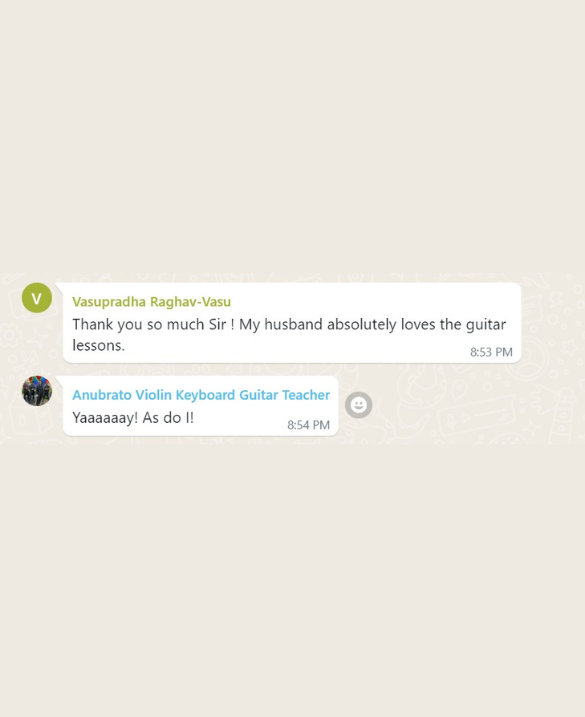
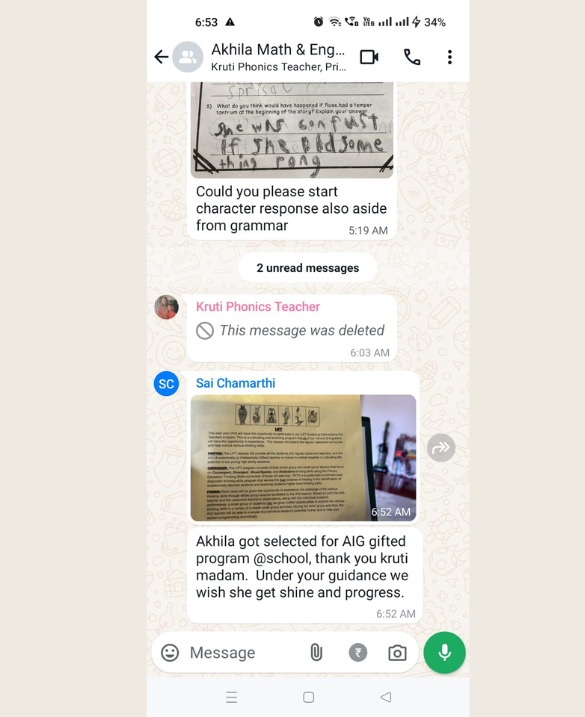
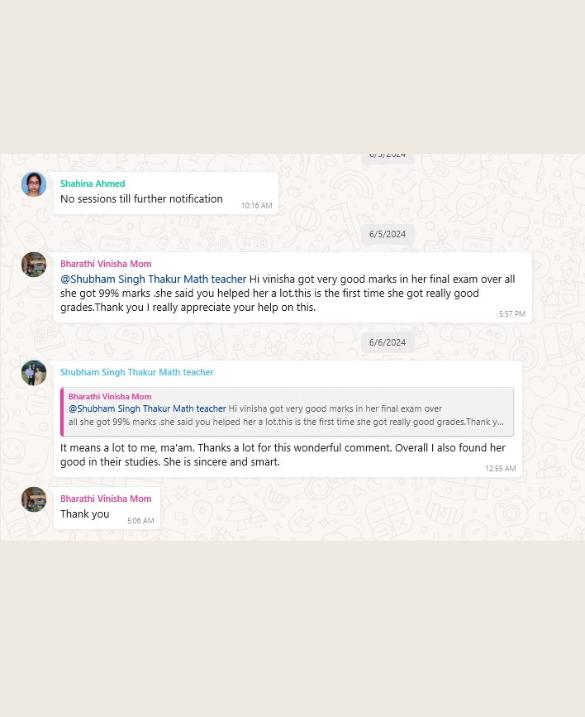
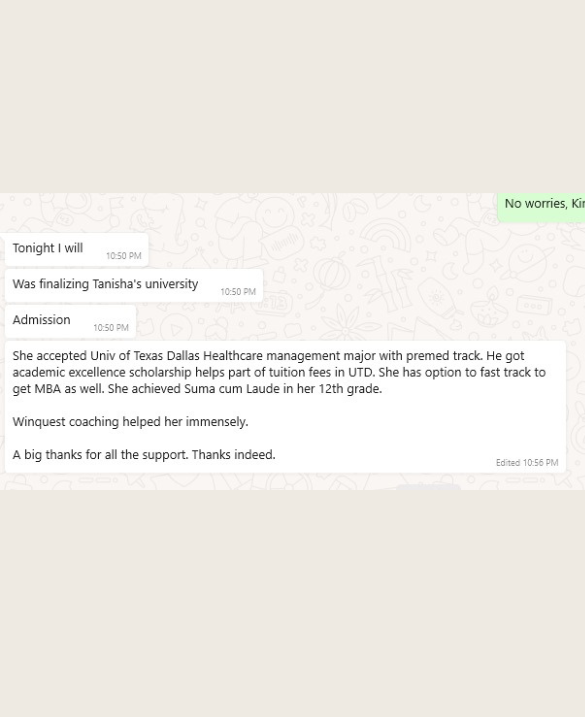
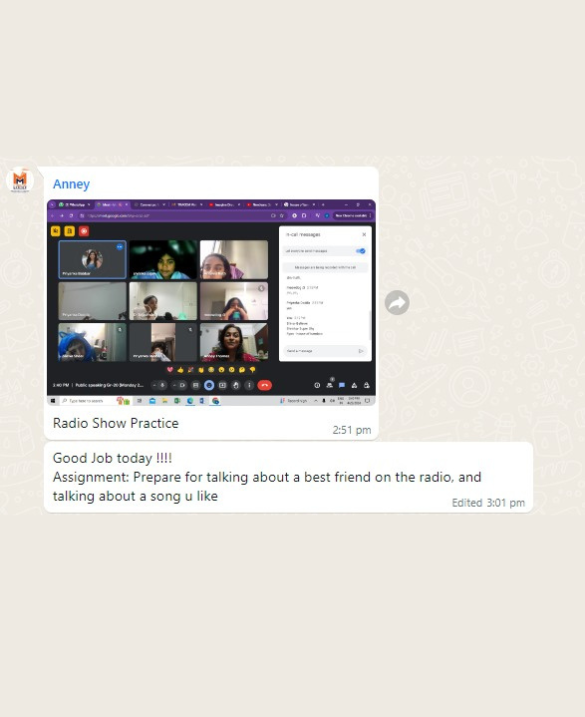
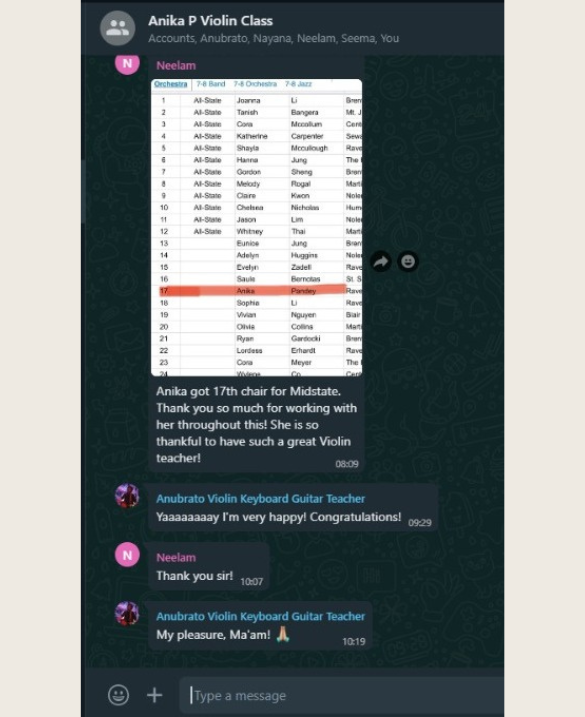
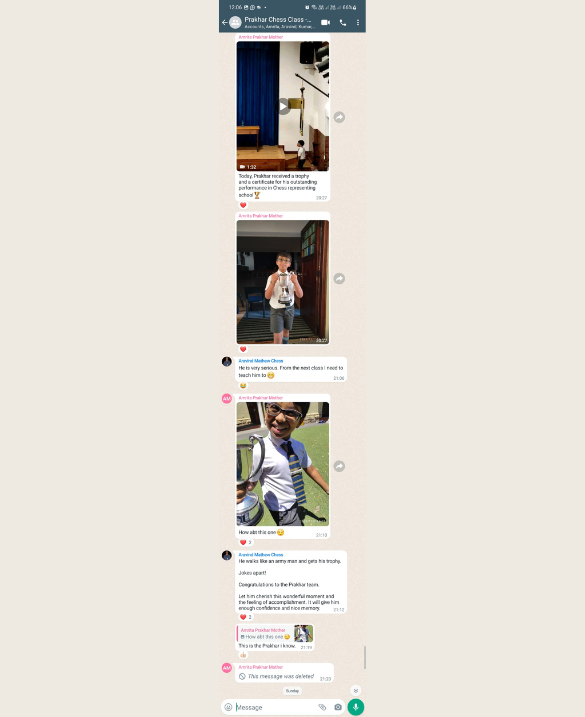
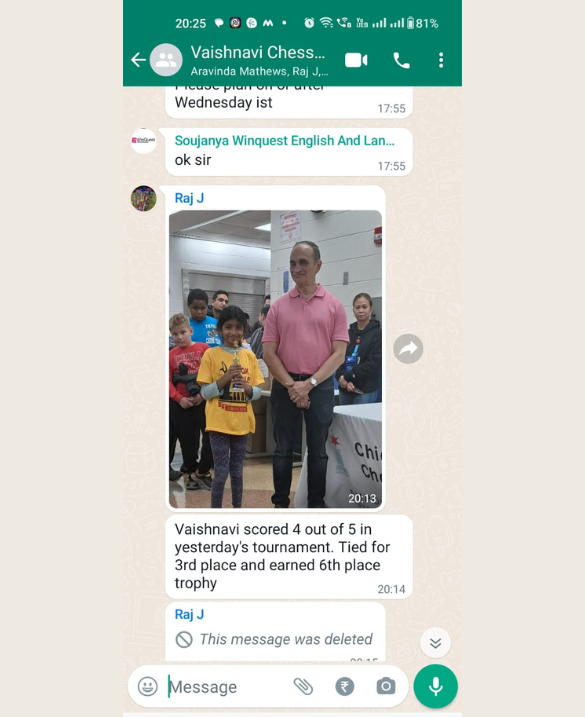
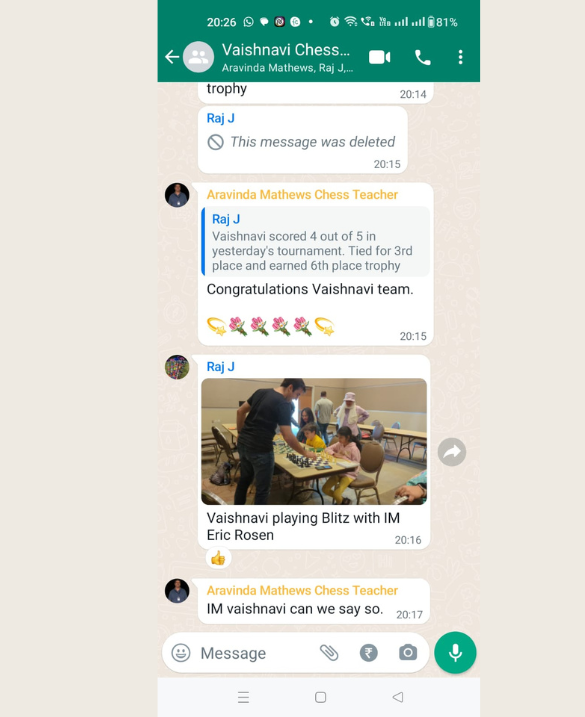
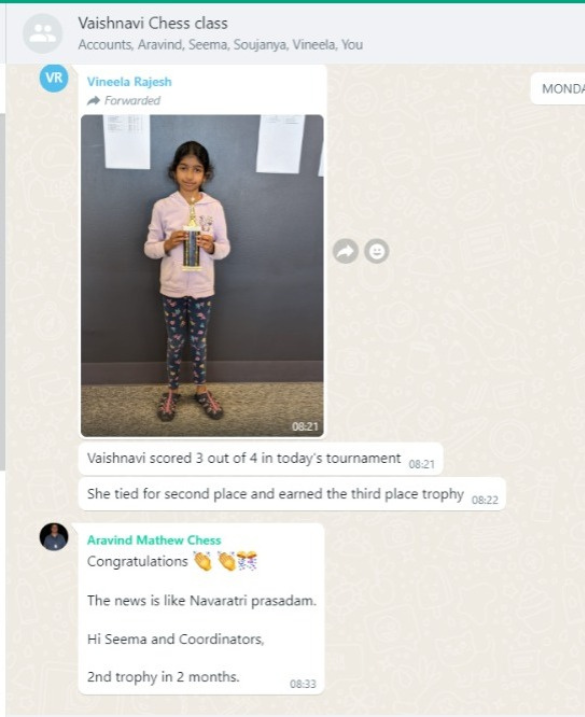
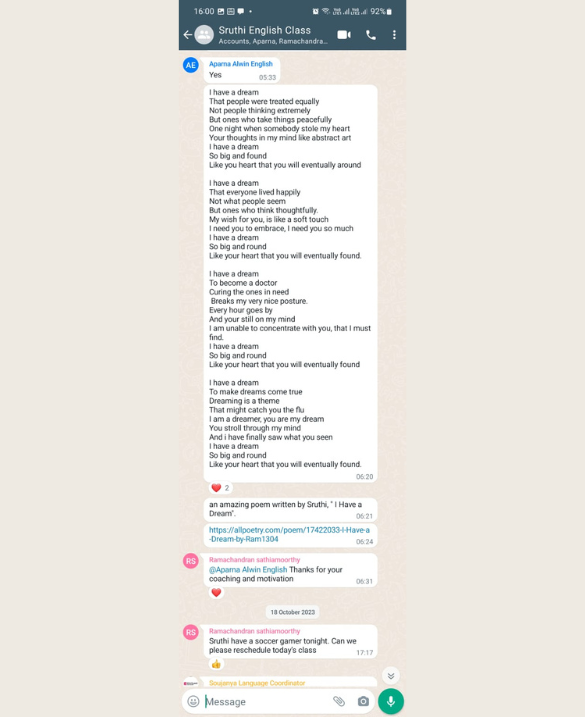
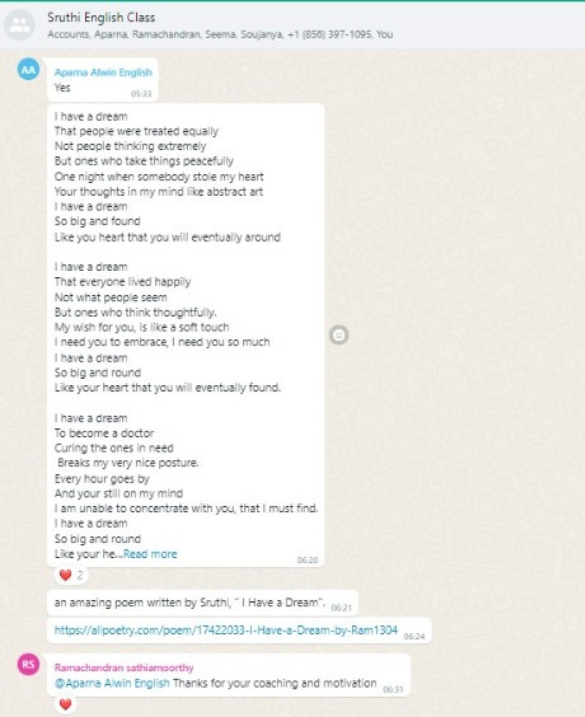
WhatsApp Testimonials
Real Voices from Our WhatsApp Community 💚📚

Latest News and Resources
📰 Learning Updates | 📘 Tips | 🎓 Resources | 💻 Online Courses