
Course Details
Russian
Russian
Learn one of the most powerful languages in global trade and diplomacy.
Why Choose Online Russian Classes?
Overview
WinQuest Online Russian - live 1:1 or small-group classes mapped to the major Russian syllabuses your child may follow: the international TORFL ladder (TEU Elementary -> TBU Basic -> TRKI-1 -> TRKI-2 -> TRKI-3 -> TRKI-4; awarded by the Russian Ministry of Education and Pushkin Institute), US Common Core / ACTFL (Grade 7-12), CBSE / ICSE Russian as a third / foreign language and Cambridge Pre-U Russian (where offered). Note that Cambridge IGCSE Russian was discontinued and A-level Russian is no longer offered; alternative international qualifications include TRKI and Russian SAT II (also discontinued).
What You'll Learn
- Live interactive sessions
- 1st one-on-one session
- Comprehensive curriculum
- No long-term commitment
- Personalized learning plan
International - TORFL / TRKI
Cyrillic Alphabet & Pronunciation+
- The 33-letter Cyrillic alphabet - vowels (a, e, e, i, o, u, y, e, yu, ya), consonants (including hard and soft pairs), the soft sign (b) and hard sign (b).
- Pronunciation - vowel reduction in unstressed syllables (o sounds like a; e sounds like i), consonant softening before soft vowels.
- Word stress is unpredictable and must be learned - we mark stress on every new word for the first 6 months.
Greetings & Identity+
- Privet / dobryy den / do svidaniya, presentation phrases - menya zovut, mne X let, ya iz Indii.
- Personal pronouns and verb byt' (omitted in present) - ya student, ty student, on student.
- Numbers 1-100, days (ponedel'nik, vtornik, sreda, chetverg, pyatnitsa, subbota, voskresen'e), months.
Foundation Grammar+
- Noun gender (masculine, feminine, neuter) by ending - hard consonant -> m; -a / -ya -> f; -o / -e -> n.
- Present tense conjugation - 1st conjugation (chitat' - chitayu, chitayesh', chitayet), 2nd conjugation (govorit' - govoryu, govorish', govorit).
- Introduction to the 6 cases - Nominative for subject, Accusative for direct object (no preposition).
TEU Exam Skills (Pushkin Institute)+
- Lexika-grammatika - vocabulary and grammar; multiple-choice and gap-fill.
- Chteniye (reading) - short signs and texts; matching, true / false.
- Aydirovaniye (listening), pis'mo (writing 30-40 words), govoreniye (speaking - guided dialogue).
Wider Topics & Cases+
- Daily routine using reflexive verbs (myt'sya, odevat'sya, prosypat'sya), travel, food, health.
- Past tense in -l / -la / -lo / -li (chital, chitala, chitalo, chitali); future tense with byt' + infinitive (budu chitat').
- The 6 cases continued - Genitive (possession, "of", after numbers 2-4 and "many"), Prepositional (location after "v" / "na").
Verbal Aspects Intro+
- Imperfective (chitat') vs Perfective (prochitat') - the heart of Russian verbal system; how aspect changes meaning.
- Forming aspectual pairs through prefixes (delat' / sdelat'), suffixes (vstavat' / vstat') and stem changes.
- When to use imperfective (process, repetition, present-as-future-question) vs perfective (single completed result).
TBU Exam Skills+
- Lexika-grammatika - vocabulary and grammar at A2 level.
- Chteniye + aydirovaniye - short texts and dialogues.
- Pis'mo (60-80 word personal letter); govoreniye (guided dialogue + monologue).
Opinions & Modals+
- Expressing opinions (ya schitayu, ya dumayu, mne kazhetsya), giving advice (nado, nuzhno, dolzhen).
- Modal verbs in Russian (mozhno - one may, nado - one must, sleduyet - should); impersonal constructions (mne kholodno - I'm cold).
- Conditional with by particle (esli by ya znal, ya by skazal - if I had known, I would have said).
All 6 Cases Mastered+
- Nominative (subject), Accusative (direct object), Genitive (possession + after numerals + after negation), Dative (indirect object + age expressions), Instrumental (means + after certain verbs), Prepositional (location after v / na / o).
- Adjective declension - all 6 cases for masculine, feminine, neuter, plural.
- Possessive pronouns (moy / tvoy / nash / vash / svoy) decline like adjectives across all 6 cases.
Verbal Aspects in Depth+
- All major verbs of motion (idti / khodit', yekhat' / yezdit', begat') - the distinction between unidirectional and multidirectional.
- Adding prefixes to motion verbs to specify direction (priyti - arrive, uyti - leave, voyti - enter, vyyti - exit).
- Aspect in past and future tense usage; aspect with negation and questions.
TRKI-1 Exam Skills+
- Lexika-grammatika (60 min); chteniye (50 min, 5 texts); aydirovaniye (35 min); pis'mo (60 min); govoreniye (15 min).
- B1 level - ability to manage everyday interaction, simple work / study tasks, travel without difficulty.
- Practice with past TRKI exam materials from the Pushkin Institute.
Abstract & Argumentative+
- Society (immigratsiya, semya, obrazovaniye), environment (klimaticheskoye izmeneniye, ekologiya), technology (sotsial'nye seti, IT).
- Argumentation - vo-pervykh, vo-vtorykh, v-tret'ikh; takim obrazom, v rezul'tate, sledovatel'no.
- Cultural awareness across the Russian Federation - Moscow, St Petersburg, Siberia, the Caucasus, the Far East.
Advanced Grammar+
- Participles (active and passive, present and past) - chitayushchiy, chitavshiy, chitayemyy, prochitannyy - and their use as adjectives.
- Gerunds (chitaya - while reading; prochitav - having read) - to combine actions in a sentence.
- Complex sentences with subordinate clauses (chtoby, hotya, poka, kogda, esli).
TRKI-2 Exam Skills+
- 5 modules - lexika-grammatika, chteniye, aydirovaniye, pis'mo (200 words), govoreniye.
- B2 level - ability to understand main ideas of complex text on concrete and abstract topics.
- Interaction with native speakers with fluency and spontaneity.
Near-Native Complexity+
- Newspaper editorials (Kommersant, Vedomosti, RBC), essays by Dostoevsky, Tolstoy, Chekhov; literary excerpts.
- Specialised vocabulary across politics, economy, science, art.
- Inference - identifying tone, attitudes and underlying purpose.
Refined Grammar+
- All cases and aspects used fluently; complex participle and gerund constructions.
- Stylistic variation - knizhno-literaturnyy (literary) vs razgovornyy (colloquial) vs narodnyy (folk).
- Idiomatic expressions and Russian proverbs (poslovitsy i pogovorki).
TRKI-3 Exam Skills+
- 5 modules at advanced level - including specialised reading and writing.
- C1 level - ability to use Russian for academic, professional and complex everyday purposes.
- Practice with TRKI-3 mock papers from the Pushkin Institute.
Mastery+
- Understand virtually everything heard or read in Russian, including specialised terminology and regional varieties.
- Literary criticism, academic writing, technical / legal Russian.
- Russian films, theatre (Chekhov, Pushkin productions) and live debates at native speed.
Cultural & Literary Depth+
- Classical Russian - Pushkin (Yevgeniy Onegin), Lermontov, Gogol, Dostoevsky (Brat'ya Karamazovy), Tolstoy (Voyna i mir), Chekhov.
- 20th-century giants - Akhmatova, Mandel'shtam, Pasternak (Doktor Zhivago), Solzhenitsyn (Arkhipelag GULAG).
- Contemporary writers (Pelevin, Sorokin, Ulitskaya, Vodolazkin) and current cultural debates.
TRKI-4 Exam Skills+
- 5 modules at near-native level.
- C2 level - the highest TRKI level; required for Russian university teaching and translation work.
- TRKI-4 candidates typically have lived / studied in Russia and worked in Russian professionally.
USA - Common Core / ACTFL
Foundation (Grade 7-8)+
- Cyrillic alphabet, pronunciation, word stress; greetings, introductions, classroom Russian.
- Numbers 0-100, days, months, time, weather; family vocabulary, school subjects, hobbies.
- Present tense regular verbs; introduction to the 6 cases (Nominative + Accusative).
Intermediate (Grade 9-10)+
- Past and future tenses; introduction to verbal aspects (imperfective vs perfective).
- All 6 cases; verbs of motion; adjective declension; possessive pronouns.
- Reading short authentic texts - news bulletins, blog posts, conversations.
Advanced (Grade 11-12)+
- Participles, gerunds, complex sentence structures; conditional with "by".
- Russian literature at intermediate level - Pushkin, Chekhov, Tolstoy excerpts.
- TRKI-1 or TRKI-2 testing at end of high school; preparation for university-level Russian Studies.
Note - AP Russian discontinued+
- AP Russian Language and Culture has been discontinued by the College Board.
- Universities now accept TRKI-1 / TRKI-2 (Pushkin Institute), ACTFL OPI, or a portfolio-based assessment.
- For SAT II Russian (discontinued in 2021) candidates, TRKI is the recommended replacement qualification.
India - CBSE Russian
Structure+
- CBSE offers Russian as a 3rd / Foreign Language under Code 022 (Class 9-12). Syllabus loosely mirrors the TORFL ladder.
- Section A - Reading (20 marks): unseen prose passages.
- Section B - Writing (20 marks): paragraph, personal letter, translation.
Grammar+
- Class 9-10: present, past, future; introduction to all 6 cases; basic verbs of motion.
- Class 11-12: imperfective vs perfective aspect mastery; participles, gerunds, complex sentence structures.
- Vocabulary - approximately 1,500-2,000 active words by end of Class 12.
Literature & Culture+
- Russian culture, history at age-appropriate depth.
- Famous Russians - Pushkin, Tolstoy, Tchaikovsky, Gagarin, Putin, Sharapova.
- CBSE Sample Paper practice; 2-3 mocks before March board exam.
India - ICSE Russian
ICSE Class 9-10+
- Composition - picture, narrative, descriptive (300-350 words by Class 10).
- Comprehension - unseen prose passages with vocabulary, comprehension, inference.
- Grammar - all tenses, all 6 cases, aspects, verbs of motion.
ISC Class 11-12+
- Composition (450-550 words) - argumentative, descriptive.
- Comprehension - longer passages including literary prose.
- Grammar mastery - participles, gerunds, complex constructions.
Literature (ISC; 20 marks)+
- Prescribed Russian prose - short stories by Chekhov or Tolstoy; a Pushkin tale.
- Selected poetry from a Russian anthology.
- Reference-to-context questions; 2-3 full mocks before February exam.
Cambridge IGCSE (Russian discontinued)
IGCSE 0516 Russian Foreign Language+
- Cambridge IGCSE Russian (0516) was discontinued after the November 2014 series.
- Schools following the Cambridge pathway can substitute with Cambridge IGCSE First Language Russian (0509) if Russian is the home language.
- Alternative: Pearson Edexcel IGCSE Russian, AQA IGCSE Russian (where offered), or TORFL-TEU / TBU at the same age.
Recommended Alternative+
- Most international schools now use the TORFL ladder for Russian assessment in Years 10-11.
- TEU (CEFR A1) is a reasonable target for end of Year 10; TBU (A2) for end of Year 11.
- See the International - TORFL / TRKI pathway tab for full syllabus.
Cambridge AS / A-level (Russian discontinued)
A-level Russian Discontinued+
- Cambridge A-level Russian was discontinued; the OCR / AQA Russian A-level still exists in the UK.
- For Cambridge-pathway students, Cambridge Pre-U Russian was offered until 2024 and provides a transition route.
- Most schools now use TORFL TRKI-1 (CEFR B1) for end of Year 12 and TRKI-2 (CEFR B2) for end of Year 13.
University Pathway+
- Russian Studies programmes at UK / US universities now accept TRKI-1 or TRKI-2 as the language entry requirement.
- For Indian students applying internationally, the ISC Russian (Code 882) provides an alternative.
- See the International - TORFL / TRKI pathway tab for full syllabus options.
Requirements
- A laptop, desktop or tablet with stable internet
- Headphones with a clear microphone for listening / speaking practice
- A notebook for Cyrillic alphabet practice
- For exam-prep tracks: past papers / sample tests from the relevant board
Reviews
4.8 / 5 ★ · 450+ students enrolled
Parents consistently rate our mentors for personalised attention, clear concepts and steady progress. Book a free demo to experience a class first-hand.
Frequently Asked Questions
How do I get started?+
Click the Book a Demo button on this page and tell us which path your child follows (DELE / school exam / conversational). We will schedule a free trial session with a matching tutor. For details, contact our coordinator on WhatsApp at +91 93308 11581 or email contact@winquestonline.com.
Will the tutor follow my child's exam / curriculum?+
Yes. We currently support DELE A1 through C2 (and the equivalent DELF / Goethe / HSK / TORFL for other languages), US Common Core / ACTFL World Languages, CBSE and ICSE Spanish / French / German as 3rd / foreign language, Cambridge IGCSE 0530 / 0520 / 0525 / 0547 and Cambridge AS / A-level 9719 / 9716 / 9717 / 9778. If your child follows another framework, mention it during the demo and we will match a tutor.
How does payment work?+
We require monthly advance payments for the number of classes scheduled in that calendar month. We accept Zelle, PayPal, UPI (for India), Stripe and major credit / debit cards.
What if my child misses a class?+
For 1:1 sessions we reschedule a make-up at a mutually convenient time at no extra cost (with at least 24 hours notice). For group classes we share a timed recording of the session on parent request, so your child can catch up before the next class.
How long is each class?+
Each class session is 60 minutes long. Frequency is typically twice a week for beginners and three times a week for exam-prep tracks (IGCSE / A-level / DELE), based on the exam timeline and parent preference.
How is progress measured?+
Tutors give written feedback on every assignment, run a short formative quiz every 4-6 classes, and a longer level / chapter test at the end of each unit. For exam-prep tracks we run 2-4 full-length proctored mocks before the actual exam. Parents receive a monthly progress report.
What is the class size?+
For 1:1 sessions the class is just your child and the tutor. For group classes we cap each batch at 5-6 students per level so every learner gets individual speaking and feedback time.
Are the tutors qualified?+
All our language tutors are native or near-native speakers with formal teaching qualifications. For DELE / DELF / Goethe / HSK they hold the relevant instructor certification, and each tutor is interviewed by our academic head before joining.
What if my child wants to switch path mid-way?+
No problem. Tell us during a review and the tutor will re-map the lesson plan - many students start on a school path and add a DELE / DELF / Goethe certification track in parallel, or vice versa.
What are the requirements?+
A laptop / desktop / tablet with stable internet, headphones with a clear microphone for listening and speaking practice, and a notebook for vocabulary and writing. For exam-prep tracks the tutor will share the official past papers and practice pack before the first class.
Student Reviews
No reviews yet — be the first to share your experience with this course!
Meet our Teachers
Expert educators who connect, guide, and prepare students with special personalized care ❤️📚✨


Student Achievements
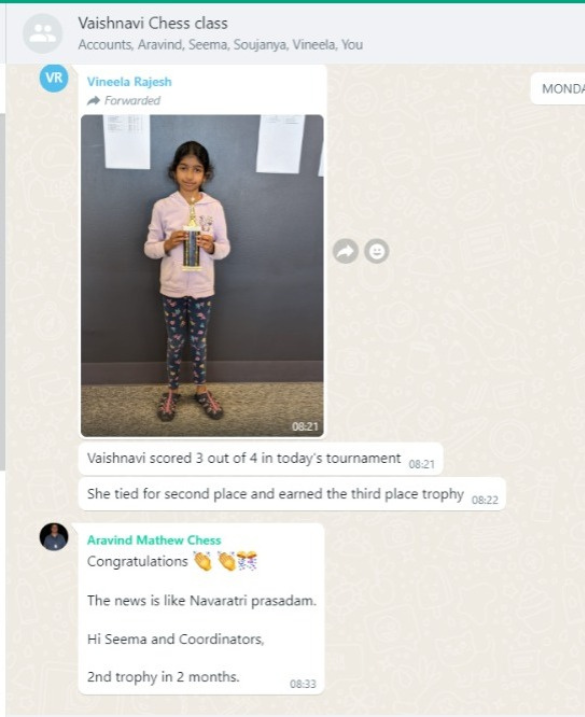
Making an Impact: 🏆 Student Achievements That Shine | 🌱 Your Growth. Our Mission.
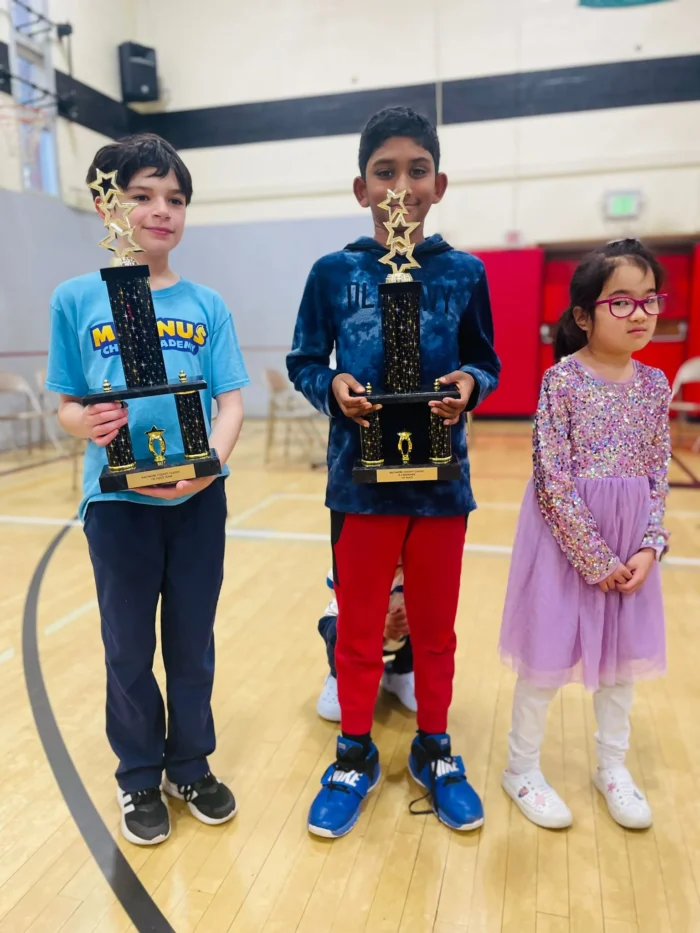
What Our Parents Say About Us
👪 Real Results. Real Parent Voices. 🏆 Futures Built with Care

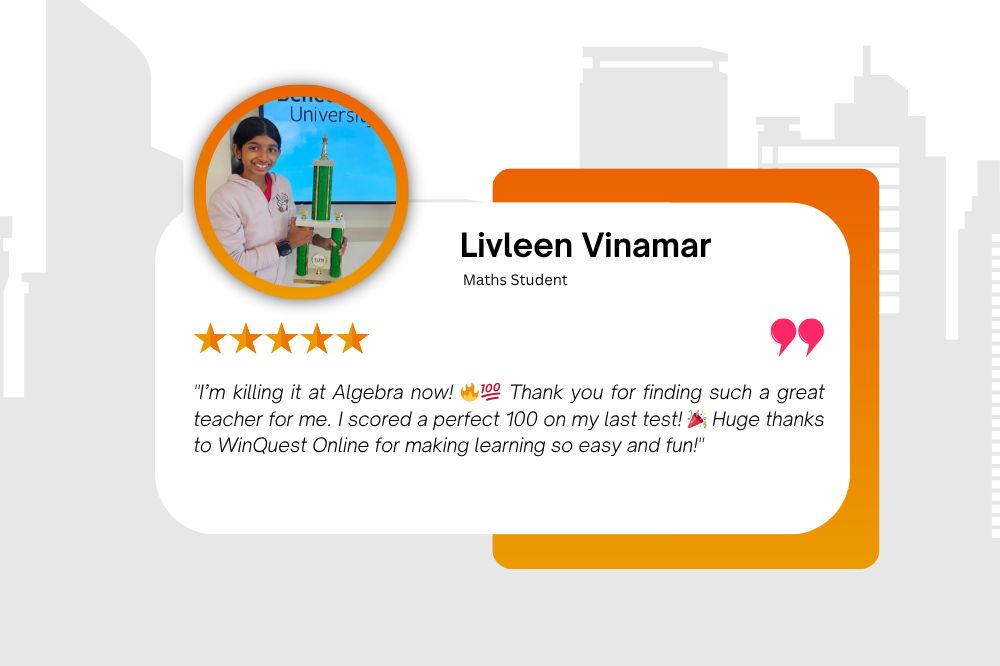
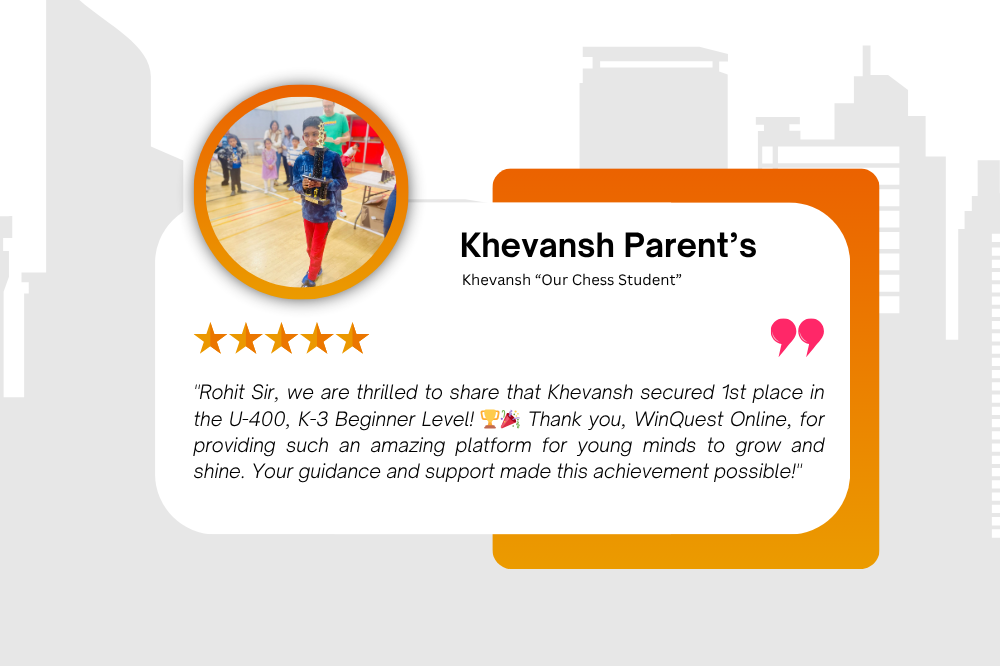
Parent Testimonials
Success Stories That Speak 🌟🎓 Wins That Inspire Pride 🏆
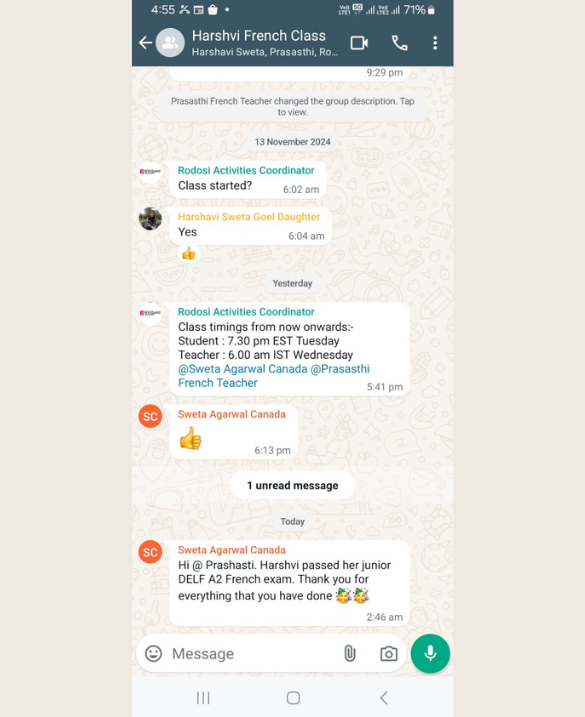
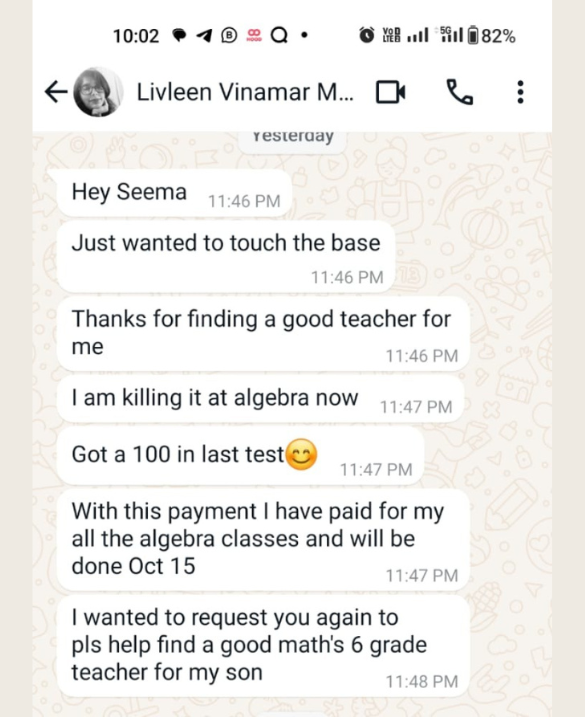
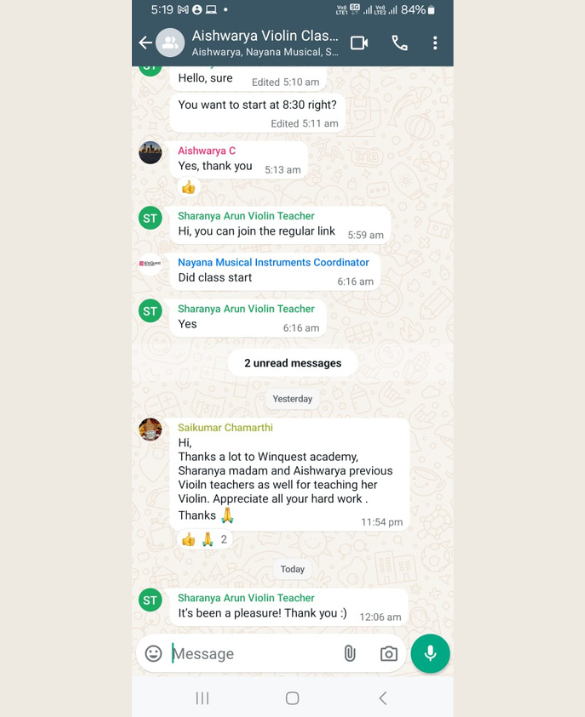
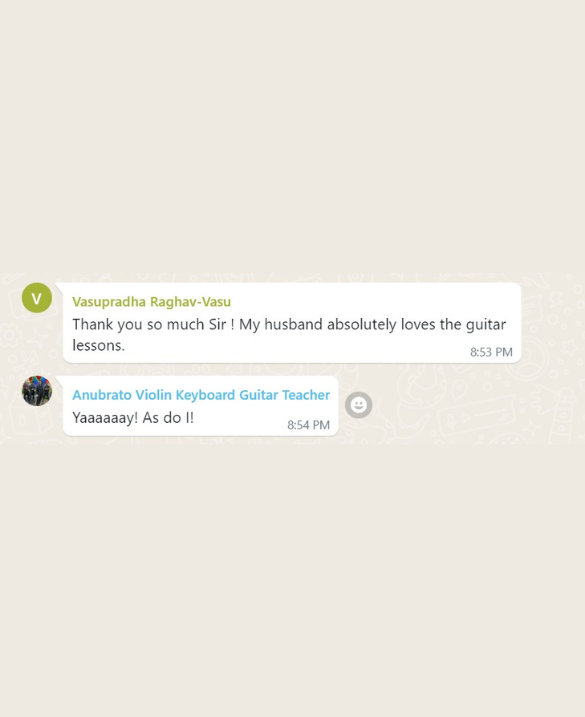
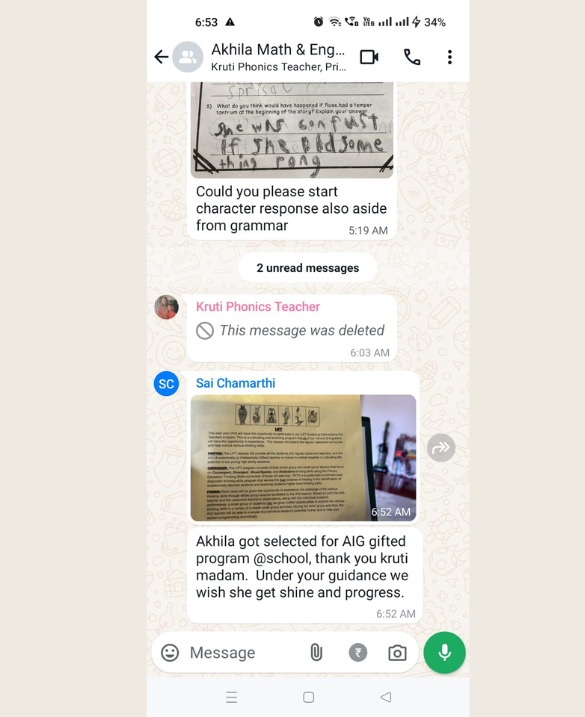
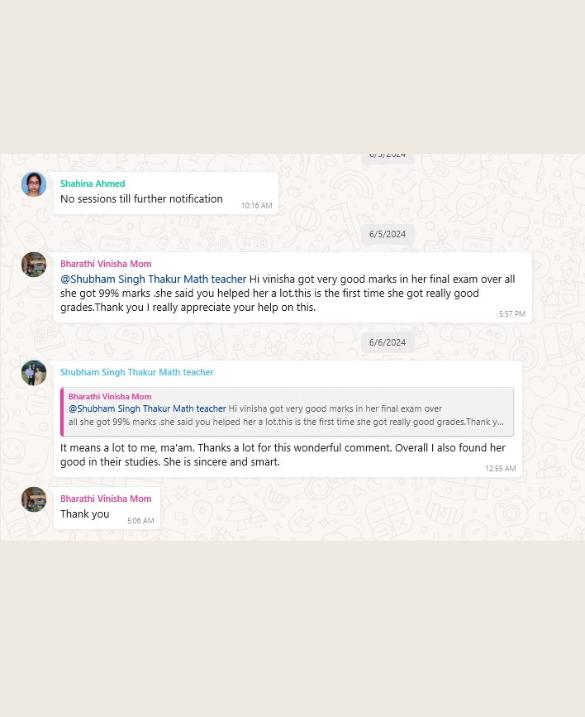
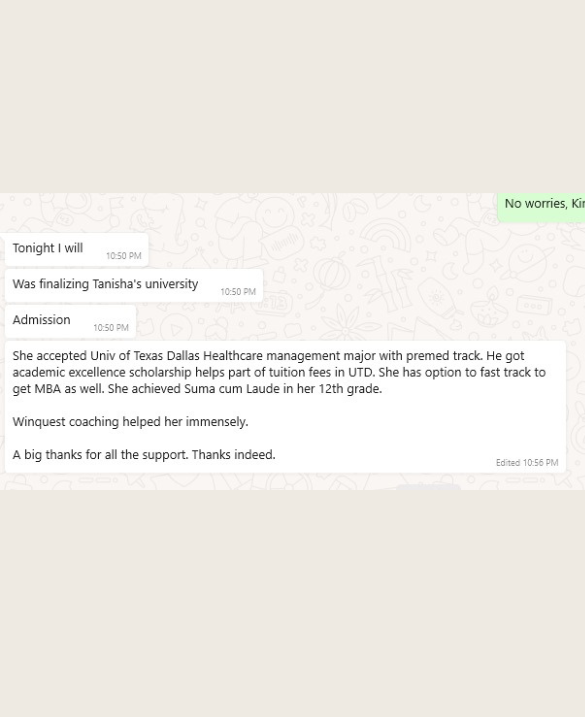
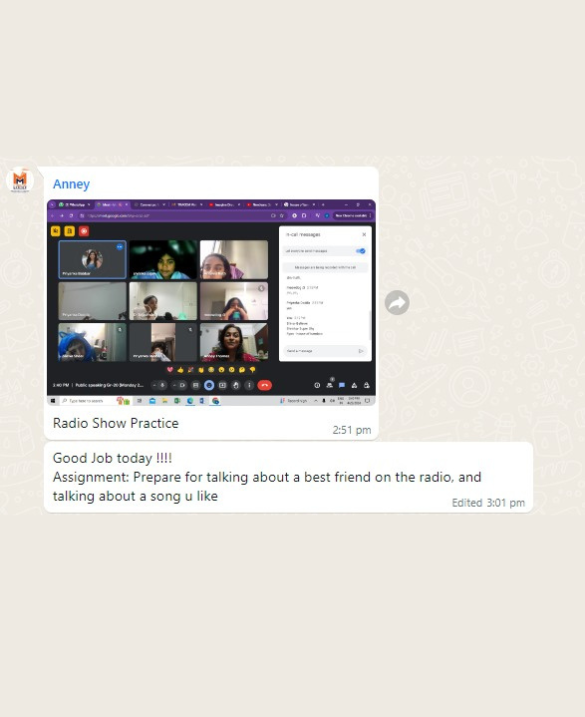
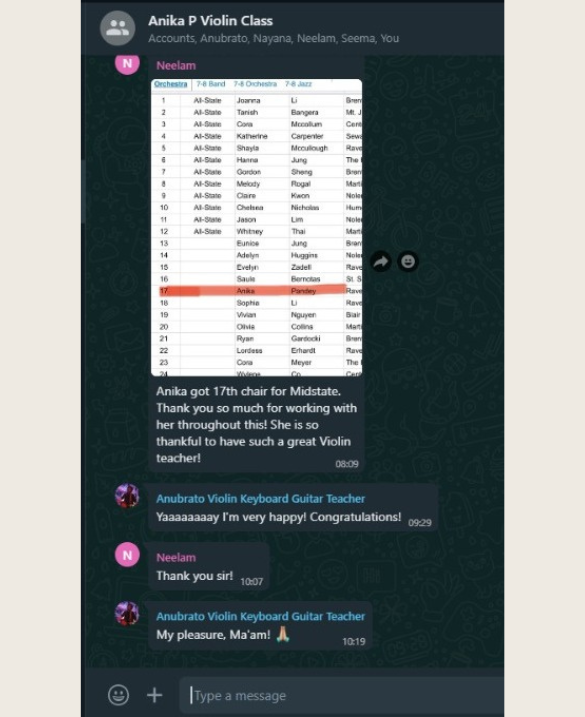
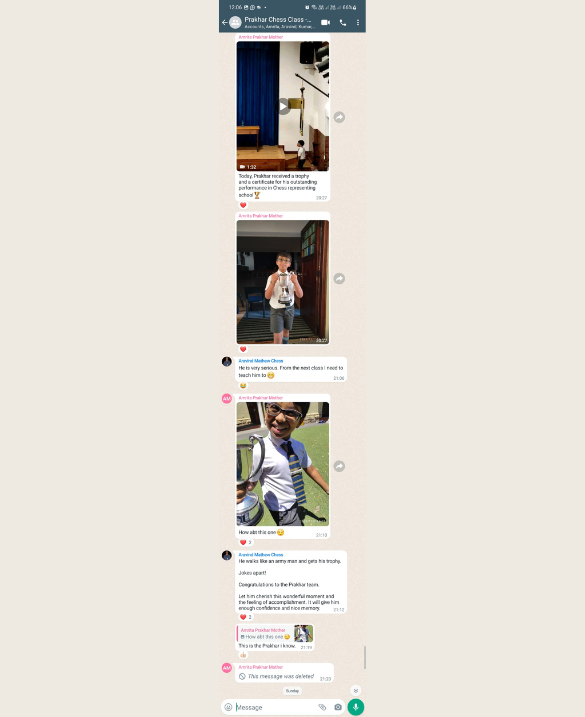
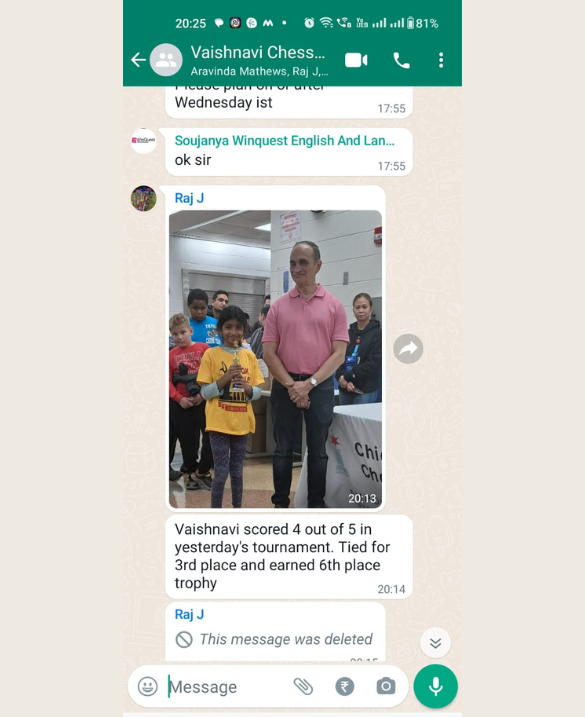
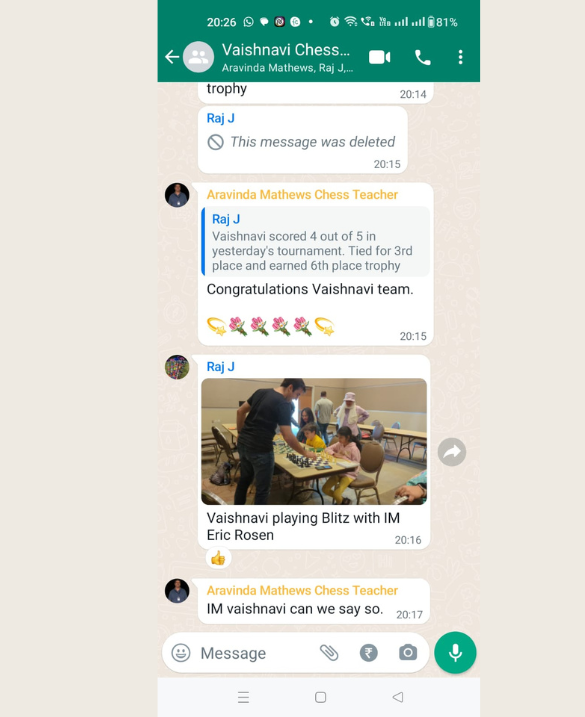
WhatsApp Testimonials
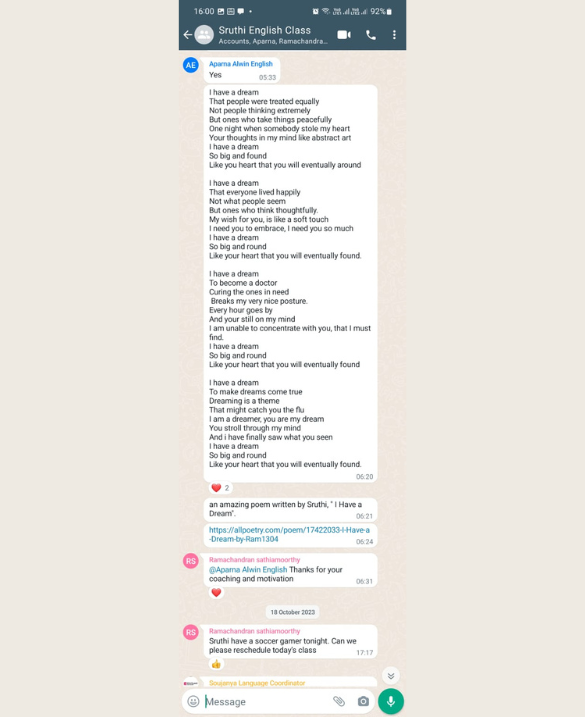
Real Voices from Our WhatsApp Community 💚📚
Latest News and Resources
📰 Learning Updates | 📘 Tips | 🎓 Resources | 💻 Online Courses