♪ Music Course
Piano
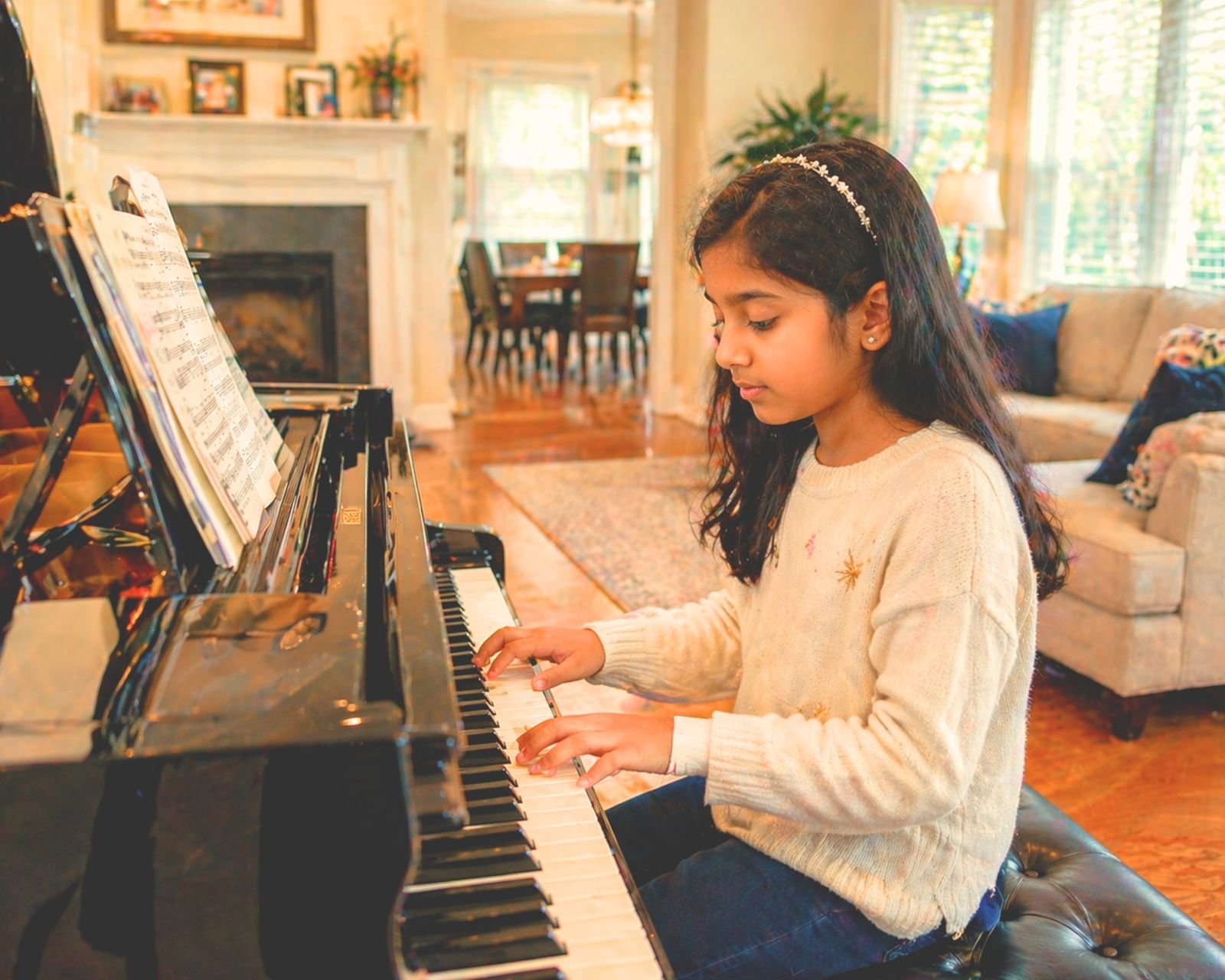
Watch your little maestro compose magic on the piano!
About WinQuest
At WinQuest, we believe that everyone has the potential to unlock their musical talents and start their journey of self-expression. WinQuest provides high-quality, accessible, and engaging online music classes for learners of all ages and skill levels.
We strive to break down barriers to learning and empower individuals from diverse backgrounds to pursue their passion for music, regardless of their geographical location, financial means, or previous experience.
With WinQuest, learners have access to a comprehensive curriculum covering a wide range of musical instruments, genres, and topics. Whether you're a complete beginner or an experienced musician looking to refine your skills, our expert instructors will guide you through personalized lesson plans tailored to your unique learning goals.
Whether you dream of mastering the piano, shredding on the guitar, or composing your own symphonies, WinQuest is here to help you turn your musical aspirations into reality. Join us today and discover the joy of making music with WinQuest – where the quest for excellence begins.
Why Choose Online Piano Classes?
About the Curriculum
A brief on the three internationally recognized music institutions whose course structure we mostly follow for Western Music Students.
Associated Board of the Royal Schools of Music (ABRSM)
The Associated Board of the Royal Schools of Music (ABRSM) is an internationally recognized examination board based in the United Kingdom. Established in 1889, ABRSM is one of the leading institutions for music education and assessment worldwide.
ABRSM provides a comprehensive curriculum for music students, offering graded exams and diplomas in various musical instruments, singing, and theory. The curriculum covers a wide range of musical genres and styles, ensuring a holistic development of musicianship. The graded exams consist of practical assessments, where candidates perform pieces, scales, and technical exercises, along with aural and sight-reading components.
The ABRSM curriculum is structured into eight graded levels, starting from Initial and progressing through Grades 1 to 8. Each grade represents an incremental increase in difficulty, allowing students to develop their musical skills gradually. The curriculum emphasizes not only technical proficiency but also musical expression, interpretation, and aural awareness.
In addition to traditional Western classical music, ABRSM incorporates diverse repertoire choices to cater to the varied interests of musicians. Successful completion of ABRSM exams is widely recognized and respected, providing a valuable benchmark for musical achievement and proficiency. The ABRSM curriculum serves as a valuable guide for music educators and students alike, promoting a systematic and well-rounded approach to music learning and assessment.
Trinity College London
Trinity College London, commonly known as Trinity, is a renowned international examination board that focuses on the assessment and certification of musical and performing arts abilities. Established in 1877, Trinity has a rich history in providing high-quality examinations and certifications in various artistic disciplines.
Trinity's music curriculum encompasses a diverse range of genres and styles, offering graded examinations for instruments, singing, and theory. The graded system consists of eight levels, from Initial to Grade 8, each representing a progressive stage of difficulty and musical proficiency. The curriculum covers practical elements, such as performance, technical exercises, and aural skills, ensuring a well-rounded evaluation of a candidate's musical abilities.
One distinctive feature of Trinity's approach is its emphasis on contemporary and popular music alongside classical genres. This inclusion caters to the diverse interests of musicians and reflects the evolving landscape of musical expression. Trinity's assessments also include a focus on improvisation, allowing candidates to showcase their creativity and adaptability.
In addition to graded exams, Trinity offers diplomas for advanced-level candidates seeking further recognition of their musical accomplishments. The qualifications awarded by Trinity College London are widely respected and recognized globally, providing musicians with a credible benchmark for their artistic achievements. Trinity's curriculum is designed to foster a holistic understanding of music, encouraging both technical proficiency and expressive artistry in performers and educators.
Rockschool Limited
Rockschool Limited is a leading music examination board that specializes in contemporary music genres, particularly rock and pop. Established in 1991, Rockschool has gained prominence for its innovative approach to music education, focusing on the diverse styles of popular music.
The Rockschool curriculum offers graded examinations for electric guitar, bass guitar, drums, vocals, piano, and music theory. The graded system spans from Debut to Grade 8, providing a structured framework for students to develop their skills progressively. This approach ensures that learners are exposed to a variety of musical elements, including technical exercises, performance, and aural skills.
One notable feature of Rockschool's curriculum is its contemporary repertoire, which is carefully curated to reflect current trends in rock, pop, metal, and other modern music genres. This emphasis on relevance and inclusivity allows students to engage with music that resonates with their interests, making the learning experience more enjoyable and motivating.
Rockschool examinations often incorporate real-world music scenarios, such as playing in a band or recording a track, providing a practical and immersive assessment experience. This approach aligns with the demands of the modern music industry and prepares students for real-world performance situations.
Level 1
Exam Preparation Target+
- Prep for Rockschool Piano Debut and Grade 1
- Prep for Trinity Piano Initial and Grade 1
- Prep for ABRSM Piano Initial and Grade 1
- Prerequisites: a piano
Introduction to Piano+
- Basic elements of piano (keys & notes)
- Posture and fingers
Rhythm and Timing+
- Beats, rhythm & time signature
- Concepts like dynamics, slurs, tie notes, and dotted rhythms
Music Notation+
- Staff notations (clef, note values, etc.)
Introduction to Playing+
- Learn songs in Middle 'C', 'C', and 'G' position
- Introduction to chords & basic music theory
Technique Development+
- Techniques and form
Major Scales and Chords+
- Major scales
- Primary chords and inversions
Introduction to Voice Learning+
- Basics of voice learning
Intermediate Music Notation+
- Key signature and syncopation
Advanced Techniques+
- Key of 'C', 'G', and 'F' Major
Minor Keys and Transposition+
- Minor keys
- Transposition
Rhythm Variation+
- Swing rhythm
Learning Outcomes+
- Understand piano keyboard layout and note names
- Develop proper posture and finger technique
- Read and interpret rhythms accurately
- Familiarity with staff notation and music symbols
- Play simple songs using basic music theory
- Learn major scales and basic chord structures
- Understand minor keys and transposition
- Build a diverse repertoire of music
Repertoire Expansion
- Repertoire building
Repertoire — ABRSM Initial Grade
- Piece A: Mary Had a Little Lamb (Traditional) / Twinkle, Twinkle, Little Star (Traditional) / Ode to Joy (Beethoven, arr. beginner piano)
- Piece B: Allegro in F (Diabelli) / Minuet in G (Petzold) / Russian Folk Song (Traditional, arr.)
- Piece C: Raindrops (Gurlitt) / The Clown (Kabalevsky) / The Swing (Cornick)
- Alternative (choose one): In the Hall of the Mountain King (Grieg, arr.) / Sonatina in C (Clementi, 1st movement)
Repertoire — ABRSM Grade 1
- Piece A: Minuet in G (Bach) / Sonatina in C (Clementi, 1st movement) / Waltz in A Minor (Chopin, simplified)
- Piece B: Aria in F (Handel) / Allegretto in C (Köhler) / Berceuse (Burgmüller)
- Piece C: Bagatelle in G Minor (Diabelli) / The Merry Farmer (Schumann) / The Ghost in the Chimney (Gillock)
- Alternative (choose one): Musette in D (Bach, Anna Magdalena Notebook) / Für Elise (Beethoven, simplified)
Repertoire — Trinity Initial Grade
- Piece A: London Bridge (Traditional) / Au clair de la lune (Traditional) / Cuckoo, Where Are You? (Traditional, arr.)
- Piece B: In the Garden (Huws Jones) / Skipping Along (Norton) / Little Bo Peep (Köhler)
- Piece C: The Grand Old Duke of York (Traditional, arr.) / Little March (Beethoven, simplified) / The Happy Farmer (Schumann, simplified)
- Alternative (choose one): Allegretto in C (Köhler) / Chasing Butterflies (Dunhill)
Repertoire — Trinity Grade 1
- Piece A: Minuet in G (Petzold) / Russian Dance (Kabalevsky) / The Elephant (Saint-Saëns, simplified)
- Piece B: Menuet en Rondeau (Rameau) / Bourrée in G (Handel) / Waltz in A Minor (Chopin, simplified)
- Piece C: Raindrop Prelude (Chopin, simplified) / The Pennywhistle (Huws Jones) / The Sailor's Hornpipe (Traditional, arr.)
- Alternative (choose one): Musette in D (Bach, Anna Magdalena Notebook) / Für Elise (Beethoven, simplified)
Repertoire — RSL Debut
- Piece A: Twinkle, Twinkle, Little Star (Traditional) / Old MacDonald Had a Farm (Traditional) / The Happy Song (Alan Haughton)
- Piece B: March of the Ants (Hans-Günter Heumann) / Little Study (Sarah Walker) / The Jolly Clown (Alan Haughton)
- Piece C: Raindrops (Norton) / The Little Shepherd (Bartók) / In the Garden (Joan Last)
- Alternative (choose one): Clockwork Soldier (Sarah Walker) / In the Moonlight (Alan Haughton)
Repertoire — RSL Grade 1
- Piece A: Allegro in F (Diabelli) / Minuet in G (Petzold) / Morning Song (Alan Haughton)
- Piece B: Waltz in A Minor (Chopin, simplified) / Menuet en Rondeau (Rameau) / Russian Dance (Kabalevsky)
- Piece C: Raindrops (Gurlitt) / Little Prelude in C (J.S. Bach, Anna Magdalena Notebook) / Butterfly (Sarah Walker)
- Alternative (choose one): Allegretto in C (Köhler) / The Elephant (Saint-Saëns, simplified)
Level 2
Exam Preparation Target+
- Prep for Rockschool / Trinity / ABRSM Piano Grades 2, 3 and 4
- Prerequisites: note reading, basic hand positioning, simple songs, both hands independently at beginner level
Technical Skills+
- Intermediate major and minor scales in 'D', 'A' and 'Bb' (hand coordination & fluency)
- Introduction to chromatic and pentatonic scales
- Triads in 12-bar blues — chord structures and improvisation
Rhythm and Technique+
- Further rhythm techniques — syncopation, rhythmic variations and dynamics
- Introduction to arpeggios and their applications
Learning Outcomes+
- Advanced technical skills — scales, arpeggios, rhythmic techniques
- Expanded repertoire and performance ability across styles and genres
- Well-prepared for more advanced piano repertoire and further study
Repertoire and Performance
- Repertoire playing in different keys (interpretation, dynamics, expression)
- Performance practice — stage presence, communicating ideas, overcoming performance anxiety
Repertoire — ABRSM Grade 2
- Piece A: Ecossaise in G (Beethoven) / Minuet in G (Bach) / Prelude in C (J.S. Bach, Anna Magdalena Notebook)
- Piece B: Allegretto in F (Diabelli) / The Clown (Kabalevsky) / Cuckoo in the Depths of the Woods (Takács)
- Piece C: In the Hall of the Mountain King (Grieg) / The Music Box (Alan Bullard) / Musette in D (Bach, Anna Magdalena Notebook)
- Alternative: Little Prelude in C (J.S. Bach, AMN) / Hopping Hedgehogs (Norton)
Repertoire — ABRSM Grade 3
- Piece A: Sonatina in G (Beethoven, 1st mvt) / Waltz in G (Schubert) / Minuet in D Minor (Bach)
- Piece B: Allegro in Bb (Diabelli) / Scherzino (Turina) / The Snow is Dancing (Debussy)
- Piece C: The Happy Farmer (Schumann) / Solfeggietto (C.P.E. Bach) / Prelude in E Minor (Chopin)
- Alternative: Menuet en Rondeau (Rameau) / Waltz in A Minor (Chopin, simplified)
Repertoire — ABRSM Grade 4
- Piece A: Sonatina in C (Clementi, 1st mvt) / Allegro in G (Diabelli) / Waltz in A Minor (Chopin, simplified)
- Piece B: Minuet in F (Haydn) / Allegro in F (C.P.E. Bach) / Ecossaise in E-flat (Beethoven)
- Piece C: The Doll's Complaint (Kabalevsky) / Arabesque (Burgmüller) / Waltz in A (Grieg)
- Alternative: Musette in D (Bach, AMN) / The Elephant (Saint-Saëns, simplified)
Repertoire — Trinity Grade 2
- Piece A: Sonatina in C (Clementi, 1st mvt) / Allegro in G (Diabelli) / Minuet in D Minor (Bach)
- Piece B: Waltz in A Minor (Chopin, simplified) / Menuet en Rondeau (Rameau) / The Elephant (Saint-Saëns, simplified)
- Piece C: The Music Box (Alan Bullard) / Scherzino (Turina) / Butterfly (Sarah Walker)
- Alternative: Musette in D (Bach, AMN) / Raindrops (Gurlitt)
Repertoire — Trinity Grade 3
- Piece A: Sonatina in G (Beethoven, 1st mvt) / Waltz in G (Schubert) / Prelude in C (J.S. Bach, AMN)
- Piece B: Allegro in Bb (Diabelli) / The Happy Farmer (Schumann) / March of the Ants (Hans-Günter Heumann)
- Piece C: The Jolly Clown (Alan Haughton) / The Little Shepherd (Bartók) / The Snow is Dancing (Debussy)
- Alternative: In the Hall of the Mountain King (Grieg) / Little Prelude in C (J.S. Bach, AMN)
Repertoire — Trinity Grade 4
- Piece A: Sonatina in C (Clementi, 1st mvt) / Allegro in F (Diabelli) / Waltz in A Minor (Chopin, simplified)
- Piece B: Minuet in F (Haydn) / Allegro in G (C.P.E. Bach) / The Doll's Complaint (Kabalevsky)
- Piece C: The Sailor's Hornpipe (Traditional, arr.) / In the Moonlight (Alan Haughton) / Chasing Butterflies (Dunhill)
- Alternative: The Pennywhistle (Huws Jones) / Bagatelle in G Minor (Diabelli)
Repertoire — RSL Grade 2
- Piece A: Sonatina in C (Clementi, 1st mvt) / Allegro in G (Diabelli) / Waltz in A Minor (Chopin, simplified)
- Piece B: Minuet in G (Petzold) / Russian Dance (Kabalevsky) / The Elephant (Saint-Saëns, simplified)
- Piece C: The Music Box (Alan Bullard) / Scherzino (Turina) / Butterfly (Sarah Walker)
- Alternative: Musette in D (Bach, AMN) / The Happy Farmer (Schumann)
Repertoire — RSL Grade 3
- Piece A: Sonatina in G (Beethoven, 1st mvt) / Waltz in G (Schubert) / Prelude in C (J.S. Bach, AMN)
- Piece B: Allegro in Bb (Diabelli) / The Happy Farmer (Schumann) / March of the Ants (Hans-Günter Heumann)
- Piece C: The Jolly Clown (Alan Haughton) / The Little Shepherd (Bartók) / The Snow is Dancing (Debussy)
- Alternative: In the Hall of the Mountain King (Grieg) / Little Prelude in C (J.S. Bach, AMN)
Repertoire — RSL Grade 4
- Piece A: Sonatina in C (Clementi, 1st mvt) / Allegro in F (Diabelli) / Waltz in A Minor (Chopin, simplified)
- Piece B: Minuet in F (Haydn) / Allegro in G (C.P.E. Bach) / The Doll's Complaint (Kabalevsky)
- Piece C: The Sailor's Hornpipe (Traditional, arr.) / In the Moonlight (Alan Haughton) / Chasing Butterflies (Dunhill)
- Alternative: The Pennywhistle (Huws Jones) / Bagatelle in G Minor (Diabelli)
Level 3
Exam Preparation Target+
- Prep for Rockschool / Trinity / ABRSM Piano Grades 5, 6, 7 and 8
- Prerequisites: mastery of scales/chords/hand positioning, music theory & advanced notation, public performance experience, ear training & improvisation, regular practice
Advanced Scales+
- Mastery of major and minor scales in all keys, including harmonic and melodic minors
- Advanced scale patterns and fingerings
Extended Chords+
- Use of Add9, Add13 and Sus chords in various contexts
- Chord voicings and inversions
Chord Progressions+
- Chord families and advanced chord progressions
- Analysis of harmonic structures in diverse styles
Piano Positions+
- Advanced positions — extended hand stretches and intricate fingerings
- Applying hand positions in repertoire
Improvisation+
- Chord-scale relationships and melodic development
- Improvisation in jazz, blues and contemporary music
Advanced Arpeggios and Accompaniments+
- Advanced arpeggio patterns in accompaniment
- Stride piano, arpeggiated and ostinato accompaniment styles
Performance Practice+
- Stage presence, communication, emotional connection with the audience
- Mock assessments and public recitals
Exam Preparation and Audition Techniques+
- Preparation for ABRSM, Trinity and RSL at advanced levels
- Audition preparation, repertoire selection and presentation
Learning Outcomes+
- Mastery of advanced scales, chords and arpeggios
- Interpretation of complex harmonic structures and styles
- Expressive performance and creative improvisation
- Confidence in public performance and examination success
Repertoire Selection and Interpretation
- Advanced repertoire from different periods and genres
- Interpretation, expression and stylistic authenticity
Repertoire — ABRSM Grade 5
- Piece A: Sonatina in G (Beethoven, 1st mvt) / Waltz in A Minor (Chopin, simplified) / Prelude in C (J.S. Bach, AMN)
- Piece B: Allegro in F (Diabelli) / The Happy Farmer (Schumann) / March of the Ants (Hans-Günter Heumann)
- Piece C: The Jolly Clown (Alan Haughton) / The Little Shepherd (Bartók) / The Snow is Dancing (Debussy)
- Alternative: In the Hall of the Mountain King (Grieg) / Little Prelude in C (J.S. Bach, AMN)
Repertoire — ABRSM Grade 6
- Piece A: Sonatina in C (Clementi, 1st mvt) / Allegro in G (Diabelli) / Waltz in A Minor (Chopin, simplified)
- Piece B: Minuet in F (Haydn) / Allegro in G (C.P.E. Bach) / The Doll's Complaint (Kabalevsky)
- Piece C: The Sailor's Hornpipe (Traditional, arr.) / In the Moonlight (Alan Haughton) / Chasing Butterflies (Dunhill)
- Alternative: The Pennywhistle (Huws Jones) / Bagatelle in G Minor (Diabelli)
Repertoire — ABRSM Grade 7
- Piece A: Sonata in C Major, K.545 (Mozart, 1st mvt) / Waltz in A-flat Major, Op.39 No.15 (Brahms) / Prelude in D-flat Major, Op.28 No.15 (Chopin)
- Piece B: Impromptu in A-flat Major, Op.90 No.4 (Schubert) / Bagatelle in C Major, Op.33 No.1 (Beethoven) / Nocturne in B-flat Minor, Op.9 No.1 (Chopin)
- Piece C: Arabesque No.1 in E Major (Debussy) / Prelude in E-flat Major, BWV 852 (J.S. Bach) / Impromptu No.2 in F-sharp Major, Op.36 (Fauré)
- Alternative: Etude in E Major, Op.10 No.3 (Chopin) / Solfeggietto in C Minor (C.P.E. Bach)
Repertoire — ABRSM Grade 8
- Piece A: Sonata in C Major, K.330 (Mozart, 1st mvt) / Ballade No.1 in G Minor, Op.23 (Chopin) / Impromptu No.3 in G-flat Major, Op.51 (Fauré)
- Piece B: Prelude and Fugue in G Major, BWV 860 (J.S. Bach) / Nocturne in E-flat Major, Op.9 No.2 (Chopin) / Intermezzo in A Major, Op.118 No.2 (Brahms)
- Piece C: Images, Book I: Reflets dans l'eau (Debussy) / Fantasie-Impromptu in C-sharp Minor, Op.66 (Chopin) / Ballade in A-flat Major, Op.47 (Schumann)
- Alternative: Etude in C Minor, Op.10 No.12 'Revolutionary' (Chopin) / Sonata in F Major, Hob. XVI/23 (Haydn, 1st mvt)
Repertoire — Trinity Grade 5
- Piece A: Sonatina in G (Beethoven, 1st mvt) / Waltz in A Minor (Chopin, simplified) / Prelude in C (J.S. Bach, AMN)
- Piece B: Allegro in F (Diabelli) / The Happy Farmer (Schumann) / March of the Ants (Hans-Günter Heumann)
- Piece C: The Jolly Clown (Alan Haughton) / The Little Shepherd (Bartók) / The Snow is Dancing (Debussy)
- Alternative: In the Hall of the Mountain King (Grieg) / Little Prelude in C (J.S. Bach, AMN)
Repertoire — Trinity Grade 6
- Piece A: Sonatina in C (Clementi, 1st mvt) / Allegro in G (Diabelli) / Waltz in A Minor (Chopin, simplified)
- Piece B: Minuet in F (Haydn) / Allegro in G (C.P.E. Bach) / The Doll's Complaint (Kabalevsky)
- Piece C: The Sailor's Hornpipe (Traditional, arr. piano) / In the Moonlight (Alan Haughton) / Chasing Butterflies (Dunhill)
- Alternative: The Pennywhistle (Huws Jones) / Bagatelle in G Minor (Diabelli)
Repertoire — Trinity Grade 7
- Piece A: Sonata in C Major, K.545 (Mozart, 1st mvt) / Waltz in A-flat Major, Op.39 No.15 (Brahms) / Prelude in D-flat Major, Op.28 No.15 (Chopin)
- Piece B: Impromptu in A-flat Major, Op.90 No.4 (Schubert) / Bagatelle in C Major, Op.33 No.1 (Beethoven) / Nocturne in B-flat Minor, Op.9 No.1 (Chopin)
- Piece C: Arabesque No.1 in E Major (Debussy) / Prelude in E-flat Major, BWV 852 (J.S. Bach) / Impromptu No.2 in F-sharp Major, Op.36 (Fauré)
- Alternative: Etude in E Major, Op.10 No.3 (Chopin) / Solfeggietto in C Minor (C.P.E. Bach)
Repertoire — Trinity Grade 8
- Piece A: Sonata in C Major, K.330 (Mozart, 1st mvt) / Ballade No.1 in G Minor, Op.23 (Chopin) / Impromptu No.3 in G-flat Major, Op.51 (Fauré)
- Piece B: Prelude and Fugue in G Major, BWV 860 (J.S. Bach) / Nocturne in E-flat Major, Op.9 No.2 (Chopin) / Intermezzo in A Major, Op.118 No.2 (Brahms)
- Piece C: Images, Book I: Reflets dans l'eau (Debussy) / Fantasie-Impromptu in C-sharp Minor, Op.66 (Chopin) / Ballade in A-flat Major, Op.47 (Schumann)
- Alternative: Etude in C Minor, Op.10 No.12 'Revolutionary' (Chopin) / Sonata in F Major, Hob. XVI/23 (Haydn, 1st mvt)
Repertoire — RSL Grade 5
- Piece A: Sonata in G (Beethoven, 1st movement) / Waltz in A Minor (Chopin, simplified) / Prelude in C (J.S. Bach, AMN)
- Piece B: Allegro in F (Diabelli) / The Happy Farmer (Schumann) / March of the Ants (Hans-Günter Heumann)
- Piece C: The Jolly Clown (Alan Haughton) / The Little Shepherd (Bartók) / The Snow is Dancing (Debussy)
- Alternative: In the Hall of the Mountain King (Grieg) / Little Prelude in C (J.S. Bach, AMN)
Repertoire — RSL Grade 6
- Piece A: Sonata in C (Clementi, 1st mvt) / Allegro in G (Diabelli) / Waltz in A Minor (Chopin, simplified)
- Piece B: Minuet in F (Haydn) / Allegro in G (C.P.E. Bach) / The Doll's Complaint (Kabalevsky)
- Piece C: The Sailor's Hornpipe (Traditional, arr. piano) / In the Moonlight (Alan Haughton) / Chasing Butterflies (Dunhill)
- Alternative: The Pennywhistle (Huws Jones) / Bagatelle in G Minor (Diabelli)
Repertoire — RSL Grade 7
- Piece A: Sonata in C Major, K.545 (Mozart, 1st mvt) / Waltz in A-flat Major, Op.39 No.15 (Brahms) / Prelude in D-flat Major, Op.28 No.15 (Chopin)
- Piece B: Impromptu in A-flat Major, Op.90 No.4 (Schubert) / Bagatelle in C Major, Op.33 No.1 (Beethoven) / Nocturne in B-flat Minor, Op.9 No.1 (Chopin)
- Piece C: Arabesque No.1 in E Major (Debussy) / Prelude in E-flat Major, BWV 852 (J.S. Bach) / Impromptu No.2 in F-sharp Major, Op.36 (Fauré)
- Alternative: Etude in E Major, Op.10 No.3 (Chopin) / Solfeggietto in C Minor (C.P.E. Bach)
Repertoire — RSL Grade 8
- Piece A: Sonata in C Major, K.330 (Mozart, 1st mvt) / Ballade No.1 in G Minor, Op.23 (Chopin) / Impromptu No.3 in G-flat Major, Op.51 (Fauré)
- Piece B: Prelude and Fugue in G Major, BWV 860 (J.S. Bach) / Nocturne in E-flat Major, Op.9 No.2 (Chopin) / Intermezzo in A Major, Op.118 No.2 (Brahms)
- Piece C: Images, Book I: Reflets dans l'eau (Debussy) / Fantasie-Impromptu in C-sharp Minor, Op.66 (Chopin) / Ballade in A-flat Major, Op.47 (Schumann)
- Alternative: Etude in C Minor, Op.10 No.12 'Revolutionary' (Chopin) / Sonata in F Major, Hob. XVI/23 (Haydn, 1st mvt)
Piano Buying Guide
Types of Pianos and Keyboards
- Beginner Keyboard: designed with the novice student in mind. Generally range from two to four octaves and offer a limited selection of digitized instrument sounds for entertainment variety. These keyboards don't have weighted keys like real acoustic pianos, since keyboard keys are made from plastic, not ivory.
- Arranger: offer extensive libraries containing prerecorded accompaniment tracks in nearly every music style imaginable. Great for solo artists who want the effect of a one-man band. Come with chord recognition software and USB ports.
- Digital Workstation: for those musicians who want to shape every aspect of an original composition. Data can be meticulously recorded and digitally manipulated note by note.
- Digital Piano (Most Recommended): grand piano keyboards mimic the external looks of traditional grand pianos but internally lack strings and hammers. Computer chips inside store digitized recordings, released through amplified speakers when keys are pressed. No tuning required.
- Acoustic Upright Piano: traditional piano with vertical strings and hammers; produces authentic, resonant sound; requires professional tuning every 6–12 months.
Keyboard Sizes — What You Need to Know
- 88 Keys: standard piano size — the most authentic feel and full range. Strongly recommended for structured learning.
- 76 Keys: when starting out, you won't need all 88 keys. A 76-key keyboard gives sufficient range and is more portable.
- 61 Keys: entry-level and portable; suitable for young starters (age 5–7) to begin exploring.
- 49 Keys: very basic exploration only — not suitable for structured lessons or exam preparation.
Tips When Buying a Piano or Keyboard
- Don't Head Straight for the Newest Technologies: a high-tech keyboard can be confusing and intimidating, and could also be obsolete by the time you reach a high enough skill level to appreciate it. Focus on learning right now.
- Will You Be Able to Use Foot Pedals? Using pedals is a necessary skill for pianists. If you plan on playing a full-sized piano at some point, begin training your feet now. Sustain pedals are the most popular.
- Touch-Sensitive Keys: keys that respond to how hard or soft you press replicate the feel of an acoustic piano — an important feature for developing proper technique.
- Headphone Support: essential for quiet practice, especially for families in shared spaces.
Which Piano Should You Start With?
A Digital Piano with 88 weighted keys is strongly recommended — full keyboard range, realistic touch response, no tuning needed, and fully ABRSM / Trinity compatible. Recommended brands: Yamaha P125, Yamaha P45, Kawai KDP 110, Kawai CM Series.
Your Starter Kit: Piano
Recommended to start: A digital piano with 88 weighted keys.
Not sure which brand, size, or where to buy? Talk to our mentors in a free demo class — we help you choose the right instrument for your age, budget, and goals.
Frequently Asked Questions
How Do I get started?+
To get started, you can simply book a demo class or join one of our free workshops. To book a demo class you can click on the "Book a Demo" button and provide details to schedule the class. For details, please contact us at (+91) 74391 54909 or contact@winquestonline.com
How does payment work?+
We require monthly advance payments for the number of classes scheduled in a calendar month. We use PayPal, or other payment apps for the collection of fees. You will be asked to select your choice of payment method during the initial setup of the class.
What if I miss a class?+
For batch classes, we would be able to share a timed recording upon the parent's request. For one-on-one sessions, the class would be rescheduled. We request the parents to inform prior in advance in such cases.
Do I need to sign a contract?+
All our engagements are based on the terms and conditions and other requirements mentioned on the website. We provide complete flexibility to our students to exit the course anytime if they do not find that the classes are beneficial to them.
How do I get an update on my child's progress?+
For progress tracking we will be providing assessments and homework lessons which will give parents a clear picture of a child's progress. We encourage all Parents to discuss and share their views/feedback on a regular basis to the teacher or our Institute representative for updates and for us to keep improving and meeting your expectations.
If my kid does not enjoy the classes, will WinQuest refund the fees?+
We provide complete flexibility to our students to exit the course anytime if they do not find the classes beneficial to them. We will refund fees for those future classes which are not taken by the student.
Why should I take classes from WinQuest? Are they the best?+
WinQuest provides one-to-one interactive sessions with highly qualified teachers and best-in-class learning experience for your kids within your home. We endeavor to provide quality education at a reasonable cost, so that kids can get individual attention and therefore are able to compete better.
Will I get a certificate after the completion of the course?+
Yes, we provide certificates after completion of the course. We also encourage students to participate in various exams which are internationally recognized.
Where are the teachers from?+
Most of our teachers are from India with Masters in their subject or relevant experience teaching International Curriculum.
How does the scheduling work with different time zones?+
We are providing classes in the USA, Canada, UK, South Africa, Australia, Dubai, Singapore etc. We schedule sessions according to the time convenient for kids in the respective time zones.
Is previous experience required?+
No, the course is designed to accommodate complete beginners.
What are the requirements for this course?+
For the courses a laptop/desktop to connect to, a stable internet connection.
What if my child is below minimum age?+
The age groups are recommended by us considering the general level of understanding of the kids at any age, and particularly considering the virtual medium of teaching. If you feel that your Kid is exceptional, you are most welcome to try our trial session. We also recommend you check our other courses suitable for your kid's age group.
How are the classes conducted?+
Classes are conducted online via Google Meet or Zoom at the scheduled time, whether the classes are 1:1 or in a group.
What to do when my kid runs into a technical issue?+
Our teachers and operations team will provide technical support in case of an issue.
Do you provide any study material with the course?+
Yes! We will provide you with the reading material and other necessary media throughout the course.
Will there be a Theory or Practical Exam at the end of the course?+
Yes, we prepare students for ABRSM, Trinity, or RSL exams based on their inclinations.
Do you teach piano for adults?+
Yes, we have 1:1 piano classes for adults.
Do you teach Grade Exams for Piano Certifications?+
Yes, we prepare you for RSL, Trinity, and ABRSM exams based on your inclinations. We also provide you with our certification.
Can I play Indian classical music on piano?+
Yes, you can play Indian classical music on the piano by adapting piano technique to incorporate Indian classical scales, rhythms, and ornamentations. This involves familiarizing yourself with ragas (scales) and talas (rhythmic patterns) used in Indian classical music, as well as adapting piano technique to include features such as gamakas (ornamentations) and meend (slides). Transcribing or arranging Indian classical compositions for piano can also facilitate playing this genre on the instrument. Overall, while it requires some adaptation, playing Indian classical music on the piano opens up opportunities for unique musical expressions.
What is the difference between the piano and the keyboard?+
The piano and keyboard share the fundamental concept of producing sound through keys, yet they differ significantly in various aspects. Primarily, pianos feature weighted keys and a mechanical system where hammers strike strings upon key press, generating acoustic sound. Conversely, keyboards often incorporate non-weighted or semi-weighted keys and utilize electronic synthesis for sound production. In terms of size and portability, pianos are sizable and immobile instruments, contrasting with keyboards that are typically compact and lightweight, designed for easy transport. Sound-wise, pianos offer acoustic richness stemming from string vibrations and resonating chambers, while keyboards produce electronic sound through speakers or headphones, offering diverse tones and effects. Cost-wise, pianos tend to be pricier due to their complex construction, whereas keyboards span a wide price range, catering to various budgets. Maintenance requirements also differ, with pianos needing regular tuning and occasional repairs, while keyboards generally demand less upkeep. Ultimately, the choice between a piano and keyboard hinges on factors like personal preference, budget, space availability, and desired features. Pianos provide a traditional, authentic playing experience, whereas keyboards offer versatility, portability, and access to a broad array of sounds.
Which instrument should you choose: Piano, Keyboard, Guitar, or Violin?+
The choice of instrument depends on several factors. If you prefer a versatile instrument with a wide range of sounds and the ability to learn music theory quickly, a keyboard might be suitable. Keyboards are also more cost-effective and portable, making them a practical choice for beginners. On the other hand, if you have access to a piano and prefer the feel of weighted keys and the unique, beautiful sound of an acoustic piano, then learning the piano could be a great option. Guitars and violins are also popular choices, but they come with a steeper learning curve and require a separate set of skills. The decision should be based on your musical preferences, budget, available space, and commitment to practice.
Which piano should I buy?+
Please refer to the Buying Guide tab on this page for detailed recommendations by piano type, size, and accessories. You can also talk to our mentors in a free demo class — we help you choose the right instrument for your age, budget, and goals.
What are some songs that beginner level student can play in Piano?+
Here is a collection of 50 songs suitable for beginners: 1. "Twinkle, Twinkle, Little Star" - Traditional 2. "Mary Had a Little Lamb" - Traditional 3. "Ode to Joy" (from Beethoven's Symphony No. 9) - Ludwig van Beethoven 4. "Chopsticks" - Euphemia Allen 5. "Für Elise" - Ludwig van Beethoven 6. "Happy Birthday" - Traditional 7. "Jingle Bells" - James Lord Pierpont 8. "The Entertainer" - Scott Joplin 9. "Canon in D" - Johann Pachelbel 10. "Let It Go" (from Disney's Frozen) - Kristen Anderson-Lopez & Robert Lopez 11. "Moonlight Sonata" (1st Movement) - Ludwig van Beethoven 12. "You Are My Sunshine" - Traditional 13. "Hedwig's Theme" (from Harry Potter) - John Williams 14. "Amazing Grace" - Traditional 15. "Old MacDonald Had a Farm" - Traditional 16. "A Thousand Years" - Christina Perri 17. "Heart and Soul" - Hoagy Carmichael 18. "Clocks" - Coldplay 19. "Hallelujah" - Leonard Cohen 20. "Prelude in C Major" - Johann Sebastian Bach 21. "Can't Help Falling in Love" - Elvis Presley 22. "All of Me" - John Legend 23. "The Lion Sleeps Tonight" - The Tokens 24. "Do-Re-Mi" (from The Sound of Music) - Richard Rodgers & Oscar Hammerstein II 25. "Hey Jude" - The Beatles 26. "Imagine" - John Lennon 27. "Ave Maria" - Franz Schubert 28. "Don't Stop Believin'" - Journey 29. "Over the Rainbow" - Harold Arlen 30. "Piano Man" - Billy Joel 31. "Somewhere Over the Rainbow" - Harold Arlen 32. "The Pink Panther Theme" - Henry Mancini 33. "Somewhere, My Love" (Lara's Theme from Doctor Zhivago) - Maurice Jarre 34. "Edelweiss" (from The Sound of Music) - Richard Rodgers & Oscar Hammerstein II 35. "Yesterday" - The Beatles 36. "What a Wonderful World" - Louis Armstrong 37. "Moon River" - Henry Mancini 38. "Furusato" - Traditional Japanese Folk Song 39. "Fly Me to the Moon" - Frank Sinatra 40. "Lean on Me" - Bill Withers 41. "The Pink Panther" - Henry Mancini 42. "La Vie En Rose" - Édith Piaf 43. "The Christmas Song (Chestnuts Roasting on an Open Fire)" - Mel Tormé & Bob Wells 44. "Love Me Tender" - Elvis Presley 45. "We Are the Champions" - Queen 46. "Yesterday Once More" - The Carpenters 47. "A Whole New World" (from Disney's Aladdin) - Alan Menken & Tim Rice 48. "Blue Danube Waltz" - Johann Strauss II 49. "He's a Pirate" (from Pirates of the Caribbean) - Klaus Badelt 50. "Happy" - Pharrell Williams This list offers a mix of classical pieces, popular songs, traditional tunes, and soundtrack themes, providing a broad range of options for beginner piano players to explore and enjoy.
What are some songs that intermediate level students can play in Piano?+
Here's a list of 50 songs suitable for intermediate students. 1. "Clair de Lune" - Claude Debussy 2. "Prelude in C# Minor" - Sergei Rachmaninoff 3. "Nocturne in E-flat Major, Op. 9, No. 2" - Frédéric Chopin 4. "Sonatina in C Major, Op. 36, No. 1" (1st Movement) - Muzio Clementi 5. "Arabesque No. 1" - Claude Debussy 6. "Liebesträume No. 3" - Franz Liszt 7. "Fantaisie-Impromptu" - Frédéric Chopin 8. "Sonata in C Major, K. 545" (1st Movement) - Wolfgang Amadeus Mozart 9. "Maple Leaf Rag" - Scott Joplin 10. "Fantaisie-Impromptu" - Frédéric Chopin 11. "Prelude in D-flat Major, Op. 28, No. 15 ('Raindrop')" - Frédéric Chopin 12. "Rhapsody in Blue" - George Gershwin 13. "Gymnopédie No. 1" - Erik Satie 14. "Prelude in G Minor, Op. 23, No. 5" - Sergei Rachmaninoff 15. "La Campanella" - Franz Liszt 16. "Sonata in C Major, Hob. XVI:35" (1st Movement) - Joseph Haydn 17. "Prelude in E Minor, Op. 28, No. 4" - Frédéric Chopin 18. "Sonata Pathétique" (2nd Movement) - Ludwig van Beethoven 19. "Piano Sonata No. 16 in C Major, K. 545" (1st Movement) - Wolfgang Amadeus Mozart 20. "Fantasia in D Minor, K. 397" - Wolfgang Amadeus Mozart 21. "Piano Sonata No. 8 in C Minor, Op. 13 ('Pathétique')" (2nd Movement) - Ludwig van Beethoven 22. "Prelude in B Minor, Op. 28, No. 6" - Frédéric Chopin 23. "Piano Concerto No. 2 in C Minor, Op. 18" (2nd Movement) - Sergei Rachmaninoff 24. "Piano Sonata No. 14 in C-sharp Minor, Op. 27, No. 2 ('Moonlight')" (1st Movement) - Ludwig van Beethoven 25. "Waltz in A Minor, Op. 34, No. 2" - Frédéric Chopin 26. "Piano Sonata No. 11 in A Major, K. 331" (1st Movement) - Wolfgang Amadeus Mozart 27. "Piano Sonata No. 23 in F Minor, Op. 57 ('Appassionata')" (1st Movement) - Ludwig van Beethoven 28. "Suite Bergamasque" (3rd Movement: "Clair de Lune") - Claude Debussy 29. "Piano Concerto No. 1 in B-flat Minor, Op. 23" (1st Movement) - Pyotr Ilyich Tchaikovsky 30. "Intermezzo in A Major, Op. 118, No. 2" - Johannes Brahms 31. "Piano Sonata No. 15 in C Major, K. 545 ('Facile')" (1st Movement) - Wolfgang Amadeus Mozart 32. "Étude Op. 10, No. 3 ('Tristesse')" - Frédéric Chopin 33. "Nocturne in E-flat Major, Op. 55, No. 2" - Frédéric Chopin 34. "Piano Sonata No. 17 in D Minor, Op. 31, No. 2 ('The Tempest')" (1st Movement) - Ludwig van Beethoven 35. "Impromptu in G-flat Major, Op. 90, No. 3" - Franz Schubert 36. "Piano Sonata No. 2 in B-flat Minor, Op. 35" (1st Movement) - Frédéric Chopin 37. "Sonata in C Major, K. 330" (1st Movement) - Wolfgang Amadeus Mozart 38. "Étude Op. 10, No. 5 ('Black Key')" - Frédéric Chopin 39. "Piano Concerto No. 21 in C Major, K. 467" (2nd Movement) - Wolfgang Amadeus Mozart 40. "Waltz in C-sharp Minor, Op. 64, No. 2" - Frédéric Chopin 41. "Impromptu in A-flat Major, Op. 90, No. 4" - Franz Schubert 42. "Piano Sonata No. 8 in A Minor, K. 310" (1st Movement) - Wolfgang Amadeus Mozart 43. "Intermezzo in A Major, Op. 118, No. 2" - Johannes Brahms 44. "Étude Op. 25, No. 1 ('Aeolian Harp')" - Frédéric Chopin 45. "Piano Concerto No. 3 in D Minor, Op. 30" (1st Movement) - Sergei Rachmaninoff 46. "Piano Sonata No. 20 in G Major, Op. 49, No. 2" (1st Movement) - Ludwig van Beethoven 47. "Ballade No. 1 in G Minor, Op. 23" - Frédéric Chopin 48. "Impromptu in E-flat Major, Op. 90, No. 2" - Franz Schubert 49. "Piano Sonata No. 21 in B-flat Major, D. 960" (1st Movement) - Franz Schubert 50. "Étude Op. 10, No. 12 ('Revolutionary')" - Frédéric Chopin These pieces offer a mix of classical repertoire, showcasing various composers and styles, and they provide ample opportunities for intermediate pianists to further develop their skills and musical expression.
Student Reviews
No reviews yet — be the first to share your experience with this course!
Meet our Teachers
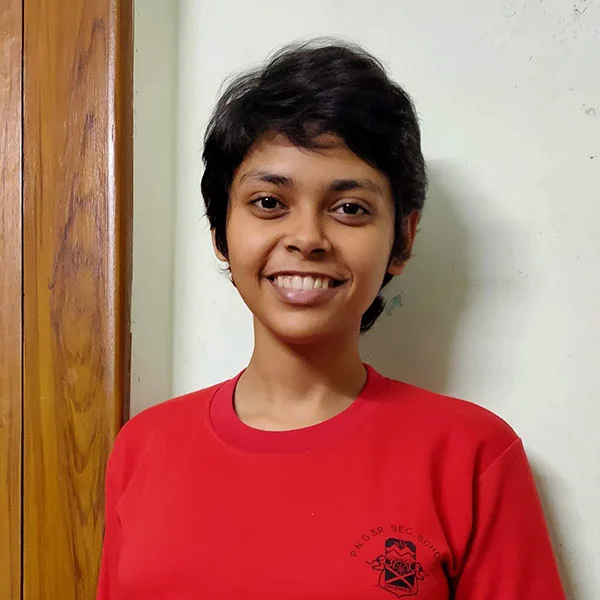
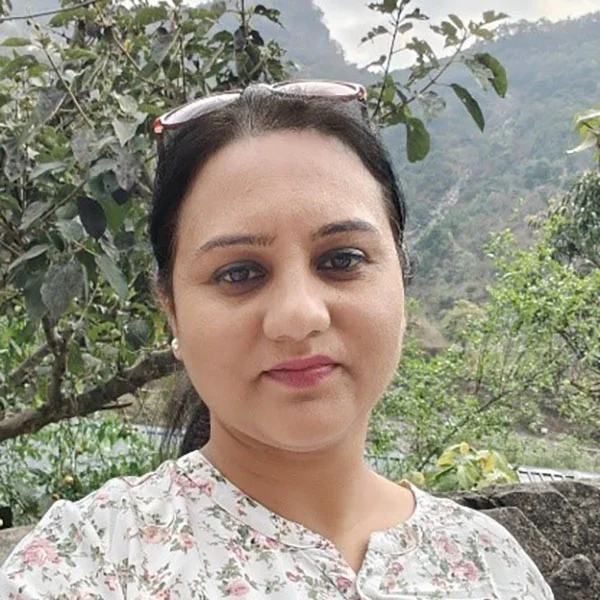
Expert educators who connect, guide, and prepare students with special personalized care ❤️📚✨













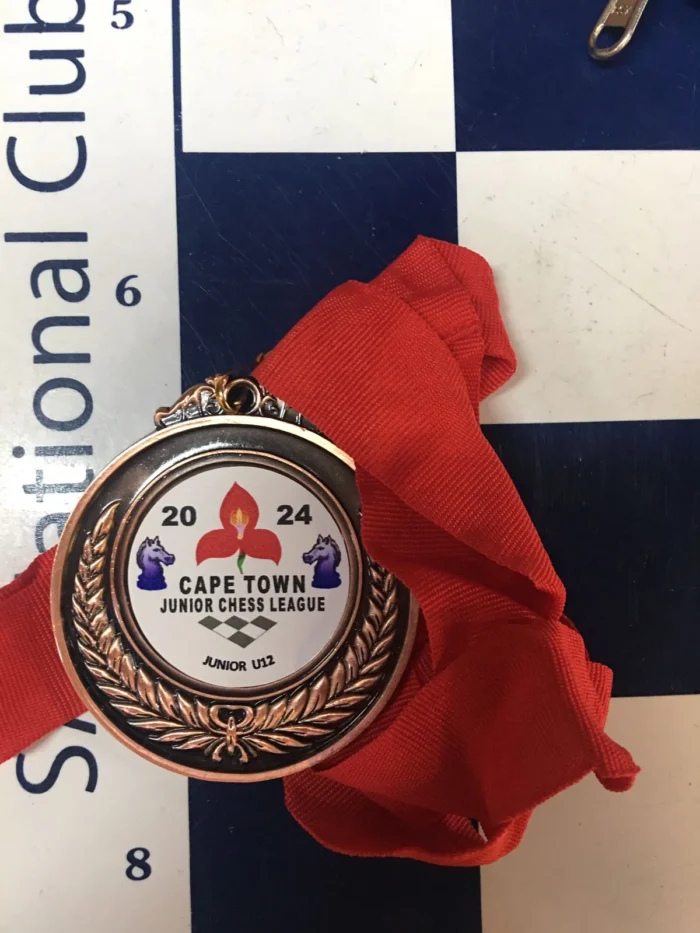
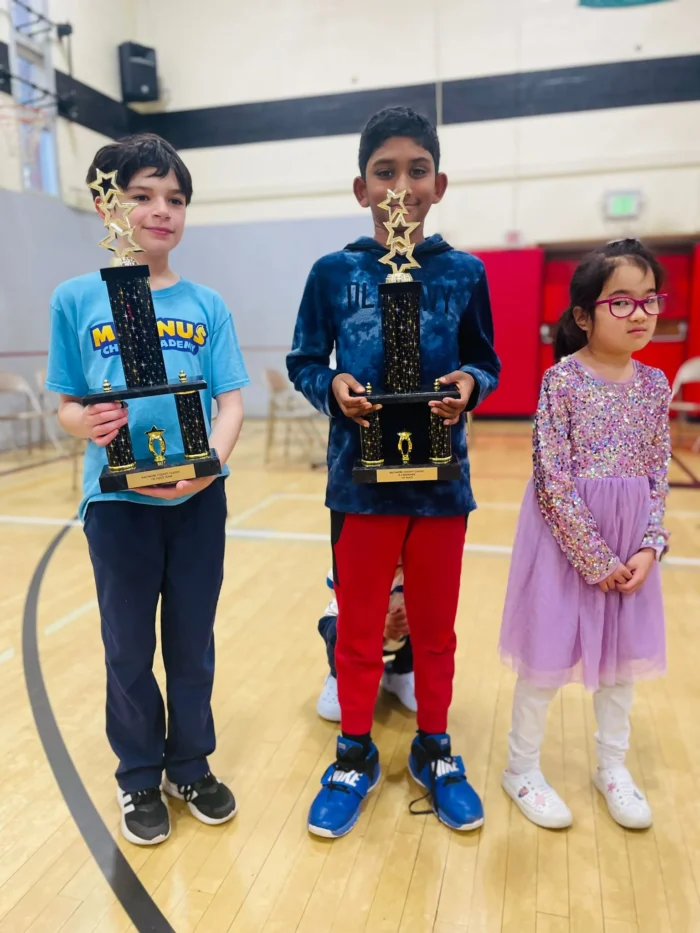
Student Achievements
Making an Impact: 🏆 Student Achievements That Shine | 🌱 Your Growth. Our Mission.


What Our Parents Say About Us
👪 Real Results. Real Parent Voices. 🏆 Futures Built with Care



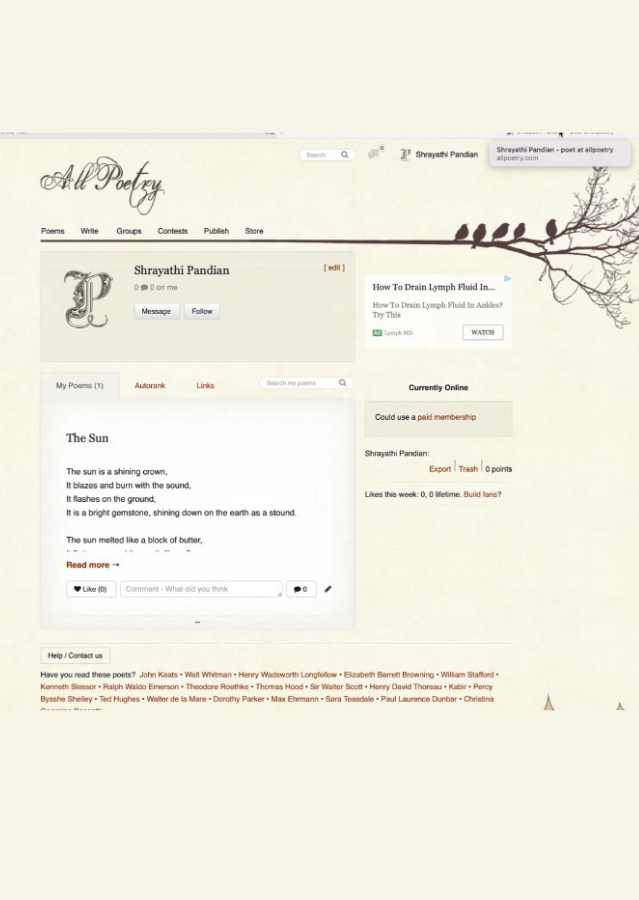
Parent Testimonials
Success Stories That Speak 🌟🎓 Wins That Inspire Pride 🏆
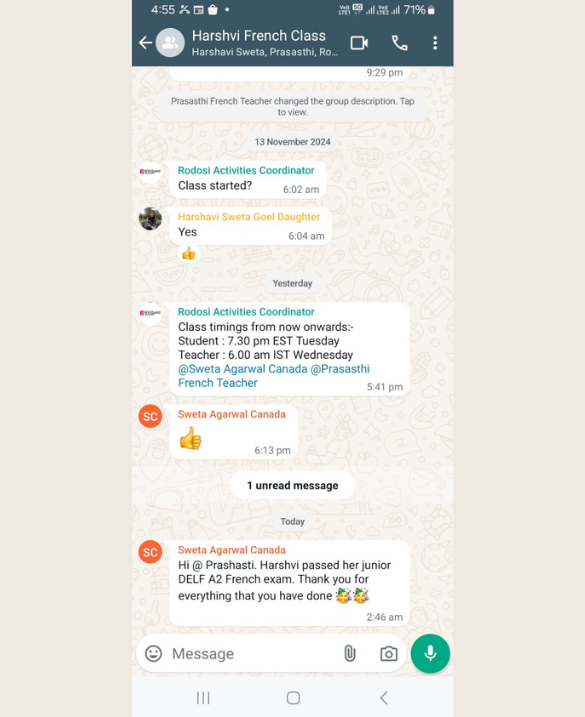
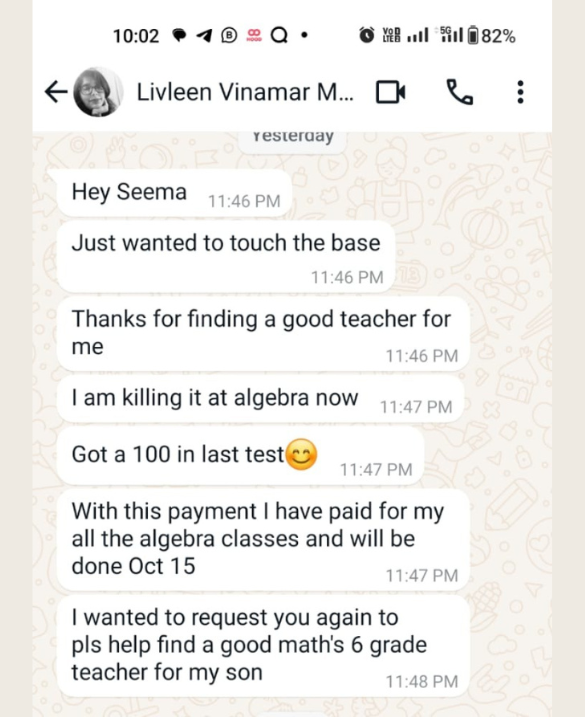
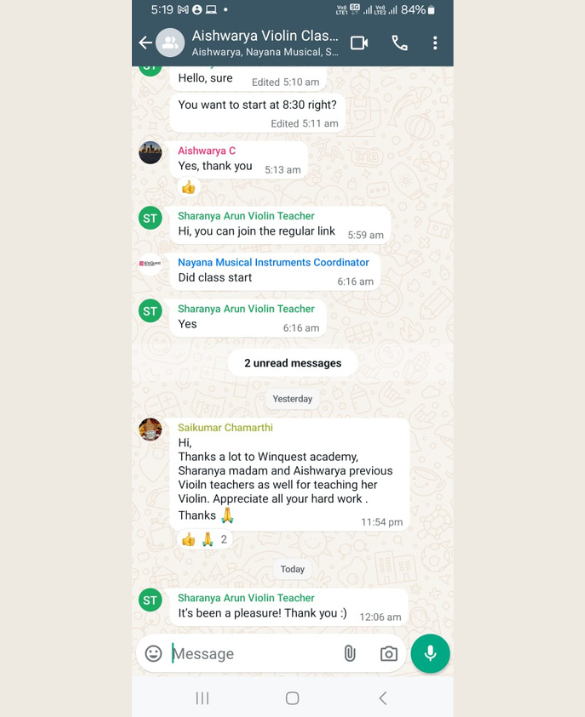
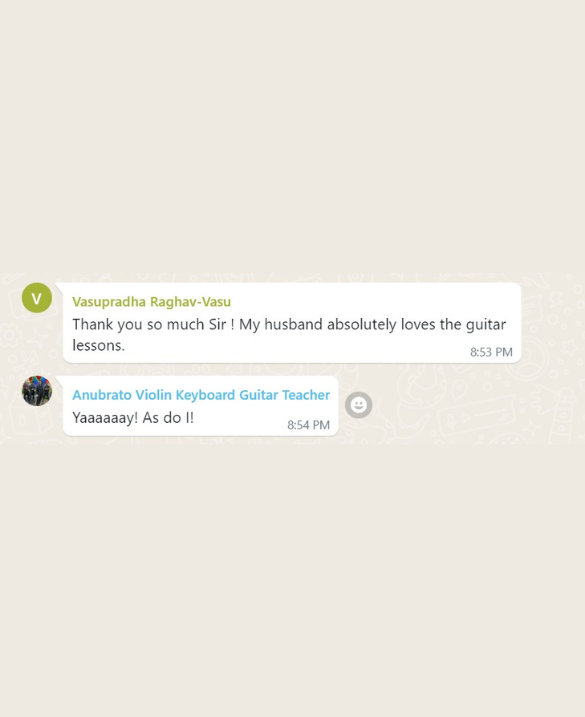
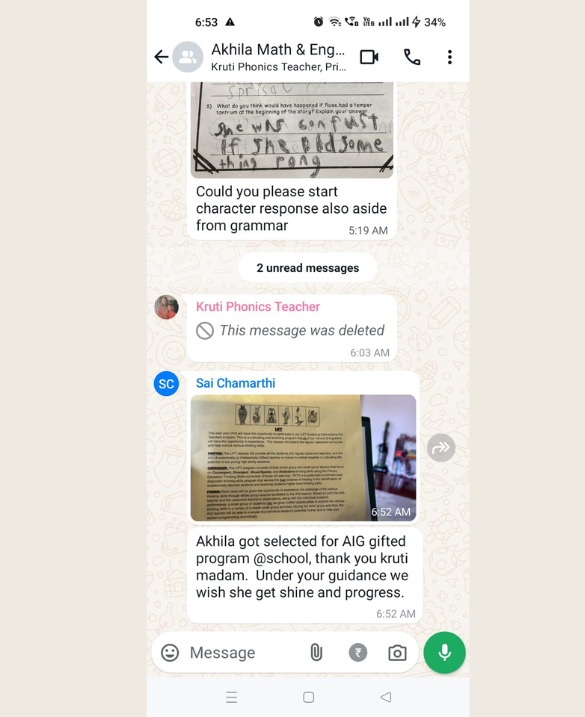
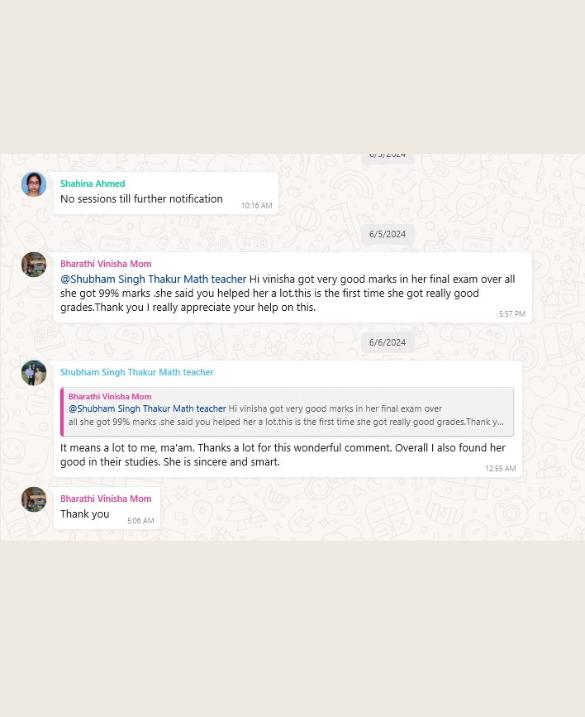
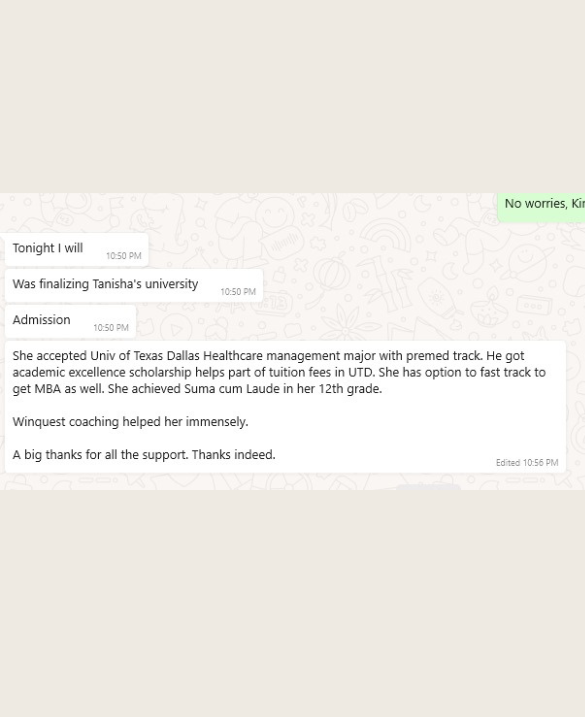
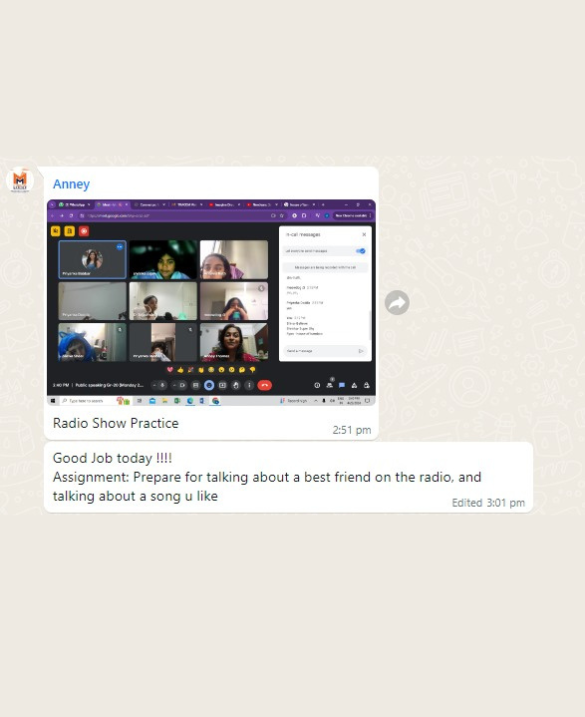
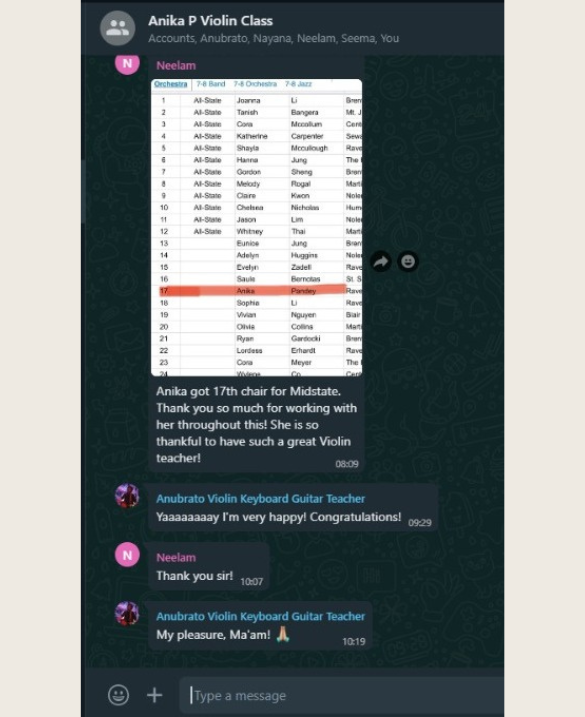
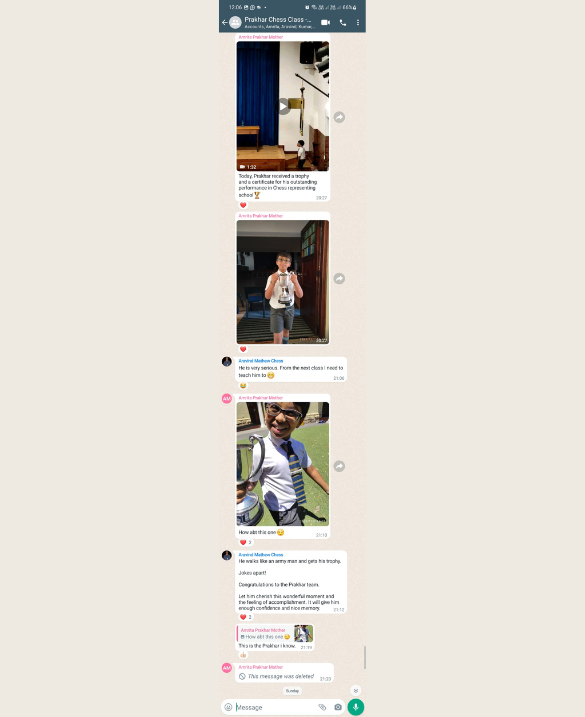
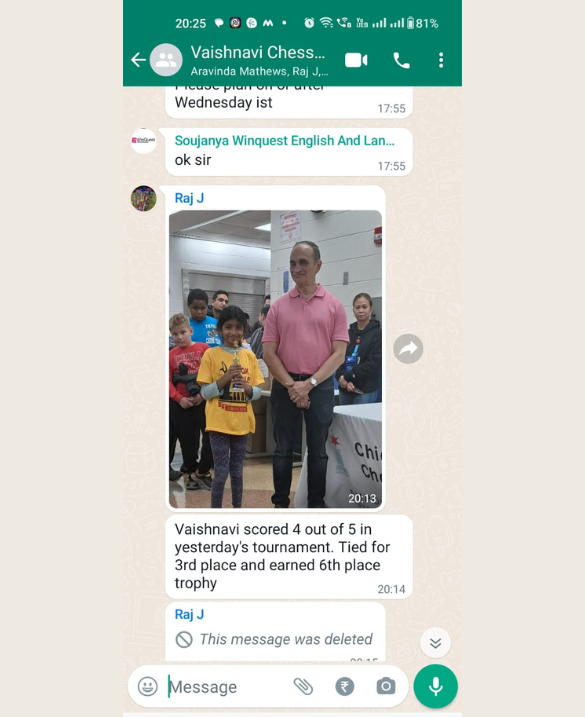
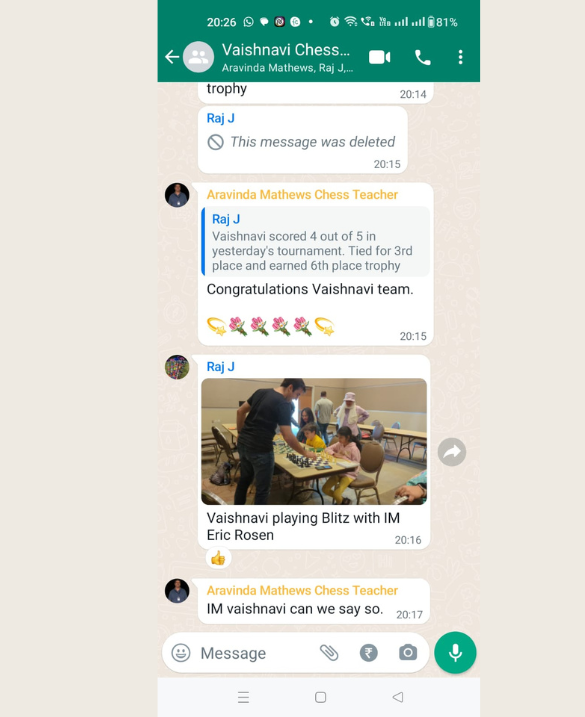
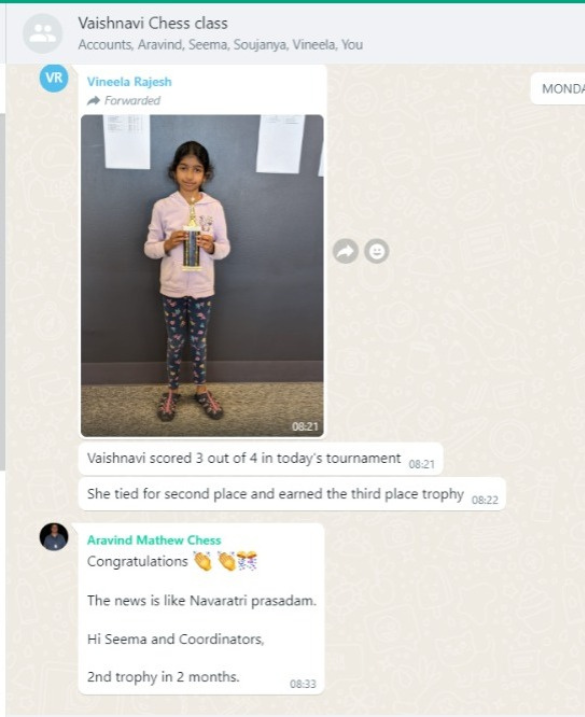
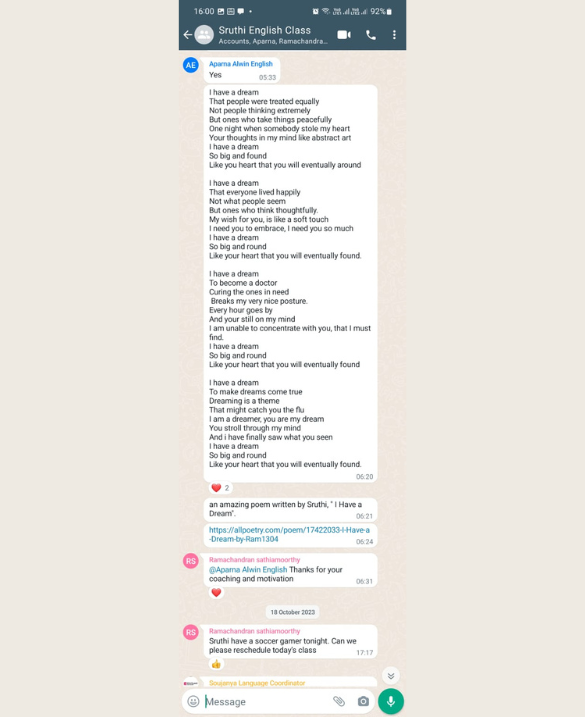
WhatsApp Testimonials
Real Voices from Our WhatsApp Community 💚📚
Latest News and Resources
📰 Learning Updates | 📘 Tips | 🎓 Resources | 💻 Online Courses