
Course Details
Hindustani Vocal Music
Hindustani Vocal Music
Unlock the beauty of North Indian classical singing with raga-based training.
About WinQuest
Welcome to WinQuest Online, your premier destination for high-quality online Vocal Music Classes!
At WinQuest, we are passionate about promoting the joy of singing and helping individuals unlock their true vocal potential. Our platform is designed to provide a convenient and immersive learning experience for students of all ages and skill levels, allowing them to explore and develop their vocal talents from the comfort of their own homes.
Embark on your vocal journey with us at WinQuest and let us guide you towards reaching your full vocal potential. Whether you aspire to become a professional singer, improve your singing skills, or simply find joy in expressing yourself through music, our online Vocal Music Classes provide the guidance, support, and inspiration you need. Join our community of passionate vocalists and let your voice soar!
Why Choose Online Hindustani Vocal Music Classes?
Overview
Hindustani vocal music, a classical tradition originating in the Indian subcontinent, is characterized by its emphasis on improvisation, intricate melodic patterns, and the use of ragas and talas. The genre's rich history involves contributions from various musicians and scholars, with a profound connection between performers and audiences. In Hindustani vocal music, artists express deep emotions and narratives through their voices, employing techniques such as ornamentation and vibrato. The diverse repertoire spans devotional, classical, semi-classical, and experimental compositions. Gharanas, distinct musical schools, have played a significant role in shaping the tradition. Start learning Hindustani Vocal Music from the comfort of your home!
What You'll Learn
- Interactive & engaging live classes.
- 1:1 & group batches.
- Classes available across USA, UK, Europe, Australia, Singapore, Dubai, etc.
- Convenient & flexible scheduling
- No contracts or hidden fees
- Free demo class
- For kids aged 6 years and above
- Certificate of completion/participation
About the Curriculum
About the Curriculum+
- Preparing students for ABGMVM exams.
ABGMVM+
- https://abgmvm.org/
- Akhil Bharatiya Gandharva Mahavidyalaya Mandal (ABGMVM) is a renowned institution that works for the promotion and propagation of Indian Classical Music and Dances, including Hindustani vocal music.
- ABGMVM provides training and certification in vocal music, with courses ranging from Prarambhik (Beginners level) to Sangeet Acharya (Ph.D. level). The institution has nearly 1200 affiliated institutions and nearly 800 Exam Centres all over the country, from Assam to deep South Kerala.
- The Mandal's General Body consists of members from almost all the States in India and some international members as well. They also provide an International Online Exam Center for students.
- ABGMVM was established with a single aim in mind to uplift music. It is a virtual continuation of the Gandharva Mahavidyalaya established by Pt. Vishnu Digambar Paluskar in 1901 at Lahore.
Each level of ABGMVM+
- Prarambhik (Beginner Level)
- Praveshika Pratham
- Praveshika Purna
- Madhyama Pratham
- Madhyama Purna
- Visharad Pratham / Upantya Visharad
- Visharad Purna (Equivalent to a bachelor's degree)
- Sangeet Alankar (Equivalent to a master's degree)
- Sangeet Acharya (Equivalent to a Ph.D.)
- Exam details form: https://abgmvm-exam.org/gmm-ioec/instructions.php
- In our courses we prepare students for Level 1 (Prarambhik) to Level 3 (Praveshika Purna).
- For further levels, we prepare students with 1:1 classes based on the specific curriculum.
Here are a few other certifications+
- Prayag Sangeet Samiti: Prayag Sangeet Samiti is a renowned music institution in India that offers online examinations and certification in Hindustani vocal music. They have different levels of exams, ranging from Prarambhik (basic) to Prabhakar (advanced). You can visit their website for more information on the examination process and syllabus.
- Sangeet Prabhakar by Pracheen Kala Kendra: Pracheen Kala Kendra is a well-known organization that offers the Sangeet Prabhakar certification in Hindustani vocal music. They have an online examination system that allows international students to pursue their certification. You can visit their website for more information on the examination process and syllabus.
- Shankar Mahadevan Academy: Shankar Mahadevan Academy, as mentioned earlier, also offers courses and examinations in Hindustani vocal music. They have a comprehensive curriculum and provide certification upon successful completion of the exams. You can explore their website for more details on their courses and examination process.
Level 1
Prerequisites+
- Interest in Hindustani music
- Willingness to practise
Foundations of Hindustani Music+
- Understanding Swaras (Notes), Shuddha Swar, Komal Swar, and Teevra Swar
- Basics of Shruti, Naad, Aaroh-Avroh, and Saptak (Octave)
- Simple Alankaars (Patterns) with Shuddha Swaras
- Posture and Hand/Finger Placement for Singing
- Introduction to Singing with Tanpura (Sa.. Pa... Sa)
- Basic Bandish/Songs in Raag Durga, Bhoop, Kafi, Des, and more
Introduction to Rhythm and Taal+
- Understanding Taal, Matra, Laya, Vibhag, Sum, Taali, and Khaali
- Introduction to Dadra Taal and Alankars in Dadra Taal
- Practice of Sargam Geet in Dadra Taal (with only Shuddha Swar)
- Introduction to Keherwa Taal and Alankars in Keherwa Taal
- Introduction to Teentaal/Tritaal and Alankars in Teentaal
- Practice of the National Anthem (based on Raag Bilawal) in Teentaal
Introduction to Raag+
- Understanding Thaat and Its Notes
- Introduction to Raag and Its Characteristics
- Identifying Vaadi, Samvadi, Anuvadi, and Vivadi Swaras
- Understanding Varjit and Nyas Swaras
- Introduction to Raag Jaati and Lakshan Geet
- Practice of Chhota Khayal in Raag Bilawal (Madhyalay Tritaal)
- Prayer based on Raag Alhaiya Bilawal
Introduction to Musical Forms and Repertoire+
- Introduction to Sargam Geet and Lakshan Geet
- Practice of Chhota Khayal and Bhajan based on Raag Kafi
- Introduction to Shlok based on Raag Bhoop and Geet based on Raag Bhoop
- Introduction to Pandit Vishnu Narayan Bhatkhande and His Contributions to Music
Preparation for ABGMVM Prarambik - Level 1 Examination+
- Revision of Swaras, Alankaars, and Taal Concepts
- Advanced Practice of Alankaars with Shuddha and Vikrit Swaras
- Comprehensive Study of Taal, Matra, Laya, and Vibhag
- Advanced Alankars in Dadra, Keherwa, and Teentaal
- Detailed Analysis of Raag Characteristics, Vaadi, Samvadi, and Anuvadi Swaras
- Revision and Performance of Bhajans in Raag Kafi and Bhoop
- In-depth Study of Pandit Vishnu Narayan Bhatkhande's Contributions to Music
Learning Outcomes+
- Students will develop a comprehensive understanding of the different types of notes (shuddha, komal, and teevara swaras) and their roles in Hindustani music.
- Students will gain proficiency in understanding and performing various taals (rhythmic cycles) including Dadra Taal, Keherwa Taal, and Teentaal.
- Students will learn about different ragas, their characteristics, and how to identify key elements such as vaadi, samvadi, and anuvadi swaras.
- Students will develop proper vocal technique including posture, breath control, and hand/finger placement for singing.
- Students will be introduced to a variety of bandishes (compositions) and bhajans based on different ragas, allowing them to build a repertoire of songs.
- The curriculum prepares students for the ABGMVM Prarambik - Level 1 Examination, covering a range of topics including swaras, alankaars, taal concepts, raag characteristics, and performance of compositions.
- Students will gain an understanding of the cultural and historical significance of Hindustani music, including the contributions of notable figures such as Pandit Vishnu Narayan Bhatkhande.
Level 2
Prerequisites+
- Students should have a strong foundation in the basics of Hindustani music, including an understanding of swaras, taal, and ragas. The Level 1 curriculum will serve as a suitable prerequisite.
- Proficiency in basic vocal techniques, including proper posture, breath control, and hand/finger placement for singing.
Advanced Technical Concepts+
- Technical Terminology: Exploring advanced terminology in Hindustani vocal music
- Practice of Phrases in Different Ragas: Developing proficiency in executing melodic phrases in various ragas
- Understanding the Time Cycle of Ragas: Exploring the time cycles and characteristics of different ragas
- Types of Singing in North Indian Classical Music: Delving into various styles and forms of singing in Hindustani classical music
- Introduction to Taal: Building upon previous knowledge, further exploring the intricacies of rhythm in Hindustani music
- Raga Khamaj, Yaman, Desh, Bhairav: Detailed study and practice of these important ragas
- Life History of "Miyan Tansen": Understanding the life and contributions of the legendary musician "Miyan Tansen"
Advanced Musical Forms and Techniques+
- Introduction to Aalap and Taans: Understanding the art of improvisation and ornamentation in Hindustani music
- Basic Sargam Geet and Lakshan Geet: Further exploration of these musical forms, emphasizing intricate melodic patterns
- Dhrupad and Bhajans: Introduction to other classical forms and devotional music
- Introduction to Taals: Exploring additional taals such as Roopak, Jhaptaal, Ektaal, and concepts of Dugun, Tigun
- Chota Khayal in Different Ragas: Practicing and performing Chota Khayal compositions in various ragas
Learning Outcomes+
- Students will acquire a more advanced vocabulary in Hindustani vocal music, including technical terminology related to singing and musical concepts.
- Develop proficiency in executing complex melodic phrases in various ragas, showcasing an increased level of musical expressiveness and creativity.
- Gain an in-depth understanding of the time cycles and characteristics specific to different ragas, enabling more nuanced and insightful performances.
- Explore various styles and forms of singing within Hindustani classical music, expanding the student's versatility and expressive range.
- Conduct a detailed study and practice of important ragas such as Khamaj, Yaman, Desh, and Bhairav, demonstrating a deeper understanding of their nuances and emotive qualities.
- Understand the life and contributions of the legendary musician "Miyan Tansen," placing the musical learning in a historical and cultural context.
- Learn the art of aalap and taans, emphasizing the techniques of improvisation and ornamentation, crucial for expressing creativity in Hindustani music.
- Gain exposure to other classical forms such as Dhrupad and Bhajans, broadening the student's repertoire and understanding of diverse musical traditions.
- Explore additional taals such as Roopak, Jhaptaal, Ektaal, and concepts of Dugun, Tigun, enhancing the student's rhythmic vocabulary and complexity.
- Practice and perform Chota Khayal compositions in various ragas, demonstrating a higher level of musical sophistication and interpretative skills.
Level 3
Prerequisites+
- Intermediate to Advanced Hindustani Music Knowledge: Students should have a strong foundation in Hindustani music theory and practice, including a thorough understanding of swaras, ragas, taals, and basic vocal techniques.
- Proficiency in Vocal Skills: Advanced proficiency in vocal technique, including breath control, modulation, and expression, is necessary to tackle the more complex musical forms and techniques introduced in this curriculum.
- Raga Knowledge: In-depth knowledge of various ragas and their characteristics, including the ability to identify vaadi, samvadi, and anuvadi swaras, is essential for studying and practicing advanced compositions.
- Taal Proficiency: A high level of proficiency in maintaining complex taal structures and rhythms is required, as the curriculum involves practicing layakari (rhythmic variations) in different taals.
- Openness to Advanced Concepts: Students should be open to delving deeper into advanced musical concepts and techniques, as well as exploring the cultural and historical aspects of Hindustani music.
Advanced Musical Theory and Notation+
- Definition of Musical Terms: Exploring advanced terminology used in Hindustani vocal music
- Introduction of Bhatkhande Notation System: Learning and practicing notation writing for compositions in various ragas
- Practice of Alankars in Different Thaats: Further exploration and practice of melodic patterns in different musical scales
- Taal Parichay: Layakari practice of different taals to enhance rhythmic proficiency
- Raag Durga, Asavari, Bageshree, Bhairavi: Detailed study and practice of these ragas
- Sargemageet/Swaramalika in Some Ragas: Practicing compositions in various ragas
- Introduction to Pandit Jasraj and His Contributions in the Field of Music
Advanced Musical Forms and Techniques+
- Introduction to Vilambit and Bada Khayal Forms: Understanding and practicing these slower-paced and elaborate compositions
- Singing and Culture of Dhrupad and Dhamaar: Exploring the rich heritage and techniques of Dhrupad singing
- Different Forms of Singing like Tarana: Introduction to additional vocal forms and their characteristics
- Concept of Swar Vistaar: Practicing melodic elaboration and expansion techniques
- Chota Khayal of Various Ragas: Practicing Chota Khayal compositions in ragas such as Bhairav, Kedar, Bilawal, Tilak Kamod, Bhairavi, Vrundawani Sarang, etc.
- Music Theory and Notation Writing: Further study and practice of music theory and notation writing techniques
Learning Outcomes+
- Students will gain proficiency in advanced musical terminology specific to Hindustani vocal music, enabling them to communicate and understand complex musical concepts effectively.
- Mastering the Bhatkhande notation system for writing compositions in various ragas, allowing students to transcribe and preserve musical compositions accurately.
- Further refinement and exploration of melodic patterns (alankars) in different musical scales (thaats), enhancing students' ability to navigate and improvise within complex melodic structures.
- Enhancing rhythmic proficiency through layakari practice in different taals, enabling students to perform intricate rhythmic variations with precision and creativity.
- Detailed study and practice of advanced ragas such as Durga, Asavari, Bageshree, and Bhairavi, deepening students' understanding of raga characteristics and melodic nuances.
- Introduction to advanced musical forms and techniques such as Vilambit and Bada Khayal, Dhrupad and Dhamaar singing, Tarana, and Swar Vistaar, expanding students' repertoire and expressive range.
- Practice and performance of Chota Khayal compositions in various ragas, showcasing students' ability to interpret and express the emotive qualities of different ragas.
- Further study and practice of music theory and notation writing techniques, enabling students to analyze, interpret, and transcribe complex musical compositions accurately.
Requirements
- Interest in Hindustani music
- Willingness to practise
- A laptop / desktop to connect to
- Stable internet connection
Reviews
5.0 / 5 ★ · 465+ students enrolled
Parents consistently rate our mentors for personalised attention, clear concepts and steady progress. Book a free demo to experience a class first-hand.
Frequently Asked Questions
How Do I get started?+
To get started, you can simply book a demo class or join one of our free workshops. To book a demo class you can click on the "Book a Demo" button and provide details to schedule the class. For details, please contact us at (+91) 74391 54909 or contact@winquestonline.com
How does payment work?+
We require monthly advance payments for the number of classes scheduled in a calendar month. We use PayPal, or other payment apps for the collection of fees. You will be asked to select your choice of payment method during the initial setup of the class.
What if I miss a class?+
For batch classes, we would be able to share a timed recording upon the parent's request. For one-on-one sessions, the class would be rescheduled. We request the parents to inform prior in advance in such cases.
Do I need to sign any contract?+
All our engagements are based on the terms and conditions and other requirements mentioned on the website. We provide complete flexibility to our students to exit the course anytime if they do not find that the classes are beneficial to them.
How do I get an update on my child's progress?+
For progress tracking we will be providing assessments and homework lessons which will give parents a clear picture of a child's progress. We encourage all Parents to discuss and share their views/feedback on a regular basis to the teacher or our Institute representative for updates and for us to keep improving and meeting your expectations.
If my kid does not enjoy the classes, will WinQuest refund the fees?+
We provide complete flexibility to our students to exit the course anytime if they do not find the classes beneficial to them. We will refund fees for those future classes which are not taken by the student.
Why should I take classes from WinQuest? Are they the best?+
WinQuest provides one-to-one interactive sessions with highly qualified teachers and best-in-class learning experience for your kids within your home. We endeavor to provide quality education at a reasonable cost, so that kids can get individual attention and therefore are able to compete better.
Will I get a certificate after the completion of the course?+
Yes, we provide certificates after completion of the course. We also encourage students to participate in various exams which are internationally recognized.
Where are the teachers from?+
Most of our teachers are from India with Masters in their subject or relevant experience teaching International Curriculum.
How does the scheduling work with different time zones?+
We are providing classes in the USA, Canada, UK, South Africa, Australia, Dubai, Singapore etc. We schedule sessions according to the time comfortable to kids in the respective time zones.
Is previous experience required?+
No, the course is designed to accommodate complete beginners.
What are the requirements for this course?+
For the courses a laptop/desktop to connect to, stable internet connection.
What if my child is below minimum age?+
The age groups are recommended by us considering the general level of understanding of the kids at any age, and particularly considering the virtual medium of teaching. If you feel that your Kid is exceptional, you are most welcome to try our trial session. We also recommend you check our other courses suitable for your kid's age group.
How are the classes conducted?+
Classes are conducted online via Google Meet or Zoom on the scheduled time, whether the classes be 1:1 or in a group.
What to do when my kid runs into a technical issue?+
Our teachers and operations team will provide technical support in case of an issue.
What should I choose - Indian Vocals or Western Vocals?+
The choice between Indian vocals and Western vocals depends on your personal preferences and goals as a musician. If you enjoy Indian classical music, or other forms regional of Indian music or Bollywood music, Indian vocals may be a better fit for you. If you prefer pop, rock, jazz, or other Western genres, Western vocals may be more appropriate. We recommend you explore different genres and then choose the one you like more.
Do you provide any study material along with the course?+
Yes! We will provide you with the reading material and other necessary media throughout duration of the course.
Will there be a Theory or Practical Exam at the end of the course?+
Yes, we prepare students for the ABGMV exams, at the end of the course.
How is Carnatic Music different from Indian Classical?+
Carnatic and Hindustani vocal music are two major classical music traditions of India, each with its own distinctive characteristics. Carnatic music, originating from South India, emphasizes intricate melodic ornamentation and a complex rhythmic system called talas, with a vast repertoire of ragas. Compositions in Carnatic music often include kritis, varnams, padams, and tillanas, composed in languages like Telugu, Tamil, or Sanskrit. In contrast, Hindustani music, rooted in North India, places a greater emphasis on improvisation within the framework of ragas and talas, with compositions like khayal, thumri, and gazal, often in languages such as Hindi, Urdu, or Punjabi. While both traditions share fundamental elements like ragas and talas, their unique styles, repertoire, and performance practices distinguish Carnatic and Hindustani vocal music from each other.
How can Hindustani Vocal Music classes help your kid?+
Enrolling your child in Hindustani vocal music classes can offer a multitude of benefits beyond musical skill development. These classes provide a structured environment for your child to cultivate discipline, focus, and perseverance through regular practice and performance. Hindustani vocal training also enhances cognitive abilities such as memory, attention to detail, and auditory processing, which can positively impact academic performance. Moreover, engaging with Hindustani music fosters creativity and emotional expression as children explore diverse melodies, rhythms, and lyrical expressions. Additionally, Hindustani vocal classes offer a cultural immersion experience, deepening your child's understanding and appreciation of Indian heritage and music traditions.
How long does it take to learn Indian Classical Music?+
For those venturing into Indian classical music, understanding its raga-based framework is crucial. A commitment of 4-5 years of learning, along with daily hour-long practice, suffices to grasp its foundational aspects. Aspiring amateur professionals should anticipate dedicating over 5 hours daily for 6-7 years to achieve Sangita Visharada status.However, for those aspiring to profound mastery and guru status, a transformative journey awaits. After 4-5 years of basics, rigorous daily practice exceeding 10 hours for several years is imperative. The culmination of 12 years marks a transformative phase, necessitating profound internal and external refinement, unwavering patience, and guidance to ensure sustained progress and vocal health.
Student Reviews
No reviews yet — be the first to share your experience with this course!
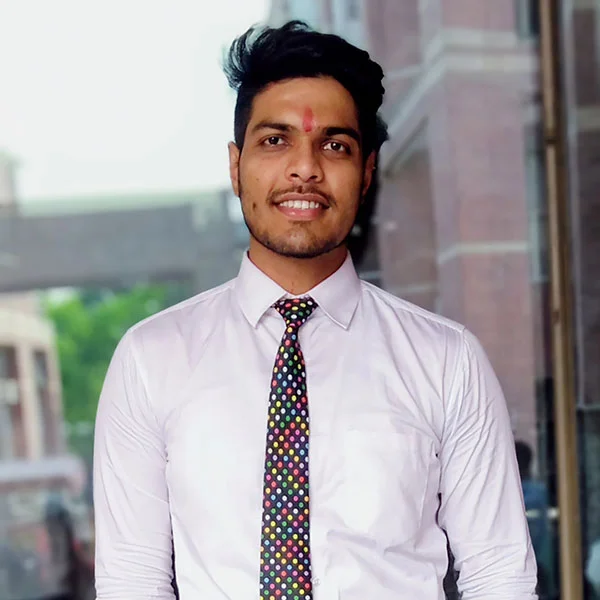
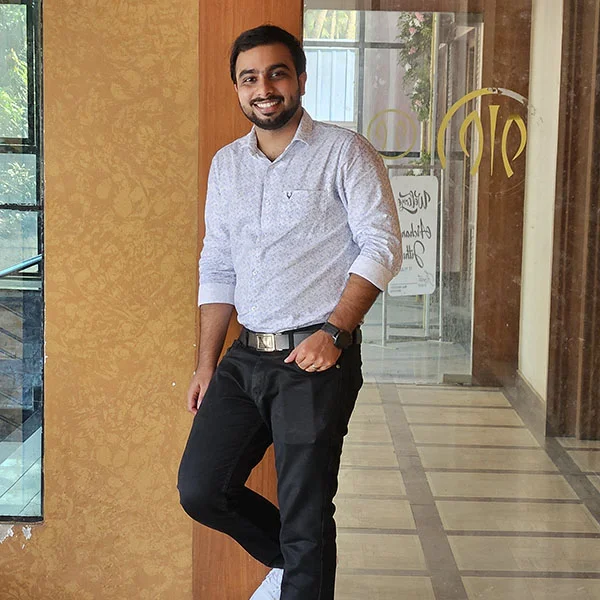
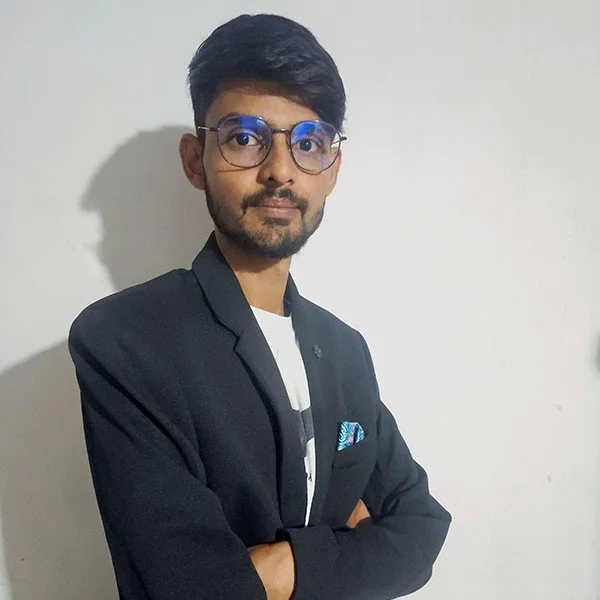
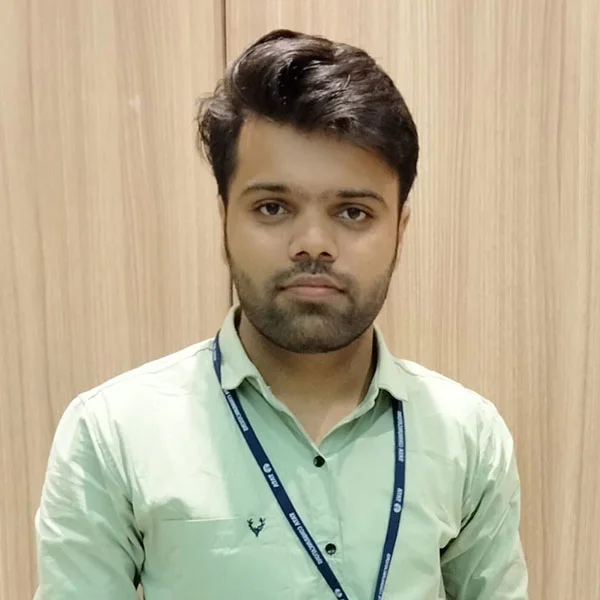
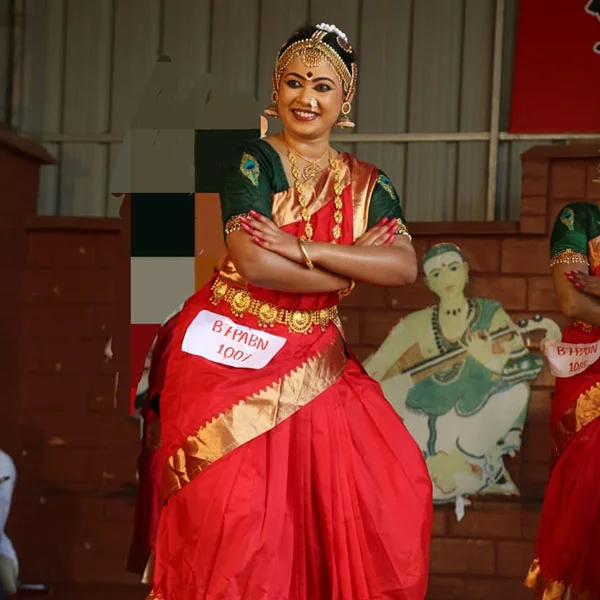
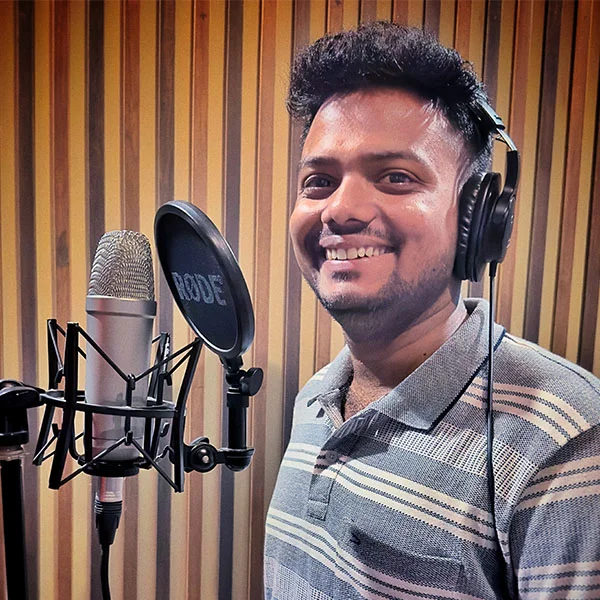
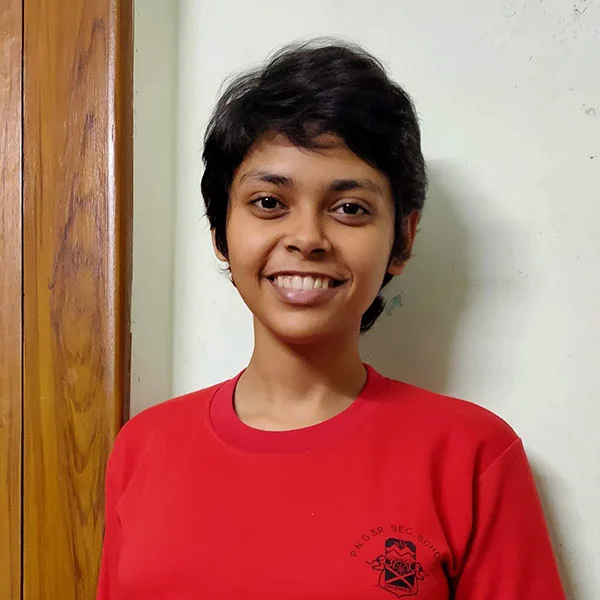
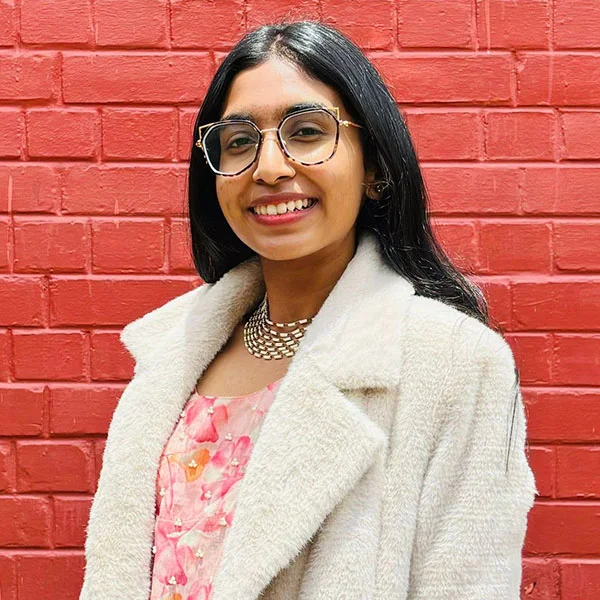
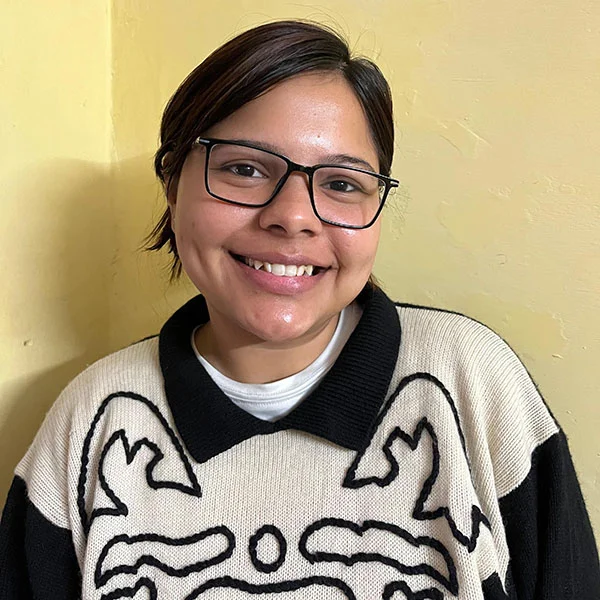
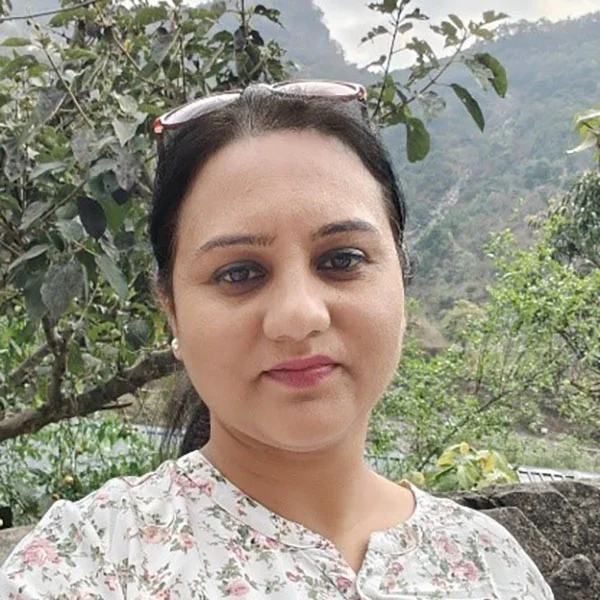
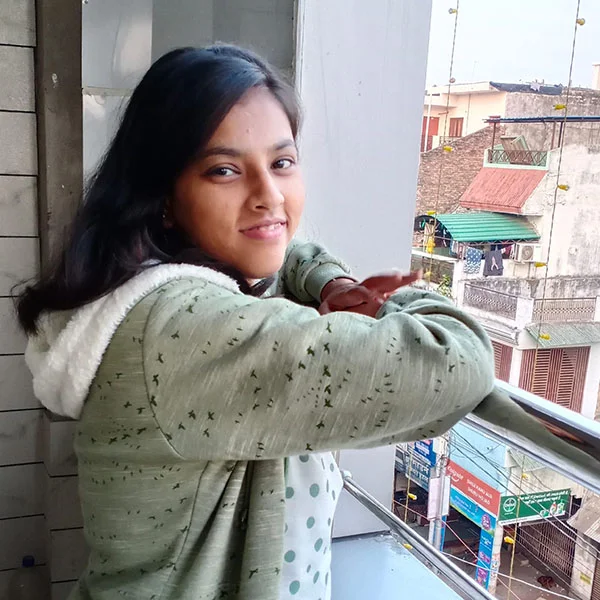
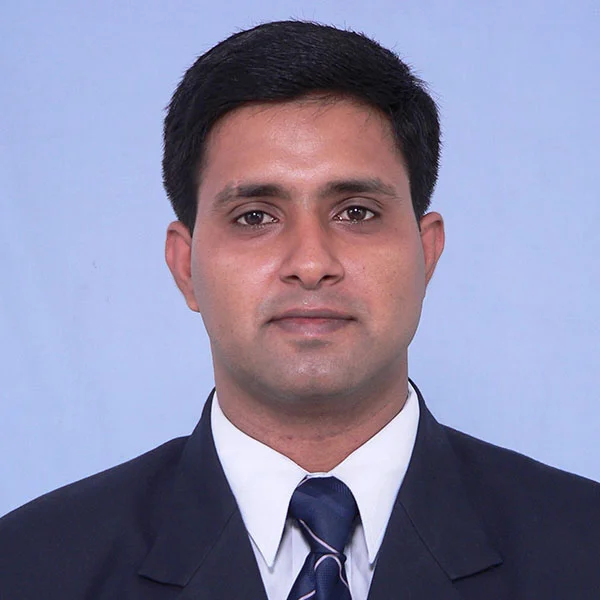
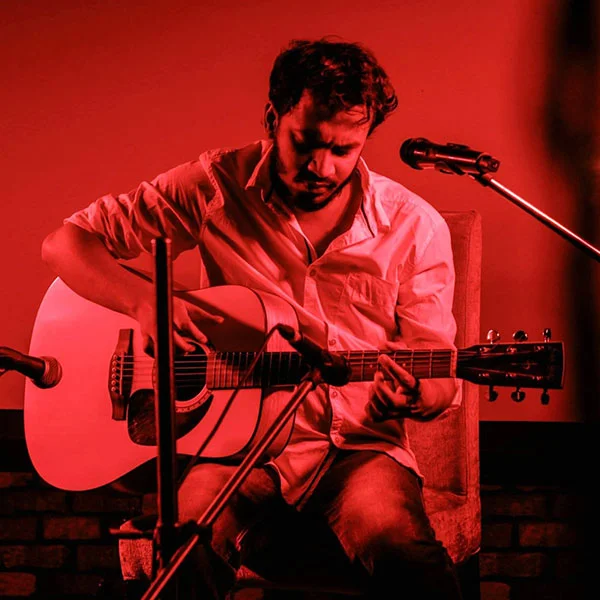
Meet our Teachers
Expert educators who connect, guide, and prepare students with special personalized care ❤️📚✨

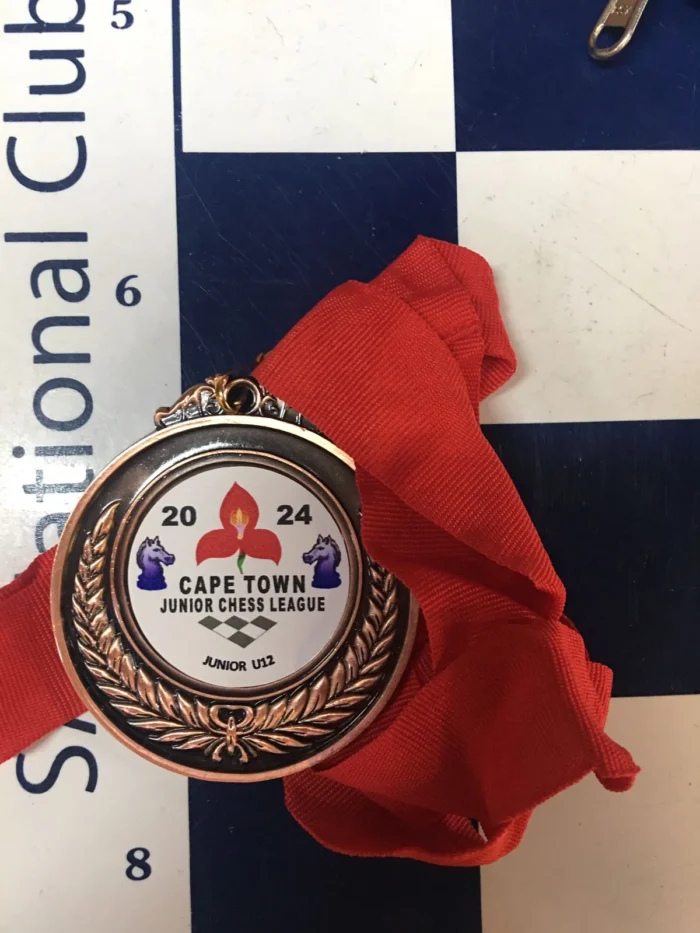
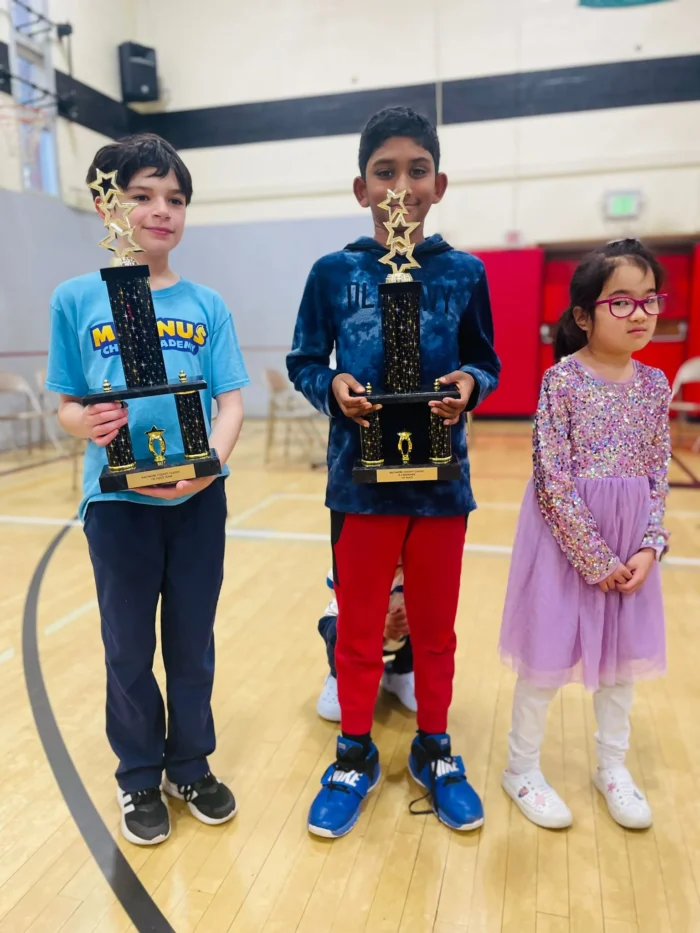
Student Achievements
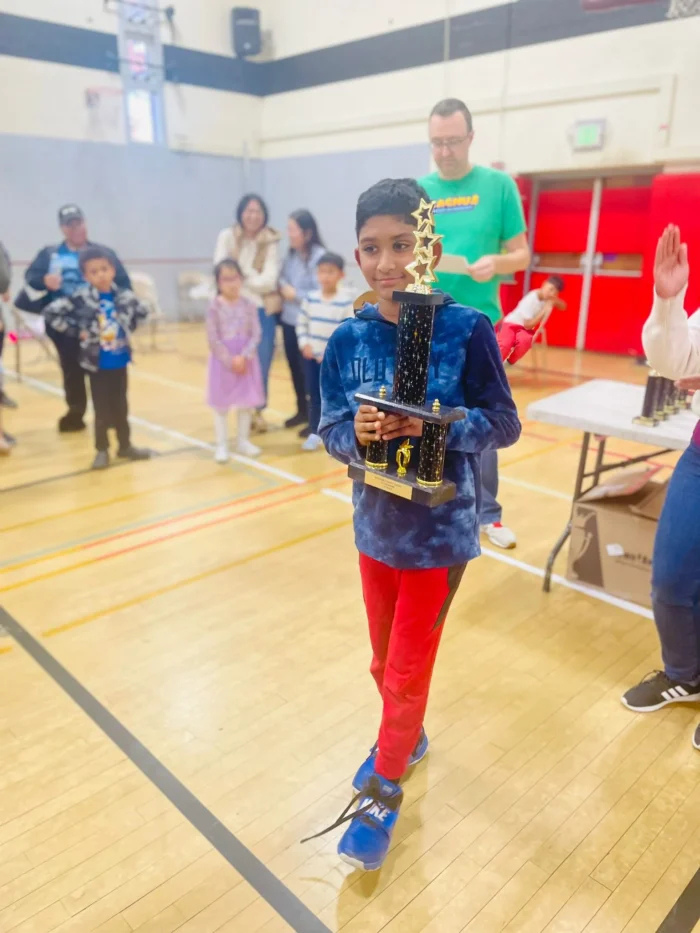
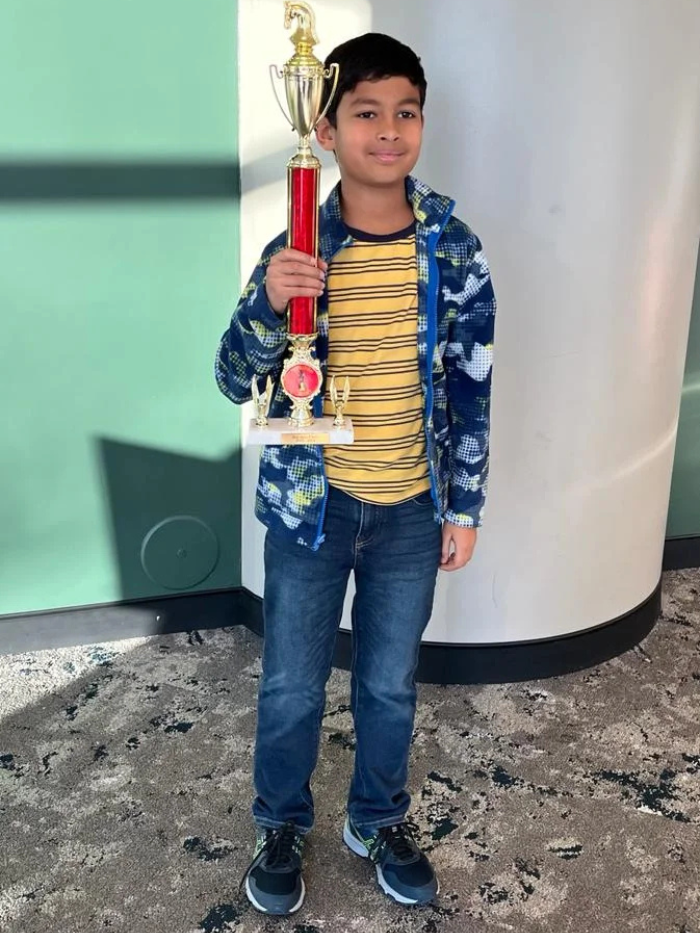
Making an Impact: 🏆 Student Achievements That Shine | 🌱 Your Growth. Our Mission.
What Our Parents Say About Us
👪 Real Results. Real Parent Voices. 🏆 Futures Built with Care
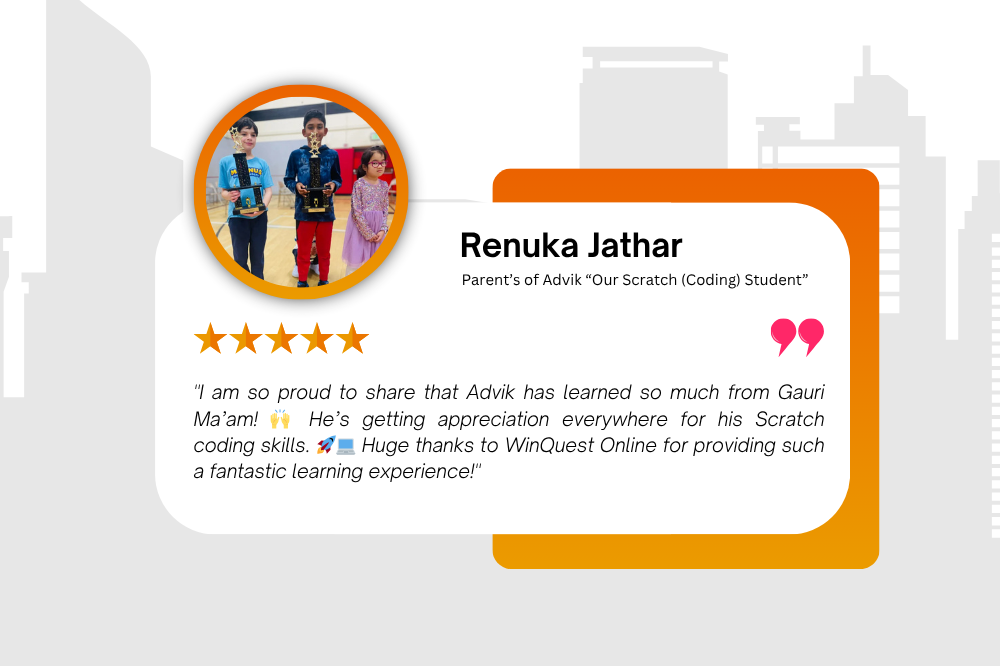
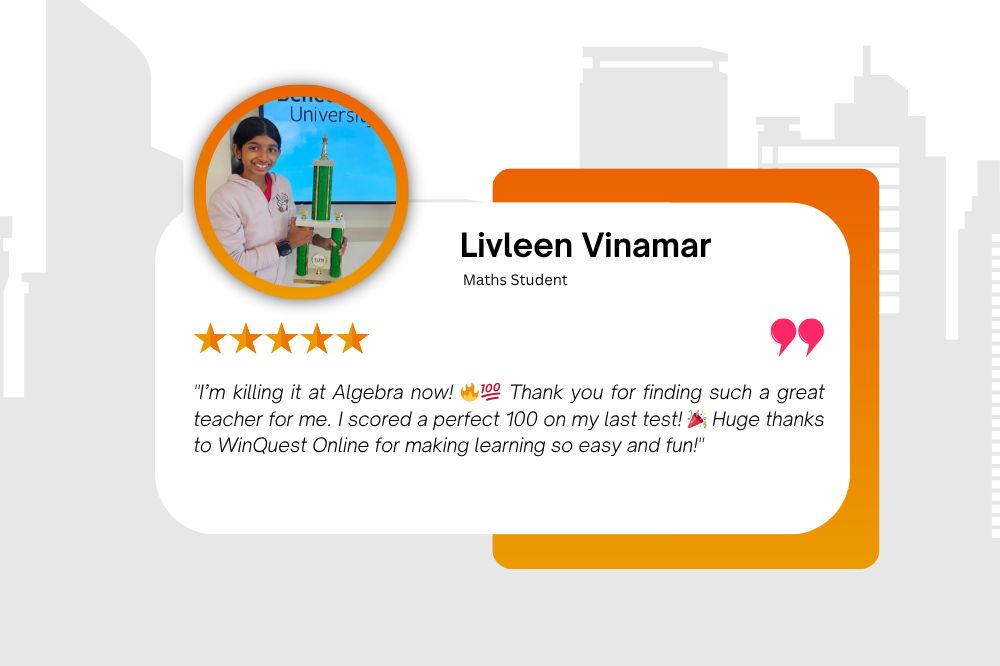
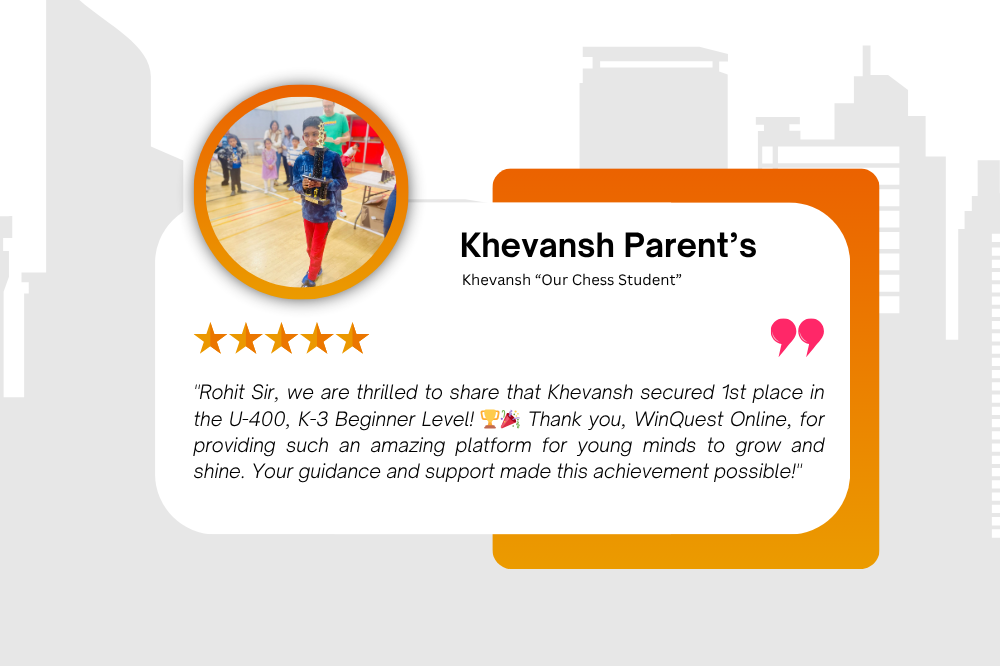
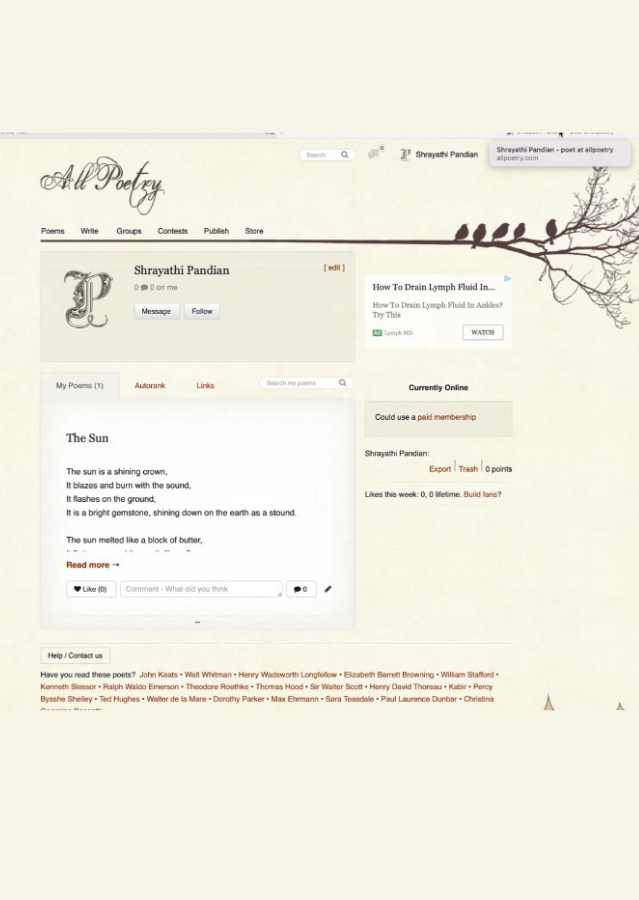
Parent Testimonials
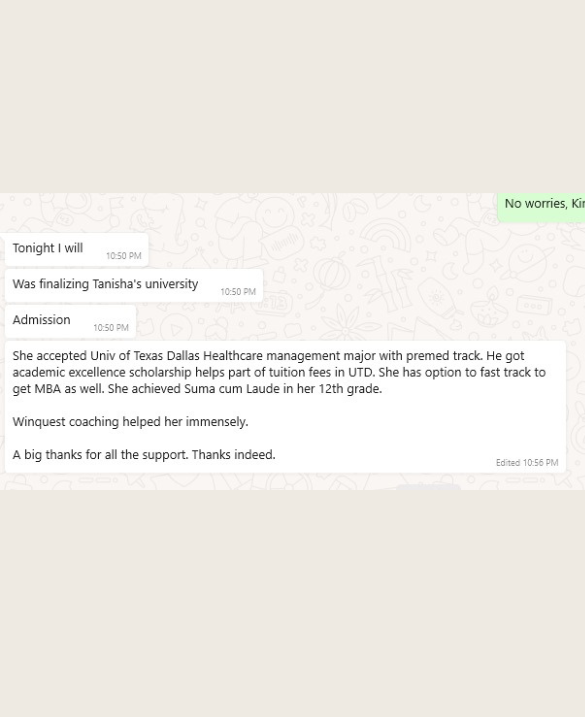
Success Stories That Speak 🌟🎓 Wins That Inspire Pride 🏆
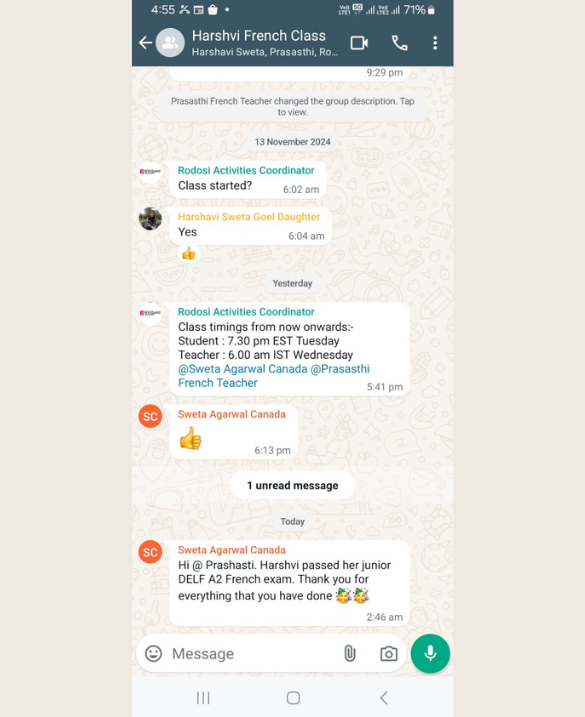
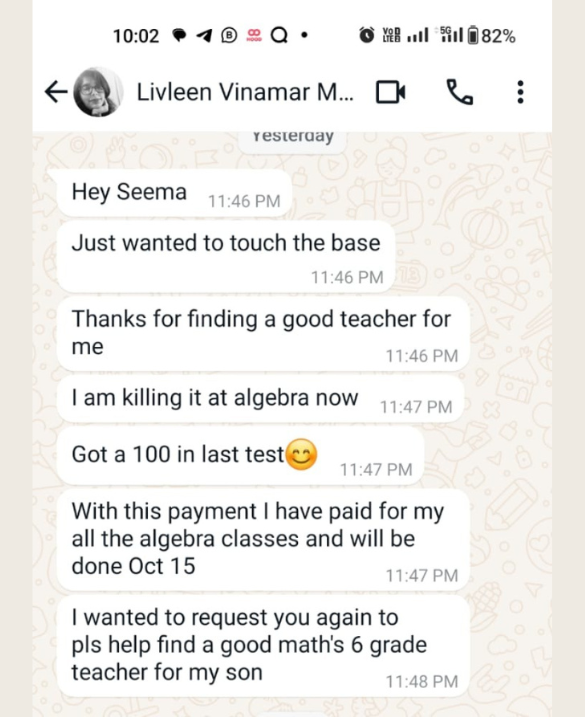
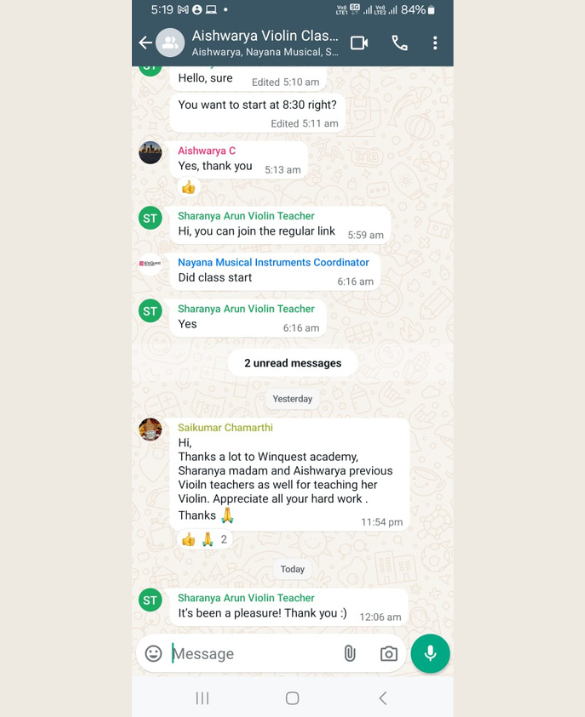
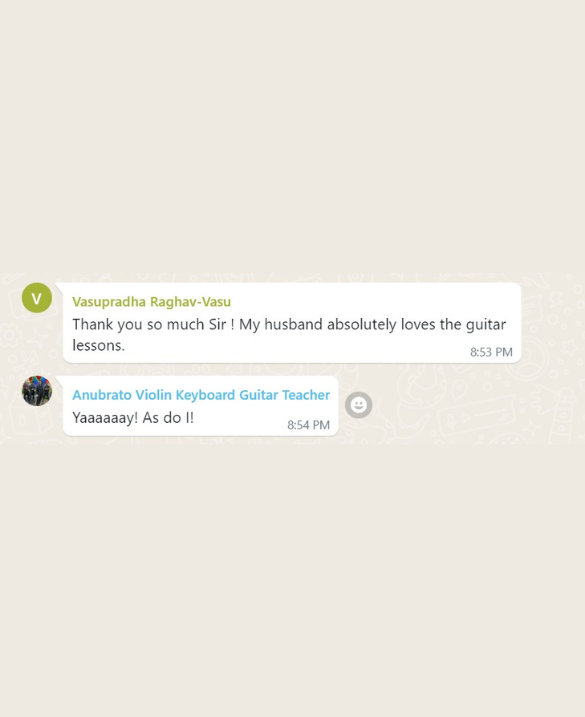
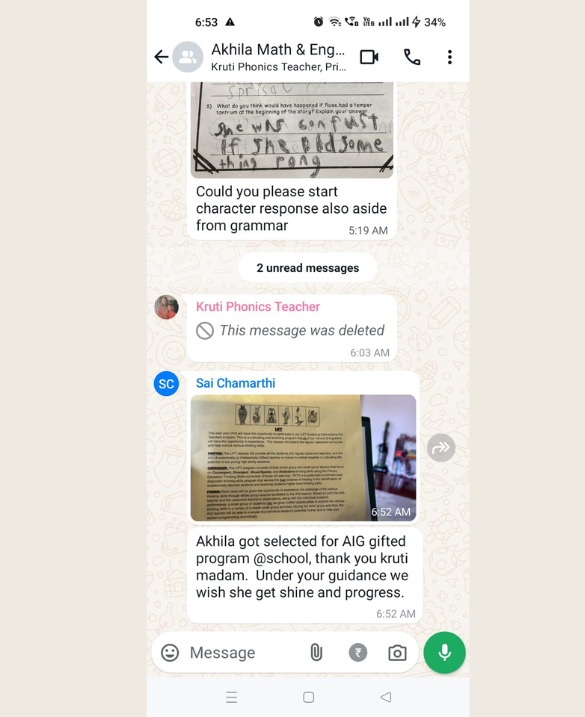
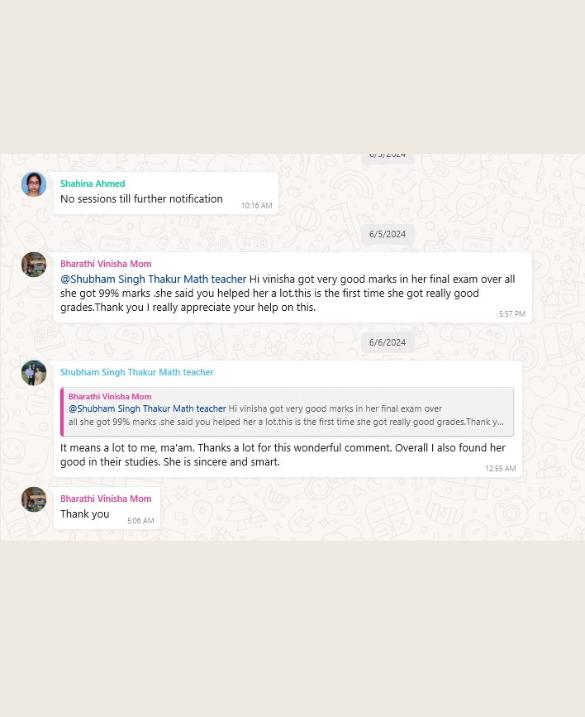
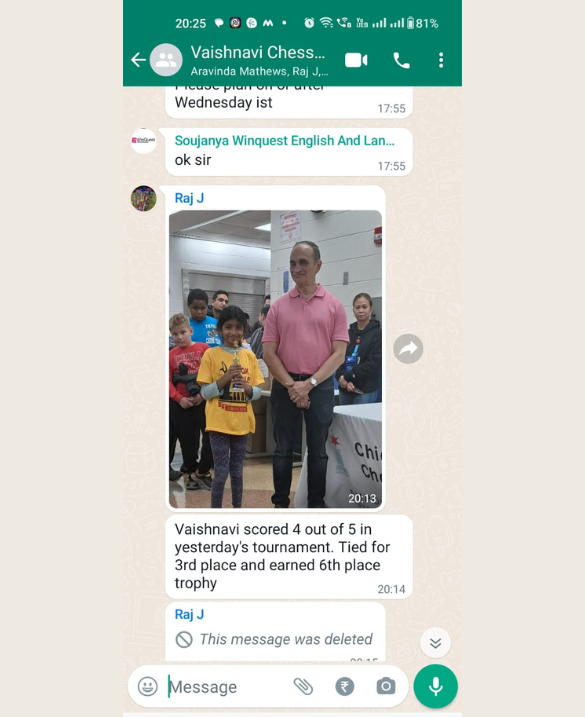
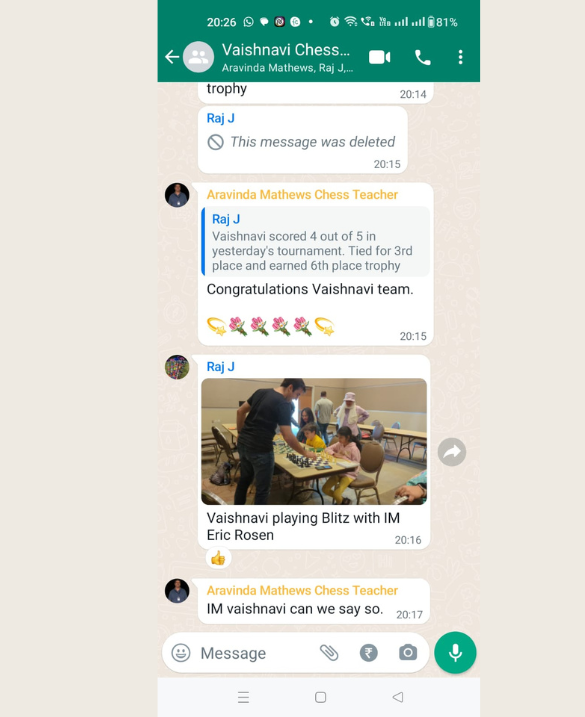
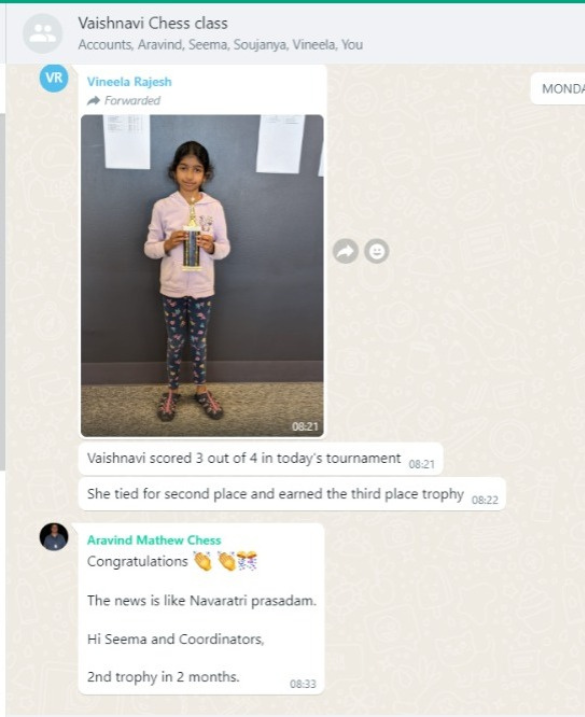
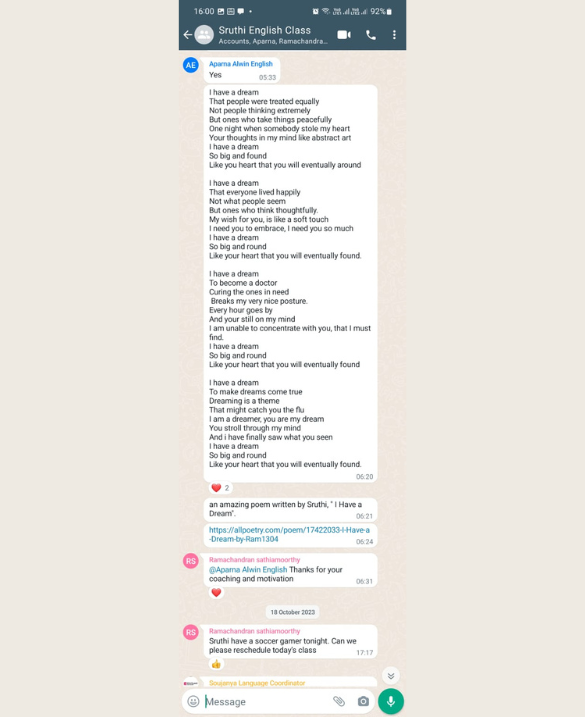
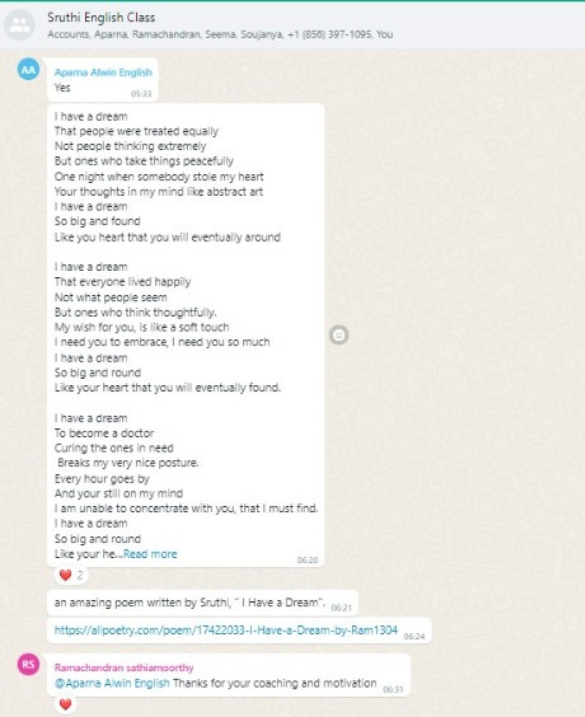
WhatsApp Testimonials
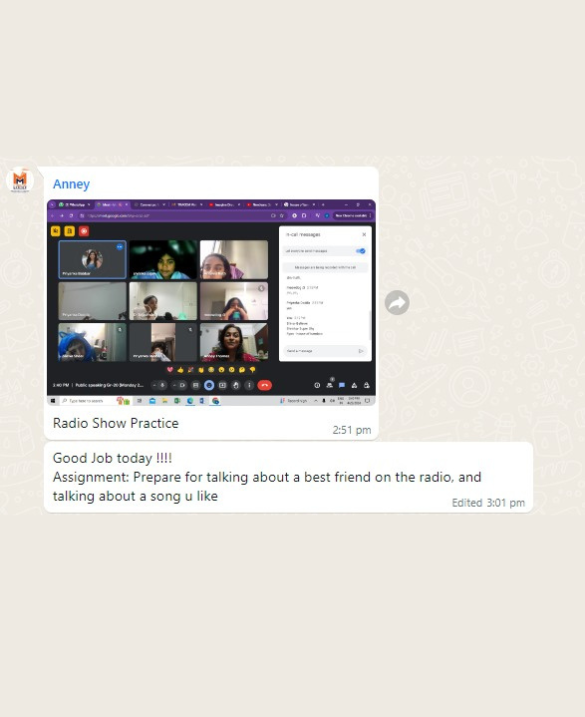
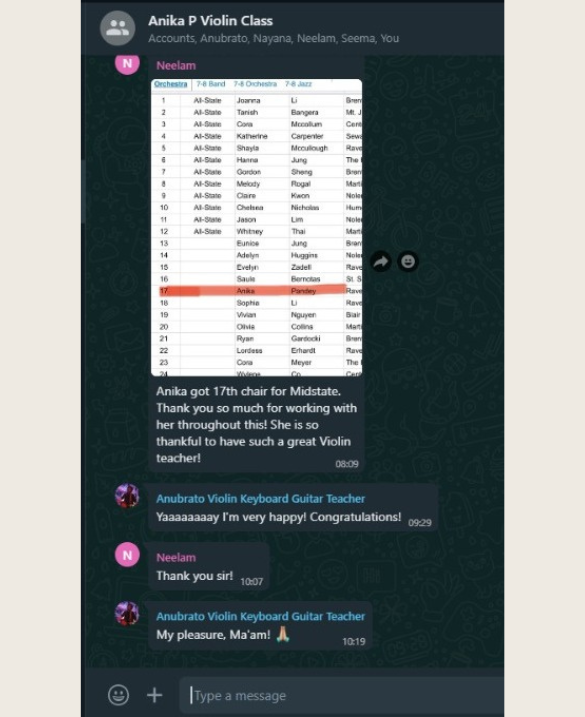
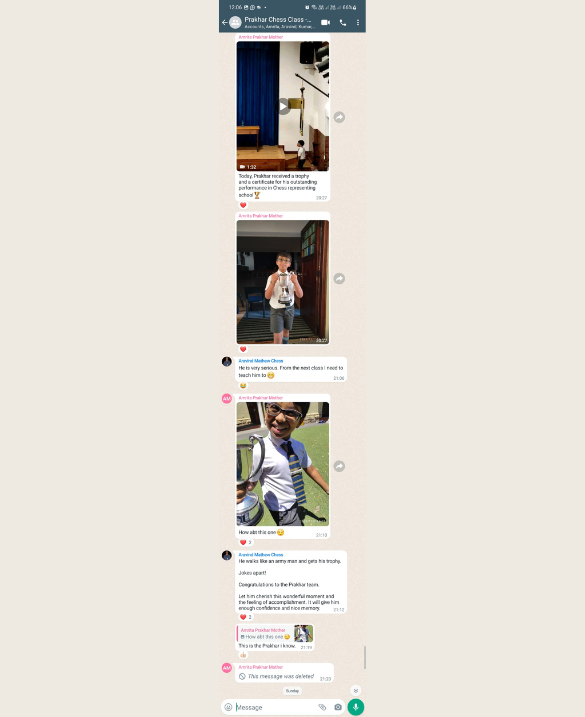
Real Voices from Our WhatsApp Community 💚📚
Latest News and Resources
📰 Learning Updates | 📘 Tips | 🎓 Resources | 💻 Online Courses