
Course Details
German
German
Unlock career and academic opportunities by learning the language of innovation.
Why Choose Online German Classes?
Overview
WinQuest Online German - live 1:1 or small-group classes mapped to the major German syllabuses your child may follow: the international Goethe-Zertifikat / CEFR ladder (A1 -> C2, awarded by the Goethe-Institut), US Common Core / ACTFL World Languages standards (Grade 7-12), CBSE and ICSE German as a third / foreign language (Grade 7-12), Cambridge IGCSE German Foreign Language 0525 (Year 10-11) and Cambridge AS / A-level German 9717 (Year 12-13). Tell us which path your child follows and the tutor adapts the lesson plan from day one.
What You'll Learn
- Live interactive sessions
- 1st one-on-one session
- Comprehensive curriculum
- No long-term commitment
- Personalized learning plan
International - Goethe / CEFR
Greetings & Identity+
- Guten Tag / Tschuss / Auf Wiedersehen, presentation phrases - we practise introducing yourself (Ich heisse, ich bin X Jahre alt, ich komme aus Indien).
- Personal pronouns and the verb sein - ich bin, du bist, er / sie / es ist, wir sind, ihr seid, sie / Sie sind. Use sein for identity, nationality, profession.
- The German alphabet (26 letters + 3 umlauts a / o / u and the eszett s), spelling words aloud (buchstabieren) and numbers 0 to 100.
Daily Life Vocabulary+
- Family (Mutter, Vater, Bruder, Schwester, Grossvater, Grossmutter, Onkel, Tante, Cousin, Cousine), colours (rot, blau, grun, gelb, schwarz, weiss), days and months.
- Foods (Brot, Kase, Apfel, Brotchen), drinks (Wasser, Milch, Kaffee, Saft), ordering at a cafe (ich mochte... bitte), asking the price with was kostet das.
- Hobbies (Musik, Sport, Lesen, Malen) and free-time vocabulary; expressing likes with "ich mag" + noun and "ich + verb + gern" (ich lese gern, ich spiele gern Fussball).
Foundation Grammar+
- Present indicative of regular verbs - the standard endings (-e, -st, -t, -en, -t, -en) applied to spielen, lernen, wohnen. Stem-changing verbs (fahren, lesen, geben).
- The three genders (der, die, das) and noun number; the indefinite article (ein, eine) and negation with kein / keine.
- Common irregular verbs - sein (to be), haben (to have), werden (to become), the modal verbs konnen, mussen, wollen, mochten - and their position in the sentence.
Goethe-Zertifikat A1 Exam Skills (Goethe-Institut)+
- Lesen - 3 short tasks (25 min): reading short signs, ads, emails; matching, multiple-choice and true / false.
- Horen - 3 short tasks (20 min): listening to short conversations, announcements, weather reports at a slow, clear pace.
- Schreiben - 2 short tasks (20 min); filling a form + writing a short personal message (30-40 words). Sprechen - 3 tasks (15 min) including a short interview, conversation about everyday topics and asking / answering questions.
Wider Everyday Topics+
- Travel and transport - asking and giving directions (rechts, links, geradeaus), booking a hotel (ich mochte ein Zimmer reservieren), buying a train ticket, navigating Frankfurt or Berlin airport.
- Daily routines (ich stehe um 7 Uhr auf, ich fruhstucke um 8, ich gehe zur Schule) using separable verbs (aufstehen, ankommen, einkaufen).
- Health and body parts (Kopf, Auge, Mund, Arm, Bein), visiting the doctor (ich habe Kopfschmerzen, ich habe Fieber), expressing feelings (ich bin mude, glucklich, traurig).
Past & Future Tenses+
- Perfekt (ich habe gespielt, ich bin gegangen) for completed past actions in spoken German; using haben vs sein as auxiliary.
- Prateritum (ich spielte, ich ging) for written narrative German; conjugation of regular and key irregular verbs (war, hatte, ging, kam, sah).
- Futur with werden (ich werde studieren) and present-with-future-meaning (ich gehe morgen ins Kino) - when to use each.
Practical German in Use+
- Comparatives (klein / kleiner / am kleinsten; gross / grosser / am grossten) and superlatives; irregulars (gut / besser / am besten, viel / mehr / am meisten).
- Accusative case (den, die, das, die) for direct objects and dative case (dem, der, dem, den) for indirect objects. Articles, pronouns and adjective endings.
- Reflexive verbs (sich waschen, sich anziehen, sich freuen, sich treffen) and reflexive pronouns in accusative (mich, dich, sich) and dative (mir, dir, sich).
Goethe-Zertifikat A2 Exam Skills (Goethe-Institut)+
- Lesen - 4 tasks (30 min): short ads, narratives, programmes, formal and informal messages.
- Horen - 4 tasks (30 min) at slow-to-natural pace; conversations, public announcements, weather reports, short radio broadcasts.
- Schreiben - 2 short tasks totalling 30 + 20 words. Sprechen - 3 tasks (15 min) including 6 questions about personal info + a planned activity + presenting a topic.
Opinions & Emotional Contexts+
- Talking about plans, ambitions and dreams (ich will Architekt werden, ich hoffe in Berlin zu studieren, ich mochte durch Europa reisen).
- Giving opinions (meiner Meinung nach, ich glaube, ich denke, ich finde, ich bin uberzeugt), agreeing (das stimmt, ich bin einverstanden) and disagreeing (das stimmt nicht, ich bin nicht einverstanden).
- Expressing complex feelings - Freude (joy), Trauer (sadness), Uberraschung (surprise), Wut (anger), Enttauschung (disappointment) with appropriate verbs and idioms.
Konjunktiv II Introduction+
- Konjunktiv II forms (ich wurde, ich konnte, ich hatte, ich ware) and the wurde + infinitive construction for polite requests and hypotheticals.
- Imperative - du, ihr and Sie forms (geh, geht, gehen Sie; iss, esst, essen Sie) and negative imperative.
- Subordinating conjunctions (weil, dass, wenn, obwohl, als, nachdem) and the verb-final word order they trigger; reading sentences with multiple verbs at the end.
Connectors & Cohesion+
- Aber (but), allerdings (however), trotzdem (despite that), deshalb (therefore), ausserdem (besides), zwar... aber (admittedly... but) - linking ideas in writing.
- Indirect speech (indirekte Rede) - using Konjunktiv I (er sagt, er sei mude) for reported speech in formal / journalistic German.
- Conditional sentences - real (wenn ich Zeit habe, gehe ich ins Kino), hypothetical (wenn ich Zeit hatte, wurde ich ins Kino gehen).
Goethe-Zertifikat B1 Exam Skills (Goethe-Institut)+
- Lesen - 5 tasks (65 min): short and medium-length texts on personal life, articles, ads, blogs.
- Horen - 4 tasks (40 min): conversations, public announcements, radio broadcasts, lectures - identifying main idea, detail and speaker intent.
- Schreiben - 3 tasks (60 min) including emails (80 + 80 words) and a posted message (80 words). Sprechen - 3 tasks (15 min) including paired tasks (planning + topic + reaction).
Abstract & Argumentative Topics+
- Society (Migration, Bildungssystem, Demografischer Wandel), environment (Klimawandel, Energiewende, Mulltrennung), technology (Digitalisierung, kunstliche Intelligenz) - reading and group discussion.
- Argumentation - structuring a balanced viewpoint with evidence (einerseits, andererseits), introducing examples (zum Beispiel, insbesondere) and concluding (zusammenfassend, schliesslich).
- Cultural awareness across the German-speaking world - Germany (Bundeslander, Berlin, Bayern), Austria (Wien, Salzburg) and Switzerland (Zurich, Bern; Schweizerdeutsch).
Advanced Grammar+
- Passiv (das Buch wird gelesen) and Konjunktiv I for indirect speech (er sagte, er sei mude) - both register markers of formal / journalistic German.
- Genitive case (des, der, des, der) for possession and after certain prepositions (wegen, trotz, wahrend, statt); replacing genitive with von + dative in spoken German.
- Adjective endings in all cases - the full table of strong, weak and mixed declensions after der / dieser, ein / kein and the bare noun.
Idiomatic & Colloquial German+
- Common phrases and idioms - die Daumen drucken (to wish luck), den Nagel auf den Kopf treffen (to hit the nail on the head), Tomaten auf den Augen haben (to be oblivious).
- Register - Standarddeutsch (Hochdeutsch) vs Umgangssprache (colloquial) vs regional dialects (Bayerisch, Berlinerisch, Sachsisch).
- Common false friends (bekommen means "receive", not "become"; das Gift means "poison", not "gift"; aktuell means "current", not "actual").
Goethe-Zertifikat B2 Exam Skills (Goethe-Institut)+
- Lesen - 5 tasks (65 min): articles, opinion pieces, literary excerpts, with multiple-choice, matching and inference questions.
- Horen - 4 tasks (40 min): radio interviews, public announcements, lectures and short academic talks - identifying speaker intent, attitude and main argument.
- Schreiben - 2 tasks (75 min) including an opinion essay (150 words) and a formal email. Sprechen - 2 paired tasks (15 min): planning a joint activity and discussing a topic.
Complex & Demanding Texts+
- Newspaper editorials (FAZ, Suddeutsche Zeitung, Die Zeit), essays by Thomas Mann, Hannah Arendt, Heinrich Boll; literary excerpts from Goethe, Schiller, Kafka, Hesse.
- Specialised vocabulary across domains - economy (BIP, Inflation, Rezession), politics (Bundestag, Bundesrat, Demokratie), science (Forschung, Hypothese, Beweis) and art (Romantik, Bauhaus, Expressionismus).
- Inference and reading between the lines - identifying tone (ironisch, sarkastisch, neutral), implicit attitudes and the author's underlying purpose.
Refined Grammar+
- All tenses and moods fluent in interaction - including the Konjunktiv I in long indirect-speech passages (typical of German journalism and academic writing).
- Complex sentence structures with multiple subordinate clauses; participle constructions (das im Jahr 1990 gebaute Haus); fully nominalised academic style.
- Modal particles (doch, ja, mal, halt, eben, wohl) - the small words that give German speech its tone; learning when each is appropriate.
Spoken Fluency at Speed+
- Sustained monologue (3-5 minutes) with a clear logical argument, supporting evidence, anticipation of counter-arguments and a strong conclusion.
- Negotiation, debate and persuasion - vocabulary for proposing (ich schlage vor), conceding (ich gebe zu), refuting (ich bin nicht einverstanden, weil) and consensus (zusammenfassend).
- Native-speaker speed listening - Deutsche Welle, Tagesschau (the evening news), films (Werner Herzog, Wim Wenders, Fatih Akin), podcasts with regional accents.
Goethe-Zertifikat C1 Exam Skills (Goethe-Institut)+
- Lesen - 4 tasks (70 min): journalistic articles, blog posts, opinion pieces, literary excerpts with high lexical density.
- Horen - 2 tasks (40 min): a long broadcast / interview + 4 short academic / journalistic audio extracts.
- Schreiben - 2 tasks (80 min): an opinion essay (250 words) + a formal email (80-100 words). Sprechen - 2 tasks (15 min): a 4-min talk on a chosen topic + a 5-min discussion.
Near-Native Comprehension+
- Understand virtually everything heard or read in German, including specialised terminology, dialects (Bayrisch, Schwabisch, Wiener Deutsch) and varieties from Switzerland.
- Literary criticism, academic writing (Habilitation level), technical / legal German (contracts, scientific papers).
- German-language films and theatre at native speed without subtitles (Brecht, Schiller, modern productions); live news bulletins and live debates.
Spontaneous Fluency & Precision+
- Express fine shades of meaning - irony (Subtilitat), sarcasm (beissende Ironie), humour (Humor), gravity (Ernst) with appropriate vocabulary and prosody.
- Self-correct and refine on the fly; near-native pronunciation; consciously choose Hochdeutsch or a target regional accent (osterreichisch, schweizerisch).
- Switch register fluidly between formal (juristisch-amtlich, akademisch) and colloquial (mit Umgangssprache und Slang) without effort.
Cultural & Literary Depth+
- Classical German - Goethe (Faust, Die Leiden des jungen Werther), Schiller (Wilhelm Tell, Don Carlos), the Romantik (Novalis, Eichendorff, Heine).
- 20th-century giants - Thomas Mann (Buddenbrooks, Der Zauberberg), Franz Kafka (Die Verwandlung, Der Process), Hermann Hesse (Siddhartha, Steppenwolf), Bertolt Brecht.
- Contemporary writers (Gunter Grass, Herta Muller, Jenny Erpenbeck, Daniel Kehlmann) and current cultural debates (Erinnerungskultur, Multikulturalismus, Energiewende).
Goethe-Zertifikat C2 Exam Skills (Goethe-Institut)+
- Lesen - 4 tasks (80 min): high-density literary, journalistic and academic texts; nuanced inference, stylistic analysis.
- Horen - 4 tasks (35 min): long academic / journalistic broadcasts; identifying nuance, speaker viewpoint and stylistic devices.
- Schreiben - 2 tasks (80 min): a structured essay (350 words) + an informal text in a specific register. Sprechen - 2 tasks (15 min): a presentation + a discussion at near-native level.
USA - Common Core / ACTFL
Foundations+
- Greetings (Guten Morgen, Guten Tag, Guten Abend, Auf Wiedersehen, Tschuss), introductions (Ich heisse, ich bin X Jahre alt, ich komme aus) and classroom commands (Hor zu, Wiederhole, Heb die Hand).
- Numbers 0 to 100, days of the week, months of the year, telling time on the hour and half hour, basic weather expressions (es ist sonnig, es ist kalt, es regnet, es schneit).
- The German alphabet (26 letters + a, o, u, s), the special sounds (ch in ich vs ach, sch, sp, st), word stress and key pronunciation patterns - students practise reading aloud.
My World+
- Family members (Mutter, Vater, Bruder, Schwester, Grossvater, Onkel, Cousin), rooms of the house (Kuche, Schlafzimmer, Wohnzimmer, Badezimmer) and school subjects (Mathematik, Englisch, Geschichte, Naturwissenschaften).
- Colours (rot, blau, grun, gelb, orange, lila), clothing (Hemd, Hose, Schuhe, Kleid, Jacke), basic food and drinks (Brot, Milch, Obst, Wasser).
- Likes and dislikes - "Ich mag" + noun, "ich + verb + gern" (ich lese gern), "nicht so gern", "lieber" (rather). Hobbies and free-time vocabulary.
Grammar Starters+
- The 3 noun genders (der, die, das), definite vs indefinite articles, plural formation (das Buch -> die Bucher; der Mann -> die Manner).
- Present tense regular verbs - the standard endings (-e, -st, -t, -en, -t, -en) applied to spielen, lernen, wohnen, machen.
- Subject pronouns (ich, du, er, sie, es, wir, ihr, sie / Sie) and the formal Sie vs informal du distinction.
Daily Life+
- Daily routines (ich stehe um 7 Uhr auf, ich fruhstucke um 8, ich gehe zur Schule, ich esse zu Mittag um 12, ich gehe um 22 Uhr ins Bett) using separable verbs.
- Sports (Fussball, Basketball, Tennis, Schwimmen), hobbies (Computerspiele spielen, Musik horen, Filme sehen) and music genres.
- Shopping for clothes (Grosse, Farbe, Preis) and food (auf dem Markt, im Supermarkt), asking "Was kostet das?" and giving change in euros.
Travel & Culture+
- Geography of the German-speaking world - the DACH countries (Deutschland, Osterreich, Schweiz) plus Liechtenstein, Sudtirol, Luxemburg.
- Travel vocabulary (Flughafen, Hotel, Reisepass, Ticket, Koffer), navigating an airport, checking into a hotel and asking for / giving directions.
- German festivals - Oktoberfest, Weihnachten, Ostern, Karneval (Cologne and Mainz traditions); Austrian and Swiss festivals.
Grammar+
- Stem-changing verbs (e -> i: geben, nehmen, helfen; e -> ie: sehen, lesen; a -> a: fahren, schlafen). The 2nd / 3rd person present forms.
- Accusative case (den, die, das, die) for direct objects after verbs and after the prepositions durch, fur, gegen, ohne, um.
- Possessive determiners (mein, dein, sein, ihr, unser, euer, ihr / Ihr) and their adjective endings agreeing with the noun possessed.
Past Tense Storytelling+
- Perfekt - the standard past tense in spoken German (ich habe gespielt, ich bin gegangen). Choosing haben vs sein as auxiliary.
- Prateritum - the standard past tense in written narrative (ich spielte, ich ging). Conjugation of regular and key irregular verbs.
- Time markers - gestern, letzte Woche, letztes Jahr, fruher - and how each cues the past tense in spoken or written register.
Travel & Restaurants+
- Booking a hotel (Ich mochte ein Doppelzimmer reservieren, fur 2 Nachte), ordering at a restaurant (als Vorspeise, als Hauptgang, als Nachtisch, zum Trinken).
- Asking for directions (Entschuldigung, wo ist...?, wie komme ich zu...?) and giving directions (geradeaus, rechts abbiegen, links abbiegen, an der Ecke).
- Currency and shopping (Euro, Cent, Schweizer Franken), reading receipts, asking about discounts (gibt es einen Rabatt?).
Grammar+
- Dative case (dem, der, dem, den) for indirect objects (er gibt mir das Buch) and after the prepositions aus, bei, mit, nach, seit, von, zu.
- Two-way prepositions (in, an, auf, uber, unter, vor, hinter, neben, zwischen) - accusative for motion / direction, dative for location / state.
- Reflexive verbs (sich waschen, sich anziehen, sich freuen) and reflexive pronouns in accusative (mich, dich, sich) and dative (mir, dir, sich).
Future & Konjunktiv II+
- Futur with werden (ich werde studieren) and present-with-future-meaning (ich gehe morgen ins Kino) - when each is used.
- Konjunktiv II - wurde + infinitive (ich wurde gerne) and the synthetic forms (hatte, ware, konnte, mochte) for polite requests, hypothesis.
- Time expressions and future planning (in der Zukunft, in funf Jahren, wenn ich gross bin) and using ich hoffe / ich wunsche.
Opinions & Debate+
- Expressing opinions (meiner Meinung nach, ich glaube, ich denke, ich finde), agreeing (das stimmt) and disagreeing (das stimmt nicht).
- Talking about current events (die Nachrichten, die Zeitung, die sozialen Medien) and forming a balanced argument about youth-relevant topics.
- Subordinating conjunctions (weil, dass, wenn, obwohl, als, nachdem) and the verb-final word order they trigger.
Culture & Literature+
- German literature at intermediate level - Erich Kastner's Emil und die Detektive, fairy tales from the Brothers Grimm.
- Music - classical (Bach, Beethoven, Mozart - actually Austrian) and contemporary (Rammstein, Tokio Hotel, Cro); analysing lyrics.
- Cinema - introduction to Wim Wenders (Wings of Desire), Werner Herzog and Fatih Akin (Head-On) - watching clips with German subtitles.
Konjunktiv & Passive Mastery+
- Konjunktiv I for indirect speech (er sagt, er sei mude) - the form characteristic of formal / journalistic German.
- Konjunktiv II in all forms - polite requests, hypothesis, contrary-to-fact statements (wenn ich Zeit hatte, wurde ich kommen).
- Passiv (das Buch wird gelesen) and stative passive (das Buch ist gelesen); use of "man" as an alternative to passive.
AP German Themes (College Board Course Framework)+
- Families and Communities - structure of family, customs, citizenship and identity, education and friendship across German-speaking cultures.
- Personal and Public Identities; Beauty and Aesthetics; Science and Technology - 3 of the 6 College Board AP themes; vocabulary, source articles, model FRQ responses.
- Contemporary Life; Global Challenges - the remaining 3 AP themes; environmental, economic and social challenges in Germany, Austria and Switzerland.
AP Skills Build+
- Email reply task - 15-min response to a stimulus email, including a greeting, body addressing each question, follow-up question and formal sign-off (60+ words).
- Persuasive essay structure - 40 min after analysing 3 sources (one print, one audio, one chart), with thesis, evidence from each source and conclusion (200+ words).
- Conversation simulation (5 turns of 20s each) and cultural comparison presentation (4 min preparation + 2 min presentation comparing German and US perspectives).
AP German Language and Culture - 6 Units+
- Families in Different Societies - family structure across German-speaking cultures; Influence of Language and Culture on Identity - regional dialects, Austrian and Swiss German.
- Influences of Beauty and Art - German painters (Durer, Caspar David Friedrich), architects (Bauhaus, Mies van der Rohe), musicians (Bach, Beethoven, Brahms).
- Quality of Life factors - work, leisure, healthcare, education; Environmental, Political and Societal Challenges - migration, ecology (Energiewende), gender equality.
Final AP Exam Skills+
- Section I MCQ (95 min) - 30 print-only questions, 35 audio-only and audio + print combined; testing comprehension, inference and cultural awareness.
- Section II FRQ (88 min) - email reply (15 min), persuasive essay analysing 3 sources (55 min), conversation simulation (5 turns x 20s), cultural comparison (4+2 min).
- 2-4 full-length proctored mock exams in the College Board format; targeting scores of 4 or 5 with detailed score-band feedback from the tutor.
Cultural Mastery+
- In-depth reading of contemporary German-speaking authors - Daniel Kehlmann (Die Vermessung der Welt), Jenny Erpenbeck, Bernhard Schlink (Der Vorleser).
- Film analysis - Germany (Wenders, Petzold, Akin), Austria (Haneke), Switzerland (modern productions).
- Cross-cultural comparison essays - identifying similarities and differences between the student's culture and a German-speaking culture, with concrete examples.
India - CBSE German
Structure+
- CBSE offers German as a 3rd / Foreign Language in Classes 6-12 under Code 020. The syllabus mirrors the Goethe-Institut A1 (Class 6-8) -> A2 (Class 9-10) -> B1 (Class 11-12) ladder.
- Section A - Reading (20 marks): two unseen prose passages with vocabulary, comprehension and inference questions.
- Section B - Writing (20 marks): paragraph + personal letter + translation between German and Hindi / English.
Grammar (Sections C, 20 marks)+
- Class 9-10: present tense, perfect tense, articles, accusative + dative cases, modal verbs, separable verbs, simple subordinating conjunctions.
- Class 11-12: Konjunktiv II, passive voice, all four cases including genitive, full subordinating-conjunction range, indirect speech with Konjunktiv I.
- Vocabulary range - approximately 2,500 active words by end of Class 12 (Goethe B1 equivalent).
Literature & Culture (Section D, 20 marks)+
- Short texts on Germany (Berlin, Bayern, Wiedervereinigung), Austria (Wien, Mozart) and Switzerland (Bundesrat, vier Sprachen).
- Famous German-speaking personalities - Goethe, Beethoven, Einstein, Marx, Merkel, Boris Becker, Steffi Graf, Heidi Klum.
- CBSE Sample Paper practice and 2-3 full-length proctored mocks before March board exam.
India - ICSE German
Class 9-10 ICSE (Code 14)+
- Composition - picture, narrative, descriptive (300-350 words by Class 10); formal and informal letter writing.
- Comprehension - unseen prose passages with comprehension, vocabulary and inference questions.
- Grammar - all tenses, four cases, modal verbs, separable verbs, subordinating conjunctions, Konjunktiv II introduction.
Class 11-12 ISC (Code 869)+
- Composition (450-550 words) - argumentative, discursive, descriptive; formal letter; article / report writing.
- Comprehension - longer passages including literary prose; precis writing.
- Grammar mastery - Konjunktiv I and II, full passive voice, all 4 cases including genitive, complex sentence structures.
Literature (ISC; 20 marks)+
- Prescribed German prose - one novel or collection of short stories (e.g., Bernhard Schlink's Der Vorleser).
- Prescribed poetry - selected poems from a German anthology (Goethe, Schiller, Rilke, Brecht).
- Reference-to-context questions; 2-3 full-length proctored mocks before February exam.
Cambridge IGCSE 0525
IGCSE Topic Areas - all 5+
- Everyday activities - home life, school, food, health; Personal and social life - self, family, friends, free time, holidays.
- The world around us - hometown, environment, weather, people; The world of work - jobs, careers, communication.
- The international world - travel, tourism, cultural differences, current affairs, world issues.
Grammar Range+
- All major tenses (present, perfect, prateritum, futur), Konjunktiv II for polite forms, all 4 cases (nominative, accusative, dative, genitive).
- Direct (mich, dich, ihn, sie, es, uns, euch, sie / Sie) and indirect (mir, dir, ihm, ihr, uns, euch, ihnen / Ihnen) object pronouns.
- Subordinating conjunctions (weil, dass, wenn, obwohl, als, nachdem) and the verb-final word order they trigger.
IGCSE Skills Build+
- Paper 1 Listening - 6 questions (about 45 minutes; 25% of total) - announcements, conversations, monologues and longer interviews.
- Paper 2 Reading - 7 questions (about 1 hour; 25% of total) - signs, advertisements, brochures, magazine articles, narratives, formal letters.
- Paper 3 Speaking (about 10 minutes; 25%) and Paper 4 Writing (about 1 hour; 25%) - intensive prep and timed practice.
Paper 4 Writing - exam-day mastery+
- Q1 List task (8 marks) - producing 8 short items from a given prompt.
- Q2 80-90 word task (16 marks) - structured response to a stimulus, addressing 4-5 bullet points.
- Q3 130-140 word task (26 marks) - longer composition; A* targeting; accuracy + content + organisation.
Cambridge AS / A-level (9717)
AS Paper 1 - Speaking (30 marks; 15 min)+
- Topic discussion (4-5 minutes) on a chosen topic - young people, healthy living, customs and traditions, family relationships.
- General discussion on contemporary German-speaking world issues - DACH (Deutschland-Osterreich-Schweiz) cultural and political differences.
- Pronunciation and intonation refinement - eliminating Indian-English interference, achieving native-like rhythm and stress.
AS Paper 2 - Reading & Writing (40 marks; 1 hr 45 min)+
- Comprehension of two texts (one journalistic, one literary) - multiple-choice, short-answer and inferential questions answered in German.
- 250-word essay in German on a given topic - structured argument with thesis, supporting evidence, counter-argument and conclusion.
- Translation German-to-English (~120 words) - testing comprehension, lexical range and English-language style.
A2 Paper 3 + 4 (A-level only)+
- Paper 3 - Listening + 250-word essay + translation English-to-German (~140 words).
- Paper 4 - Two extended essays in German (250-400 words each) on prescribed cultural topics from the Cambridge A-level list.
- Topic A: a country / region (Germany after Wiedervereinigung, Austria, Switzerland); Topic B: a literary or cultural movement (Sturm und Drang, Romantik, Trummerliteratur).
A* Targeting+
- 4 full Paper 3 and Paper 4 mocks under exam conditions - timing, planning and accuracy practice.
- A* model answers from past papers and mark-scheme calibration.
- May / October exam-session preparation including last-week revision, time management and exam-day routine.
Requirements
- A laptop, desktop or tablet with stable internet
- Headphones with a clear microphone for listening / speaking practice
- A notebook for vocabulary, grammar and writing exercises
- For exam-prep tracks: past papers from the relevant board (we share the practice pack)
Reviews
4.95 / 5 ★ · 445+ students enrolled
Parents consistently rate our mentors for personalised attention, clear concepts and steady progress. Book a free demo to experience a class first-hand.
Frequently Asked Questions
How do I get started?+
Click the Book a Demo button on this page and tell us which path your child follows (DELE / school exam / conversational). We will schedule a free trial session with a matching tutor. For details, contact our coordinator on WhatsApp at +91 93308 11581 or email contact@winquestonline.com.
Will the tutor follow my child's exam / curriculum?+
Yes. We currently support DELE A1 through C2 (and the equivalent DELF / Goethe / HSK / TORFL for other languages), US Common Core / ACTFL World Languages, CBSE and ICSE Spanish / French / German as 3rd / foreign language, Cambridge IGCSE 0530 / 0520 / 0525 / 0547 and Cambridge AS / A-level 9719 / 9716 / 9717 / 9778. If your child follows another framework, mention it during the demo and we will match a tutor.
How does payment work?+
We require monthly advance payments for the number of classes scheduled in that calendar month. We accept Zelle, PayPal, UPI (for India), Stripe and major credit / debit cards.
What if my child misses a class?+
For 1:1 sessions we reschedule a make-up at a mutually convenient time at no extra cost (with at least 24 hours notice). For group classes we share a timed recording of the session on parent request, so your child can catch up before the next class.
How long is each class?+
Each class session is 60 minutes long. Frequency is typically twice a week for beginners and three times a week for exam-prep tracks (IGCSE / A-level / DELE), based on the exam timeline and parent preference.
How is progress measured?+
Tutors give written feedback on every assignment, run a short formative quiz every 4-6 classes, and a longer level / chapter test at the end of each unit. For exam-prep tracks we run 2-4 full-length proctored mocks before the actual exam. Parents receive a monthly progress report.
What is the class size?+
For 1:1 sessions the class is just your child and the tutor. For group classes we cap each batch at 5-6 students per level so every learner gets individual speaking and feedback time.
Are the tutors qualified?+
All our language tutors are native or near-native speakers with formal teaching qualifications. For DELE / DELF / Goethe / HSK they hold the relevant instructor certification, and each tutor is interviewed by our academic head before joining.
What if my child wants to switch path mid-way?+
No problem. Tell us during a review and the tutor will re-map the lesson plan - many students start on a school path and add a DELE / DELF / Goethe certification track in parallel, or vice versa.
What are the requirements?+
A laptop / desktop / tablet with stable internet, headphones with a clear microphone for listening and speaking practice, and a notebook for vocabulary and writing. For exam-prep tracks the tutor will share the official past papers and practice pack before the first class.
Student Reviews
No reviews yet — be the first to share your experience with this course!
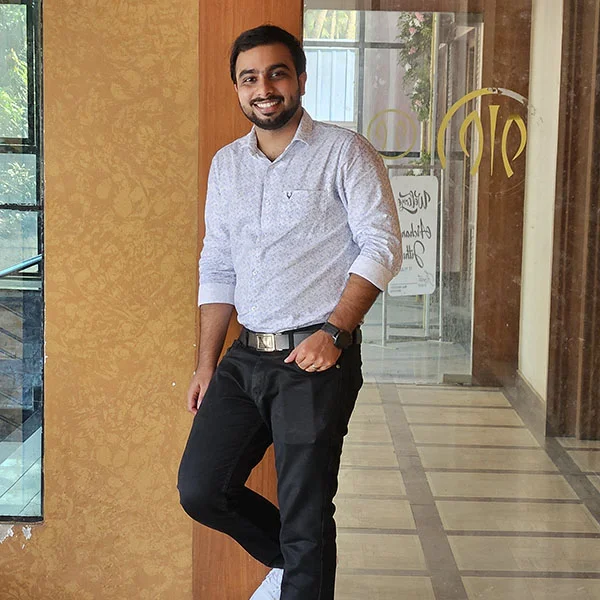
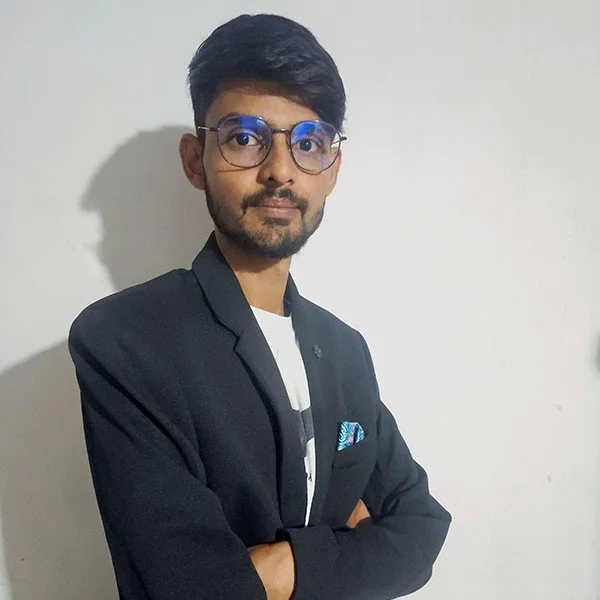
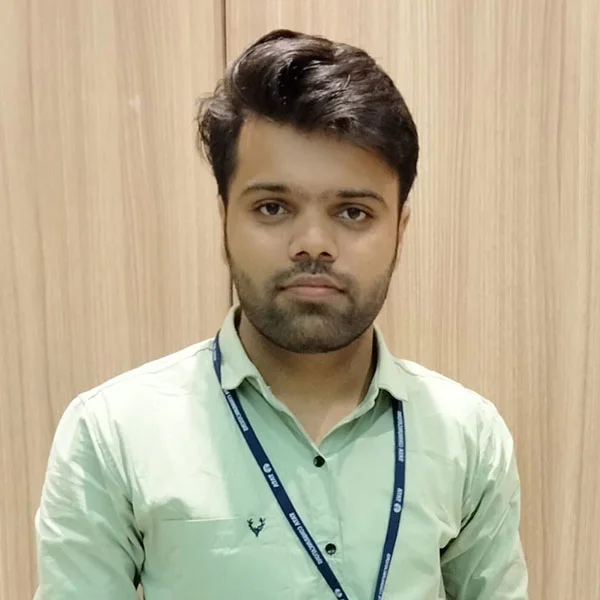
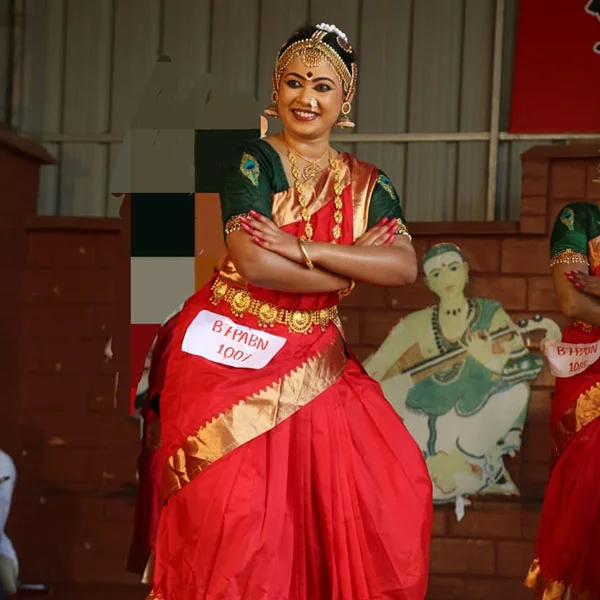
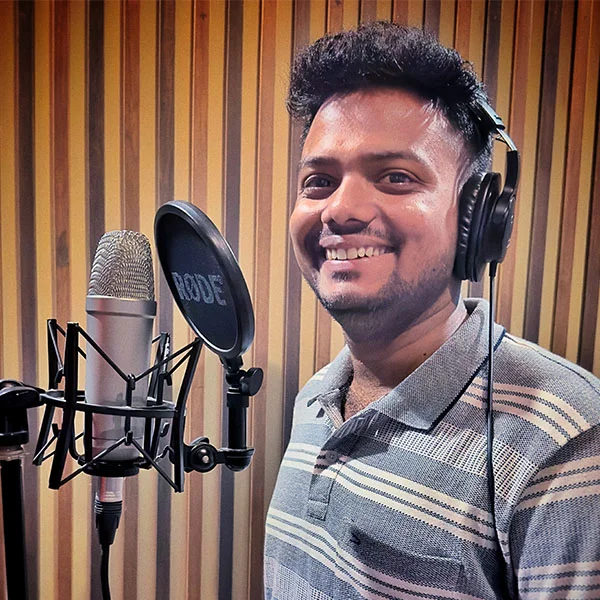
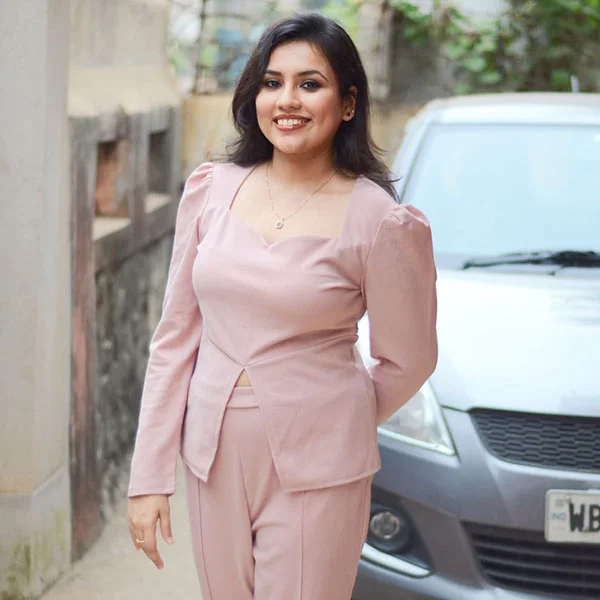
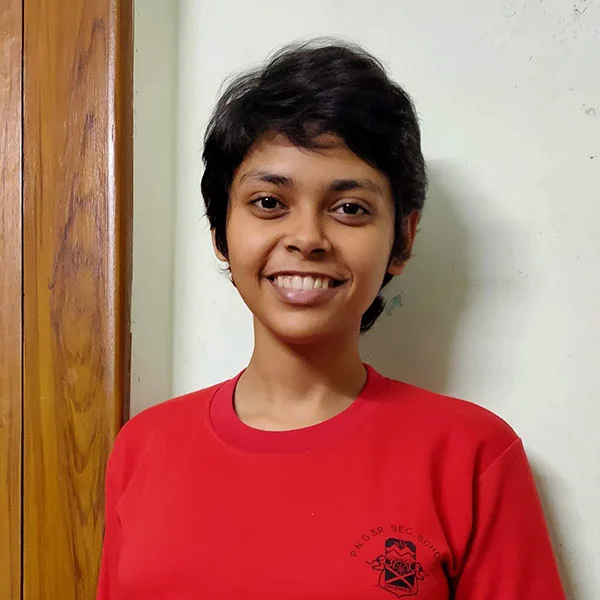
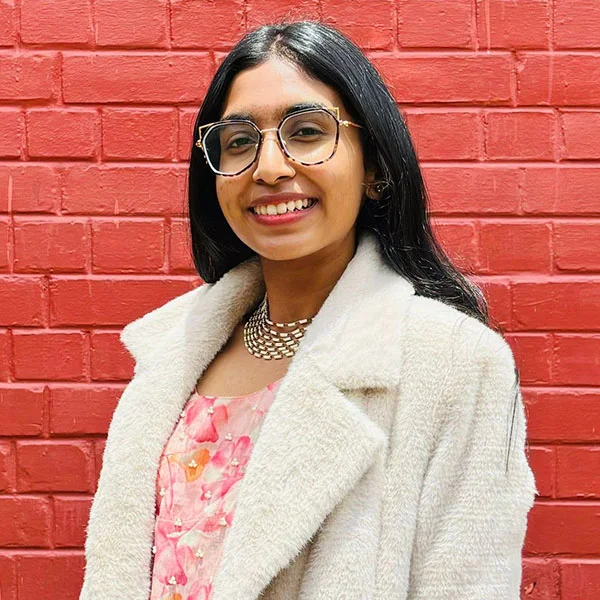
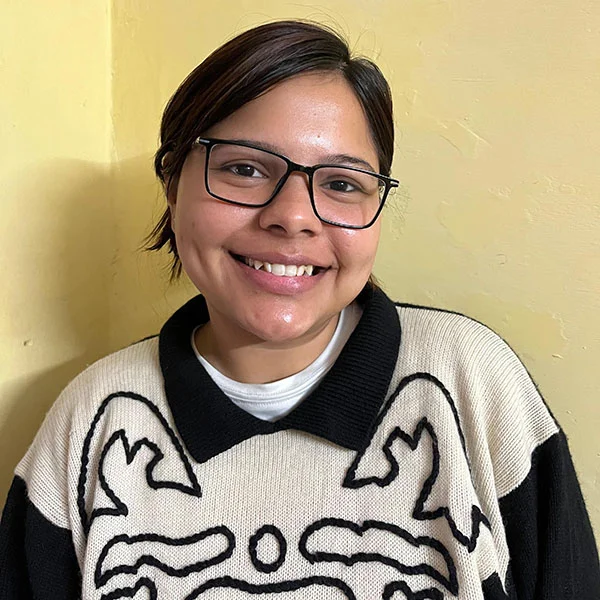
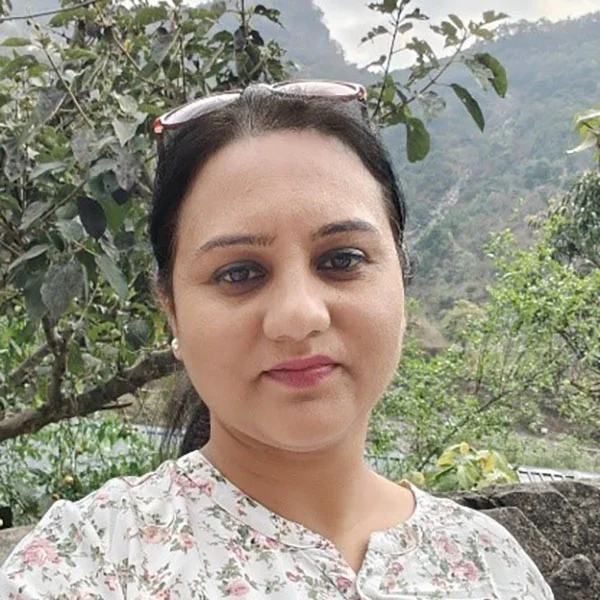
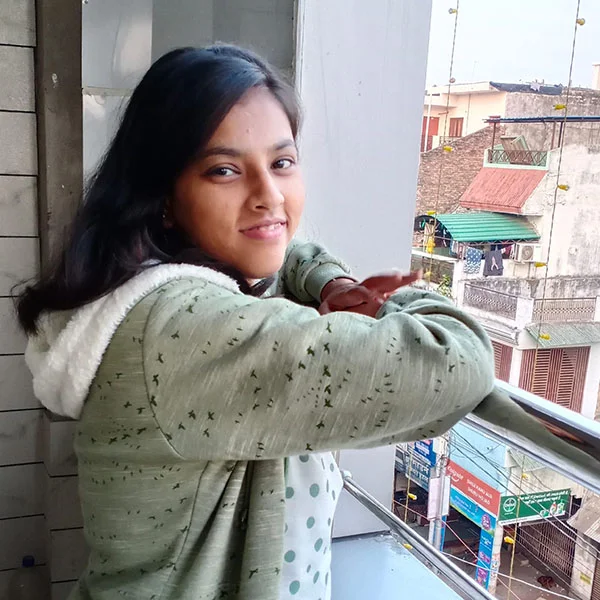
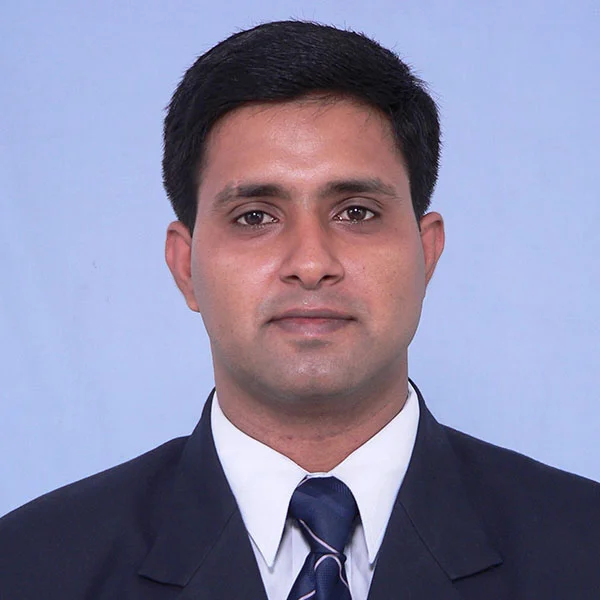
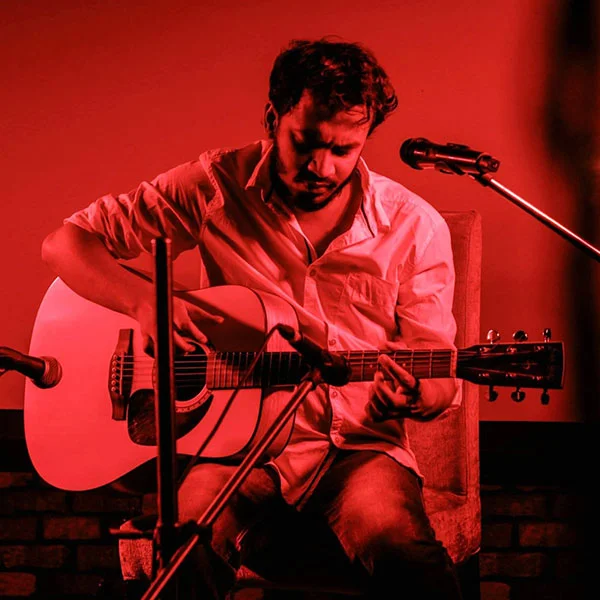
Meet our Teachers
Expert educators who connect, guide, and prepare students with special personalized care ❤️📚✨

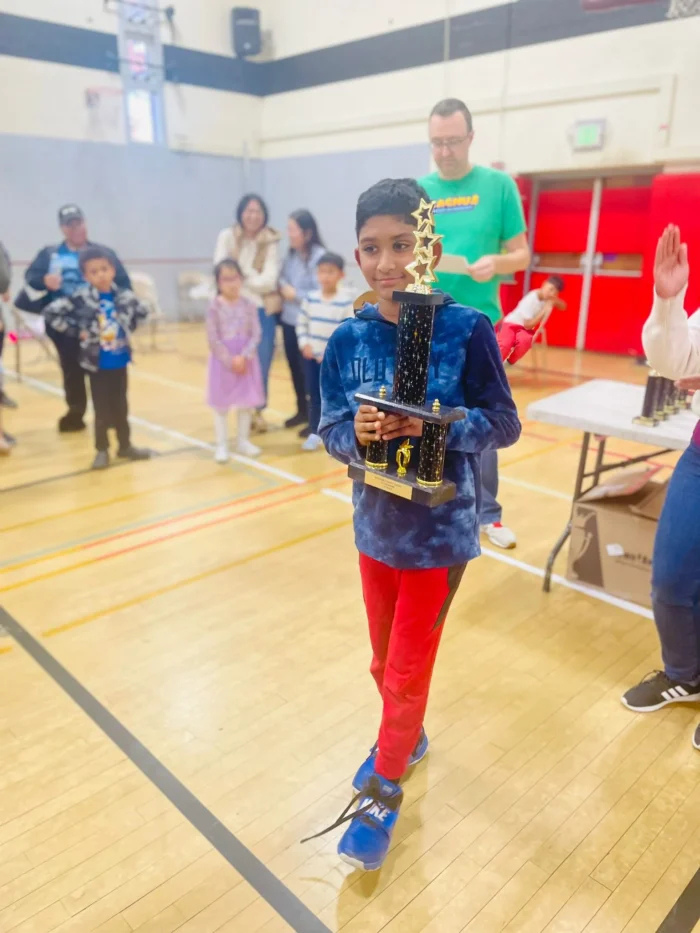
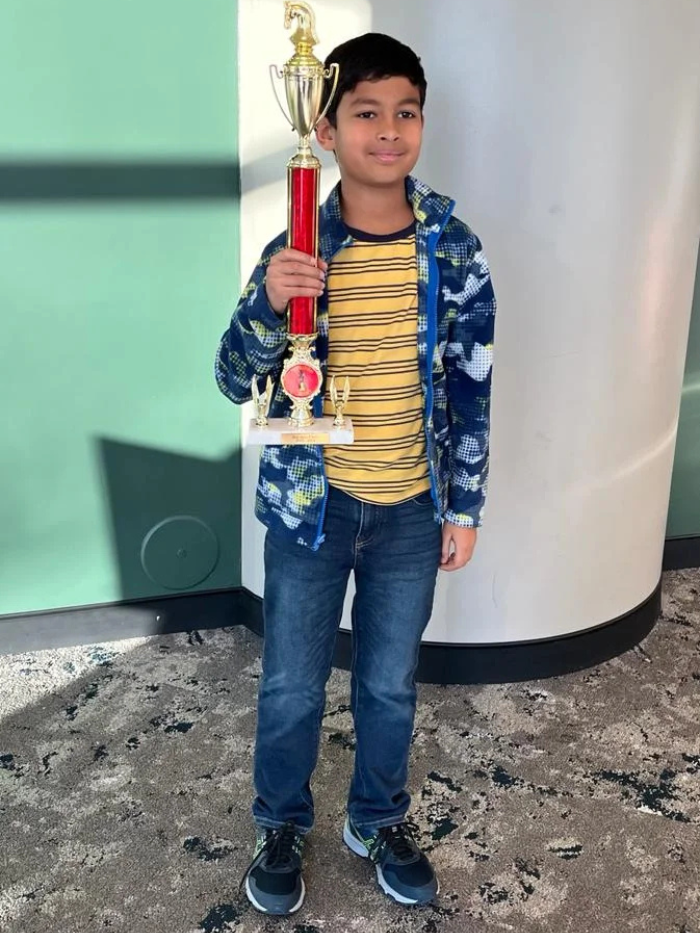
Student Achievements
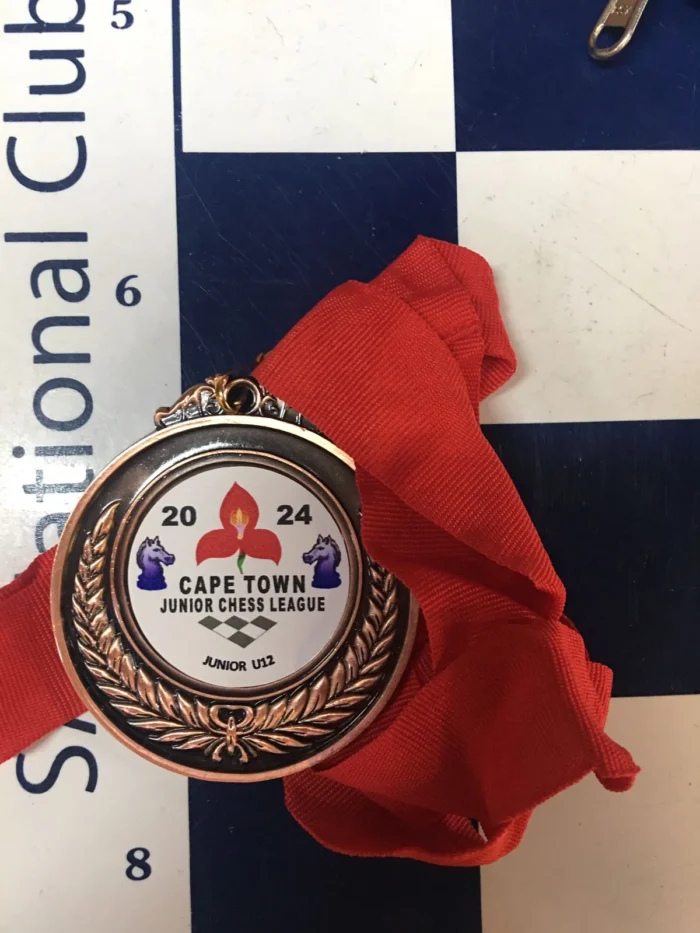
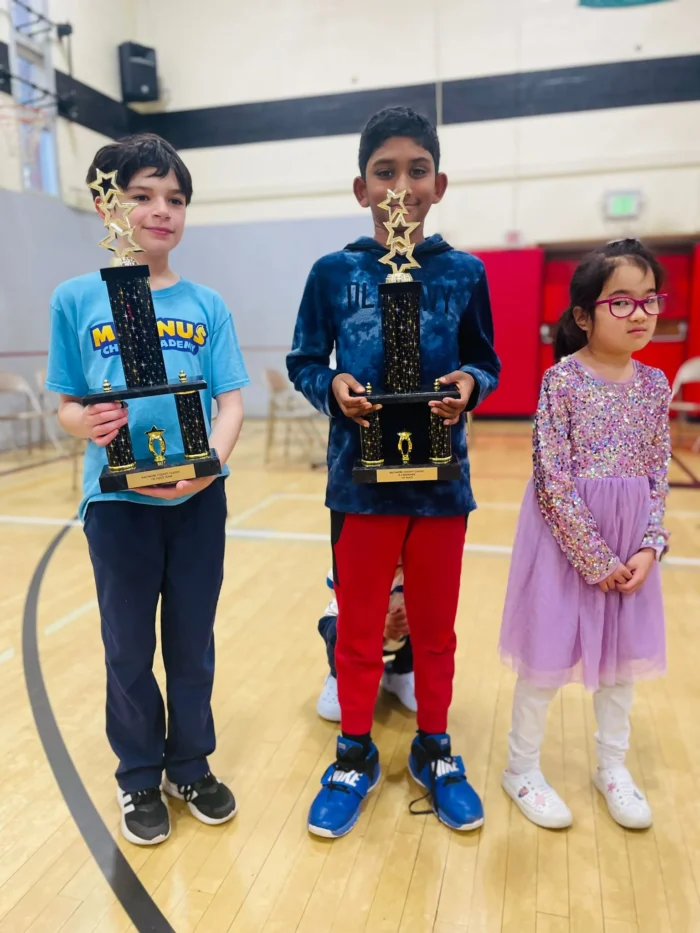
Making an Impact: 🏆 Student Achievements That Shine | 🌱 Your Growth. Our Mission.
What Our Parents Say About Us
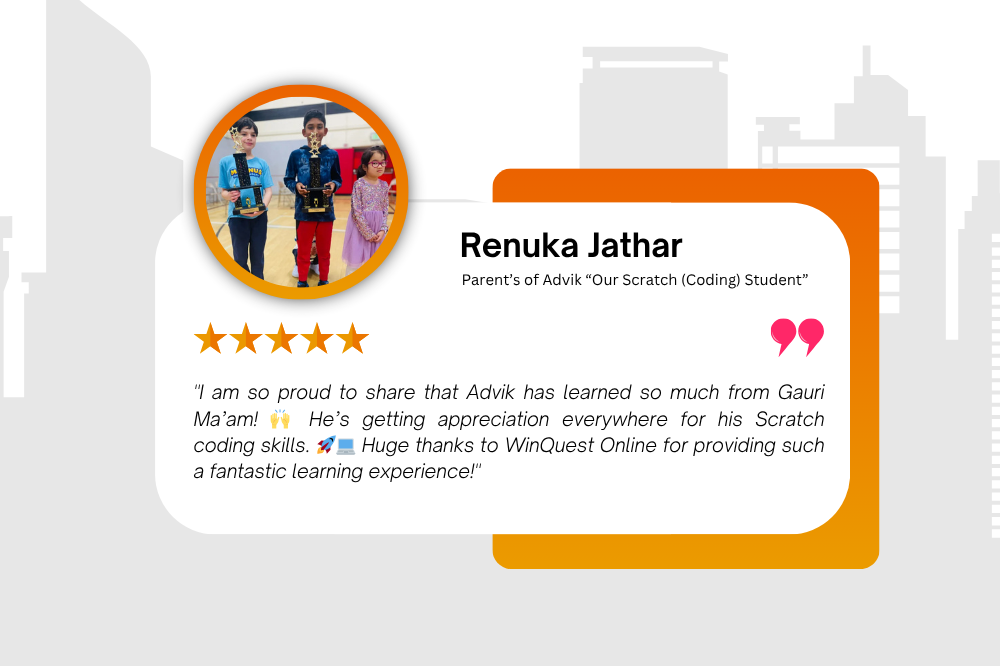
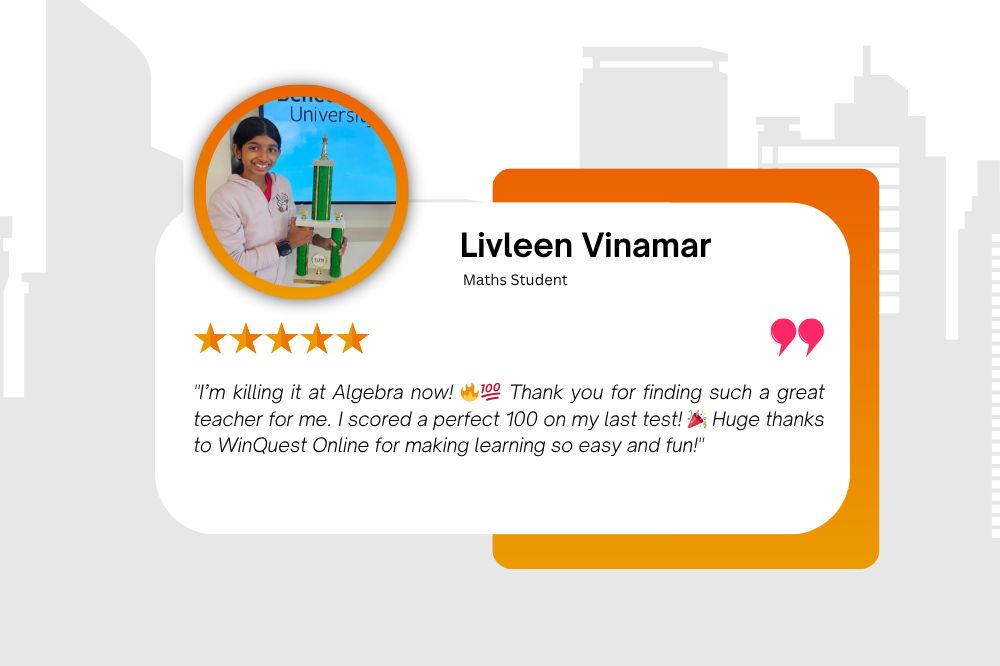
👪 Real Results. Real Parent Voices. 🏆 Futures Built with Care
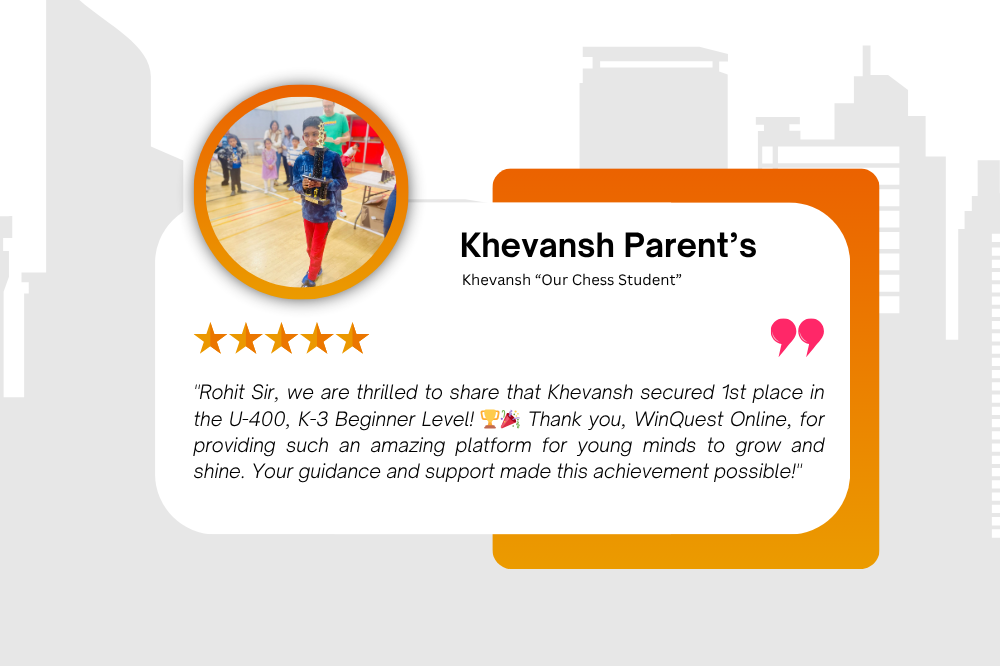
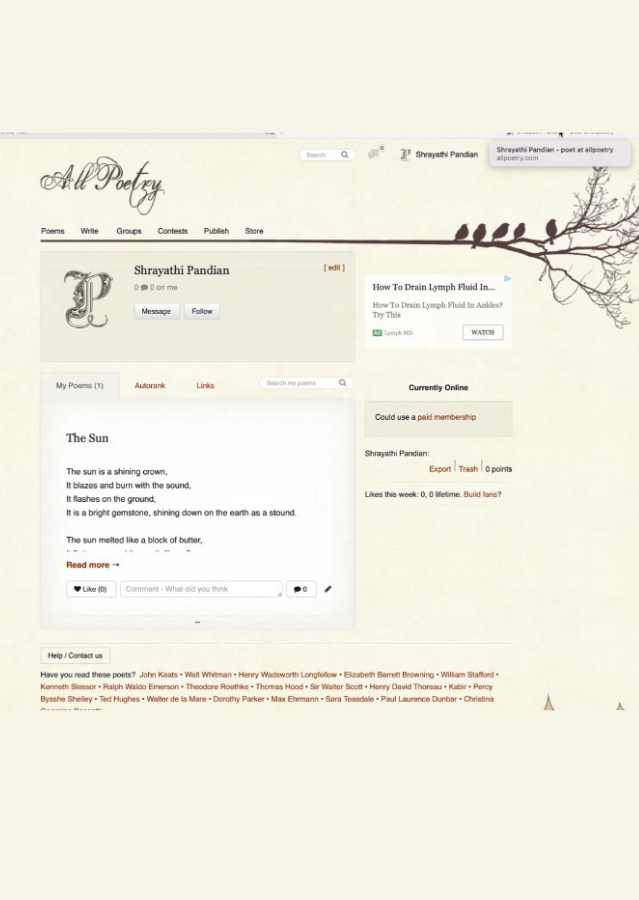
Parent Testimonials
Success Stories That Speak 🌟🎓 Wins That Inspire Pride 🏆
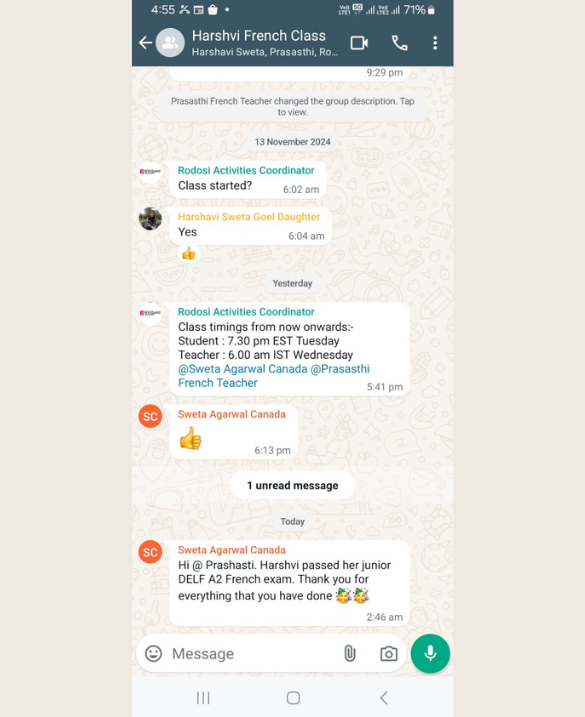
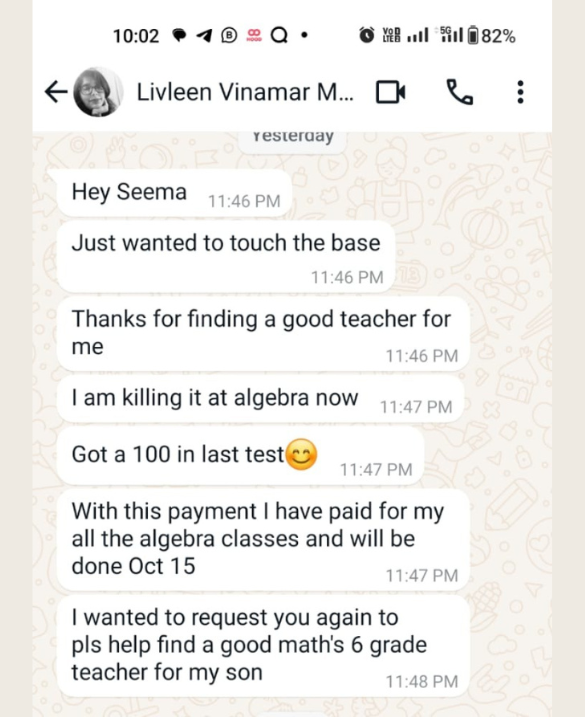
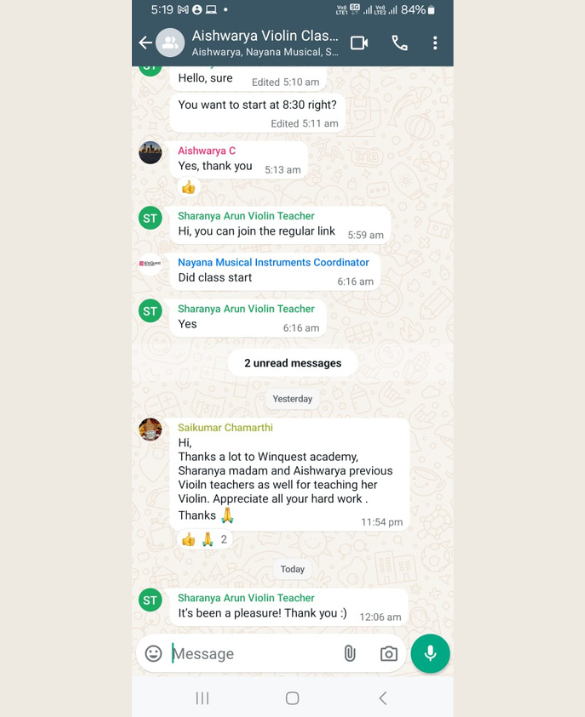
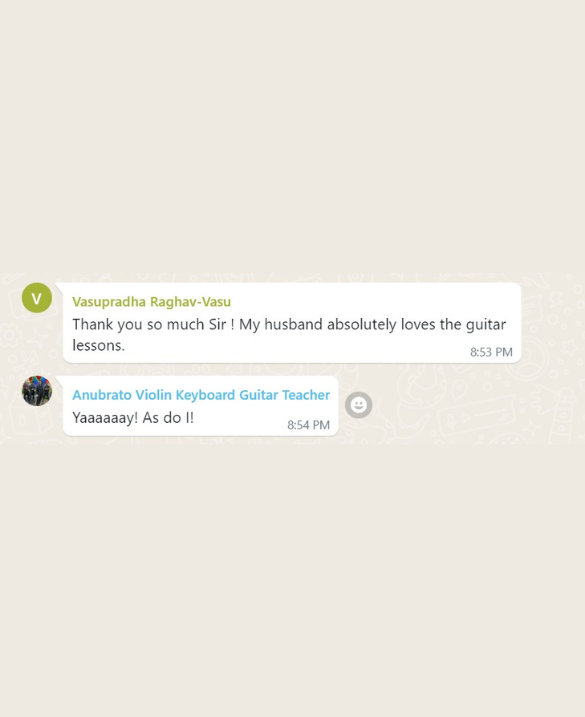
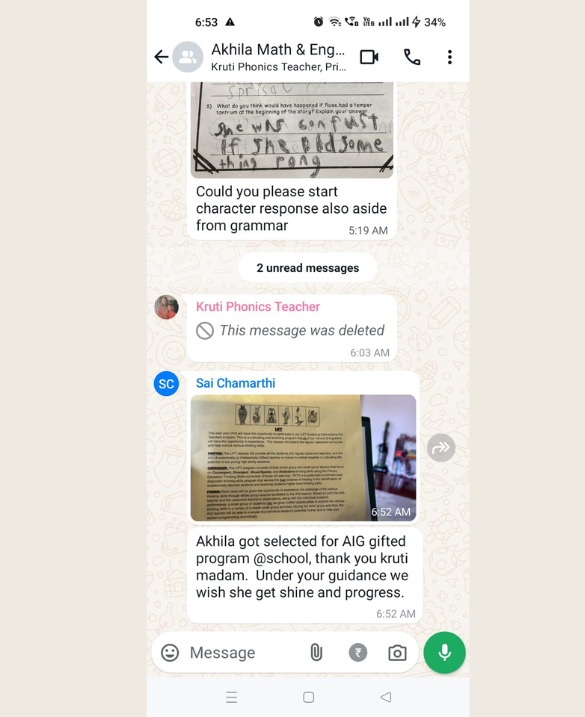
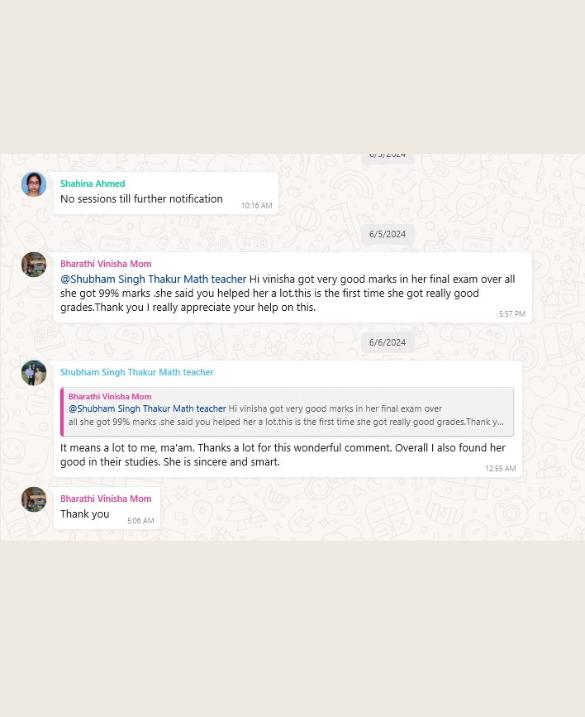
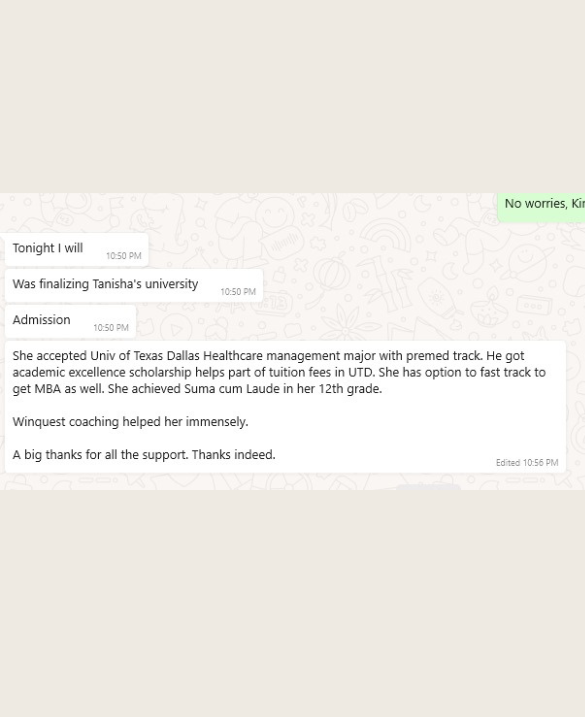
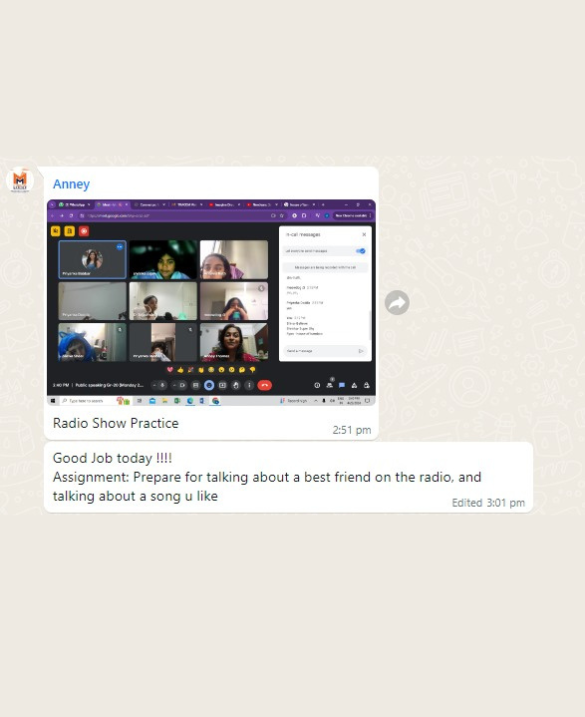
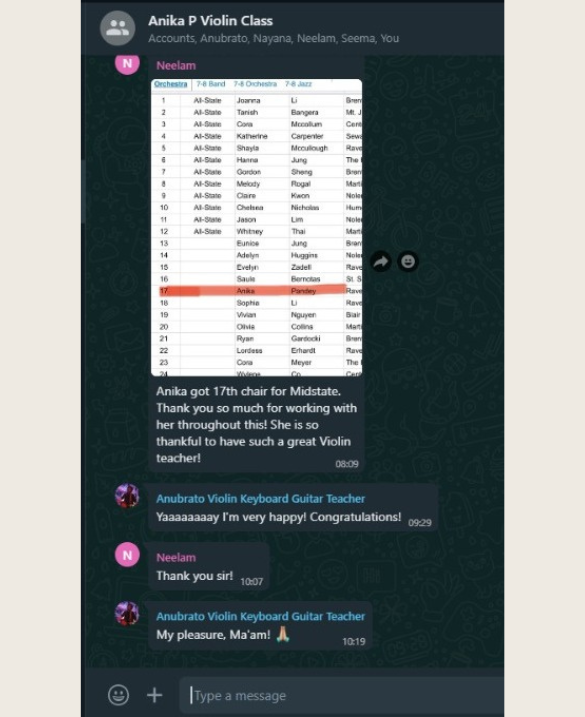
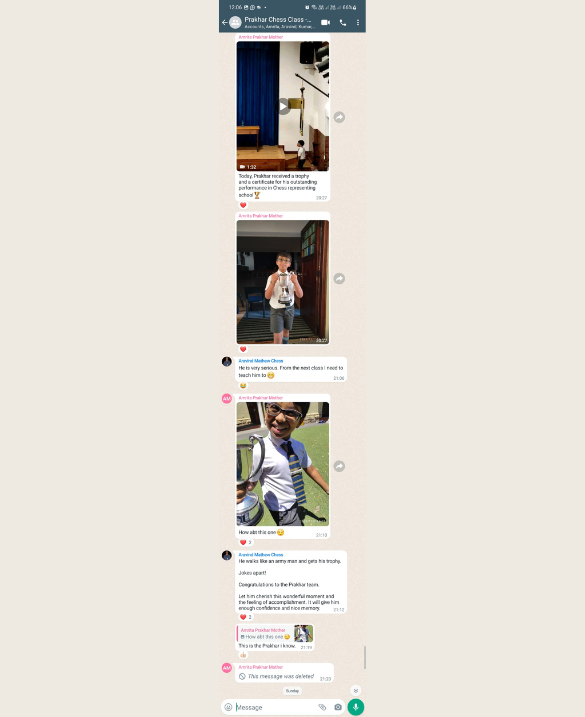
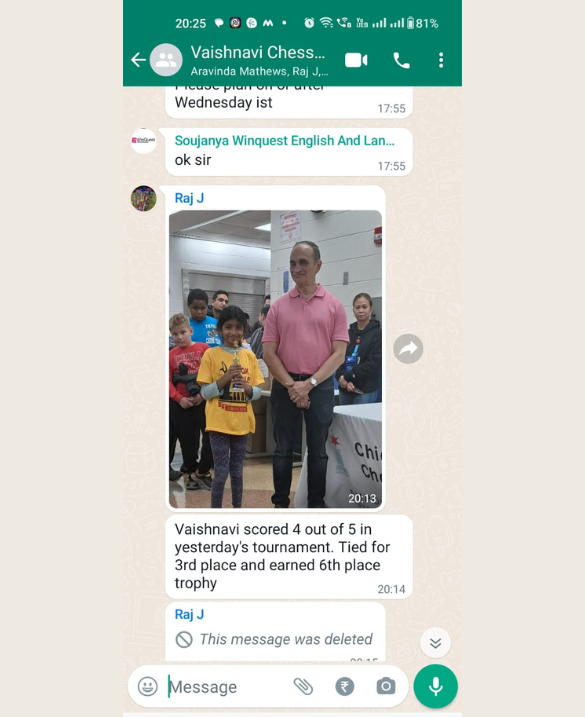
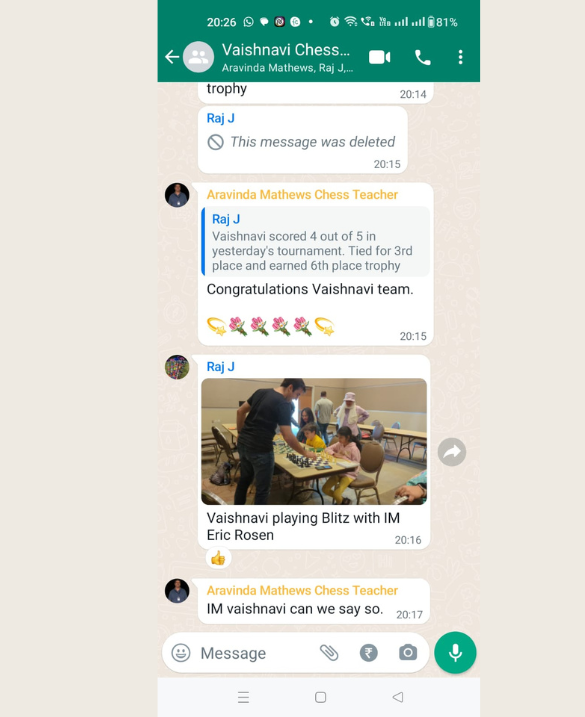
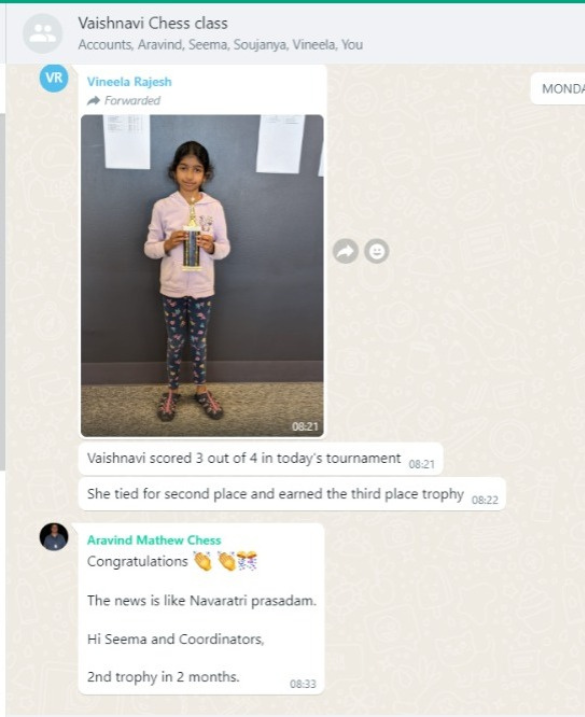
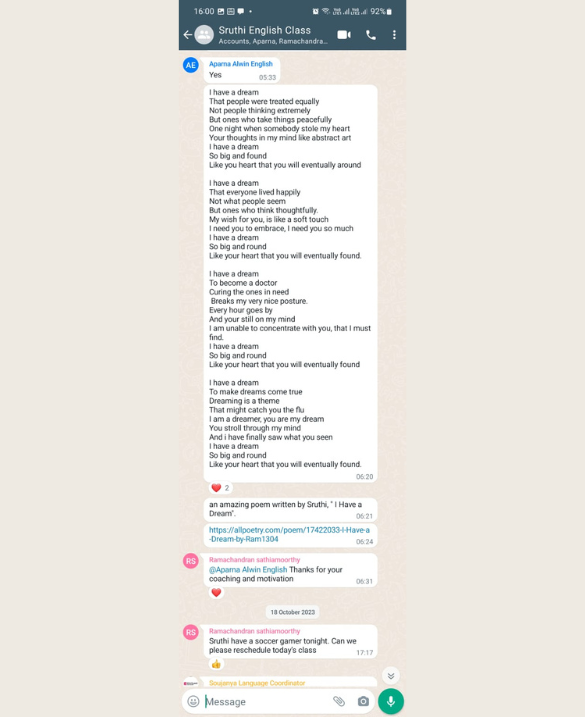
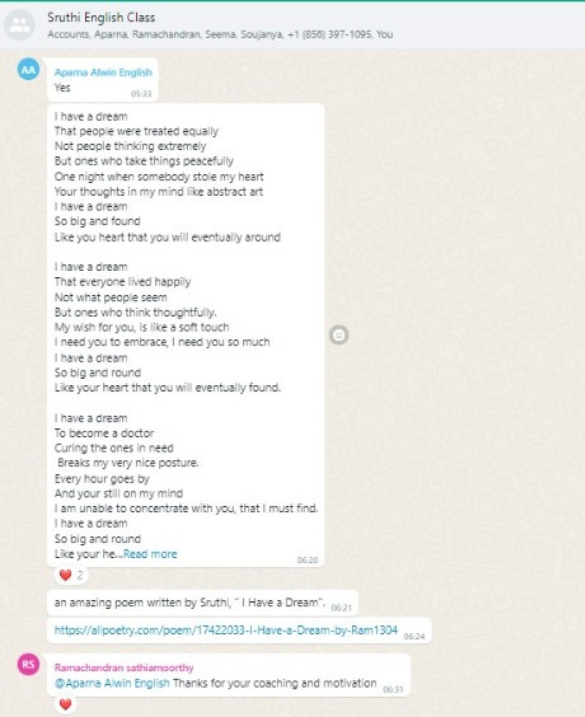
WhatsApp Testimonials
Real Voices from Our WhatsApp Community 💚📚
Latest News and Resources
📰 Learning Updates | 📘 Tips | 🎓 Resources | 💻 Online Courses