
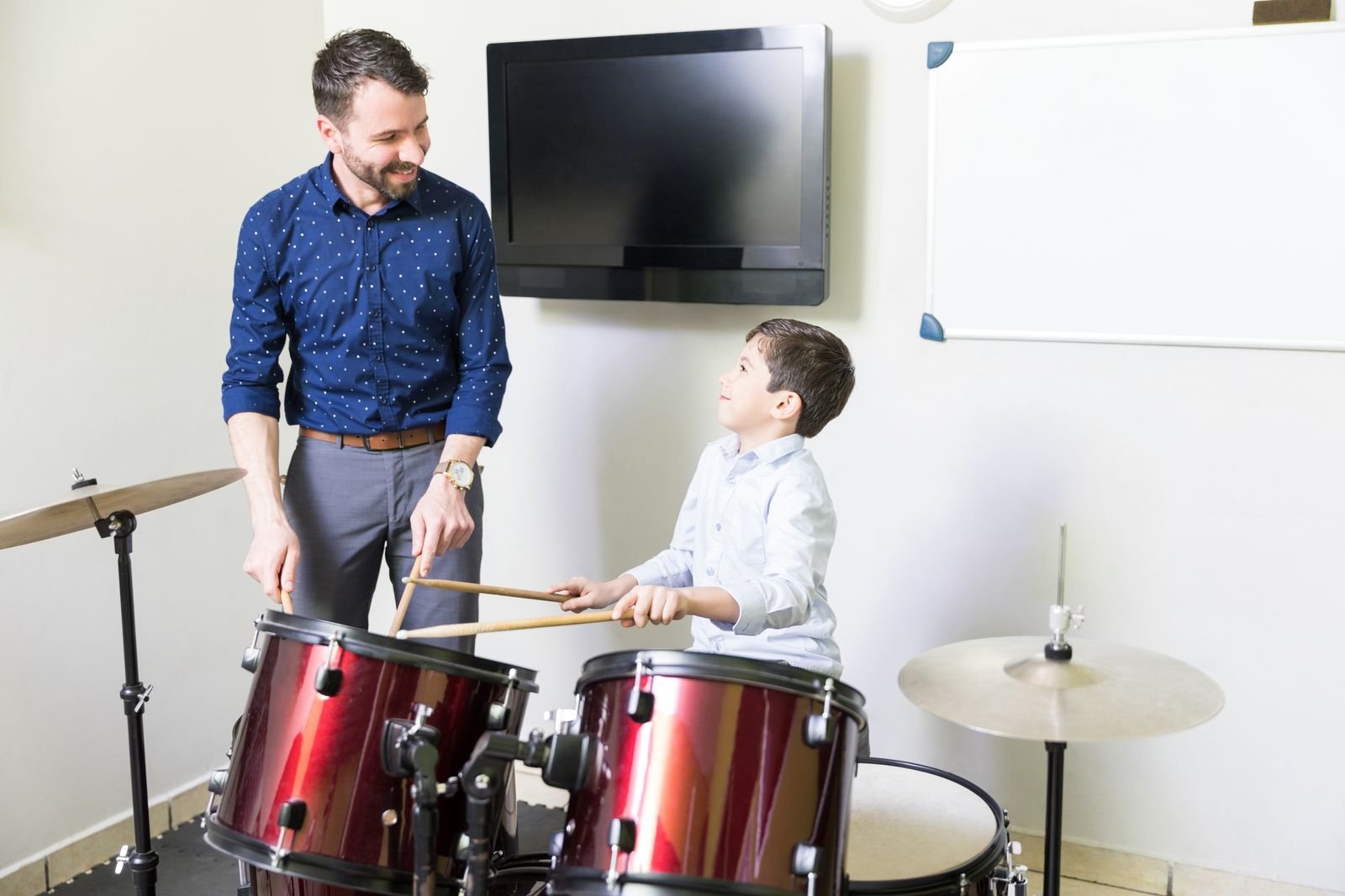
♪ Music Course
Drums
About WinQuest
At WinQuest, we believe that everyone has the potential to unlock their musical talents and start their journey of self-expression. WinQuest provides high-quality, accessible, and engaging online music classes for learners of all ages and skill levels.
We strive to break down barriers to learning and empower individuals from diverse backgrounds to pursue their passion for music, regardless of their geographical location, financial means, or previous experience.
With WinQuest, learners have access to a comprehensive curriculum covering a wide range of musical instruments, genres, and topics. Whether you're a complete beginner or an experienced musician looking to refine your skills, our expert instructors will guide you through personalized lesson plans tailored to your unique learning goals.
Whether you dream of mastering the piano, shredding on the guitar, or composing your own symphonies, WinQuest is here to help you turn your musical aspirations into reality. Join us today and discover the joy of making music with WinQuest – where the quest for excellence begins.
Why Choose Online Drums Classes?
About the Curriculum
A brief on the three internationally recognized music institutions whose course structure we mostly follow for Western Music Students.
Associated Board of the Royal Schools of Music (ABRSM)
The Associated Board of the Royal Schools of Music (ABRSM) is an internationally recognized examination board based in the United Kingdom. Established in 1889, ABRSM is one of the leading institutions for music education and assessment worldwide.
ABRSM provides a comprehensive curriculum for music students, offering graded exams and diplomas in various musical instruments, singing, and theory. The curriculum covers a wide range of musical genres and styles, ensuring a holistic development of musicianship. The graded exams consist of practical assessments, where candidates perform pieces, scales, and technical exercises, along with aural and sight-reading components.
The ABRSM curriculum is structured into eight graded levels, starting from Initial and progressing through Grades 1 to 8. Each grade represents an incremental increase in difficulty, allowing students to develop their musical skills gradually. The curriculum emphasizes not only technical proficiency but also musical expression, interpretation, and aural awareness.
In addition to traditional Western classical music, ABRSM incorporates diverse repertoire choices to cater to the varied interests of musicians. Successful completion of ABRSM exams is widely recognized and respected, providing a valuable benchmark for musical achievement and proficiency. The ABRSM curriculum serves as a valuable guide for music educators and students alike, promoting a systematic and well-rounded approach to music learning and assessment.
Trinity College London
Trinity College London, commonly known as Trinity, is a renowned international examination board that focuses on the assessment and certification of musical and performing arts abilities. Established in 1877, Trinity has a rich history in providing high-quality examinations and certifications in various artistic disciplines.
Trinity's music curriculum encompasses a diverse range of genres and styles, offering graded examinations for instruments, singing, and theory. The graded system consists of eight levels, from Initial to Grade 8, each representing a progressive stage of difficulty and musical proficiency. The curriculum covers practical elements, such as performance, technical exercises, and aural skills, ensuring a well-rounded evaluation of a candidate's musical abilities.
One distinctive feature of Trinity's approach is its emphasis on contemporary and popular music alongside classical genres. This inclusion caters to the diverse interests of musicians and reflects the evolving landscape of musical expression. Trinity's assessments also include a focus on improvisation, allowing candidates to showcase their creativity and adaptability.
In addition to graded exams, Trinity offers diplomas for advanced-level candidates seeking further recognition of their musical accomplishments. The qualifications awarded by Trinity College London are widely respected and recognized globally, providing musicians with a credible benchmark for their artistic achievements. Trinity's curriculum is designed to foster a holistic understanding of music, encouraging both technical proficiency and expressive artistry in performers and educators.
Rockschool Limited
Rockschool Limited is a leading music examination board that specializes in contemporary music genres, particularly rock and pop. Established in 1991, Rockschool has gained prominence for its innovative approach to music education, focusing on the diverse styles of popular music.
The Rockschool curriculum offers graded examinations for electric guitar, bass guitar, drums, vocals, piano, and music theory. The graded system spans from Debut to Grade 8, providing a structured framework for students to develop their skills progressively. This approach ensures that learners are exposed to a variety of musical elements, including technical exercises, performance, and aural skills.
One notable feature of Rockschool's curriculum is its contemporary repertoire, which is carefully curated to reflect current trends in rock, pop, metal, and other modern music genres. This emphasis on relevance and inclusivity allows students to engage with music that resonates with their interests, making the learning experience more enjoyable and motivating.
Rockschool examinations often incorporate real-world music scenarios, such as playing in a band or recording a track, providing a practical and immersive assessment experience. This approach aligns with the demands of the modern music industry and prepares students for real-world performance situations.
Level 1 · Foundation
Curriculum Alignment & Objectives+
- RSL Debut & Grade 1; Trinity Initial & Grade 1
- No prior musical knowledge required
- Posture & matched stick grip; hand–foot coordination; rhythm theory & notation
Drums Fundamentals+
- Anatomy: Snare, Bass Drum, Hi-Hat, Toms, Cymbals
- Function of each part in sound production
- Correct throne height and seated balance; relaxed matched grip
Fundamental Playing Techniques+
- Single and double stroke patterns; stick control
- Bass drum pedal control and hi-hat foot integration
- Tone production — drum centre and cymbal fundamentals
Rudiments & Rhythmic Development+
- Single Stroke Roll, Double Stroke Roll, Paradiddle
- Basic 8th-note independence between hands and feet
Rhythm & Timing+
- Metronome practice — beat, tempo and pulse
- Reading whole, half and quarter notes
- Time signatures — 4/4 and 3/4
Grooves, Songs & Notation+
- Basic 8th-note rock grooves; simple fills; dynamics
- 30+ beginner melodies/jingles adapted for rhythm
- Drum mapping on the rhythmic staff; repeats, ties, dotted rhythms
Exam Preparation & Learning Outcomes+
- Performance pieces, technical rudiments, aural tests, sight-reading (RSL, Trinity & ABRSM)
- Identify drum components and play with consistent timing
- Perform basic rudiments and 10+ standard rock grooves
- Read and interpret basic drum sheet music
Repertoire — Level 1 (Foundation)
- Standard learning: We Will Rock You (Queen) / Billie Jean (Michael Jackson) / Seven Nation Army (The White Stripes)
- RSL / Trinity: Twinkle Twinkle Little Star (contemporary adaptation) / Mary Had a Little Lamb (rhythmic study)
- Beginner grooves: Yellow (Coldplay) / Another One Bites the Dust (Queen) / Knockin' on Heaven's Door (Bob Dylan) / Stand By Me (Ben E. King) / Three Little Birds (Bob Marley) / Love Me Do (The Beatles) / Ode to Joy (Beethoven)
- Rhythmic fundamentals: Single Stroke Variations / Double Stroke Basics / Paradiddle Grooves / Basic 4-Bar Phrasing
Level 2 · Intermediate
Curriculum Alignment & Objectives+
- RSL / Trinity Grades 2–4
- Advanced kit navigation and four-way coordination
- Syncopated sticking and tonal clarity; groove theory and basic improvisation
Rudiments & Technical Development+
- Flams, drags and 5-stroke rolls
- Triplets and 16th-note rhythmic subdivisions
- Kit movement — fluidity across toms and cymbals
Rhythm & Timing Mastery+
- Advanced rhythm reading and 16th-note syncopation
- Groove development — internal timing and "the pocket"
Advanced Playing Techniques+
- Hand-to-foot coordination in syncopated patterns
- Cross-sticking, rimshots and cymbal choking
- Integrating 16th notes and triplets into fills
Genre Integration+
- Blues & shuffle — shuffle feel and 12-bar structures
- Funk & pop — basic ghost notes and syncopated kick patterns
Repertoire, Exam Prep & Outcomes
- 20+ songs focusing on musical storytelling and dynamics
- Grade 2–4 technical exercises, improvisation and performance pieces
- Navigate the kit with dynamic control; perform 16th-note grooves and syncopated fills; apply improvisation in a blues/rock context
Repertoire — Level 2 (Intermediate)
- Rock / Pop: Smells Like Teen Spirit (Nirvana) / Uptown Funk (Bruno Mars) / Counting Stars (OneRepublic) / Locked Out of Heaven (Bruno Mars) / Lonely Boy (The Black Keys)
- Classic Rock & Blues: Hotel California (Eagles) / Superstition (Stevie Wonder) / Roadhouse Blues (The Doors) / Come Together (The Beatles) / Under the Bridge (RHCP)
- RSL / Trinity: Hey Jude (The Beatles) / Budapest (George Ezra)
Level 3 · Advanced Mastery
Curriculum Alignment & Objectives+
- RSL / Trinity Grades 5–8
- Linear drumming and polyrhythms
- Sophisticated soloing, composition and odd time signatures
Rhythmic Theory & Advanced Application+
- Complex rhythmic patterns and subdivisions
- Functional groove structure and voice leading
Soloing & Improvisation+
- Constructing musical drum solos using rudiments and motifs
- Improvisation over backing tracks in Jazz and Fusion styles
Advanced Ear Training+
- Identifying complex rhythmic modulations and time changes
- Transcribing advanced drum parts and solos by ear
Odd Meters & Stylistic Mastery+
- 5/4, 7/8 and 9/8 time signatures
- Polyrhythms (3 over 4, 2 over 3)
- Jazz ride patterns, Latin drumming and Fusion
Composition, Exam Prep & Outcomes+
- Writing original drum parts and complete percussion arrangements
- Grades 5–8 technical requirements, stage performance training and mock tests
- Perform advanced solos with stylistic versatility; improvise fluently; analyse and arrange drum parts professionally
Repertoire — Level 3 (Advanced)
- Virtuosic masterpieces: Rosanna (Toto) / Take Five (Dave Brubeck) / Tom Sawyer (Rush) / Fool in the Rain (Led Zeppelin) / Schism (Tool)
- Film & crossover: Whiplash – Caravan (Tizol/Ellington) / Mission Impossible Theme (Lalo Schifrin) / Inception: Mombassa (Hans Zimmer)
- Advanced rock & fusion: Comfortably Numb (Pink Floyd) / Sultans of Swing (Dire Straits) / Lateralus (Tool) / Little Wing (Jimi Hendrix)
- Blues & performance pieces: Texas Flood (Stevie Ray Vaughan) / The Thrill Is Gone (B.B. King) / Experience (Ludovico Einaudi) / Tank! (Seatbelts) / Bohemian Rhapsody (Queen) / Hotel California (Eagles)
Drums Buying Guide
From thunderous rock stages to intimate jazz clubs, from West African djembe circles to Brazilian samba schools — the drum is humanity’s oldest and most universal instrument. Whether you’re a parent shopping for your child’s first kit, a hobbyist ready to finally pursue a lifelong dream, or a student gearing up for school band, this guide will walk you through everything you need to know. With prices ranging from $150 to $10,000+ and dozens of drum types, brands, and configurations to choose from, buying drums can feel overwhelming. It doesn’t have to be. Let’s break it all down — step by step, with total confidence.
- Types — Acoustic, electronic, hand drums & world percussion
- Budget — Beginner kits from $150 to pro setups at $10,000+
- Parts — Shells, heads, hardware, cymbals & more
- Brands — Trusted names from Pearl to DW to Roland
What You Need to Know: At a Glance
This guide covers everything a first-time drum buyer needs — from instrument types and anatomy to brands, budgets, and accessories. Use it as a reference at any stage of your search.
- Set a Realistic Budget: Expect to spend $300–$400 minimum for a playable beginner acoustic kit from a trusted brand.
- Acoustic vs. Electronic: Acoustic kits offer authentic feel; electronic kits solve noise and space problems. Neither is universally better.
- Brand Matters: Stick to proven names: Pearl, Tama, Ludwig, Yamaha for acoustic; Roland, Alesis, and Yamaha for electronic.
- Don’t Skimp on Cymbals: Cymbals define your sound more than the kit itself. Budget for cast bronze cymbals as soon as possible.
- Upgrade Drumheads First: Swapping factory heads for quality aftermarket heads ($80–$150) is the highest-impact, lowest-cost upgrade available.
- Buy Complete Outfits: Look for outfit packages that include hardware, a throne, and sticks — they offer far better value than buying components separately.
A Brief History of Drums
Drums are the oldest musical instruments known to humanity — archaeological evidence places percussion instruments as far back as 6000 BCE in Mesopotamia. Ancient cave paintings in France dating to 13,000 BCE suggest that early humans struck stretched animal skins over hollow objects to communicate, celebrate, and conduct rituals. Almost every civilization on earth independently developed its own form of the drum, which tells you something profound about how deeply rhythm is wired into the human experience.
In the Americas, Native American frame drums served ceremonial roles stretching back thousands of years. In West Africa, the djembe and talking drum developed sophisticated musical languages capable of communicating across miles of jungle. In Japan, the massive taiko drums drove feudal armies and sacred festivals alike. In the Middle East, the darbuka shaped the soundscape of ancient courts and bazaars. In India, the tabla evolved into one of the most technically demanding percussion instruments ever conceived.
The modern drum kit — the configuration most Westerners picture when they hear the word "drums" — is actually a relatively recent invention. It emerged in New Orleans around the 1890s as jazz musicians began consolidating multiple percussion instruments (previously requiring multiple players) onto a single setup playable by one person. The invention of the bass drum pedal in 1909 by Ludwig & Musser was the pivotal breakthrough. From there, the drum kit evolved rapidly through swing, bebop, rock and roll, funk, and every musical genre that followed.
Drums of the World: A Global Family
Before narrowing in on the Western drum kit, it’s worth understanding the breathtaking diversity of percussion instruments played around the world. Many beginner buyers are surprised to discover the wide range of options — and some of the most satisfying, accessible, and affordable instruments for beginners are not kits at all, but traditional hand drums with centuries of heritage behind them.
- Djembe — Origin: West Africa. Goblet-shaped drum with a rope-tuned goatskin head. Rich, three-tone voice (bass, tone, slap). Beginner-friendly and deeply expressive. Price: $50–$400.
- Taiko — Origin: Japan. Large barrel drums played with thick sticks called bachi. Massive, powerful sound. Typically played in ensemble groups. Full-size taiko: $500–$5,000+.
- Tabla — Origin: India. Paired drums (dayan + bayan) central to classical Indian music. Highly technical, requiring years of study. Price: $100–$800.
- Cajón — Origin: Peru/Spain. A wooden box drum played by sitting on it and slapping the face. Surprisingly versatile, portable, and quiet enough for apartments. Price: $60–$350.
- Bongos — Origin: Cuba. Small paired drums producing bright, high-pitched tones. A fantastic entry point for Latin percussion. Easy to carry. Price: $30–$200.
- Darbuka / Doumbek — Origin: Middle East / North Africa. Goblet-shaped drum with plastic or skin head. Central to Arabic, Turkish, and Greek music. Light and portable. Price: $30–$300.
The Western Drum Kit: An Anatomy
The modern acoustic drum kit is an engineered ecosystem of precisely interrelated components. Each element contributes to the overall sound, feel, and character of the instrument. Understanding what each part does — and how quality differences manifest at different price points — is essential for making a smart purchasing decision. Let’s break it down piece by piece.
- The Shell: The hollow cylinder that forms the body of each drum. Shells are made from wood (most common), steel, aluminum, acrylic, or fiberglass. Wood species — maple, birch, mahogany, poplar — each produce distinct tonal characteristics. Maple is warm and full; birch is bright and punchy. Shell thickness and the number of plies (layers) affect both sustain and projection. Thicker shells are louder and more cutting; thinner shells breathe more naturally.
- Drumheads: The playing surface stretched across each shell opening. Heads come in single-ply (open, resonant, sensitive) or double-ply (controlled, less overtone, more durable). Most kits include a batter head (the top, struck surface) and a resonant head (the bottom, which affects sustain and projection). Brands like Remo, Evans, and Aquarian dominate the market. Replacing stock heads with quality aftermarket heads is one of the highest-impact, lowest-cost upgrades any drummer can make.
- Hardware: The stands, mounts, clamps, and pedals that hold everything together and allow precise positioning. Hardware quality is one of the clearest differentiators between student and professional kits. Cheap hardware wobbles, slips during playing, and fails at critical moments. Quality hardware — double-braced stands, precision pedals, smooth memory locks — holds its position, lasts decades, and responds predictably to every physical input.
- The Bass Drum Pedal: The foot-operated mechanism that drives the beater into the bass drum. Pedal feel — the spring tension, the beater angle, the footboard length and angle — is deeply personal to each drummer. Entry-level pedals are functional but imprecise. Mid-range and professional pedals (DW 5000/9000, Pearl Eliminator, Tama Iron Cobra) offer adjustability and response that dramatically affect technique development. The pedal is often worth upgrading independently of the rest of the kit.
- Cymbals: Often the most underappreciated component in a beginner kit — and the most significant sonic upgrade available. Cymbals come in several types: hi-hats (two paired cymbals operated by a foot pedal), crash cymbals (for accents), ride cymbals (for rhythmic patterns), and splash/china (for special effects). Entry-level kits often include thin, stamped cymbals that sound harsh and wash out quickly. Investing in quality cast cymbals (Zildjian, Sabian, Meinl, Paiste) transforms the sonic character of any drum setup.
- The Snare Drum: The central voice of the drum kit — arguably the most important drum of all. A snare drum is distinguished by a set of metal wires (the "snares") stretched across the bottom resonant head, which create the instrument’s characteristic sharp, crackling sound. Snare drums vary enormously in shell material, depth, diameter, and snare wire configuration. The snare is often worth purchasing separately and independently of the kit, as kit-included snares are typically the weakest link in a beginner package.
Acoustic vs. Electronic Drums: Which Is Right for You?
This is the first and most important decision every drum buyer faces. Both acoustic and electronic drums have genuine strengths and real limitations. Neither is universally "better" — the right choice depends entirely on your living situation, musical goals, budget, and how you plan to practice and perform.
Acoustic Drums
- Natural, organic tone with full dynamic range
- The standard for live performance and recording
- More physically satisfying to play — real feel and rebound
- No electronics to fail or require updating
- Louder — requires soundproofing or tolerant neighbors
- Requires regular tuning and head maintenance
- Best for: students, performers, all musical styles
- Price range: $300–$10,000+
Electronic Drums
- Silent practice via headphones — apartment friendly
- Built-in sounds, recording capability, training features
- No tuning required; consistent sound every time
- Smaller footprint than most acoustic kits
- Mesh pads feel closer to acoustic than rubber pads
- Technology becomes outdated; modules need updates
- Best for: apartment players, quiet-environment practice
- Price range: $300–$8,000+
Bottom line for beginners: If you have space and noise isn’t a concern, start with acoustic drums — they develop better technique, feel, and musicality. If you live in an apartment or share close walls with neighbors, a quality electronic kit (Roland, Alesis, Roland V-Drums) is a legitimate and practical alternative. Avoid the cheapest electronic kits — poor pad response can instill bad technique.
Drum Kit Configurations: What Size Do You Need?
Drum kits come in several standard configurations, defined by the number and size of drums included. The right configuration depends on the music you want to play, the space you have available, and the physical size of the player. Bigger is not always better — especially for beginners, who benefit from the focused simplicity of smaller setups.
- 3-Piece Kit: Bass drum, snare, one tom. The minimalist’s choice. Favored in jazz and stripped-down rock. Forces the drummer to be creative and musical rather than filling space. Great for small rooms. Ideal for: jazz beginners, small spaces, jazz-focused students.
- 4-Piece Kit: Bass drum, snare, one mounted tom, one floor tom. The classic rock configuration made famous by Ringo Starr and Charlie Watts. Balanced, versatile, and manageable for most playing styles. The most recommended beginner configuration.
- 5-Piece Kit: Bass drum, snare, two mounted toms, one floor tom. The most common "standard" kit configuration sold at retail. Highly versatile across rock, pop, jazz, and funk. The industry default for beginner and intermediate kits alike.
- 6+ Piece Kits: Multiple toms, additional bass drums or kick triggers, effect cymbals. The territory of intermediate to advanced players with specific genre needs (progressive rock, metal, fusion). Overkill for most beginners — more drums does not equal better drumming.
For drum shell sizes: a standard adult 5-piece kit typically uses a 22" bass drum, 12" and 13" mounted toms, and a 16" floor tom. Junior kits (designed for children ages 4–10) use proportionally smaller shells — typically a 16" or 18" bass drum — and are shorter in height to accommodate younger players. Always match the physical size of the kit to the physical size of the player.
Drum Categories: Student, Intermediate & Professional
Like saxophones and most other instruments, drums are loosely categorised into tiers based on materials, construction quality, and manufacturing approach. Understanding these tiers helps you set realistic expectations and invest at the right level for your current needs.
What You Get at Each Level
At the beginner level, shells are typically made from poplar or luan — affordable woods that produce a serviceable tone but lack the warmth and complexity of higher-grade materials. Hardware is functional but lightweight. At the intermediate level, you begin to see maple or birch shells, heavier-duty hardware, and more refined bearing edges (the contact point between shell and head, which dramatically affects tone). At the professional level, every detail is optimised — from the wood selection and shell thickness to the precision of each lug and the quality of the bearing edge cut.
Making the Right Investment
The most common mistake beginners make is buying at the absolute lowest price point — and then being frustrated by an instrument that fights them at every turn. A well-chosen beginner kit at $350–$500 will serve a student far better than a $150 kit that has poor heads, wobbly hardware, and shells that can’t hold a tune. Invest in quality from the start, and you’ll protect both your student’s motivation and your money’s resale value.
Drum Brands Worth Knowing
The drum market is vast — ranging from large Asian factories producing affordable student kits to boutique American and Japanese workshops crafting instruments that touring professionals play for decades. Knowing which brands are trusted at each level will help you filter out instruments that underdeliver on their marketing promises.
Best Student Brands ($150–$600)
- Pearl Roadshow — The gold standard for beginner kits. Exceptional consistency, good hardware, widely recommended by teachers.
- Ludwig Accent — A heritage American brand with reliable entry-level kits and strong resale value.
- Tama Imperialstar — Japanese-designed with impressive quality control at the student price point.
- Mapex Tornado — Solid poplar shells with above-average hardware for the price.
- PDP Encore by DW — Pacific Drums and Percussion; DW’s student line offers professional design thinking at starter prices.
Best Intermediate Brands ($600–$2,500)
- Pearl Export / Session Studio — Pearl’s intermediate line offers excellent birch/mahogany blend shells and hardware that punches above its weight.
- Tama Starclassic Walnut/Birch — Premium wood selection, impressive projection, and superb finish options.
- Mapex Saturn — Award-winning shells with a unique maple/walnut blend and silky key action.
- Gretsch Catalina — Classic American feel with maple or ash shells; beloved for warm, open tones.
- DW Design Series — DW’s intermediate line brings professional-grade aesthetics and solid maple shells to a mid-range price.
Best Professional Brands ($2,500–$10,000+)
- DW Collector’s Series — The most iconic professional drum company in America. Custom specs, premium shells, and hardware used by the world’s top drummers.
- Pearl Masters — Pearl’s flagship line; reference-grade craftsmanship with extraordinary shell options.
- Tama Starclassic Performer / Bubinga — Japanese craftsmanship of the highest order with exotic wood choices.
- Ludwig Classic Maple — The kit that recorded every legendary rock album of the 1960s–70s. Still exceptional today.
- Sonor SQ2 / Designer — German engineering at its finest; fully customisable, precision-built, extraordinarily musical.
- Yamaha Absolute Hybrid / PHX — Yamaha’s professional lines combine legendary consistency with innovative shell construction.
Ask your teacher! Your drum instructor has played or evaluated more kits than you can imagine. Most teachers are delighted to help students pick the right instrument — don’t hesitate to bring them into the decision before you buy.
Electronic Drum Brands: The Best in Class
The electronic drum market has matured dramatically over the past decade. Today’s best electronic kits offer mesh pad feel, expansive sound module libraries, and recording connectivity that would have seemed impossible in earlier generations of e-drums. Choosing the right electronic kit requires evaluating the pad quality, the module’s sound library, and the overall build durability.
- Roland V-Drums — The undisputed market leader in electronic drums. Roland’s V-Drums series spans from the beginner-friendly TD-1DMK (~$550) to the professional-grade TD-50X (~$6,000+). Roland’s mesh pads offer the most realistic feel in the industry, and their sound modules set the standard for authentic acoustic drum simulation. Widely used in professional live and studio settings.
- Yamaha DTX Series — Yamaha’s electronic drum line is a strong alternative to Roland, offering the DTX402 (~$500) for beginners up to the DTX10-KX (~$4,000+) for professionals. Yamaha’s sound design is widely praised for naturalness and musicality. Their entry-level kits include useful built-in training functions that accelerate beginner development.
- Alesis (Beginner–Mid) — Alesis produces the most accessible entry-level electronic kits on the market — the Nitro Mesh (~$300–$400) and Surge Mesh SE (~$450) are consistently recommended for beginners on tight budgets. While not as refined as Roland or Yamaha at equivalent price points, Alesis kits offer genuine playability at an entry-level price that’s hard to beat.
- Roland TD-17 / TD-27 — Roland’s mid-range electronic kits represent the sweet spot of value and quality for serious intermediate players. The TD-17KVX (~$1,500) and TD-27KV (~$3,000) offer professional mesh pads, advanced modules, and Bluetooth connectivity. These are the kits most working drummers use for practice and are considered the benchmark of the intermediate electronic category.
Cymbals: The Soul of the Drum Kit
No part of the drum kit is more immediately audible — or more frequently underestimated by first-time buyers — than the cymbals. The cymbals are the sonic personality of your setup. Even a modestly priced drum kit can sound stunning with quality cymbals on top. Conversely, even a professional-grade kit will sound cheap and harsh with poor cymbals. Understanding cymbal types, materials, and brands is essential knowledge for any serious buyer.
- Hi-Hats — Two paired cymbals mounted on a stand and operated by a foot pedal. The most-used cymbal in virtually every style. Standard sizes: 13"–14". Cast hi-hats open, close, and half-open to produce a wide range of articulate sounds. The foundation of most rhythmic patterns.
- Crash Cymbal — A thinner, faster-responding cymbal struck for accents and musical punctuation. Sizes typically 14"–18". A good crash should open instantly and decay cleanly. Most kits benefit from 1–2 crash cymbals at different sizes for variety in accent work.
- Ride Cymbal — A larger, heavier cymbal (typically 20"–22") used for sustained rhythmic patterns — "riding" the cymbal with the stick tip. A quality ride has a clear, defined "ping" and a full, controllable wash. The ride is the defining cymbal of jazz drumming.
- Splash & China — Effect cymbals for special sonic textures. Splash cymbals (8"–12") open and close rapidly for quick accents. China cymbals (14"–20") have an inverted, trashy sound used in rock and metal. Neither is essential for beginners — add them as your style develops.
Cymbal Brands by Tier
Entry Level: Zildjian ZBT / ZHT, Sabian SBR, Meinl HCS — stamped cymbals, acceptable for earliest stages. Intermediate: Zildjian A / A Custom, Sabian AAX, Meinl Byzance Traditional, Paiste PST 8 — cast cymbals with real musical character. Professional: Zildjian K Custom, Sabian HHX, Meinl Byzance, Paiste Signature — handcrafted, complex, deeply musical. These cymbals last careers.
The Casting Difference
Cast cymbals (poured into molds from molten brass) produce far richer, more complex tones than stamped cymbals (punched from sheet metal). The cost difference is significant, but so is the sonic reward. Always buy cast cymbals when your budget allows.
Drumheads: The Most Impactful Upgrade
Drumheads are the single highest-impact, lowest-cost upgrade any drummer can make. Most beginner kits ship with generic factory heads that are adequate but uninspiring. Replacing them with quality aftermarket heads — often for $80–$150 for a full kit — transforms the sound, feel, and playability of even a modest instrument. Understanding head types will help you choose the right set for your style and playing environment.
- Single-Ply Clear: Maximum resonance, bright tone, wide dynamic range. Best for jazz, lighter playing, recording. Brands: Remo Ambassador, Evans G1.
- Single-Ply Coated: Warmer tone, slightly controlled overtones. Excellent all-around head. The classic jazz and studio choice. Remo Coated Ambassador, Evans G1 Coated.
- Double-Ply: More attack, less overtone, longer lifespan. Ideal for rock, pop, and heavy playing. Remo Emperor, Evans G2, Aquarian Performance II.
- Controlled / Dampened: Built-in dampening rings or pre-applied muffling. Reduces overtones dramatically — ideal for practice and low-volume situations. Remo Controlled Sound series.
For beginners, the most recommended combination is a coated single-ply batter head on the snare (warm, controlled, excellent feel) and clear single-ply heads on toms with clear or ported resonant heads on the bottom. For rock players willing to hit hard, move up to double-ply heads on toms for durability and attack. Replace heads at the first sign of denting, thinning, or loss of tuning stability — a worn head cannot be properly tuned regardless of effort.
Should I Rent or Buy Drums?
Rental programmes for drums exist at many music stores, but they are considerably less common and more complicated than instrument rentals for smaller instruments like saxophones. Before signing any rental agreement, it’s worth examining the actual numbers and the practical reality of drum rentals versus purchasing outright.
- Rental Costs Add Up Fast: A typical drum kit rental runs $50–$80 per month. Over a single school year (9 months), that’s $450–$720 in fees — enough to purchase a quality beginner kit like the Pearl Roadshow or Tama Imperialstar outright. Once those rental fees are paid, you own nothing. After two years of renting, you’ve spent the cost of a mid-range intermediate kit and have zero resale value to show for it.
- Drums Hold Their Value: Well-maintained drum kits from quality brands retain meaningful resale value. A Pearl Roadshow purchased for $450 and kept in good condition can typically be sold for $200–$280 two years later — recouping a substantial portion of the investment when it’s time to upgrade. That’s money you can apply directly to the next level of instrument.
- Rental Kits Have Hidden Costs: Rental kits have typically been played by multiple students. Heads may be worn, hardware may be bent or seized, and you remain financially liable for any damage during your rental period. These hidden risks — added to the base rental cost — make renting a significantly more expensive proposition than it initially appears.
- Ownership Builds Commitment: Students who own their instrument practice more consistently. The sense of personal ownership — knowing the kit is yours — creates investment in the learning process that translates directly into motivation, regular practice, and musical progress. Ownership is a psychological advantage as much as a financial one.
Bottom line: For most beginning students, purchasing a well-chosen starter kit is smarter than renting. If renting is genuinely the only option, insist on a rent-to-own programme that applies monthly payments toward the eventual purchase price. Never pay rent-only fees for drums for more than three months.
What to Expect at Different Price Points
Understanding what your money actually buys at each tier of the drum market is essential for setting realistic expectations and making a purchase you’ll be satisfied with for years to come. Here is an honest breakdown of what you get — and what you give up — at each price point in the acoustic drum kit market.
- $150–$300 — Ultra-Budget: Barely functional. Poorly made shells, thin hardware that wobbles, and factory heads that cannot hold a tune. These kits often do more harm than good for developing technique. Avoid unless absolutely necessary.
- $300–$600 — Solid Beginner: The sweet spot for first-time buyers. Pearl Roadshow, Tama Imperialstar, Ludwig Accent. Reliable hardware, playable heads, and shells that can be tuned and maintained. Will serve a student for 2–3 years.
- $600–$1,500 — Strong Intermediate: Better wood (maple or birch), improved hardware, more refined bearing edges. Noticeably more responsive and musical. Pearl Export, Mapex Saturn, Gretsch Catalina. Ideal for players committed to ongoing study.
- $1,500–$4,000 — Advanced / Semi-Pro: Hand-selected shells, premium hardware, professional-grade tone and response. DW Design, Tama Starclassic, Yamaha Stage Custom. Suitable for gigging musicians and serious advancing students.
- $4,000+ — Professional: DW Collector’s, Sonor SQ2, Pearl Masters. Custom-built by skilled craftspeople using premium materials. Exceptional in every dimension. Built to last a career on stage and in the studio.
Essential Drum Accessories
Beyond the kit itself, every drummer needs a collection of supporting accessories to practice effectively, care for the instrument, and make music with confidence. Many of these are included in drum outfit packages — but it’s worth understanding exactly what each one does and why it matters.
- Drumsticks: The most personal accessory a drummer owns. Sticks vary in length, weight, tip material (wood vs. nylon), and tip shape. 5A is the standard beginner recommendation — medium weight, medium length, versatile across all styles. Brands: Vic Firth, Promark, Vater, Zildjian. Always keep 2–3 spare pairs.
- Practice Pad: A rubber-topped pad for silent technique practice away from the full kit. Practicing rudiments and stick control on a pad is one of the most efficient ways to develop technique. Every drummer needs one. Brands: Remo, Evans, Vic Firth. Price: $20–$60.
- Metronome / Click Track: Steady internal tempo is a drummer’s most fundamental skill. A physical metronome or reliable app (Tempo, Pro Metronome, Soundbrenner) provides the essential reference point for all practice. This is non-negotiable from the very first lesson onward.
- Hearing Protection: Acoustic drums are extremely loud — regularly exceeding 100dB. Hearing damage is permanent. Every drummer must wear hearing protection. Options: foam earplugs, musician’s earplugs (Etymotic, Eargasm), or noise-isolating headphones for electronic kits.
- Drum Throne: The seat from which you play. Ergonomics matter enormously — a comfortable, height-adjustable throne with a padded top allows proper posture and prevents back and hip strain during long sessions. Brands: Roc-N-Soc, Gibraltar, Pork Pie. Price: $40–$200.
- Method Book: A structured beginner method provides the roadmap for organised skill development. Recommended titles: Stick Control (George Lawrence Stone), Essential Elements for Band (percussion), Rhythmic Training (Robert Starer), and any Vic Firth beginner curriculum. Ask your teacher which they prefer.
Drum Care & Maintenance Essentials
A well-maintained drum kit sounds better, lasts longer, and holds its resale value far better than a neglected one. Drums have many moving parts — tension rods, springs, pedal mechanisms, and sensitive heads — that all benefit from consistent attention. Establishing good care habits from day one is one of the best investments you can make for the life of your instrument.
- Tune Your Drums Regularly: Drumheads go out of tune with playing. Use a drum key to adjust each tension rod evenly around the head in a star pattern (opposite lugs in sequence). Even tension produces a clear, musical tone. Uneven tension produces dead, choked sounds. A drum dial (tension gauge) makes this process significantly easier and more accurate.
- Lubricate the Bass Drum Pedal: The cam, spring, and footboard pivot of the bass drum pedal require periodic lubrication to operate smoothly and quietly. Use a silicone-based lubricant or dedicated pedal lubricant. Never use WD-40 — it strips existing lubrication and damages rubber components over time.
- Wipe Down After Playing: Use a soft cloth to wipe fingerprints and sweat from cymbal surfaces, shell finishes, and hardware after each session. Sweat is mildly acidic and, over time, corrodes metal surfaces and degrades lacquer finishes. This 60-second habit extends the life and appearance of every component.
- Replace Worn Heads Promptly: A dented, thinning, or creased drumhead cannot be properly tuned regardless of effort. Replace heads at the first signs of wear. Waiting too long leads to muffled, unmusical tones that discourage practice and impede learning. Budget $15–$25 per head for quality replacements.
- Annual Professional Checkup: Schedule an annual visit with a drum technician or a knowledgeable music store for a full inspection. They’ll check pedal mechanisms, hardware condition, head seating, and bearing edge integrity — catching small issues before they become expensive repairs.
Storage Tips
- Store drums in a stable environment — avoid extreme temperature swings and humidity changes. Very dry conditions cause shells to crack and heads to lose tension rapidly. Very humid conditions encourage mold growth and rust on hardware. Ideal storage: 40–50% relative humidity, room temperature.
- Never leave cymbals on stands in direct sunlight for extended periods — UV exposure degrades the finish and can cause minor warping over time.
- When moving the kit, loosen cymbal wing nuts fully to prevent cracking during transport. Protect shells with cases or heavy padding.
- Pro Tip: Use a drum rug under the kit during playing to prevent bass drum and hi-hat stand creep — the slow migration of hardware across smooth floors that disrupts your setup mid-session. Dedicated drum rugs (DW, LP, Meinl) have non-slip backings designed for this purpose.
How to Evaluate a Drum Kit Before You Buy
Whether you’re shopping at a local music store or evaluating options online, knowing what to look for — and what red flags to watch for — will protect you from costly mistakes and give you genuine confidence in your final decision. Even as a beginner, these systematic checks are accessible and informative.
- Inspect the Shells: Look for warping, cracks, or inconsistent seams on the shell. Check that the bearing edges (top rim of each shell where the head contacts) are smooth, even, and free of chips or rough spots. A damaged bearing edge prevents the head from seating correctly and makes proper tuning impossible.
- Test All Hardware: Open and close every wing nut, memory lock, and adjustment point. They should move smoothly with moderate resistance. Test each stand for wobble — grab the top of the stand and apply lateral pressure. Quality hardware should feel solid with minimal play. Wobbly stands are a sign of poor construction.
- Check the Bass Drum Pedal: Press the pedal through its full range of motion. It should move smoothly, return quickly (spring tension), and produce no grinding or scraping sounds. The beater angle should be adjustable. Test the footboard feel — does it respond naturally to your foot? This is one of the most personal evaluations in drum shopping.
- Test Tune the Drums: Bring a drum key and test-tune one of the toms. Adjust each lug evenly and tap near each lug with a drumstick to check pitch consistency. All lugs should reach the same pitch at the same tension. If certain lugs won’t come up to pitch or drop out of tune immediately, the head or bearing edge may be problematic.
- Play the Full Kit: Sit at the kit with all components assembled and play through the full range of notes. Listen for buzzes, rattles, or sympathetic vibrations. Check that the hi-hat closes fully and cleanly. Confirm that the mounted toms don’t vibrate loose during playing. Note whether the overall sound is open and musical or choked and dull.
Common First-Time Buyer Mistakes to Avoid
Even with all the right information in hand, first-time drum buyers fall into predictable traps. Knowing these pitfalls ahead of time will save you money, frustration, and — most importantly — protect your student’s motivation during the critical early months of learning.
- Buying a Kit Under $150: Drums priced under $150 are almost universally so poorly made that they actively impede learning. Shells that won’t hold a tune, hardware that collapses mid-session, and heads that sound like cardboard boxes make practice frustrating and disheartening. Spend at least $300–$400 for an instrument that will work with your student, not against them. The Pearl Roadshow and Tama Imperialstar are the starting line for instruments worth owning.
- Ignoring the Cymbals: Most beginner kits include stamped cymbals that sound harsh, washy, and unmusical. Many parents don’t realise that upgrading to a set of cast cymbals (even entry-level Zildjian ZBT or Sabian SBR) makes a dramatic difference in the overall sound of the kit. Budget an additional $150–$250 for a quality beginner cymbal pack as part of your initial investment.
- Skipping Hearing Protection: Acoustic drums regularly exceed 100 decibels — a level that causes permanent hearing damage with sustained exposure. This is not optional. Every drummer — student or professional — must wear hearing protection during every session. Foam earplugs cost $5. Musician’s earplugs cost $15–$30. The cost of ignoring this advice is hearing loss that no amount of money can reverse.
- Buying More Kit Than Needed: A 7-piece kit with double bass drums might look impressive, but for a beginning student it’s overwhelming, harder to set up correctly, and takes up significantly more space. Start with a standard 4 or 5-piece kit. More drums don’t make a better drummer — solid fundamentals do. Add components as your playing develops and your needs become clear.
- Neglecting the Drum Throne: Playing drums from an uncomfortable or poorly sized throne leads directly to back pain, hip strain, and poor technique. Many beginner kits include flimsy thrones that wobble and provide no ergonomic support. Upgrade to a quality padded throne (Roc-N-Soc, Gibraltar) for $60–$120 — your student’s posture, health, and technique will all benefit from day one.
The Complete Drum Buying Checklist
Before finalizing your purchase, run through this checklist to ensure you’ve covered all the essential bases. A few minutes of careful review now prevents expensive mistakes and ensures your student starts their drumming journey with every advantage possible.
- Choose the Right Type: Acoustic or electronic? For most students in homes with space, acoustic is the recommended starting point. For apartments or noise-sensitive environments, a quality mesh-pad electronic kit (Roland TD-1, Alesis Nitro Mesh) is a genuine alternative.
- Set a Realistic Budget: For acoustic beginners: minimum $300–$400 for the kit, plus $150–$250 for cymbal upgrades if the included cymbals are stamped. For electronic beginners: minimum $350–$500 for a quality mesh-pad kit. Factor in accessories: sticks, practice pad, throne, hearing protection.
- Choose a Reputable Retailer: For online purchases: Musician’s Friend, Guitar Center, Sweetwater, B&H Music, Sam Ash. All offer professional setup, clear return policies, and reliable customer service. For local purchases: ask your drum teacher which stores they trust.
- Verify Included Accessories: Confirm the outfit includes: hi-hat stand, cymbal stands, bass drum pedal, drum throne, and sticks. Some kits omit one or more of these — and buying them separately adds $100–$200 to your total cost quickly.
- Gather Your Accessories: Before the first lesson, ensure you have: extra drumsticks (at least 2 pairs of 5A), a practice pad, a metronome or app, hearing protection for both the student and any listening family members, and a beginner method book.
- Consider Cymbal Quality: If the included cymbals are stamped (thin, harsh sounding), budget for a replacement cymbal pack. Zildjian ZBT or Sabian SBR starter packs offer genuine cast-quality sound at entry-level prices and transform the overall kit experience.
- Consult Your Teacher: Share your top two or three choices with your student’s drum instructor before finalizing. Their hands-on evaluation of setup quality, shell integrity, and suitability for the student’s physical size is irreplaceable — and saves you from mistakes no guide can anticipate.
- Plan for Ongoing Care: Establish good habits immediately: wipe down after every session, protect cymbals from direct impact damage, lubricate the pedal every few months, replace worn heads promptly, and schedule an annual professional checkup. These habits protect your investment for years.
Frequently Asked Questions
First-time drum buyers and parents consistently ask the same questions. Here are honest, practical answers that cut through the noise and give you the real information you need to buy with confidence.
- What age is right to start drums? Children as young as age 4–5 can begin with a junior drum kit or hand percussion. Standard full-size drum kits become appropriate around ages 7–9, when students have sufficient arm reach and foot coordination to handle all components. There is absolutely no upper age limit — adults take up drums successfully at every stage of life. Coordination, rhythm sense, and musical feel are learnable at any age.
- How much noise do acoustic drums make? Acoustic drums are loud — regularly measuring 100–110 decibels at the player’s position. This exceeds safe sustained exposure levels. In a typical home, acoustic drums are clearly audible several rooms away and often through walls to neighbors. Noise-reduction solutions include: drum mutes/damper pads (reduce volume by ~70%), cymbal mutes, and acoustic foam treatment of the practice room. If noise is a serious concern, an electronic kit with mesh pads is the better choice.
- How long before upgrading from a beginner kit? Most students are ready to consider an intermediate kit after 2–4 years of consistent lessons and practice — specifically when the limitations of the student kit (poor dynamic response, inconsistent tone, hardware failures) become noticeable obstacles to musical development. Your teacher is the best judge of when that milestone arrives. Signs it’s time: consistent intonation issues, frustration with dynamic range, or hardware that repeatedly fails during playing.
- Is a used drum kit a good option? Used kits can offer excellent value — but require careful inspection. Always have a used kit evaluated by a knowledgeable player or repair technician before purchasing. Check for cracked shells, damaged bearing edges, seized or stripped lugs, bent hardware, and worn pedal mechanisms. Budget $50–$100 for a professional inspection and basic setup on any used kit. Well-maintained Pearl, Tama, or Ludwig kits from any era are generally excellent investments at the right price.
- Do I need lessons, or can I self-teach? Self-teaching from YouTube is possible, but structured lessons with a qualified teacher produce dramatically faster progress and prevent the development of poor technique habits (grip, posture, stroke mechanics) that are very difficult to unlearn later. Even 6–12 months of weekly lessons to establish solid fundamentals will pay dividends for the entire duration of a drummer’s playing life. Technique learned correctly the first time never has to be unlearned.
- What’s the difference between maple and birch shells? Maple shells produce a warm, full, rounded tone with natural sustain — preferred for jazz, studio recording, and styles where warmth is valued. Birch shells produce a brighter, punchier tone with more attack and faster decay — preferred for rock, pop, and live settings where cut and projection matter. Both are excellent choices; the "right" wood is the one that matches your musical style and personal taste. Most beginner kits use poplar or luan — a perfectly acceptable starting point.
Ready to Find Your Perfect Drums?
Shopping for drums doesn’t have to be overwhelming. Armed with an understanding of drum types — from the ancient djembe to the modern acoustic kit to the cutting-edge electronic V-Drum — plus knowledge of construction quality, brand reputations, accessory essentials, and what to expect at every price point, you are now fully equipped to make a confident, informed decision. Whether you’re buying for yourself or for a young student about to begin a lifelong musical journey, you have everything you need.
Remember the key principles: invest at least $300–$400 for a playable beginner kit from a trusted brand like Pearl, Tama, or Ludwig; don’t neglect the cymbals — upgrade from stamped to cast as soon as budget allows; always wear hearing protection; establish great care habits from the very first day; and lean on your teacher’s expertise at every stage of the process. These principles, taken together, will set any beginning player up for the most rewarding possible start.
- Trust the Process — Every great drummer started exactly where you are right now — choosing their first kit. The drums you select today are the beginning of a lifelong rhythmic story. John Bonham started on a kit. Buddy Rich started on a kit. So did every drummer you’ve ever admired.
- Lean on Experts — Your drum teacher, your local repair tech, and reputable retailers are all genuinely on your side. The drumming community is warm, enthusiastic, and passionate about welcoming new players. Ask questions freely — no question is too basic.
- Enjoy the Journey — The drum kit is one of the most physically satisfying and musically versatile instruments in the world to learn. With the right instrument in hand and the right support around you, the music that follows will be absolutely worth every moment of the search.
The drum — in all its forms, across every culture and every era — is ultimately the heartbeat of music itself. From a child’s first tap on a practice pad to a stadium-filling downbeat, it speaks in a language every human being instinctively understands. Choose wisely, play with joy, and let the rhythm carry you somewhere extraordinary.
Frequently Asked Questions
How Do I get started?+
To get started, you can simply book a demo class or join one of our free workshops. To book a demo class you can click on the "Book a Demo" button and provide details to schedule the class. For details, please contact us at (+91) 74391 54909 or contact@winquestonline.com
How does payment work?+
We require monthly advance payments for the number of classes scheduled in a calendar month. We use PayPal, or other payment apps for the collection of fees. You will be asked to select your choice of payment method during the initial setup of the class.
What if I miss a class?+
For batch classes, we would be able to share a timed recording upon the parent's request. For one-on-one sessions, the class would be rescheduled. We request the parents to inform prior in advance in such cases.
Do I need to sign a contract?+
All our engagements are based on the terms and conditions and other requirements mentioned on the website. We provide complete flexibility to our students to exit the course anytime if they do not find that the classes are beneficial to them.
How do I get an update on my child's progress?+
For progress tracking we will be providing assessments and homework lessons which will give parents a clear picture of a child's progress. We encourage all Parents to discuss and share their views/feedback on a regular basis to the teacher or our Institute representative for updates and for us to keep improving and meeting your expectations.
If my kid does not enjoy the classes, will WinQuest refund the fees?+
We provide complete flexibility to our students to exit the course anytime if they do not find the classes beneficial to them. We will refund fees for those future classes which are not taken by the student.
Why should I take classes from WinQuest? Are they the best?+
WinQuest provides one-to-one interactive sessions with highly qualified teachers and best-in-class learning experience for your kids within your home. We endeavor to provide quality education at a reasonable cost, so that kids can get individual attention and therefore are able to compete better.
Will I get a certificate after the completion of the course?+
Yes, we provide certificates after completion of the course. We also encourage students to participate in various exams which are internationally recognized.
Where are the teachers from?+
Most of our teachers are from India with Masters in their subject or relevant experience teaching International Curriculum.
How does the scheduling work with different time zones?+
We are providing classes in the USA, Canada, UK, South Africa, Australia, Dubai, Singapore etc. We schedule sessions according to the time convenient for kids in the respective time zones.
Is previous experience required?+
No, the course is designed to accommodate complete beginners.
What are the requirements for this course?+
For the courses a laptop/desktop to connect to, a stable internet connection.
What if my child is below minimum age?+
The age groups are recommended by us considering the general level of understanding of the kids at any age, and particularly considering the virtual medium of teaching. If you feel that your Kid is exceptional, you are most welcome to try our trial session. We also recommend you check our other courses suitable for your kid's age group.
How are the classes conducted?+
Classes are conducted online via Google Meet or Zoom at the scheduled time, whether the classes are 1:1 or in a group.
What to do when my kid runs into a technical issue?+
Our teachers and operations team will provide technical support in case of an issue.
Do you provide any study material with the course?+
Yes! We will provide you with the reading material and other necessary media throughout the course.
Will there be a Theory or Practical Exam at the end of the course?+
Yes, we prepare students for ABRSM, Trinity, or RSL exams based on their inclinations.
Do you teach Drums for adults?+
Yes, we have 1:1 Drums classes for adults.
Do you teach Grade Exams for keyboard Certifications?+
Yes, we prepare you for RSL, Trinity, and ABRSM exams based on your inclinations. We also provide you with our certification.
What is the difference between the contemporary drums adaptations and the acoustic Drums?+
Electric Drumss use electronic pickups to convert drum vibrations into electrical signals, which are amplified through an external amplifier to produce sound. This setup allows for a wide range of tonal possibilities, including clean, mellow tones and various levels of distortion, often enhanced by effects pedals and amp settings. In contrast, acoustic Drumss produce sound acoustically through their hollow body, which naturally amplifies the vibrations of the drums. They rely on their body shape and construction to project sound and are generally louder without amplification. While acoustic Drumss offer a more natural, resonant sound suitable for solo and unplugged performances, contemporary drums adaptationss are designed for versatility and can achieve a broader spectrum of tones through electronic manipulation.
Which instrument should you choose: Piano, Keyboard, Drums, or Viola?+
The choice of instrument depends on several factors. If you prefer a versatile instrument with a wide range of sounds and the ability to learn music theory quickly, a keyboard might be suitable. Keyboards are also more cost-effective and portable, making them a practical choice for beginners. On the other hand, if you have access to a piano and prefer the feel of weighted keys and the unique, beautiful sound of an acoustic piano, then learning the piano could be a great option. Drumss and viola are also popular choices, but they come with a steeper learning curve and require a separate set of skills. The decision should be based on your musical preferences, budget, available space, and commitment to practice.
Which Drums should I buy?+
Please refer to the Buying Guide tab on this page for detailed recommendations including drum kit types, accessories, and home setup advice. You can also talk to our mentors in a free demo class — we help you choose the right kit for your age, budget, and goals.
Student Reviews
No reviews yet — be the first to share your experience with this course!
Meet our Teachers
Expert educators who connect, guide, and prepare students with special personalized care ❤️📚✨














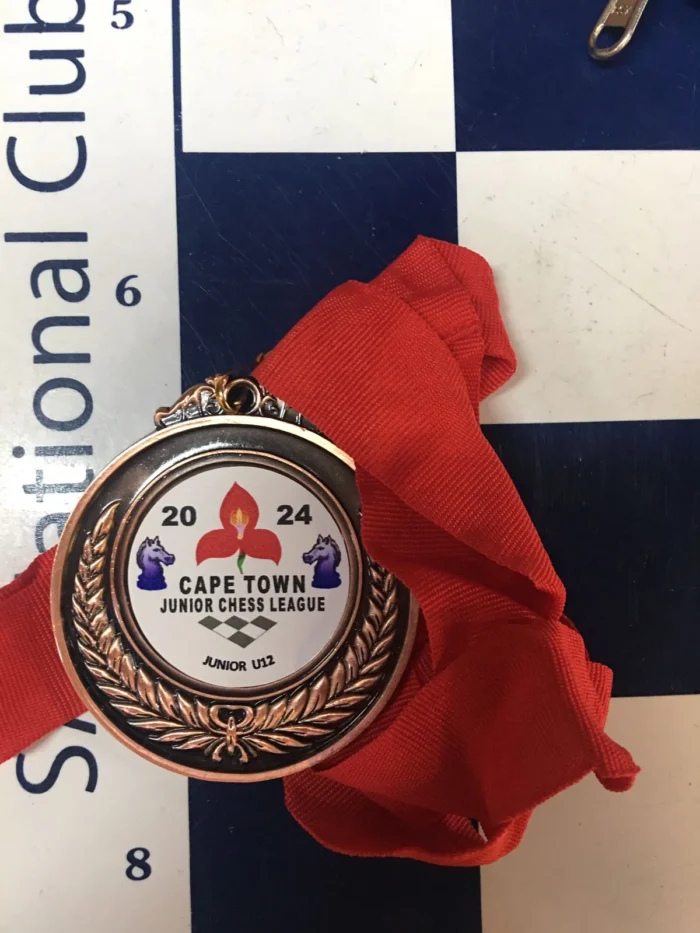
Student Achievements
Making an Impact: 🏆 Student Achievements That Shine | 🌱 Your Growth. Our Mission.



What Our Parents Say About Us
👪 Real Results. Real Parent Voices. 🏆 Futures Built with Care



Parent Testimonials
Success Stories That Speak 🌟🎓 Wins That Inspire Pride 🏆
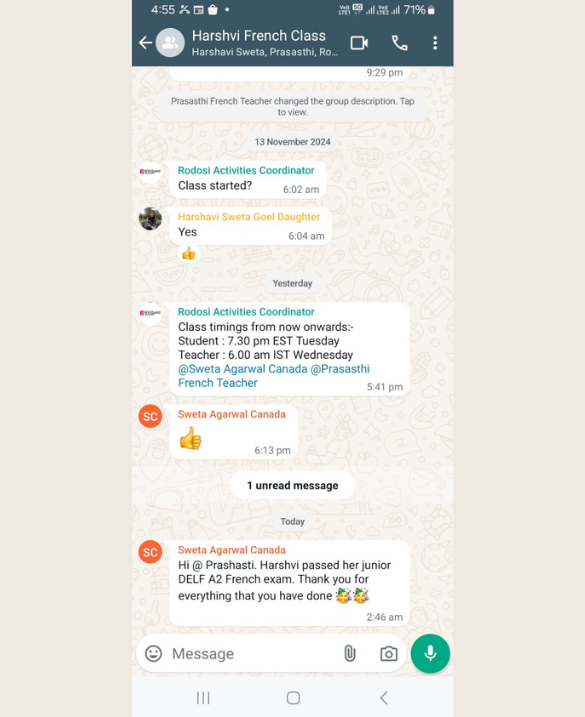
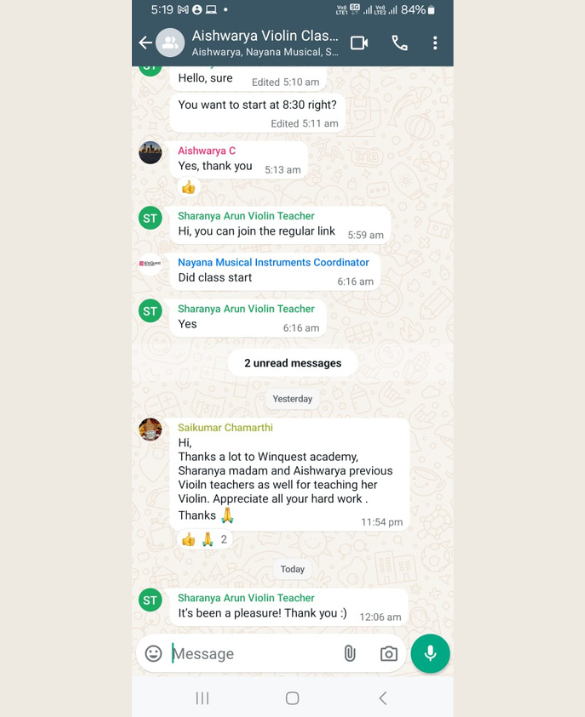
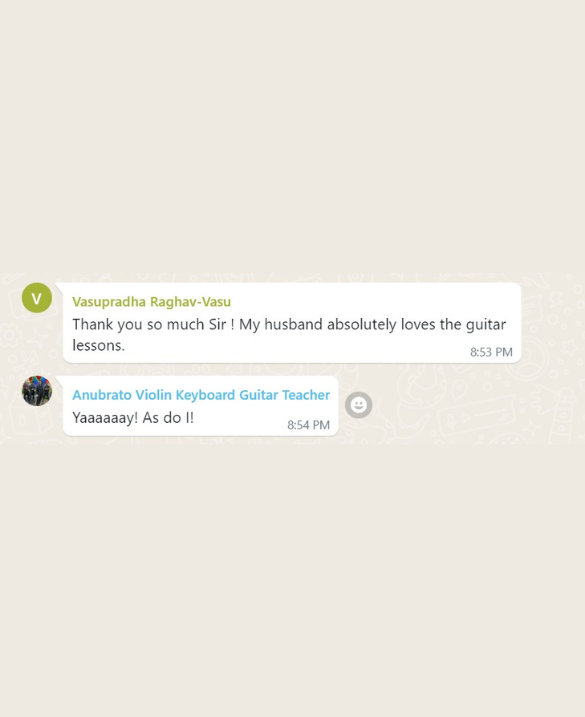
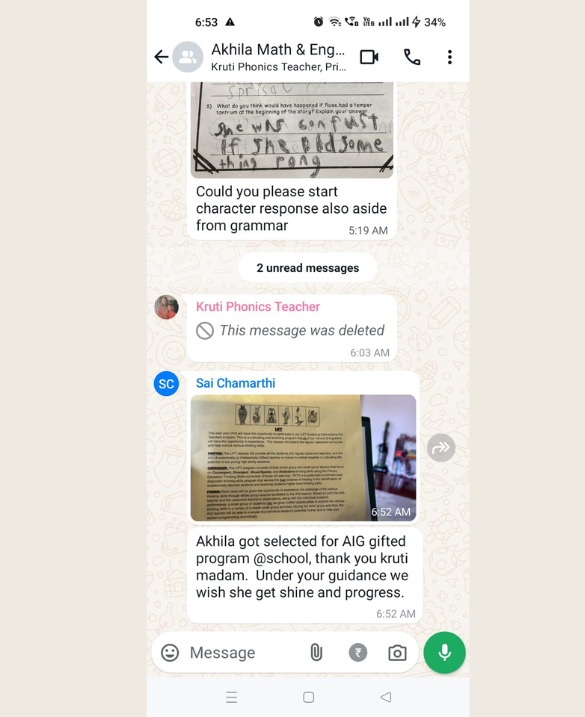
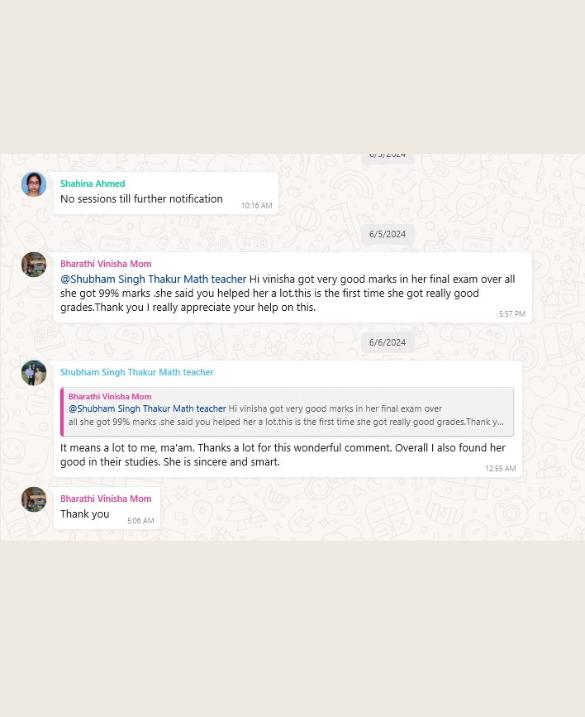
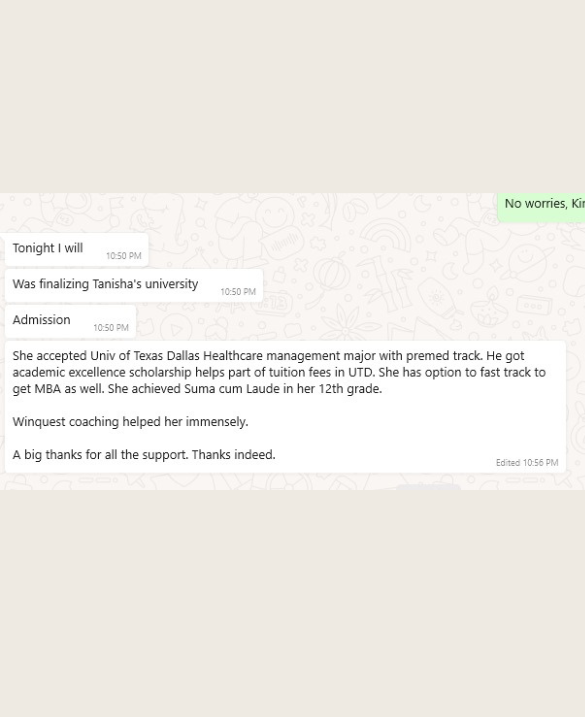
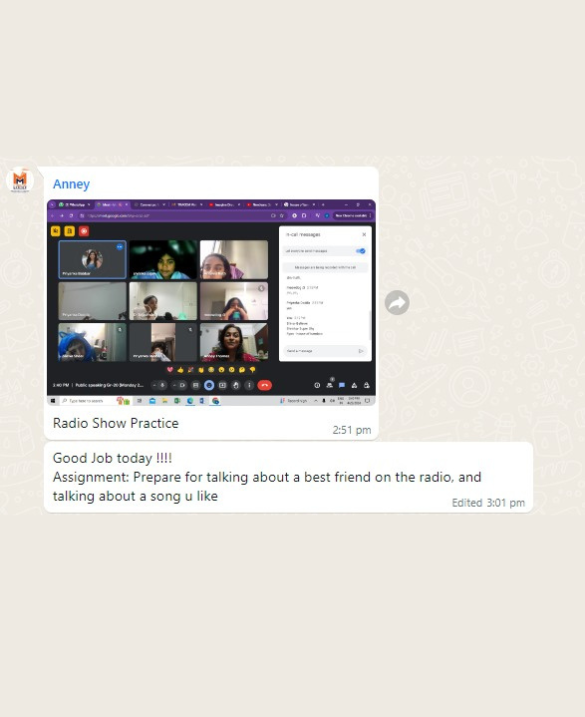
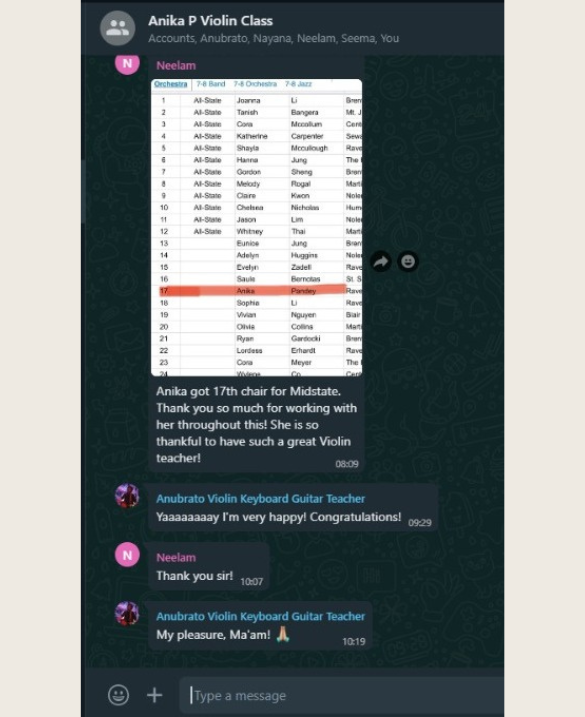
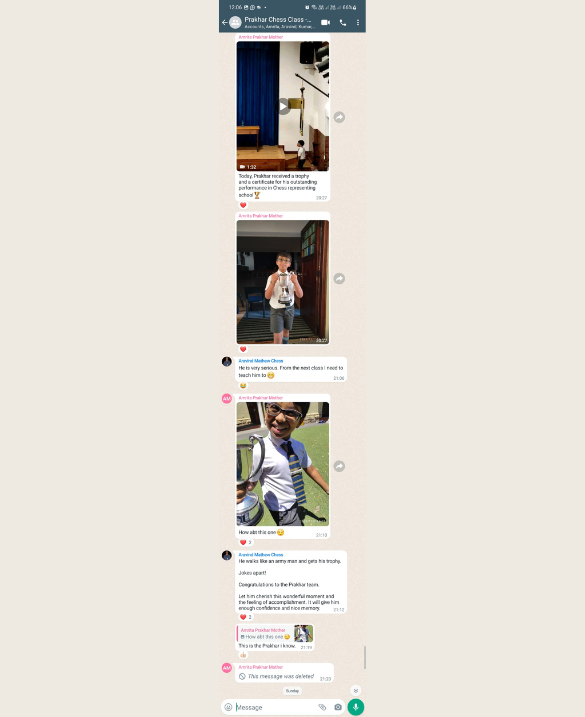
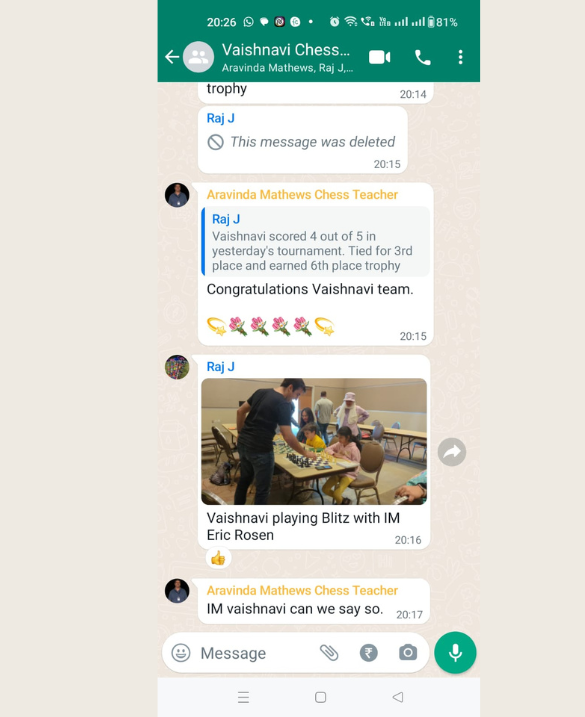
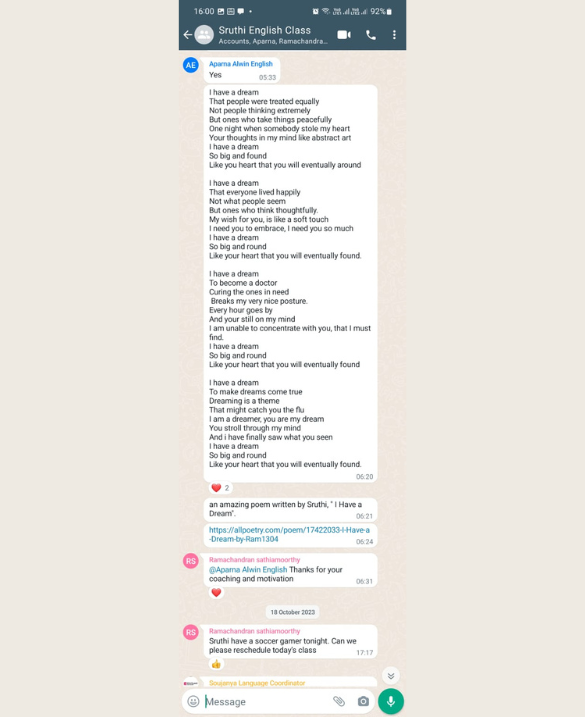
WhatsApp Testimonials
Real Voices from Our WhatsApp Community 💚📚



Latest News and Resources
📰 Learning Updates | 📘 Tips | 🎓 Resources | 💻 Online Courses