
♪ Music Course
Sitar
Discover the soulful sound of the sitar with personalised lessons in classical Indian music.
About WinQuest
At WinQuest, we believe that everyone has the potential to unlock their musical talents and start their journey of self-expression. WinQuest provides high-quality, accessible, and engaging online music classes for learners of all ages and skill levels.
We strive to break down barriers to learning and empower individuals from diverse backgrounds to pursue their passion for music, regardless of their geographical location, financial means, or previous experience.
With WinQuest, learners have access to a comprehensive curriculum covering a wide range of musical instruments, genres, and topics. Whether you're a complete beginner or an experienced musician looking to refine your skills, our expert instructors will guide you through personalized lesson plans tailored to your unique learning goals.
Whether you dream of mastering the piano, shredding on the guitar, or composing your own symphonies, WinQuest is here to help you turn your musical aspirations into reality. Join us today and discover the joy of making music with WinQuest – where the quest for excellence begins.
Why Choose Online Sitar Classes?
About Sitar
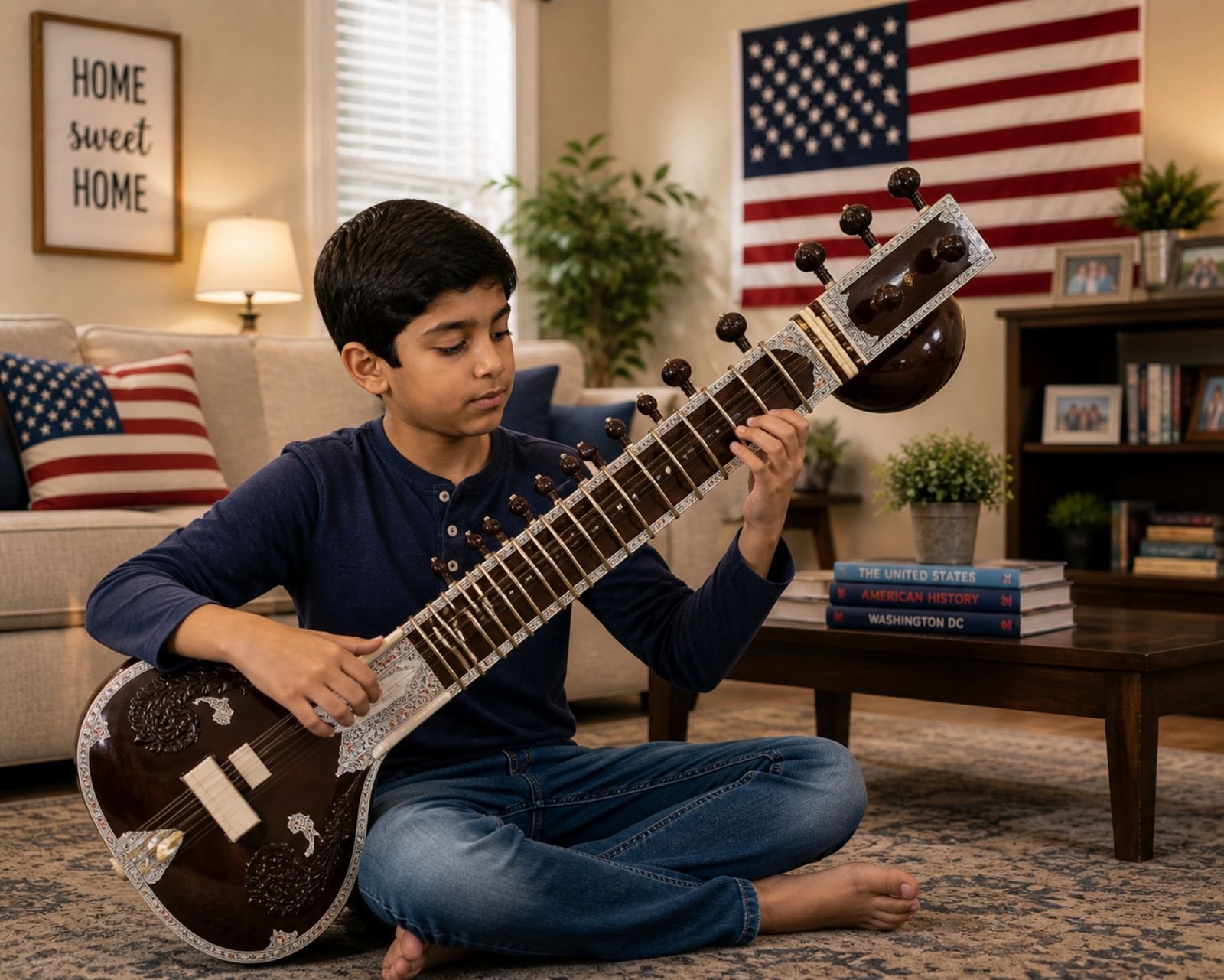
The Sitar is one of the most iconic string instruments in Hindustani classical music, renowned globally for its rich, resonant tone and versatility. The Sitar consists of:
Main Playing Strings (6–7) – for melody, drone, and rhythm
Sympathetic Resonating Strings (11–13 Tarafs) – providing the characteristic shimmer
Moveable Frets (19–20) – allowing precise intonation and meend (glide)
Two Gourds – main gourd (resonator) and optional neck gourd for balance
It is used in: Hindustani classical music; Semi-classical (Thumri, Dadra); Fusion and world music; Film and contemporary music.
Learning Path
Level 1 → Foundation (6–8 months)
Level 2 → Raga Development & Technique (6–8 months)
Level 3 → Advanced Performance & Mastery (8–12 months)
Class Format
Live online classes (1:1 or group)
Weekly structured sessions
Guided riyaz (practice routines)
Assignment-based progression
Periodic performance reviews
Feedback-driven learning
Optional certification pathway
Curriculum Focus Areas
This curriculum is based on the Hindustani Classical Music System, focusing on:
Mizrab Technique (plectrum technique and stroke patterns)
Raga (melodic framework and grammar)
Taal (rhythmic cycles and accompaniment)
Meend (string bending and glide ornaments)
Gamak (vigorous ornamental striking)
Alaap, Jod, Jhala, and Gat (classical performance formats)
Layakari (rhythmic improvisation)
Curriculum Overview
Aligned with: Hindustani / Carnatic Classical Tradition (Guru–Shishya Parampara) and Institutional frameworks (Prayag Sangeet Samiti / Gandharva Mahavidyalaya / Pracheen Kala Kendra).
Classical Tradition (Guru–Shishya Parampara)
This is the traditional way of learning Indian classical music, where the student learns directly from a Guru (master) through:
Personal, one-to-one guidance
Oral transmission (listening, imitation, repetition)
Deep focus on riyaz (practice), meend, and improvisation
Long-term mentorship and artistic development
Emphasis: Depth, artistry, and tradition
Institutional Frameworks (Prayag / Gandharva)
These are formal music education systems that provide:
Structured syllabus (levels/grades)
Written + practical examinations
Certification (recognized across India)
Standardized progression (Beginner → Advanced)
Emphasis: Structure, assessment, and certification
Prayag Sangeet Samiti
Prayag Sangeet Samiti, based in Allahabad, is one of India's oldest and most respected music examination boards. It offers structured certifications in Hindustani classical music across multiple levels, covering both theory and practical aspects. The curriculum emphasizes foundational clarity, gradual progression, and disciplined learning, making it ideal for students seeking formal recognition alongside traditional training.
Akhil Bharatiya Gandharva Mahavidyalaya Mandal
Gandharva Mahavidyalaya is a renowned institution dedicated to promoting Indian classical music education through a standardized syllabus and examination system. It provides graded certifications with a strong focus on performance, technique, and theoretical understanding.
Pracheen Kala Kendra
Pracheen Kala Kendra is a well-recognized institution dedicated to the promotion of Indian classical arts. It offers structured certification programs ranging from Prarambhik (beginner) to Visharad (advanced) levels, covering both practical performance and theoretical knowledge.
Level 1 · Foundation
Basic Elements of Sitar+
- Introduction to parts of the Sitar
- Correct sitting posture and holding technique
- String names, tuning and pegs
- Right-hand Mizrab technique and basic stroke patterns
Basic Swaras & Strokes+
- Sa Re Ga Ma Pa Dha Ni Sa (Aroha / Avaroha)
- Da (downstroke) and Ra (upstroke) introduction
- Single-string melodic exercises
- Basic plucking clarity and tone production
Swara Practice+
- Repetition exercises for clarity and tonal control
- Right-hand Mizrab stroke control
- Left-hand finger pressure and fret accuracy
- Slow-tempo practice for accuracy
Taal Introduction+
- Concept of Taal
- Teentaal (16 beats) and Keherwa (8 beats) – introductory
- Clapping (Taali) and waving (Khali)
- Counting and maintaining rhythm
Basic Compositions+
- Basic Sargam in simple ragas
- Introduction to Raga Yaman (basic notes)
- Simple Gat in slow tempo
- Basic Alankars (melodic patterns)
Coordination & Tonal Development+
- Right–left hand synchronization
- Playing along with drone (tanpura)
- Clean tone and picking consistency
Learning Outcomes+
- Correct posture and Mizrab technique
- Play basic swaras with tonal clarity
- Maintain steady rhythm in simple taals
- Perform basic Alankars and simple Gat confidently
Practice Repertoire — Beginner (Level 1)
- Basic Aroha-Avaroha in Bilawal (C major equivalent)
- Alankar Set 1 (Da-Ra pattern)
- Single-string melodic exercise in Yaman
- Basic Da stroke precision exercise
- Drone string (chikari) exercise
- Teentaal clapping and counting practice
- Simple Gat in Keherwa (slow)
- Right-hand stroke accuracy exercise
- Tanpura alignment practice (sruti)
- Beginner performance piece
Level 2 · Raga Development & Technique
Intermediate Sitar Techniques+
- Refinement of Mizrab technique and posture
- Improved tonal clarity and stroke speed
- Introduction to Meend (string bend / glide)
- Basic Gamak (vigorous ornamental strokes)
Intermediate Ragas & Compositions+
- Raga Yaman (detailed development)
- Raga Bhairavi (introductory); Raga Kafi (basic)
- Expanding melodic vocabulary and raga grammar
Swara & Stroke Practice+
- Structured repetition at Vilambit → Madhya tempo
- Speed development with tonal accuracy
- Meend application; left-hand finger independence
Taal Expansion+
- Teentaal (16 beats) – detailed practice
- Rupak Taal (7 beats) – basic structure
- Dadra Taal (6 beats)
- Sam, Taali, Khali and Vibhag
Compositions (Core Learning)+
- Vilambit Gat in Yaman (slow composition)
- Drut Gat in Yaman (fast composition)
- Basic Toda and Tukda phrases
- Introduction to Alaap; basic Tihai concept
Ornamental & Accompaniment Skills+
- Meend (single & double string glide), Kan Swar, basic Murki
- Light classical accompaniment patterns
- Playing with tabla accompaniment (basic)
Learning Outcomes+
- Perform Teentaal compositions confidently
- Play Vilambit and Drut Gat in Raga Yaman
- Demonstrate Meend and basic ornamental techniques
- Accompany simple classical compositions
Practice Repertoire — Intermediate (Level 2)
- Vilambit Gat in Raga Yaman
- Drut Gat in Raga Yaman
- Meend exercise (basic glide)
- Toda phrases in Teentaal
- Tukda set (Teentaal)
- Raga Bhairavi introduction (morning raga)
- Dadra Taal practice piece
- Kan Swar application exercise
- Basic Tihai construction
- Intermediate recital piece
Level 3 · Advanced Performance & Mastery
Advanced Sitar Techniques+
- Advanced Mizrab patterns and stroke combinations
- High-speed tonal clarity and string control
- Advanced Meend, Gamak and Krintan
- Control across Vilambit, Madhya and Drut
Advanced Ragas & Compositions+
- Complex raga development (Darbari Kanada, Bhairav, Marwa, Puriya)
- Full Alaap, Jod and Jhala exposition
- Advanced Gat in multiple ragas; Bandish-based improvisation
- Raga grammar and correct vadi–samvadi usage
Advanced Taal Mastery+
- Teentaal, Ektaal (12 beats), Jhaptal (10 beats)
- Complex Sam landing precision
- Layakari (Dugun, Tigun, Chaugun)
- Cross-rhythmic playing and tihais
Advanced Compositions & Formats+
- Full Vilambit Gat with elaborate Alaap
- Drut Gat with Toda, Tukda and Jhala
- Masitkhani and Razakhani Gat styles
- Advanced Tihai; Chakradhar phrase endings
Improvisation & Solo Performance+
- Alaap, Jod Alaap and Jhala
- Full concert format: Alaap → Jod → Jhala → Gat (Vilambit + Drut)
- Stage presentation and performance stamina
Learning Outcomes+
- Perform a complete Sitar solo recital confidently
- Mastery over advanced ragas with full ornamentation
- Apply Layakari and rhythmic improvisation
- Achieve performance-level proficiency in Sitar
Practice Repertoire — Advanced (Level 3)
- Full Alaap in Raga Darbari Kanada
- Jod Alaap development
- Jhala (fast strumming section)
- Masitkhani Gat in Raga Bhairav
- Razakhani Gat in Raga Marwa
- Advanced Tihai composition
- Chakradhar ending piece
- Layakari study (Dugun, Tigun)
- Raga Puriya full exposition
- Full Solo Recital (concert format)
Sitar Buying Guide
Types / Styles of Sitar
- Gayaki Ang / Ravi Shankar Style (Standard for Beginners): 7 main strings + 11–13 sympathetic taraf strings; rounded base; rich, singing tone; the most widely available beginner model.
- Vilayat Khan Style: 6–7 main strings; no secondary gourd; lighter, more intimate tone; preferred by some advanced players.
- Surbahar (Bass Sitar): larger and lower-pitched; deep resonant drone tone; used for Alaap in Hindustani classical; an advanced instrument not suited for beginners.
Which Sitar Should You Start With?
A standard Gayaki Ang Sitar (beginner model) is recommended for all new learners — widely available, well-balanced for technique development, and used across all formal exam curricula.
Essential Accessories for Sitar
- Mizrab: the metal plectrum ring worn on the right index finger; available in different thicknesses — teacher will recommend the correct gauge.
- Extra strings: both play strings and sympathetic strings (tarafs) need periodic replacement.
- Tanpura app or digital sruti box (for drone reference during raga practice)
- Guitar stand or padded bag (to rest and store the Sitar safely between sessions)
- Cleaning cloth (keep the body, strings, and frets free from dust)
Your Starter Kit: Sitar
Recommended to start: A Sitar (beginner Gayaki Ang model) and a Mizrab (finger plectrum).
Not sure which brand, size, or where to buy? Talk to our mentors in a free demo class — we help you choose the right instrument for your age, budget, and goals.
Frequently Asked Questions
How do I get started?+
To get started, you can simply book a demo class or join one of our free workshops. To book a demo class, click on the 'Book a Demo' button and provide details to schedule the class. For details, please contact us at (+91) 74391 54909 or contact@winquestonline.com
How does payment work?+
We require monthly advance payments for the number of classes scheduled in a calendar month. We use PayPal or other payment apps for fee collection. You will be asked to select your preferred payment method during the initial setup.
What if I miss a class?+
For batch classes, we can share a timed recording upon the parent's request. For one-on-one sessions, the class will be rescheduled. We request prior intimation in such cases.
Do I need to sign a contract?+
All engagements are based on the terms and conditions mentioned on the website. We provide complete flexibility to exit the course if you do not find it beneficial.
How do I get an update on my child's progress?+
We provide regular assessments and practice assignments to track progress. Parents are encouraged to stay in touch with the teacher for feedback and updates.
Will my child receive a certificate after completing the course?+
Yes, we provide certificates upon completion. We also encourage students to appear for recognized examinations such as those offered by Prayag Sangeet Samiti and Gandharva Mahavidyalaya.
Where are the teachers from?+
Most of our teachers are from India and are trained in Hindustani Sitar pedagogy with experience in curriculum teaching and classical performance.
Is previous experience required?+
No, the course is designed for complete beginners as well as intermediate learners.
What are the requirements for this course?+
You need a Sitar (beginner model is fine), a Mizrab (finger plectrum), a Laptop/Desktop or Tablet, and a stable internet connection.
At what age can my child start learning Sitar?+
Children as young as 7 years old can start learning Sitar. At this age, they can develop basic finger strength, pitch awareness, and the coordination needed for string playing.
How much practice is required for good progress?+
For beginners, 20–30 minutes of daily practice is recommended. As students progress, practice time can gradually increase to build speed, tonal clarity, and raga depth.
Can Sitar be learned online effectively?+
Yes. With proper guidance, camera positioning, and structured lessons, Sitar can be learned effectively online. Our classes focus on Mizrab technique, tonal clarity, meend, and raga accuracy.
Why should my child learn Sitar?+
Sitar is globally recognized as one of India's most expressive instruments. It builds discipline, concentration, finger strength, and a deep sense of melody and improvisation. It also provides strong cultural roots and enhances overall musical sensitivity.
Is Sitar difficult for beginners?+
Sitar is very manageable when taught correctly. Students begin with basic Mizrab strokes and simple melodic patterns, gradually building complexity step by step. With regular practice and guided learning, even young children can make steady progress.
Should I learn Veena or Sitar?+
The choice depends on your musical interest and cultural inclination. If you are drawn to South Indian classical music and prefer a deep, meditative tone, the Veena is an excellent choice. If you are drawn to North Indian classical music and the globally recognized sound of Hindustani raga exploration, the Sitar is ideal. Both instruments are equally demanding and rewarding, and WinQuest offers structured pathways for both.
Student Reviews
No reviews yet — be the first to share your experience with this course!
Meet our Teachers
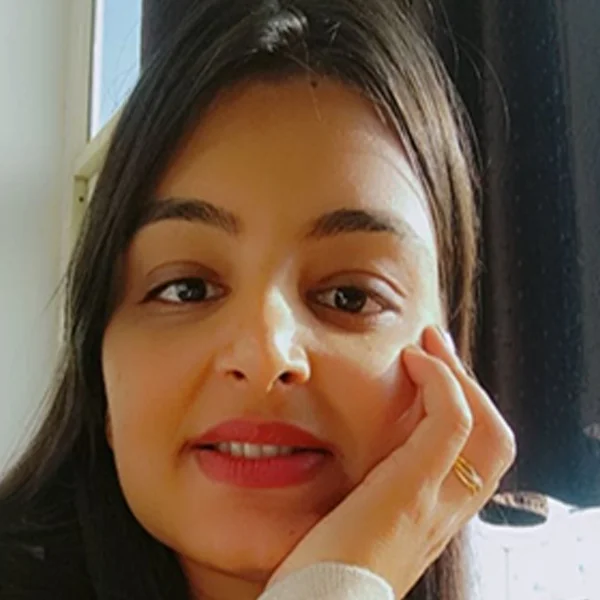
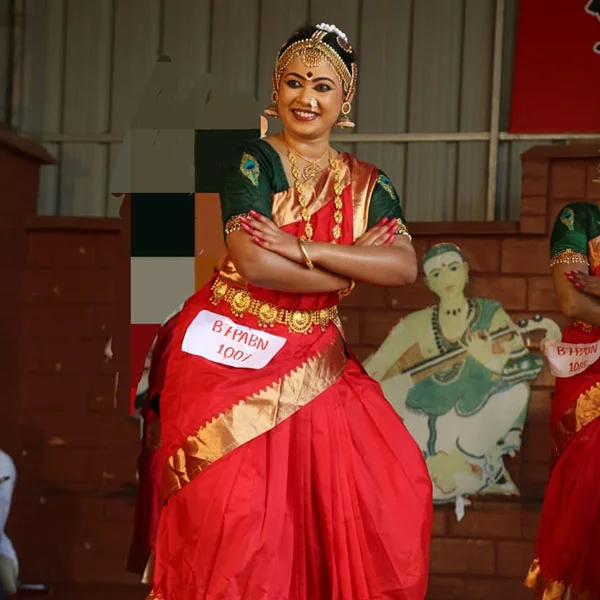
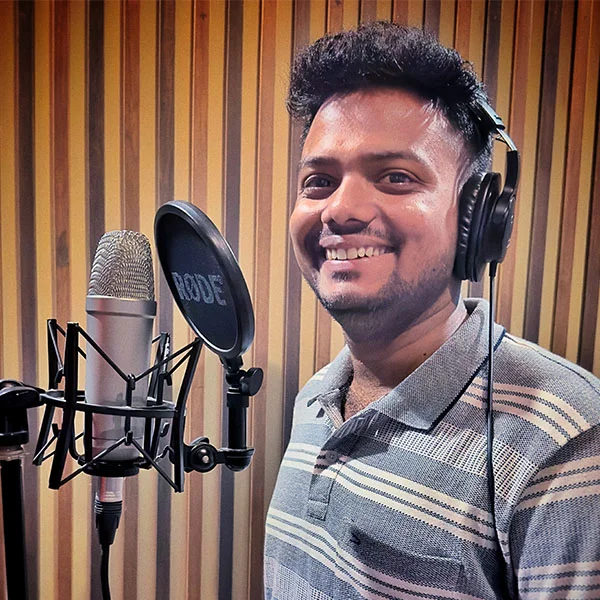
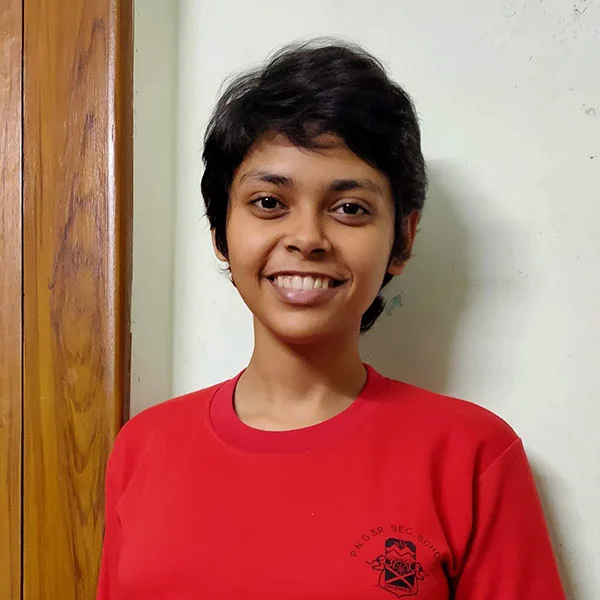
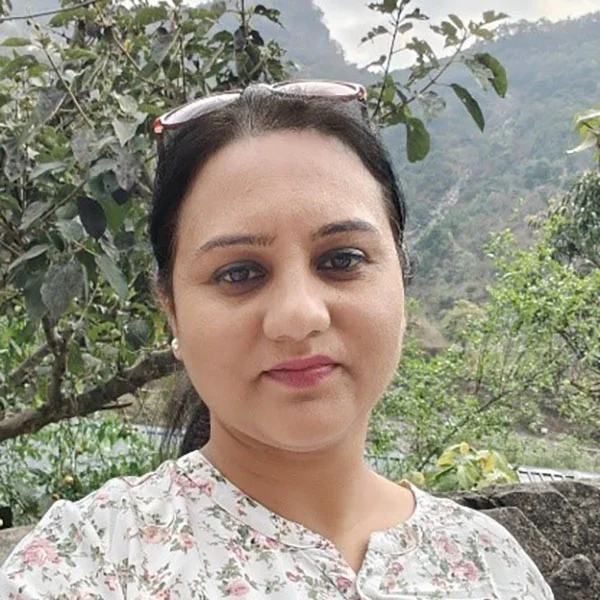
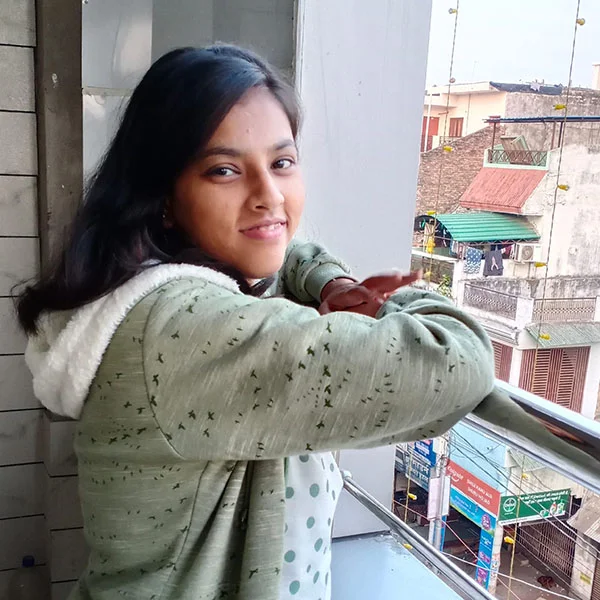
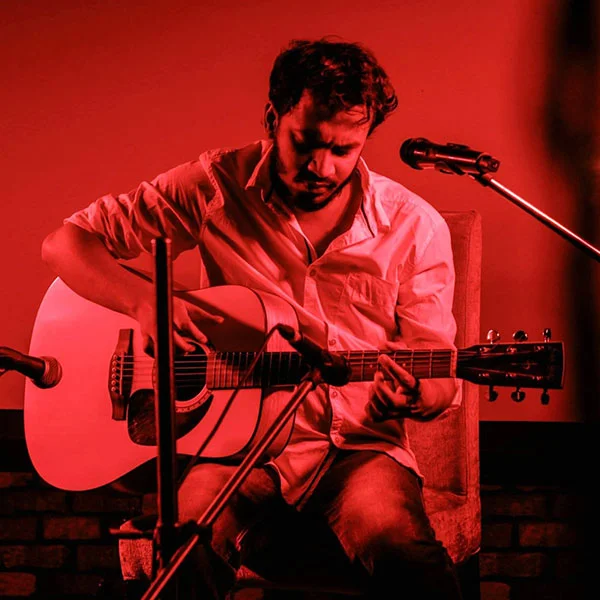
Expert educators who connect, guide, and prepare students with special personalized care ❤️📚✨








Student Achievements
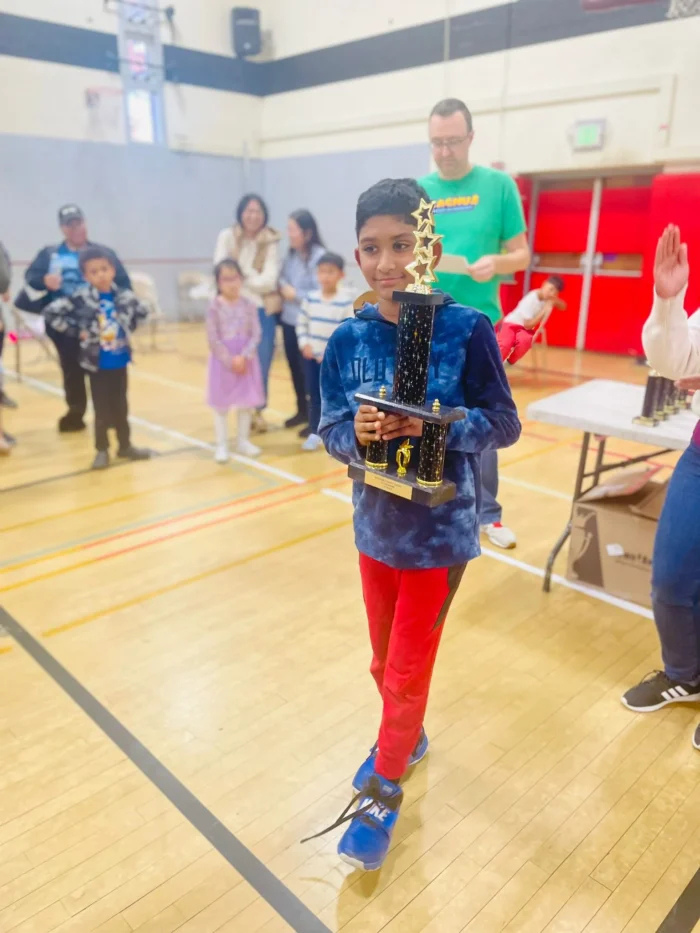
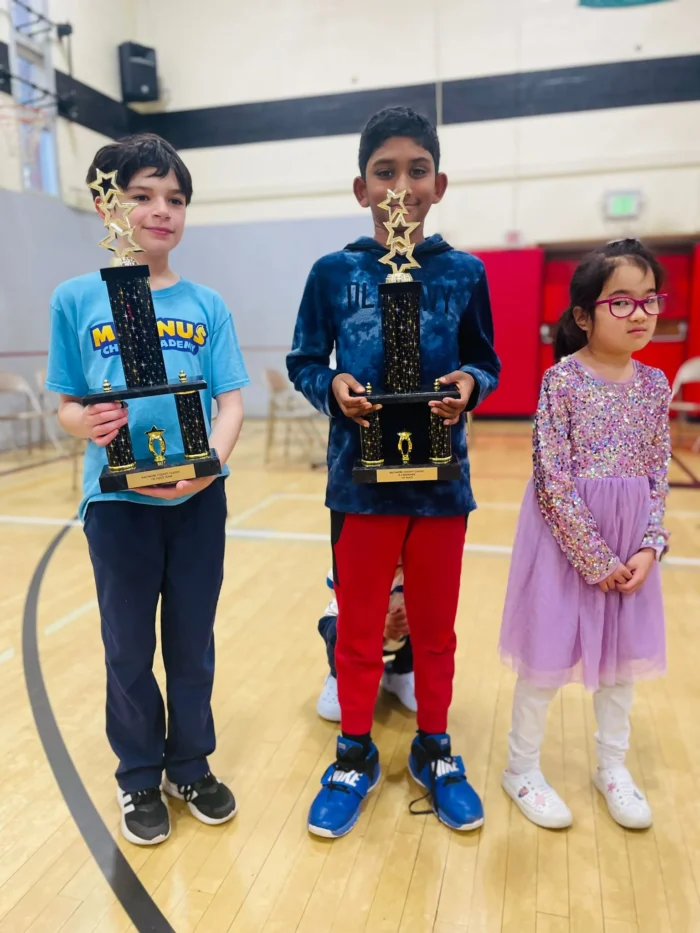
Making an Impact: 🏆 Student Achievements That Shine | 🌱 Your Growth. Our Mission.


What Our Parents Say About Us
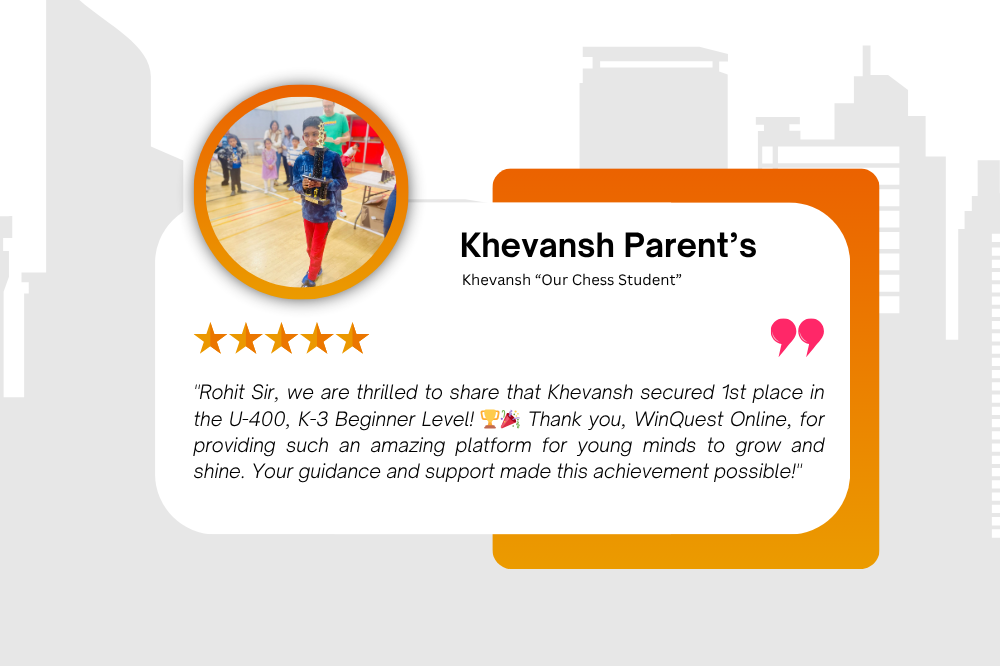
👪 Real Results. Real Parent Voices. 🏆 Futures Built with Care


Parent Testimonials
Success Stories That Speak 🌟🎓 Wins That Inspire Pride 🏆
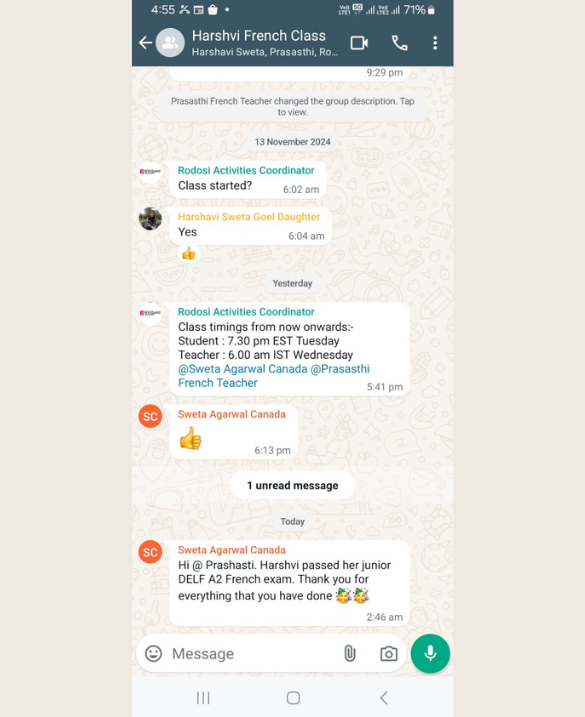
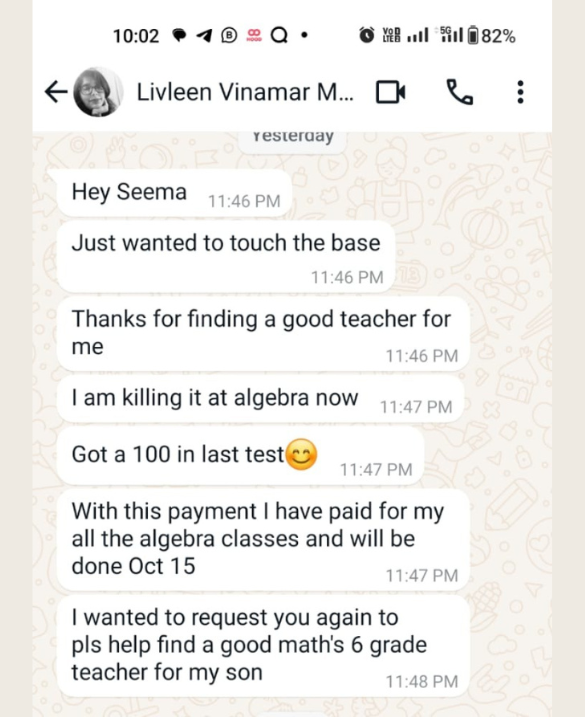
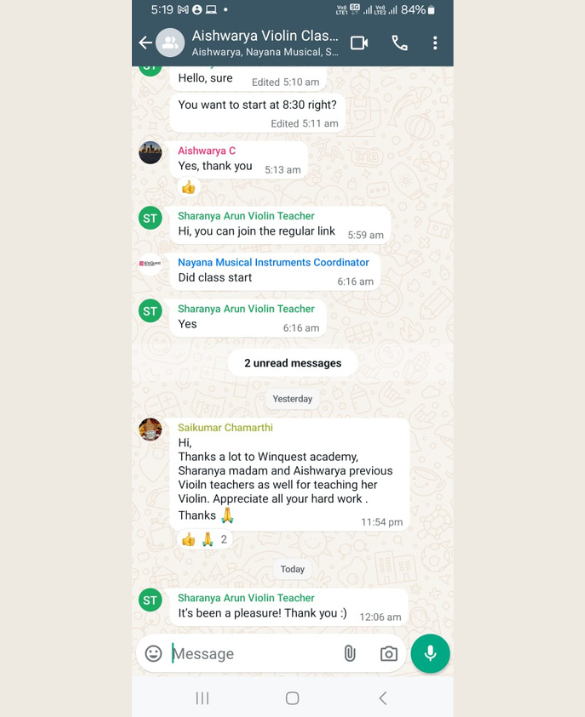
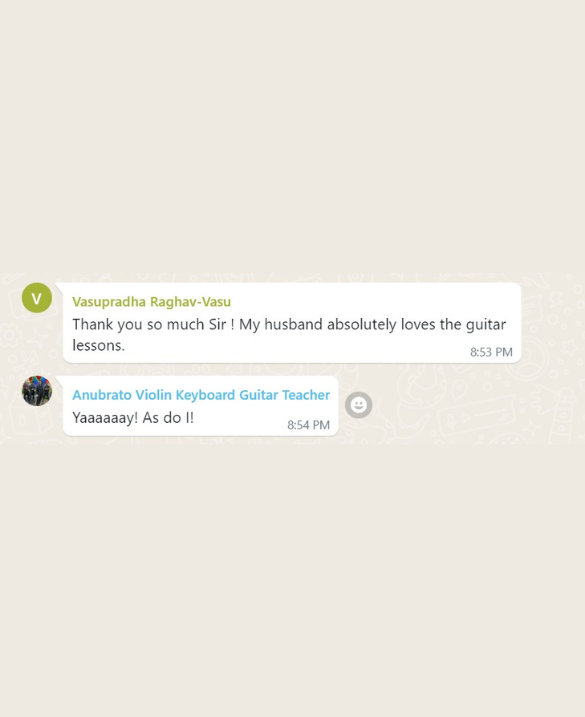
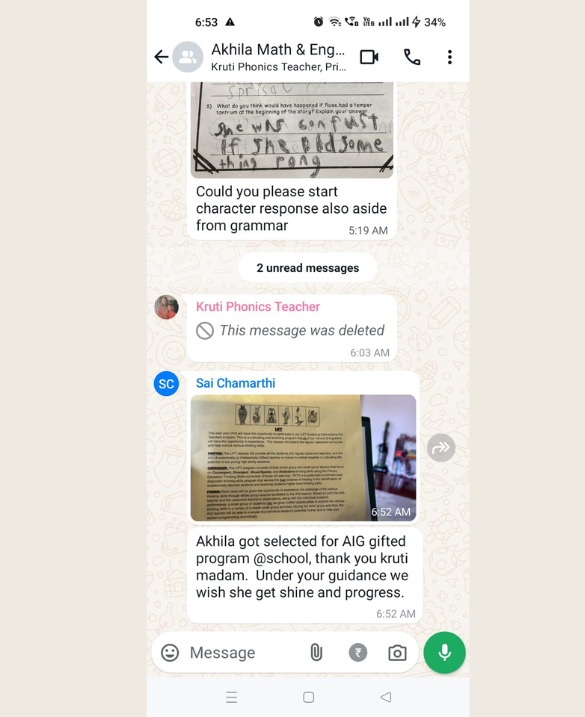
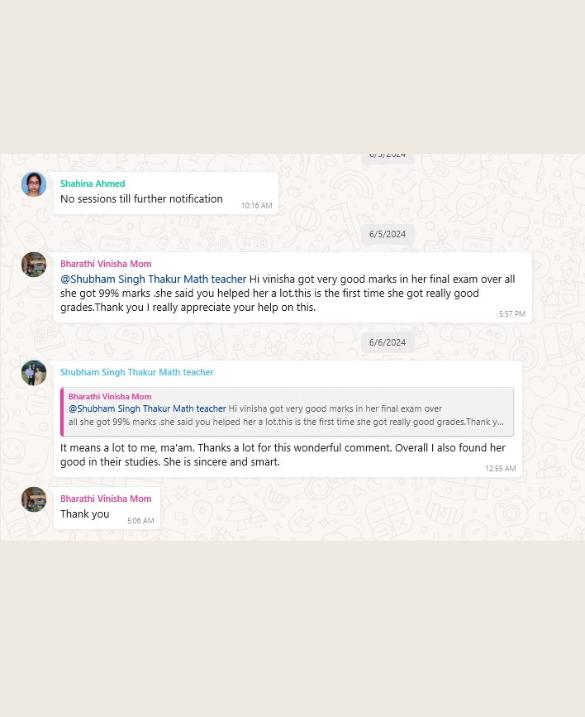
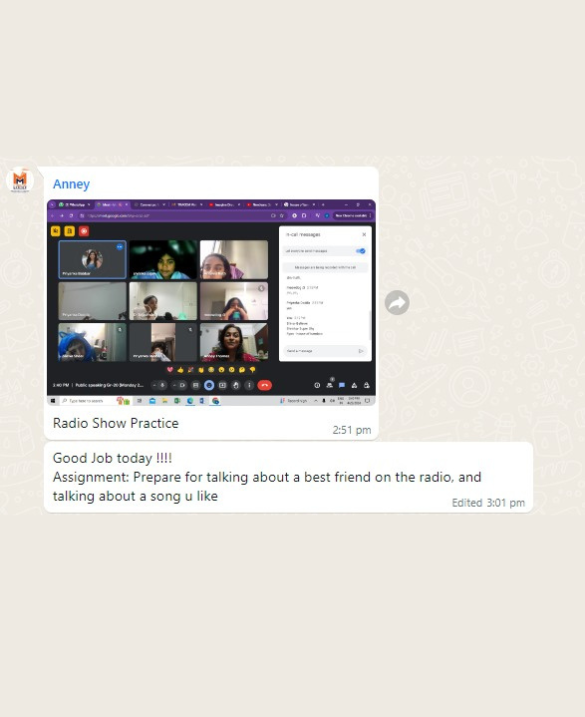
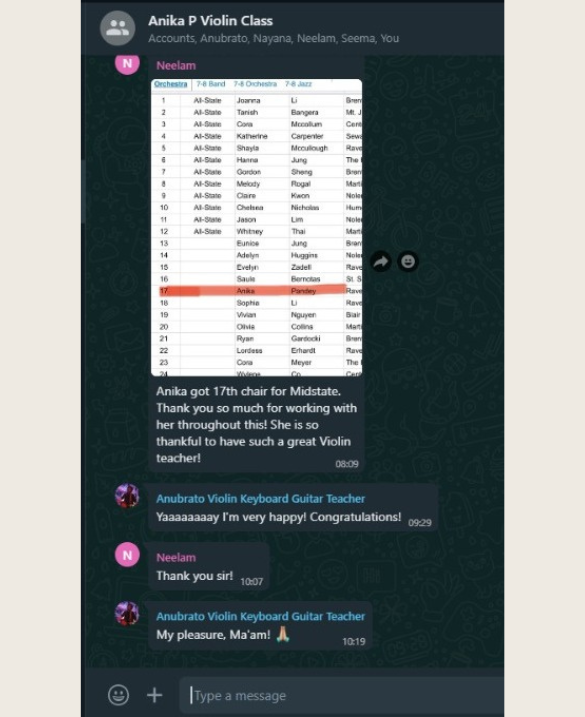
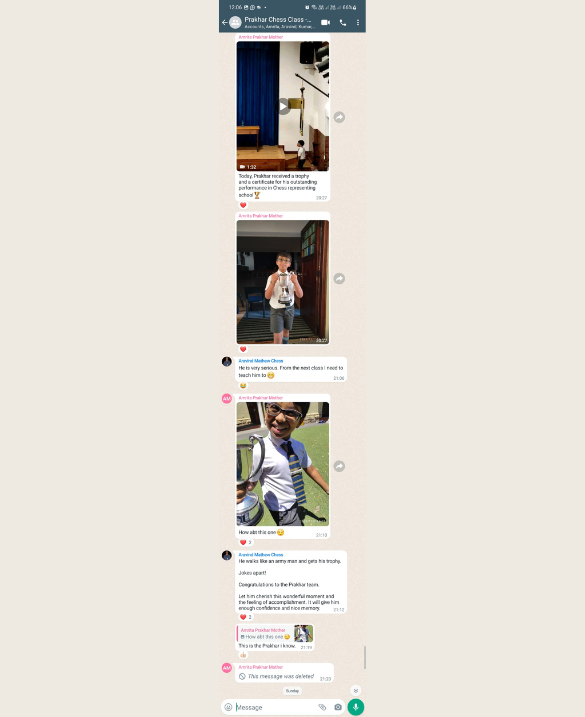
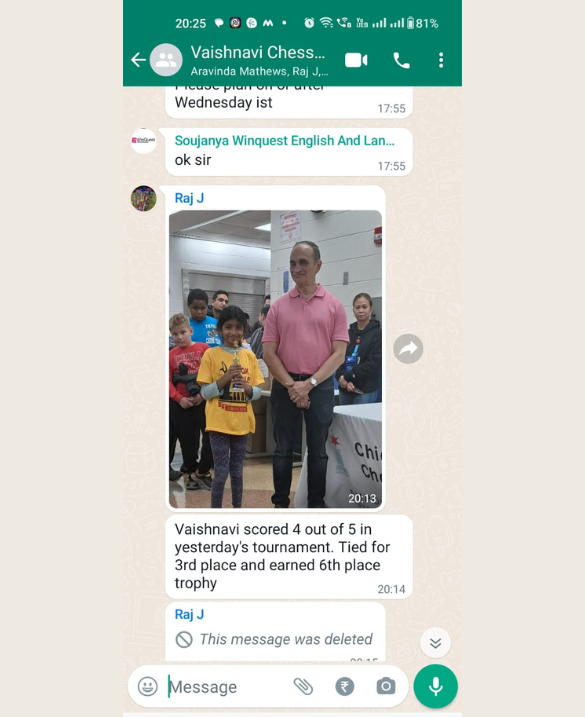
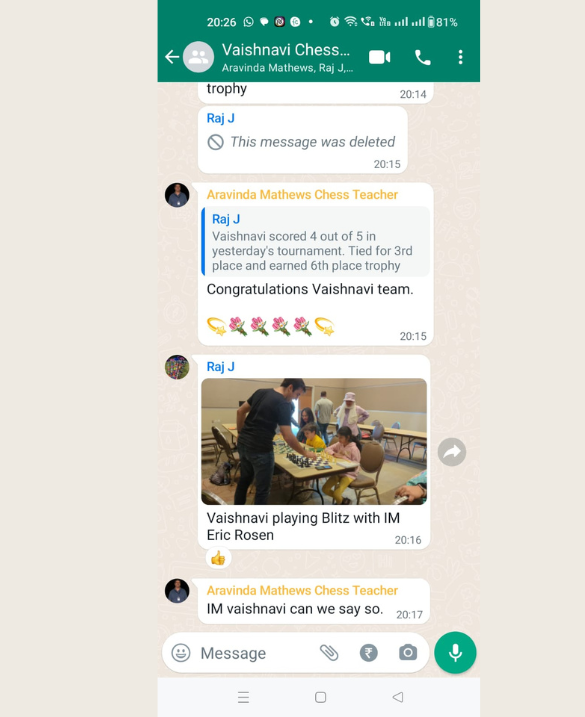
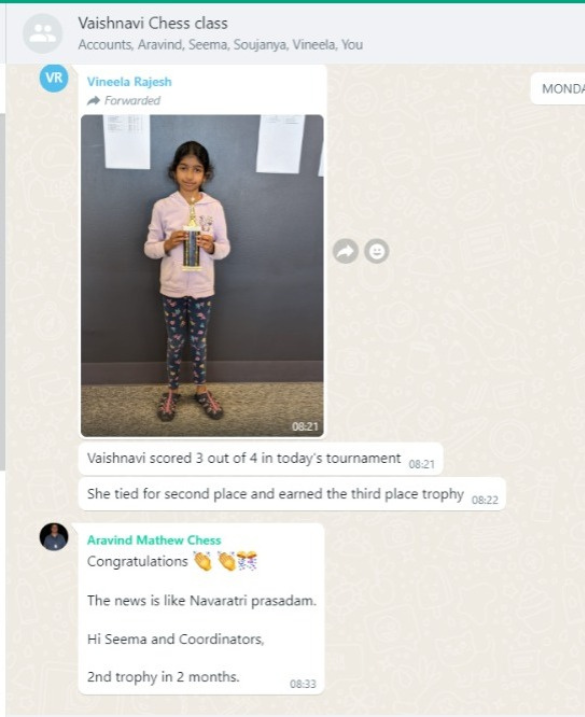
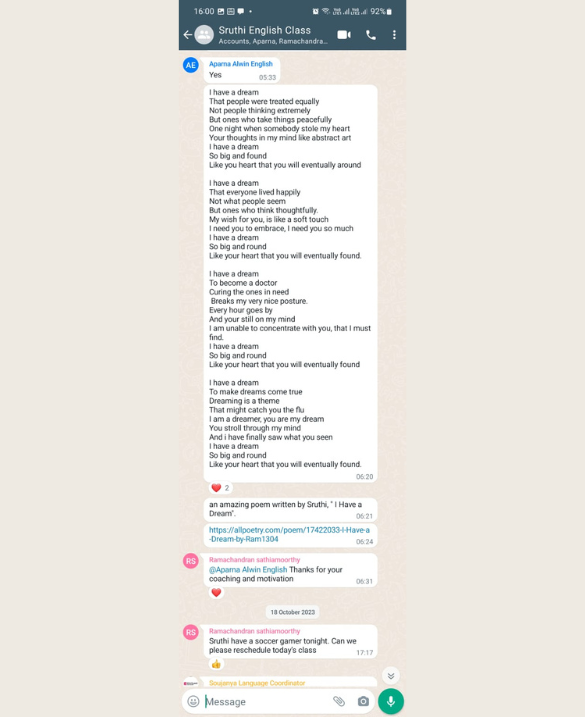
WhatsApp Testimonials
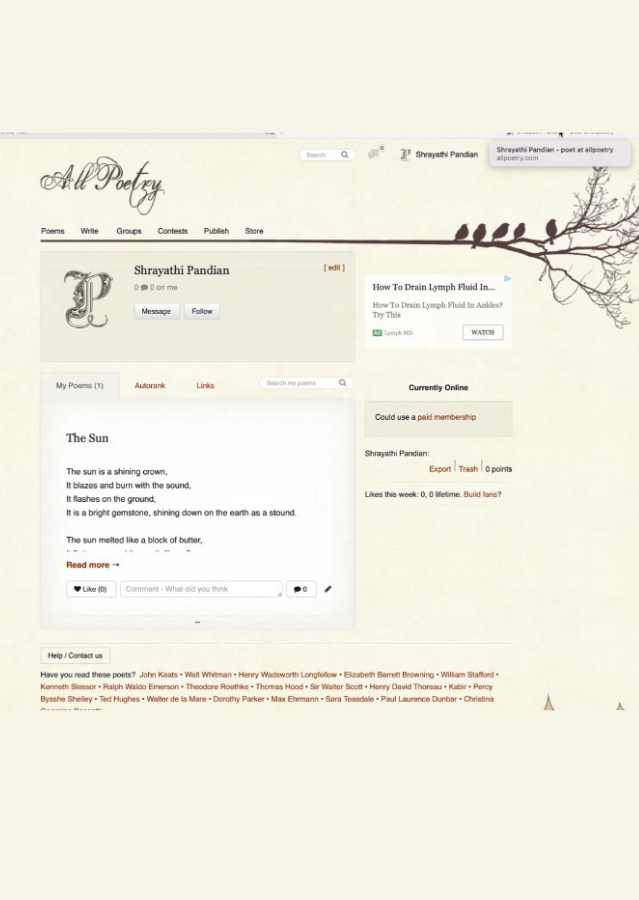
Real Voices from Our WhatsApp Community 💚📚

Latest News and Resources
📰 Learning Updates | 📘 Tips | 🎓 Resources | 💻 Online Courses